Skip to content
© Jonathan Kemper

Where Sweden Grows: Allotments and Urban Ingenuity

Sweden
Trend

Urban gardening in Sweden has long been tied to social reform—and today it carries new significance in a warming world. Along the way, the growers are trading expertise across neighborhoods, rising crops you won’t find in shops, and reminding us all that flowers are great ingredients, too.

“Growing benefits pollinators, which benefits all of us. It also locks carbon into the soil, which is good for the climate. For me, growing isn’t only enjoyable and necessary—it’s political, too.” 

Those are the words of Swedish author and cook Peter Streijffert, who has spent years advocating for urban gardening. In Sweden, the link between cultivation and society has a long history: Urban allotments took root in the early 1900s as part of social reform in expanding cities, framed around health, access to food, as well as light and air. 

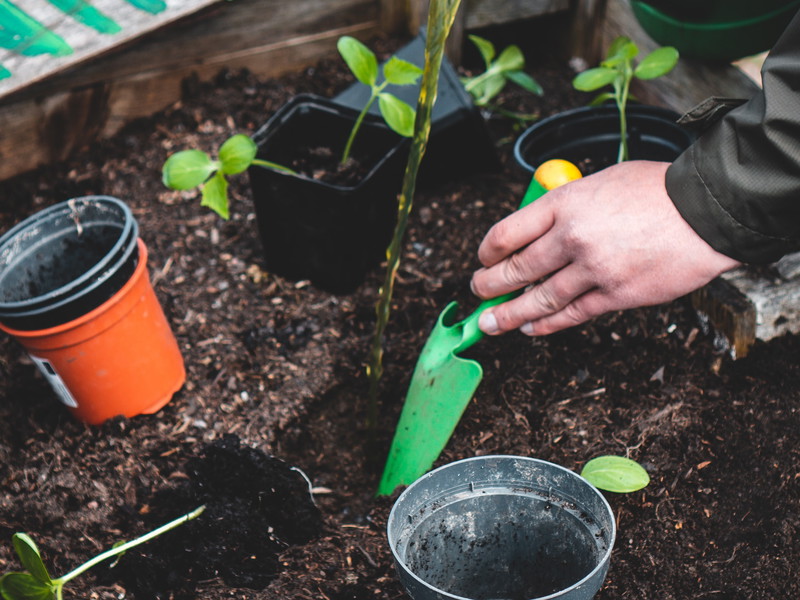
Today, Streijffert practices climate-smart cultivation at his home in Bettna, between Flen and Nyköping in the province of Södermanland. “We use hügel beds, biochar, bokashi, woodchips, and perennials,” Streijffert says, adding that visitors are very welcome. 

Even when Streijffert was running the wine-tasting business Bromma Vinateljé in Stockholm, he planted asparagus, berry bushes, and grapevines outside the building. “Guerrilla gardening,” he laughs, explaining that over the years it has been the kind of urban gardening he has cared most about. “Growing where nobody else is growing,” he muses, “without getting in anyone’s way. A kind and free way to cultivate.” 

The difference between what many people think of as conventional farming—open fields worked by machines—and urban gardening is, above all, scale. “Urban gardening is often about doing it on a smaller scale, in a smaller space,” Streijffert says. “And perhaps with different rules. Quite often, the framework you’re working within is tighter.” 

In Sweden, an allotment—“kolonilott”, as they’re called—isn’t just a patch of land. “Koloniområden” (allotment sites) are typically organized through associations with rules and shared norms, and they remain fixtures of urban life. For anyone living in a Swedish city with an interest in growing, journalist and author Elin Unnes has one clear piece of advice: “Get on a waiting list–today.” 

Unnes has written about gardening for many years, including the allotment associations of Greater Stockholm and how they have, in recent years, practically exploded with plot-holders growing vegetables from all over the world. A legend in these circles is a woman known as Zita, said to harvest hundreds of kilos of vegetables each year at Järvafältet in Stockholm’s northern suburbs. National surveys on leisure gardening and home growing suggest these activities are now widespread across the country, spanning everything from private terraces to community greens. 

Is there a long wait for an allotment? Grow a few potatoes in buckets on the balcony in the meantime, suggests TV personality Lotta Lundgren, well known in Sweden for her passion for anything you can sow, grow, and harvest. One outlet for that passion is the podcast Jordkommissionen (“the Earth Commission”), dedicated entirely to the subject, which Lundgren hosts with food writer Tove Nilsson. 

Because conditions in cities can be tougher—Elin Unnes mentions everything from traffic to thin soils and the shadows cast by tower blocks—you also have to find creative, low-cost solutions. Such as discovering the potential of a bucket on a balcony, or anything that can spring to life on a sunny windowsill. Among her friends, Lotta Lundgren sees ingenuity in action. 

“I know people who load their bicycles with grass cuttings from cemeteries and use it to fertilize their allotment or balcony pots. I know someone who composts leaves in a cellar storage space, and another who makes a little biochar in a biscuit tin every time someone lights the communal barbecue,” she says. 

Lundgren points out that much of the momentum in Sweden’s urban gardening has come from people who immigrated to the country during the 1970s, 1990s, and 2000s. Many settled in suburbs built under Miljonprogrammet (“the Million Programme”), Sweden’s large-scale housing drive of the 1960s and 1970s, broadly comparable to British council-estate development, and secured an allotment locally. 

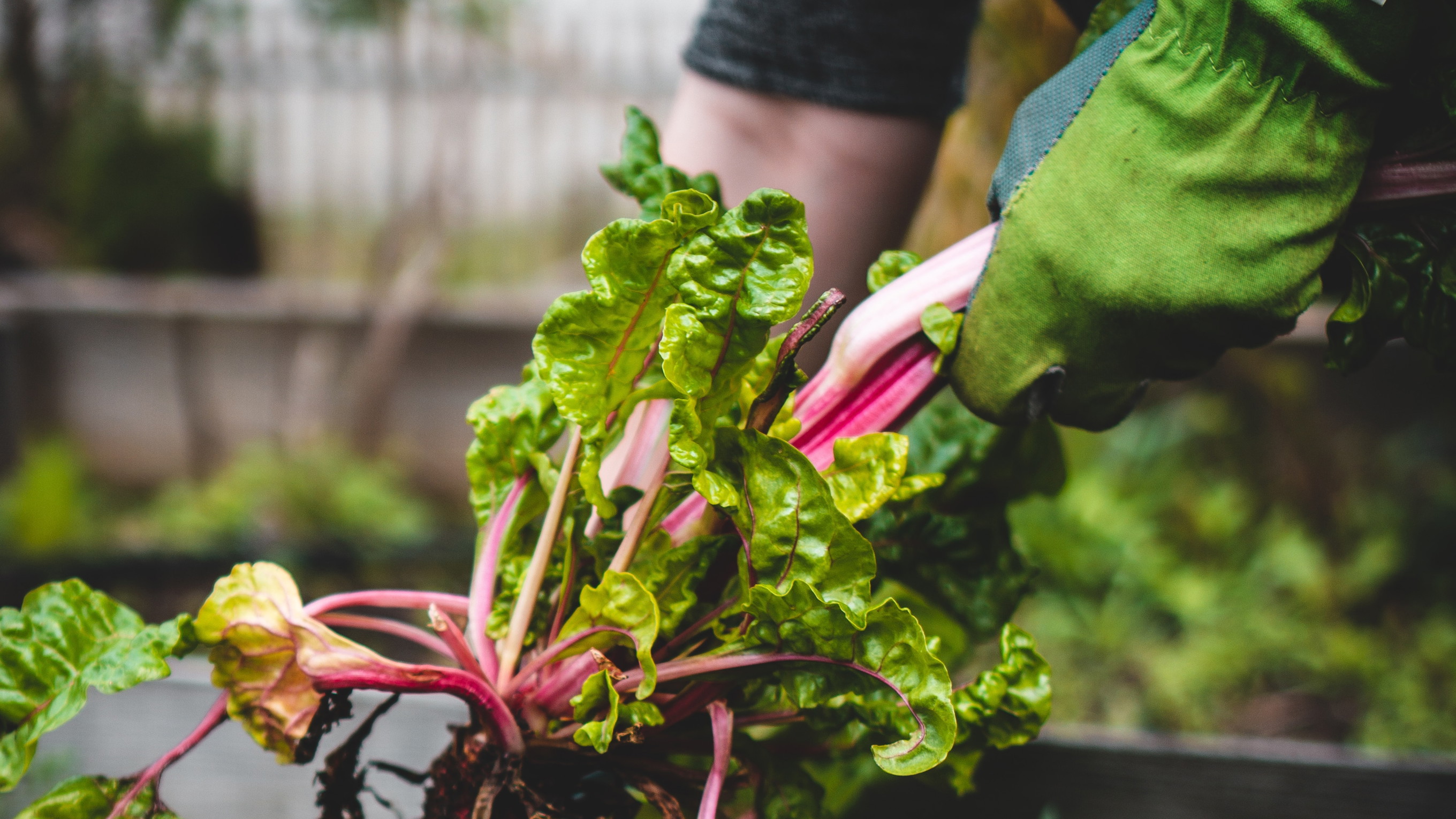
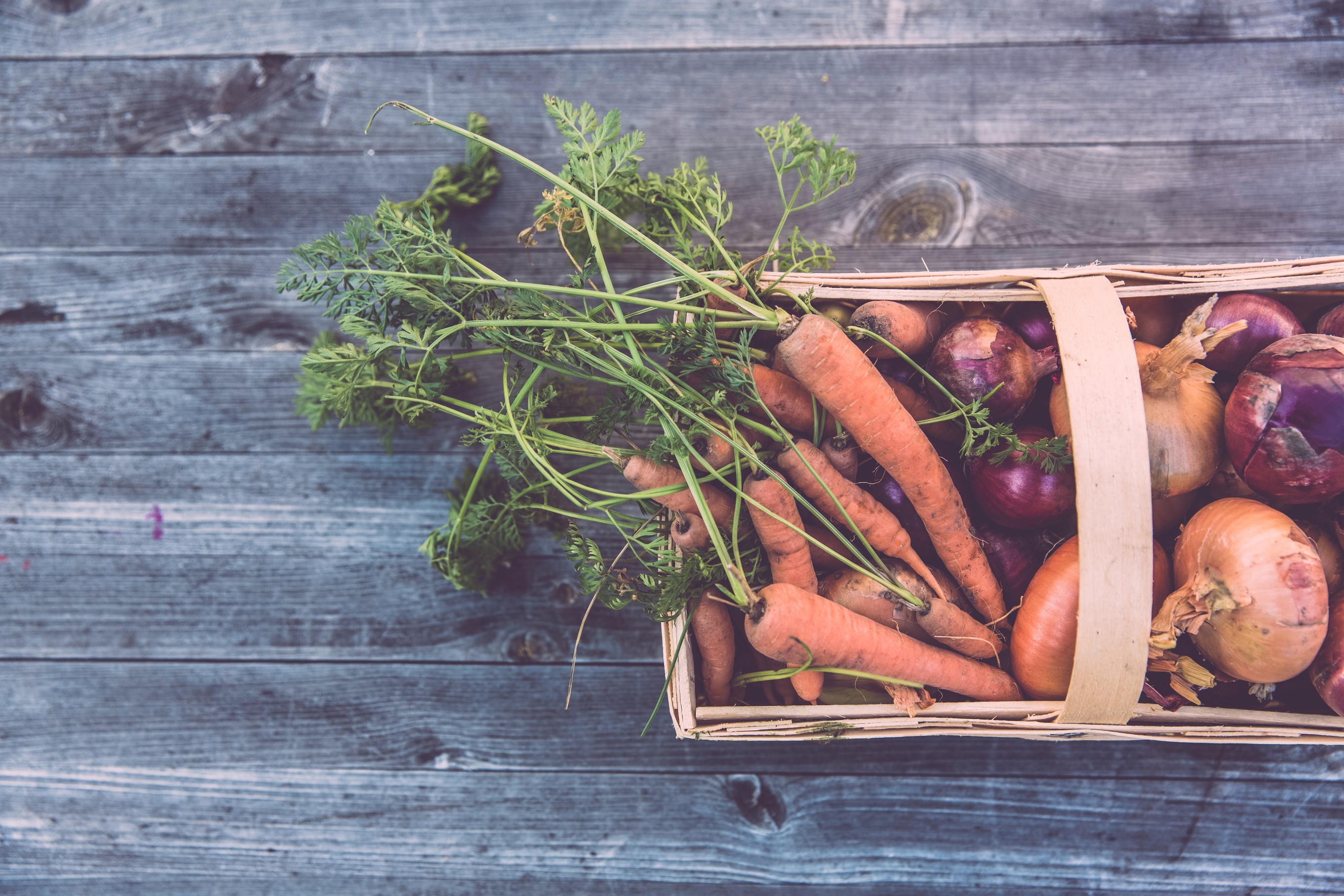
Elin Unnes is on the same track, noting how the city’s allotment sites are overflowing with agricultural knowledge gathered from near and far. “There’s enormous expertise among growers. Some raise delicacies you can’t buy in shops; others produce harvests so large they’re close to self-sufficient. Järvafältet stands out for its cutting-edge know-how, but almost every allotment area has its own ‘hero growers’.” 

But the benefits don’t stop there. Urban gardening also touches on food security, physical and mental recovery, biodiversity, and meaningful activity. In a Swedish context, the food security argument has historical roots: Allotments were once promoted for their ability to supplement household food, and during periods of shortage that practical value became even clearer. That same idea is now resurfacing in contemporary discussions about resilience and climate adaptation in cities. In time, empty industrial buildings could be converted into greenhouses and hydroponic growing systems. Rooftop gardens and green walls could help cool cities as the effects of global warming begin to become more and more palpable. 

Herbs may be the easiest place to start in an urban setting. But flowers also serve an important purpose in city life: their uplifting beauty, for one. And far more flowers than we tend to think are edible, too. “Like nasturtiums, which have a wonderful peppery kick,” says Peter Streijffert, who has also written a book on the subject, Blomstermat (“flower food”). “Clover blossoms have a grassy, smoky note–fry them with shallots and garlic and stir them through pasta. Fennel flowers, with their hint of liquorice, are lovely with red wine. While subtle in flavor, marigold lends a brilliant sheen to even the dullest of dishes.” 

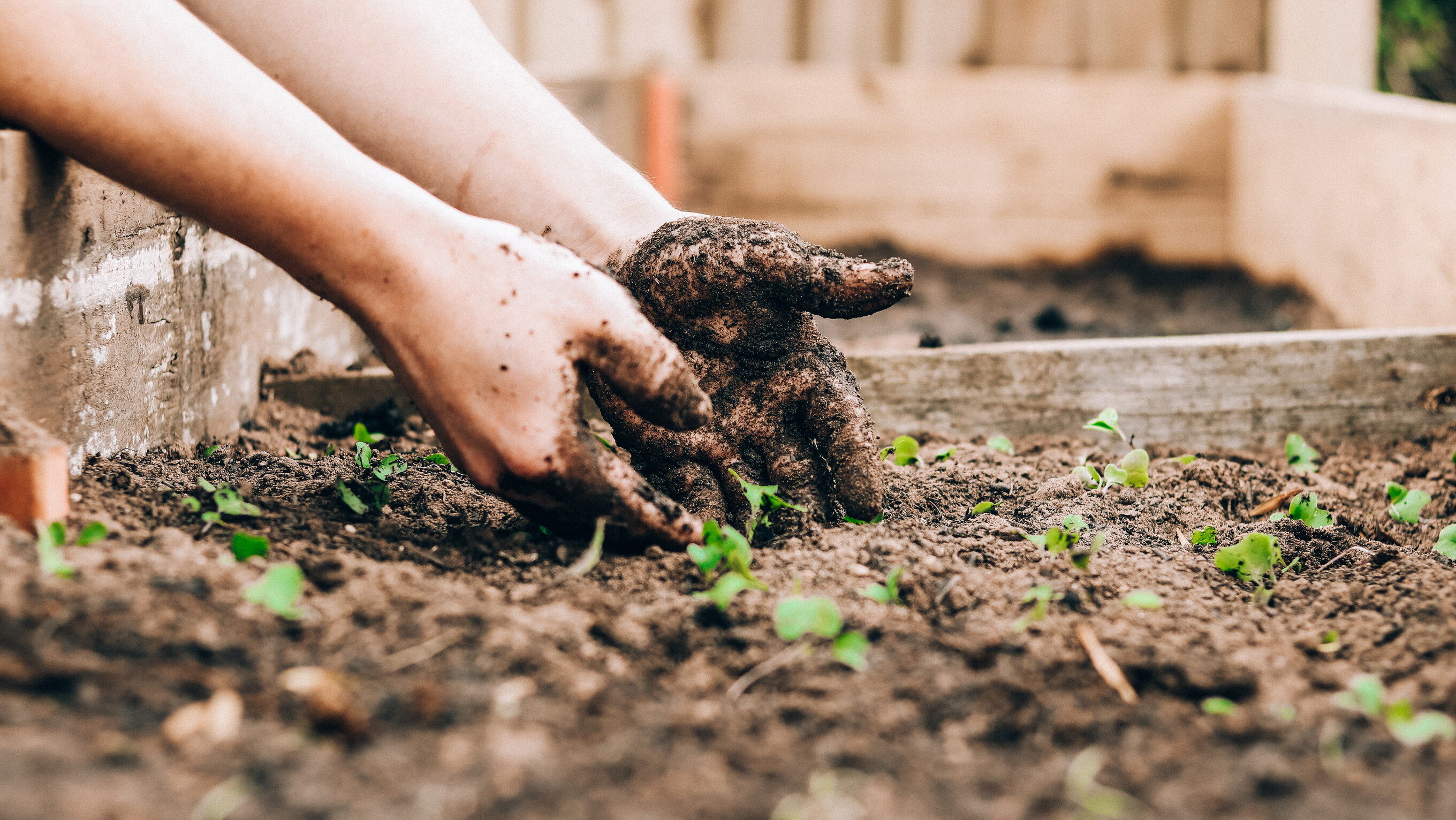
The self-sufficiency movement, in turn, also has a vital social dimension. Lotta Lundgren argues that urban gardening’s greatest asset isn’t the city itself, but the people who grow. “At an allotment, you learn by watching and talking. You see what others grow, swap tips, and figure out what works. In places like [the Stockholm suburbs] Rinkeby and Skarpnäck, the allotment sites are a melting pot of people from all over the world. And I promise you: The growers there will teach you more than any gardening book.” 


Linda Iliste
Author
Find out more
1 / 12