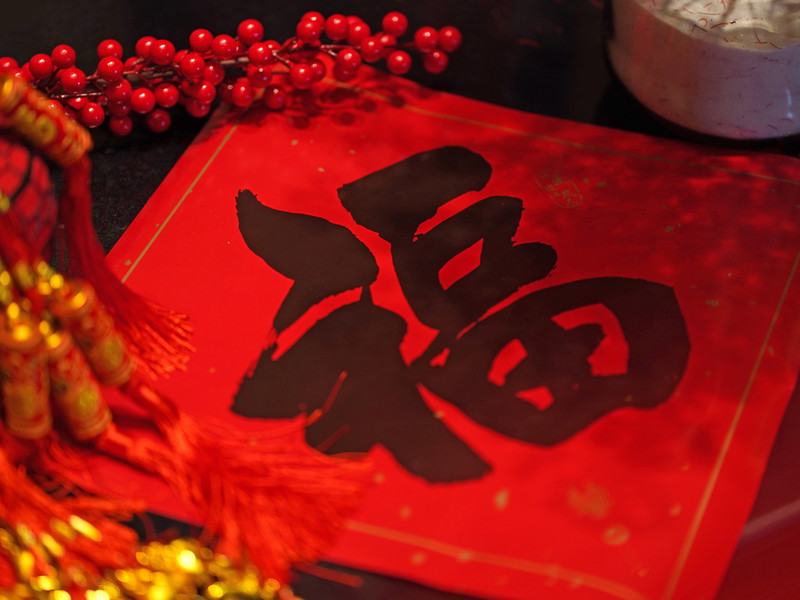
The Chinese New Year begins on February 17, ushering in the rare Year of the Fire Horse. In the traditional zodiac calendar, twelve animals rotate alongside five elements. The combination of horse and fire—Bing Wu—appears only once every 60 years, last seen in 1966. This cycle is said to bring courage, energy, and dynamism. Or, as the Chinese say: “Mǎ dào chéng gōng”—with the horse’s arrival, success is assured. Yet, while the fire horse symbolizes speed, the true heart of the celebration lies in slowing down at the family table.
Fortune on the Menu
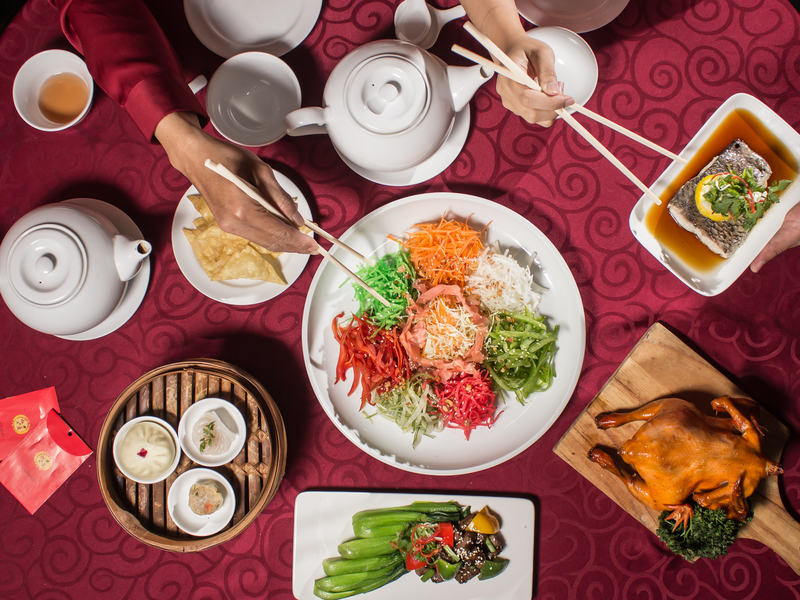
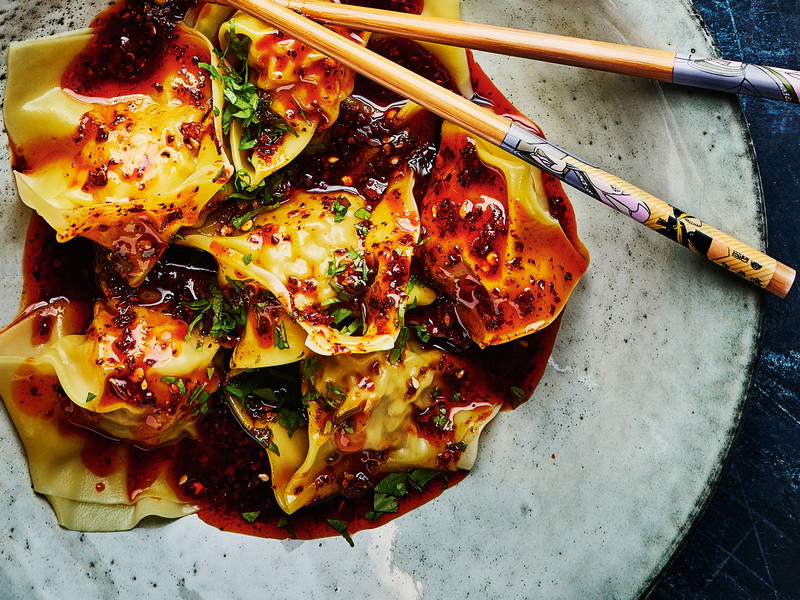
Few celebrations are as steeped in symbolism as Chinese New Year. Every dish carries meaning. Fish, whose Chinese name sounds like “abundance,” stands for wealth—and is intentionally not eaten completely, leaving leftovers to ensure plenty in the year ahead. Dumplings, folded like old silver ingots, represent prosperity; long noodles promise longevity; chicken signifies family unity; and oranges mean good luck and success. The result is a menu that marries flavor with tradition.
Don't overgallop
Unlike New Year celebrations in the West, Chinese households also practice restraint. Congee, a simple rice porridge, is considered poor man’s food and avoided to keep poverty at bay. Broken porcelain is an ill omen, garbage is not taken out, and even washing your hair is avoided—in Chinese, “hair” sounds like “wealth,” and shampooing could symbolically wash luck away.
But these superstitions carry a beautiful truth: Food is never just food. It conveys tradition, fosters community, and nourishes hope. This new year, may your table—and your year—be abundant and full of fortune.