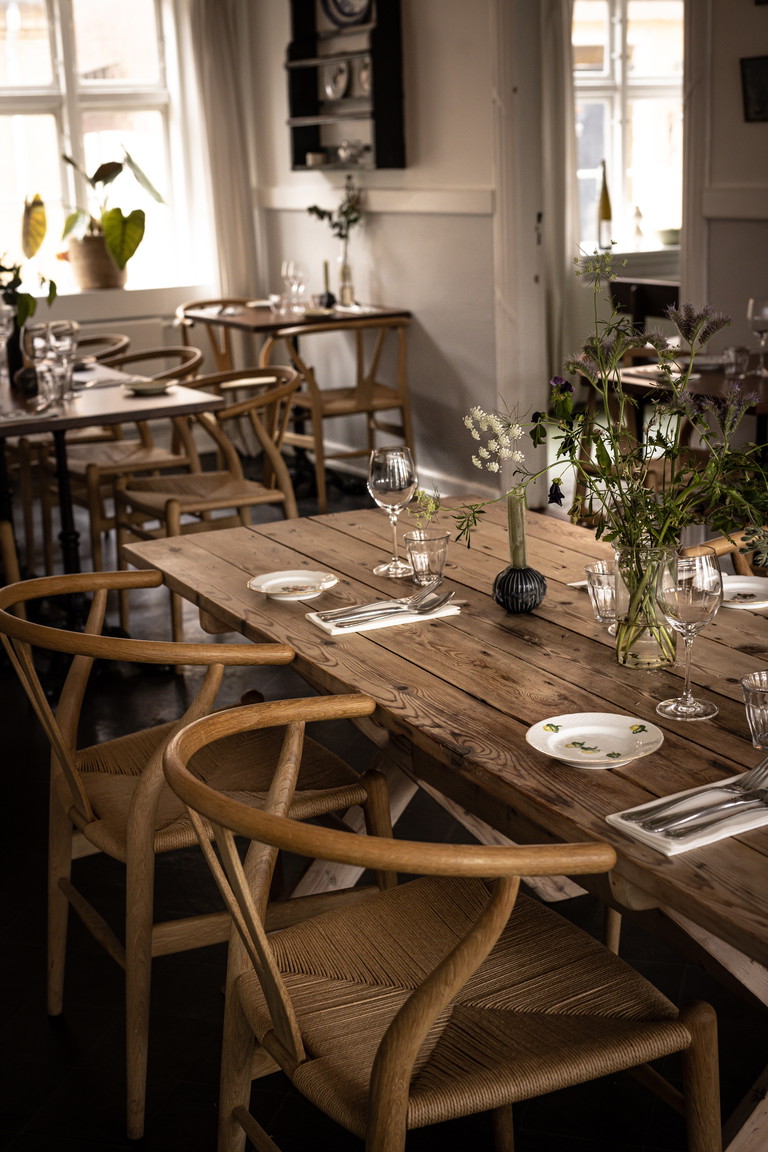
Arnfeldt: Taste as total art
The cobbled streets and sandy shores of the idyllic island of Ærø have given rise to an unexpected fine-dining gem: Run by Danish-French duo Ariel Calabrese and Manja Mikkelsen, Arnfeldt blends Parisian flair, Japanese precision and local island produce into a unique culinary experience.
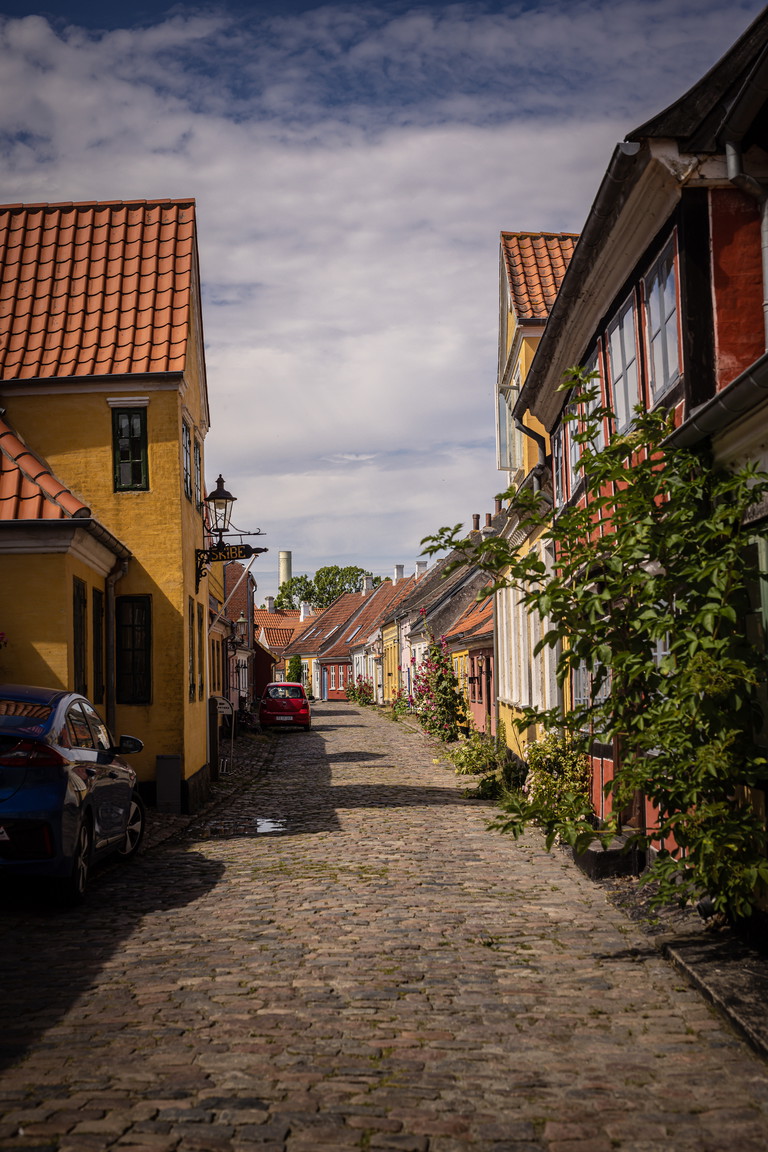
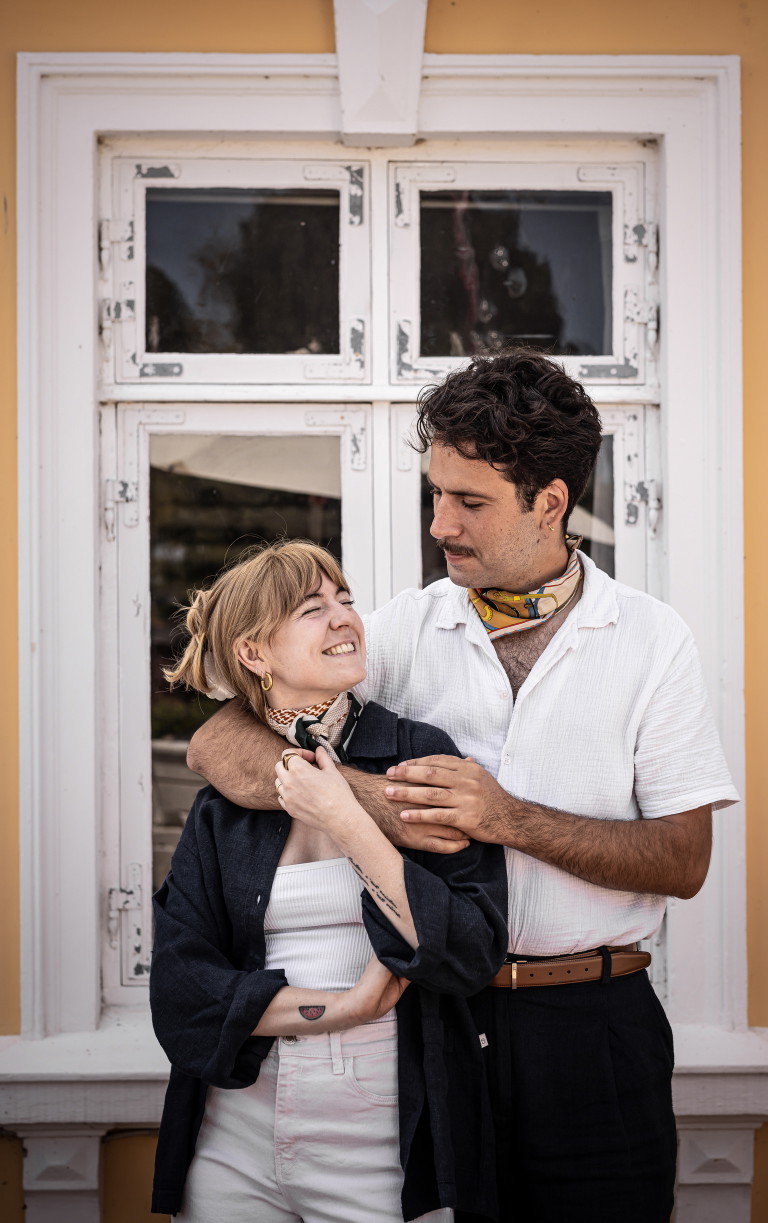
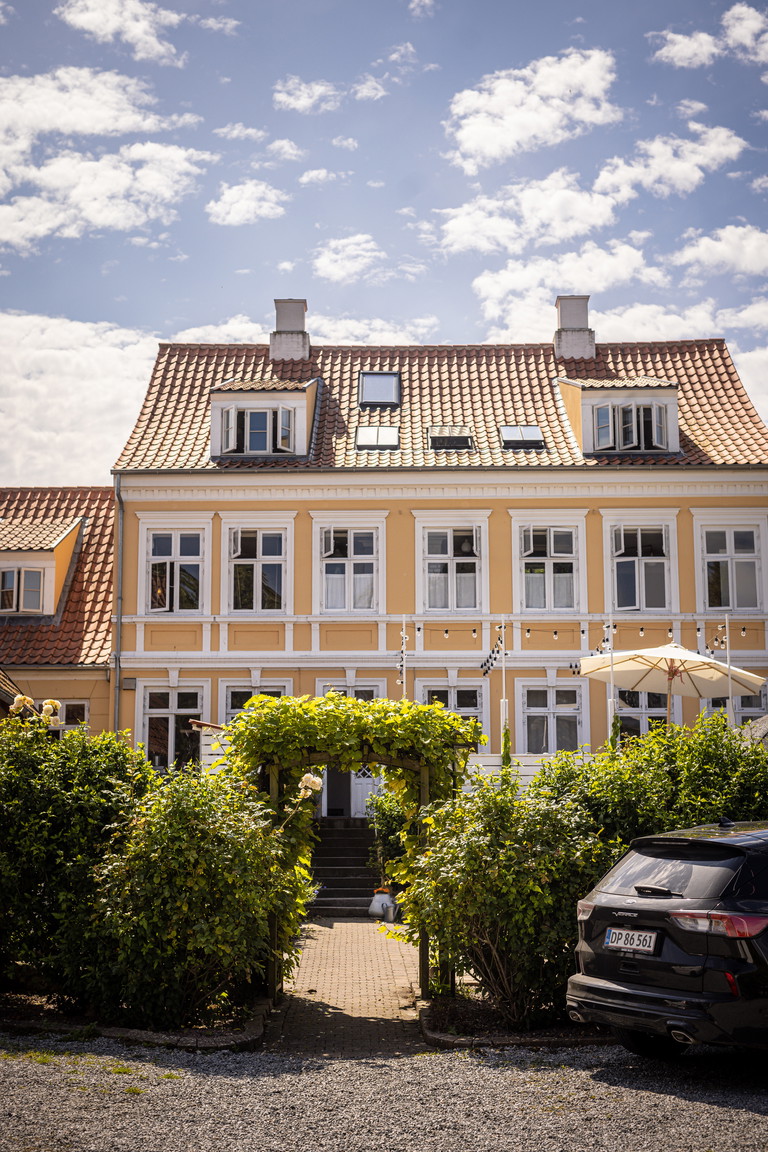
A postcard scenery of tiny, centuries-old, half-timbered houses in narrow cobbled streets, old lighthouses overlooking the wavs, sandy beaches, and a wealth of summerhouses: That’s Ærø, one of the 55 small islands making up the UNESCO-protected South Fyn Archipelago. Since 2022, the island's capital, Ærøskøbing,has been home to Arnfeldt, an intimate restaurant and hotel right by the harbor run by the Franco-Danish husband-and-wife team of Ariel Calabrese and Manja Mikkelsen.
Since he came to Paris at the age of 17, the 29-year-old self-taught chef Calabrese steadily worked his way up, from bussing tables in long, sweaty shifts at the ever-busy Chez Paul to learning the inner workings of a kitchen at neo-bistro Au Passage; honing his craft at L’Arpége to mastering Japanese ingredients and precision at Ken Kawasaki’s now-closed Michelin-starred restaurant. Calabrese’s plan was to become an architect, but he never finished his thesis on the all-encompassing Gesamtkunstwerk (total art) theory of composer Richard Wagner and architect Eugène Viollet-le-Duc. Instead, he says,he ended up realizing that a restaurant is the perfect location to develop total art.
“In architecture, rules and regulations ended that movement. But in a restaurant, you have an environment where you can design and control everything from start to finish.”
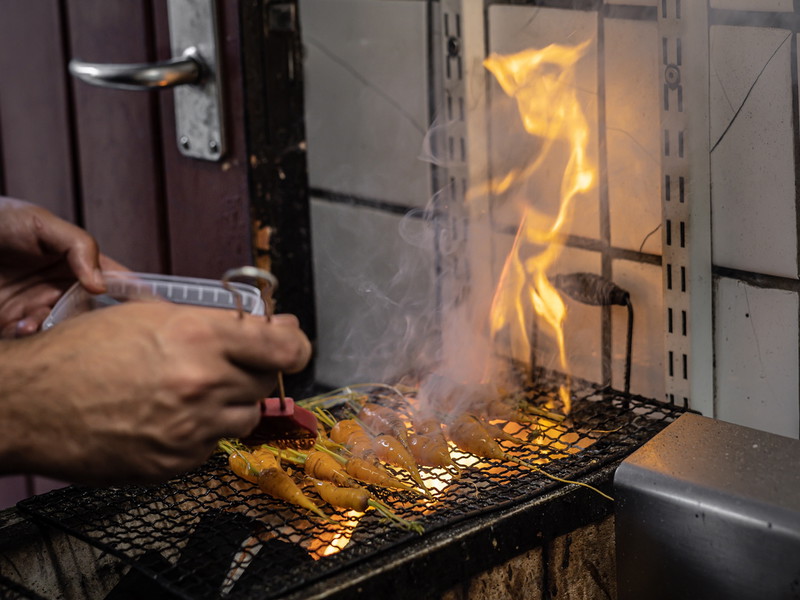
In Arnfeldt’s kitchen, Calabrese works as a one-man-army, while Mikkelsen runs the front. He relies on the few-ingredient, deceptively simple plated dishes from his neo-bistro heritage, Japanese flavors like tosazu and mirin, and, of course, a lot of locally sourced Ærø vegetables – and dashi, which he makes with seaweed foraged right outside.
“It would be silly not to,” says Calabrese, who serves the dashi with a raw Rømø oyster, flavoured with tosazu and covered in a foam of rice vinegar. Japanese influence is also evident in his signature dry-aged hiramasa (a Japanese mackerel farmed in Hanstholm), served in thick raw slices with a firm, but soft texture, elegantly lifted by flavorful ponzu, mild kimchi, pickled elderflower, and chives oil.
Arnfeldt has a partnership with a local supplier who provides the restaurant with organic vegetables. That means super-fresh produce, exemplified by a magnificent dish with paper-thin slivers of raw pineapple tomato, served with nothing but a bit of plum vinegar, some dill oil, and a dollop of GastroUnika caviar. No added salt – just the sweet tomato’s inherent umami blending gracefully with caviar.
“It’s my Alain Passard dish,” says Calabrese with a wink.

Arnfeldt maintains a culinary standard that you wouldn’t expect on a small vacation island. The same can be said about the wines, all handpicked by Calabrese who stocks his small cellar with hard-to-find natural vintages from the likes of Clos Rougeard, Domaine Dandelion, and Mark Angeli. It all conforms to the holistic principles of total art, where every element adds to function, form, and coherence. However, with a major difference, he says:
Serving people, that’s my passion. I love making people happy, and architecture doesn’t really have that.”
But what makes a French chef trade the grandeur of Paris for a small restaurant on a quaint Danish island? “Sheer coincidence,” says Calabrese. He met Mikkelsen at Au Passage during the crazy COVID era of 2021. Both needed a change after years in the city, so they moved to Denmark with nothing but the dream of opening a restaurant together. None of them had any connection with Ærø. As luck would have it, they met their investor and patron, a German businessman, at the showing of the property. He wanted the real estate, and they wanted a restaurant – and so, Arnfeldt came to be.
“He fell in love with our project, and it was so crazy lucky I still can’t believe it,” gushes Calabrese.
However, during the first winter, the couple found out the hard way that running an ambitious restaurant on Ærø is a seasonal affair. “On Ærø, the locals don’t really go out to eat, so that kind of ends the game.” But instead of giving up, they opened an outpost in Copenhagen’s Østerbro neighbourhood during winter. Come October, the Ærø restaurant closes, and the Copenhagen branch takes over until the summer season restarts in May.
For the couple, it’s the perfect solution. Although running a restaurant far from the city is challenging, they have no plans of giving up on Ærø, says Calabrese. “I see myself cooking here for many years to come.”