Copenhagen’s taste for change: non-alcoholic options are on the rise
When the Romans said “nemo saltat sobrius” (no one dances sober), little did they know that, in the 2020s, many people would not only choose to stay dry but actively seek out well-crafted, non-alcoholic drinks. As the world drinks less, Søren Kirketerp’s NOLO Collective is putting premium non-alcoholic options on the map. His latest coup? Bringing France’s trailblazing Moderato wines to the Nordics — proving that flavor and finesse don’t need alcohol.
Alcohol consumption is in decline worldwide – a shift many producers have had to face as younger generations drink less, common medications such as Ozempic dampens cravings, and “flexidrinkers”, those who alternate between alcoholic and alcohol-free beverages, reshape the drinks market.
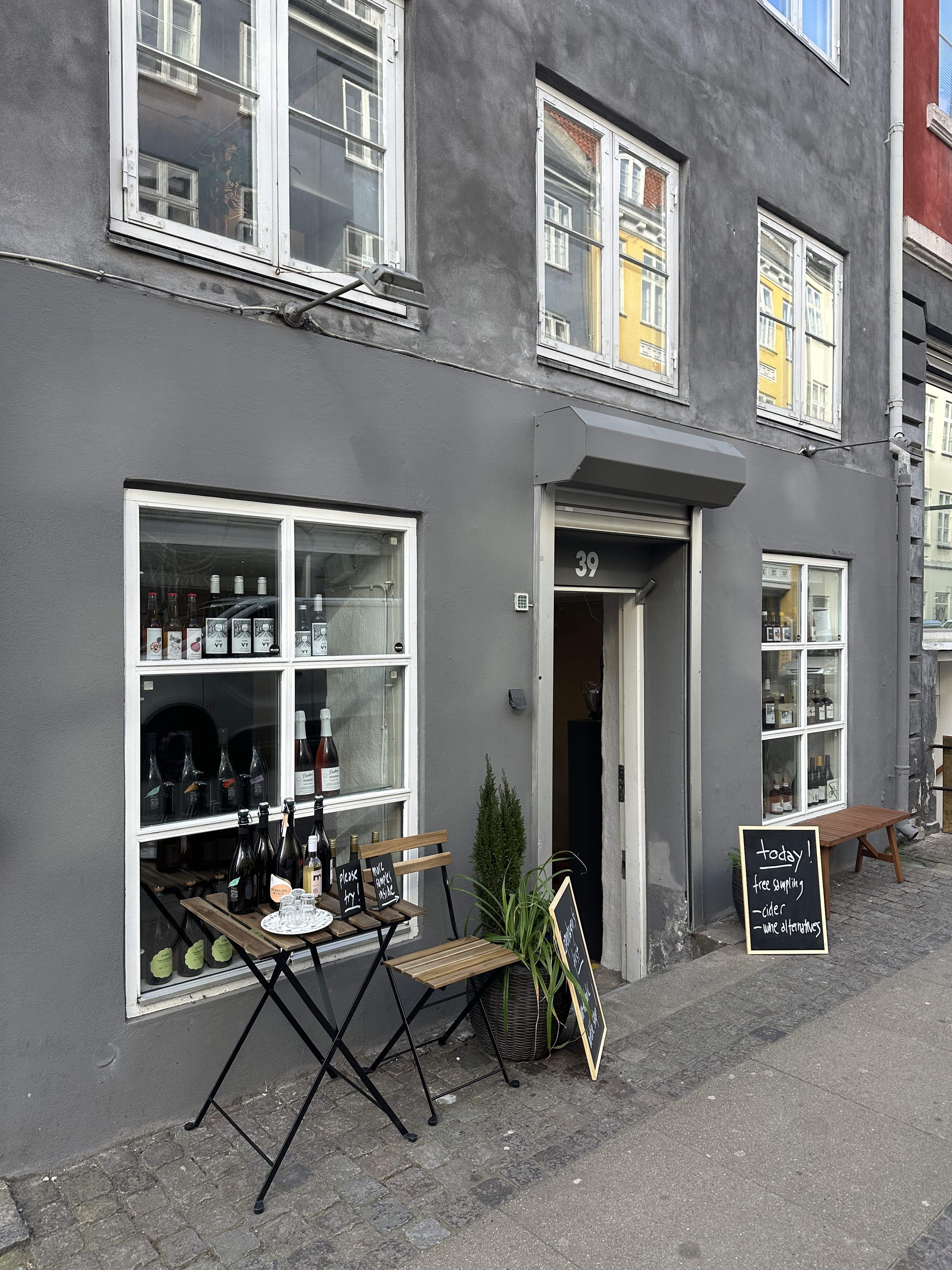
Drinks for Everyone 2025, a recent study by UK social impact business Club Soda, found that non-alcoholic drinks have moved from niche to mainstream and can now be found almost everywhere. In Copenhagen — one of the world’s most exciting gastronomic capitals — the demand for high-quality non-alcoholic options has given rise to NOLO Collective, founded by Søren Kirketerp and partners. They specialize in retail and consultancy, pairing exceptional non-alcoholic products with fine gastronomy.
No booze, no problem
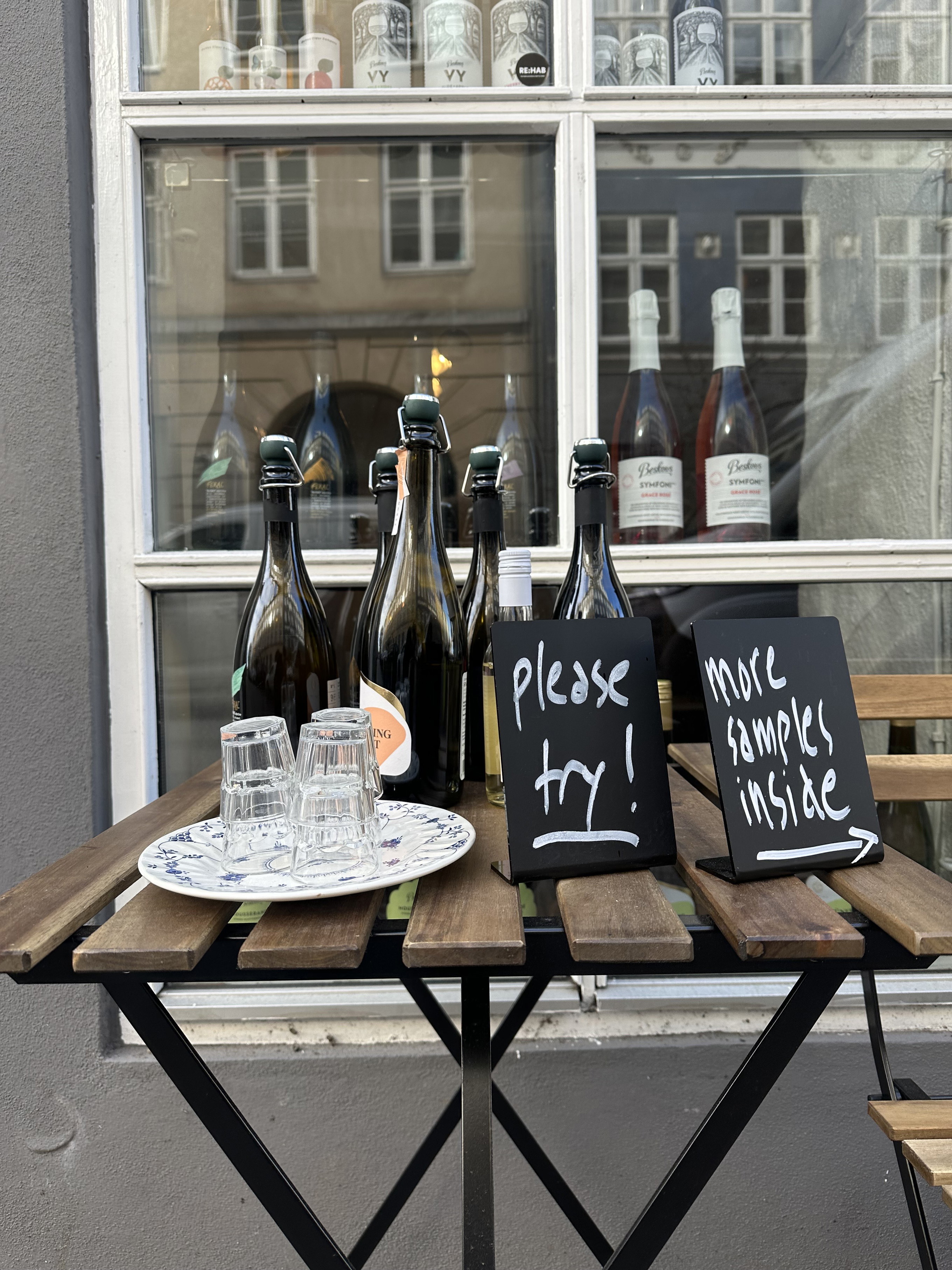
"There is no doubt that both supply and demand will continue to grow", Søren says. "Just look at Sweden, so many producers have appeared in recent years: Franka, Beskows, Kado, Golden Cider, among others". The challenge is getting restaurants to offer a decent selection, and for owners to realize it’s good business to sell a glass of non-alcoholic wine for 95 SEK instead of a soft drink for 45 SEK. Staff training is key. But there are trailblazers. Hoze in Gothenburg — which just received a Michelin star — has never had alcohol on the menu and is probably the only Michelin-starred restaurant in the world that is 100% alcohol-free. On the retail side, Sweden still lags behind Denmark. A large ICA store might have just one shelf of non-alcoholic alternatives, while a decent-sized Meny in Denmark has six to eight. Both Meny and Føtex/Bilka in Denmark recently reported a 20% sales increase in alcohol-free products from 2024 to 2025.
The Winemaker’s Dilemma
One of the Club Soda study’s findings was that wine lovers often struggle to find de-alcoholized wines worth drinking. As one participant put it: ”If there was a non-alcoholic wine that was a version of one I would have drunk as an alcoholic wine, I would definitely try it.” The challenge lies in the fact that alcohol carries aromas and flavors. Recreating complexity without it is no small feat, but that didn’t deter wine-loving friends Sébastien Thomas and Fabien Marchand-Cassagne. In 2020, they set out to make wines that could be enjoyed with any meal, any time – and with none of the downsides of alcohol.
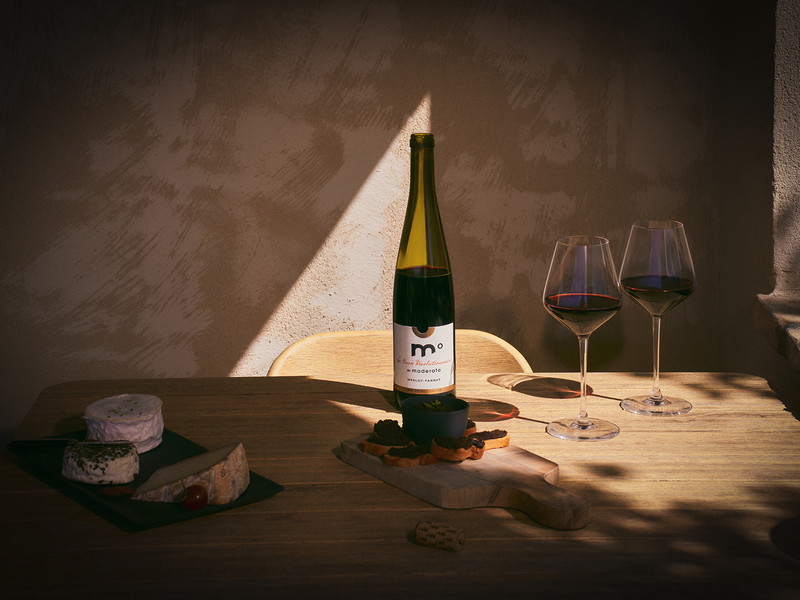
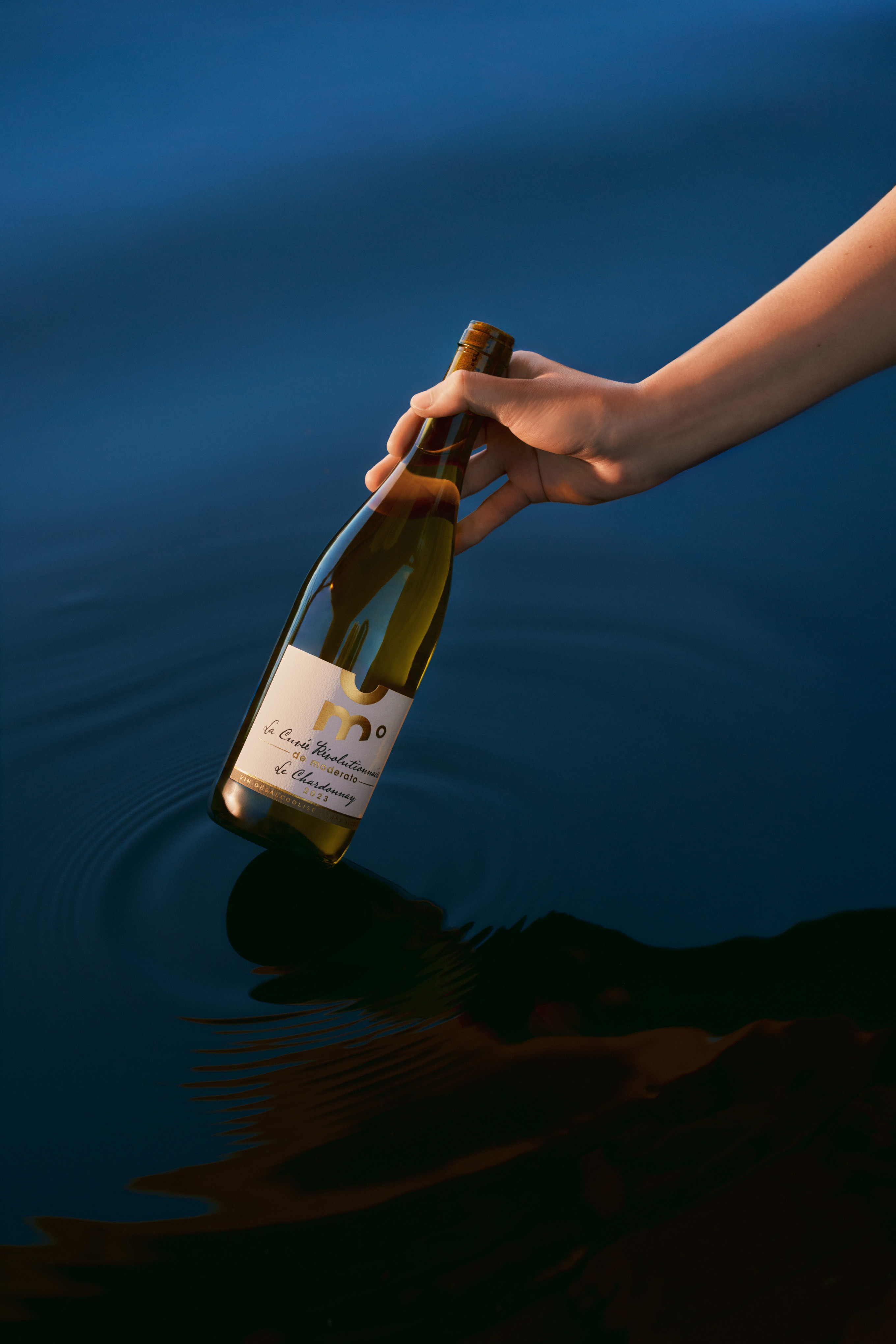
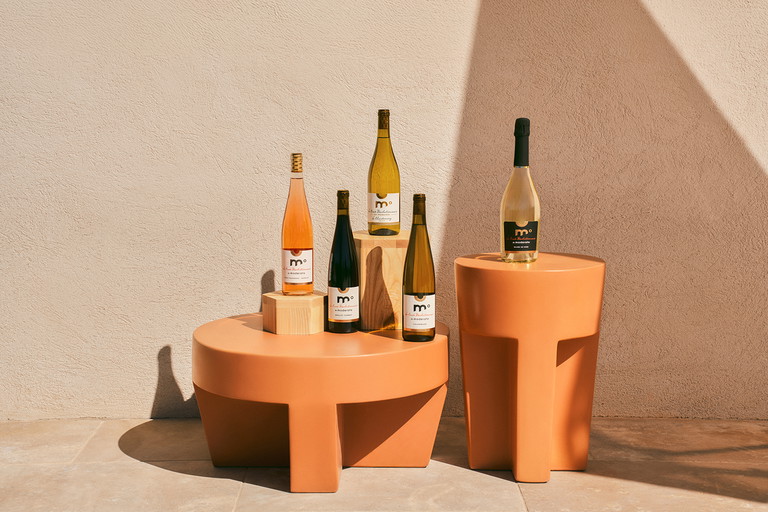
Five years later, Moderato offers a portfolio of five de-alcoholised wines ranging from sparkling, rosé, white, and red. They have also partnered with the Vivadour Cooperative Group to establish Le Chai Sobre, France’s first center of excellence for wine de-alcoholisation. They have also found their way to the Nordics through NOLO Collective and Søren Kirketerp, an enthusiastic early adopter. "Alcohol-free wine has had a poor reputation for years, and most of the wines I’d tried were made from low-quality grape juice", Kirketerp recalls. "I met the founders of Moderato a few years ago, when they were making low-alcohol wines, great quality but still with alcohol. When they told me they were working on a completely non-alcoholic version, I was intrigued. We stayed in touch until the launch – and what a product it was! At that time, I hadn’t tasted anything that matched its quality. The simple answer is: the quality is top-notch.
Vision of the Vineyard
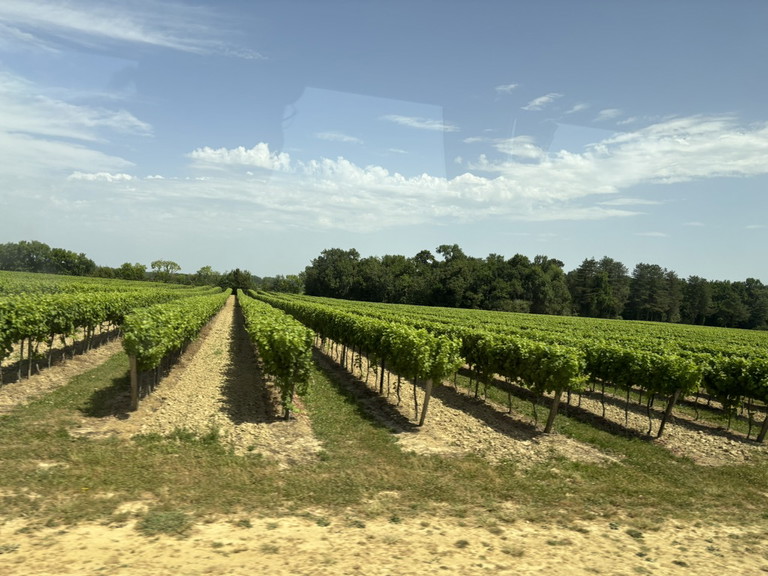
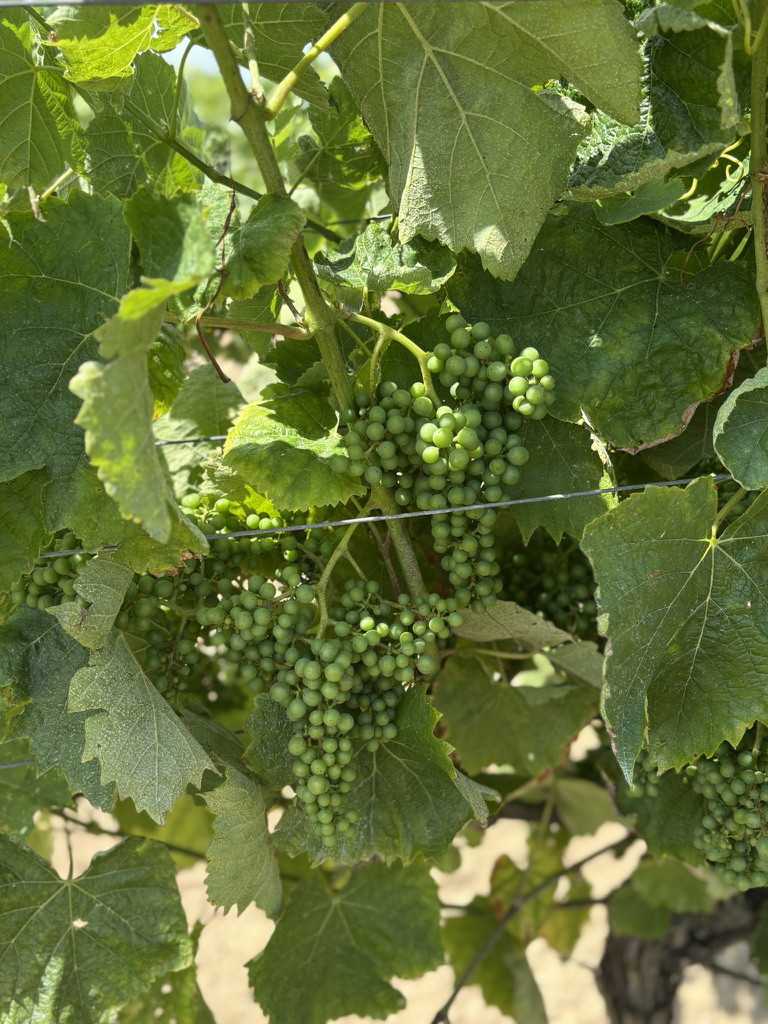
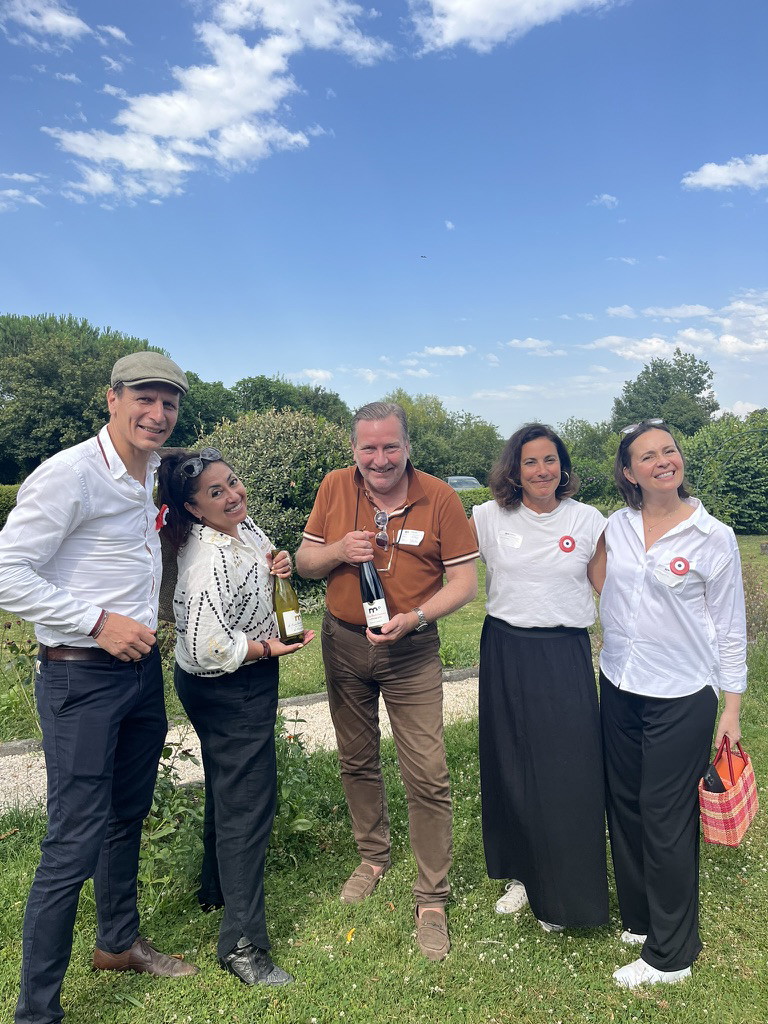
I joined Sébastien, Fabien, and the Moderato and Vivadour teams on a scorching summer day among the vineyards of Castelnau-d’Auzan-Labarrère to taste their range and see Le Chai Sobre in action. With the thermometer pushing 33°C, I found myself returning to the Revolutionary Cuvée Merlot & Gros Manseng Rosé – dry, fruity, and refreshingly crisp.
Having tried many non-alcoholic wines over the years, from cloyingly sweet to painfully unbalanced, this was something entirely different.
As oenologist Frédéric Brouchet explained, the key to Moderato’s success begins in the vineyard, exactly as it does with any high-quality wine. ”We wanted to preserve the wine’s identity, even without alcohol. Not all grapes work — Gros Manseng and Colombard have given the best results.” Traditionally used for Armagnac and table wines, these varieties — alongside Sauvignon Blanc, Bacchus, and Arinarnoa — are now central to crafting high-quality non-alcoholic wines.
The winemaking process mirrors that of traditional wines, but with a heightened focus on preserving aroma and acidity. The grapes are mechanically harvested at night before fully ripe, then sorted and pressed. Instead of vinifying plot by plot, they’re grouped by flavor profile. After fermentation, the wine undergoes low-temperature vacuum distillation, adapted from non-alcoholic beer production in a facility capable of processing 100,000 hectolitres annually. This method removes alcohol gently, retaining the wine’s aroma and character. Sébastien and Fabien experimented with many techniques before settling on this one, as it best aligned with their vision. The result: crisp, dry, fruity wines that stand proudly on any table — and even impress seasoned wine drinkers.

Bubbles for every occation
Naming one favorite wine, Søren hesistates at first: "That’s a tough one! It depends on the occasion and whether it’s for a relaxed glass on the terrace or pairing with food. They’re all good, but I’d say the Moderato Sparkling White Cuvée Originale works for every occasion. You can never have too many bubbles".
Today, Moderato is shipped to eight distributors worldwide — and that number is sure to grow. The brand has proven that with exceptional grapes, skilled craftsmanship, and the right technology, it is entirely possible to create wines that let you dance, dine, and live fully, with all the flavor and none of the potential adverse consequences.