Skip to content
© Provided

Beyond the Restaurant: A Journey Through the Baltic Markets

Lithuania
Estonia
Street Food
tradition

Beyond museums and landmarks, food markets offer a different perspective on a city. In Vilnius, Riga, and Tallinn, these bustling spaces bring together local producers, cooks, and visitors, creating some of the most authentic food experiences in the Baltics.

To understand a destination through its food, one should not begin at a Michelin-starred restaurant or a fashionable cocktail bar. The real story often starts much earlier — among farmers unloading crates of vegetables at dawn, fishmongers arranging their daily catch, bakers pulling loaves from the oven, and locals discussing what to cook for dinner.

Across the Baltic States, a new generation of food markets is redefining how travellers experience cities. No longer simply places to buy groceries, these markets have evolved into cultural meeting points where heritage, craftsmanship, gastronomy and everyday life intersect. They are where visitors can taste the region’s culinary identity in its most authentic form.

For anyone planning a gastronomic journey through the Baltics, three markets stand out as essential stops: Āgenskalns Market in Riga, Halės Market in Vilnius and Balti Jaam Market in Tallinn.

Riga's Architectural Treasure

A visit to Riga often begins in the medieval Old Town, but some of the city's most exciting culinary discoveries await across the Daugava River in the historic neighbourhood of Āgenskalns.

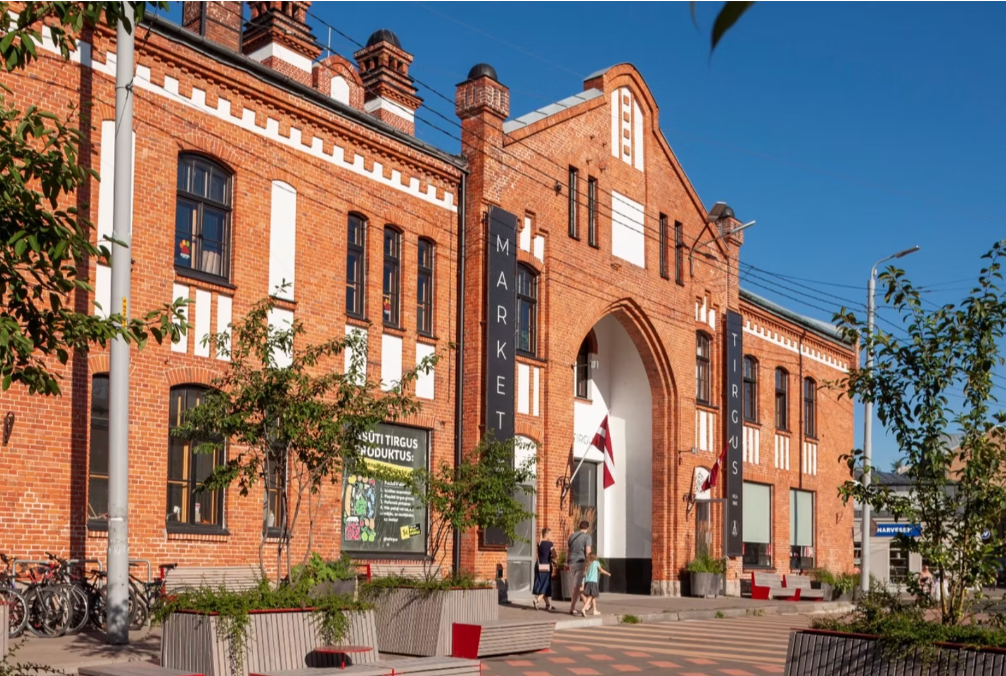
First opened in 1898, Āgenskalns Market has served generations of Riga residents. Following an extensive restoration completed in 2022, the market has re-emerged as one of the city's most vibrant food destinations while carefully preserving its historical character.

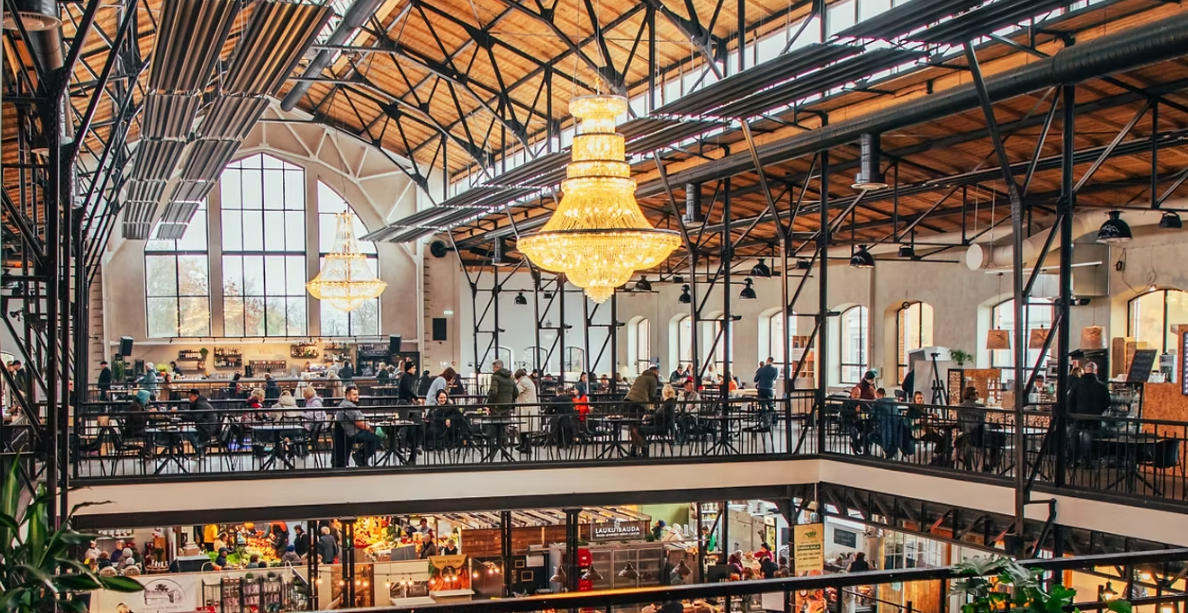
The building itself is worth the visit. The restored brick pavilion, elegant metal structures and lofty galleries create an atmosphere that feels both grand and welcoming. Unlike many modern food halls that imitate history, Āgenskalns possesses something far more valuable — authenticity.

Inside, traditional market culture thrives alongside contemporary food concepts. Local farmers sell seasonal produce, artisan bakers display freshly baked bread, and small-scale producers offer everything from dairy products to smoked fish. The emphasis remains firmly on quality, locality and craftsmanship.

Yet Āgenskalns is more than a market. The second floor has evolved into a lively social space where visitors can enjoy coffee, street food and casual meals while overlooking the bustle below. Community kitchens, educational programmes and cultural events ensure that the market remains deeply connected to neighbourhood life.

What makes Āgenskalns particularly appealing for travellers is the opportunity to experience Riga beyond its tourist centre. Here, food becomes a window into everyday Latvian life — unfiltered, genuine and delicious.

The Beating Heart of Vilnius

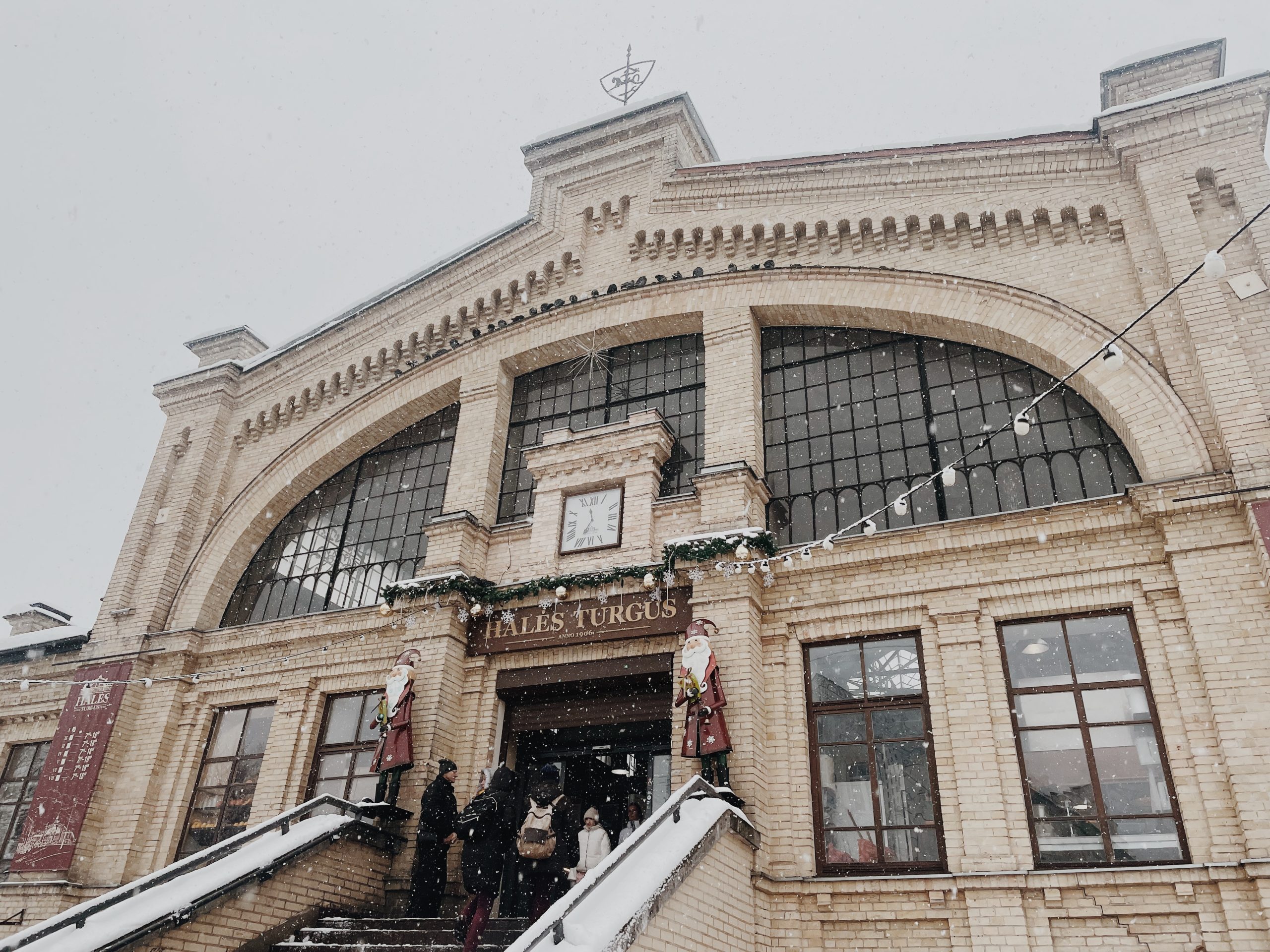
If markets are mirrors of a city, then Halės Market reflects the soul of Vilnius.

Located just beyond the Gates of Dawn, the city's oldest marketplace has long been one of its most beloved gathering places. Walking through Halės Market is a sensory experience where aromas, voices and colours blend into a lively urban symphony.

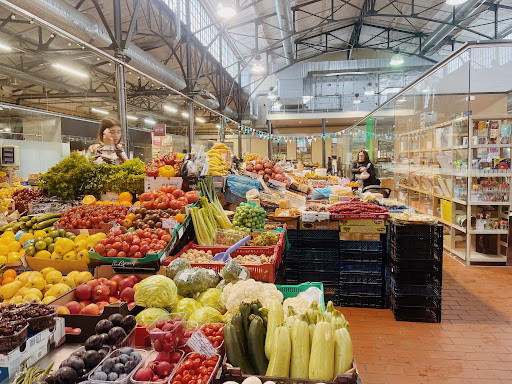
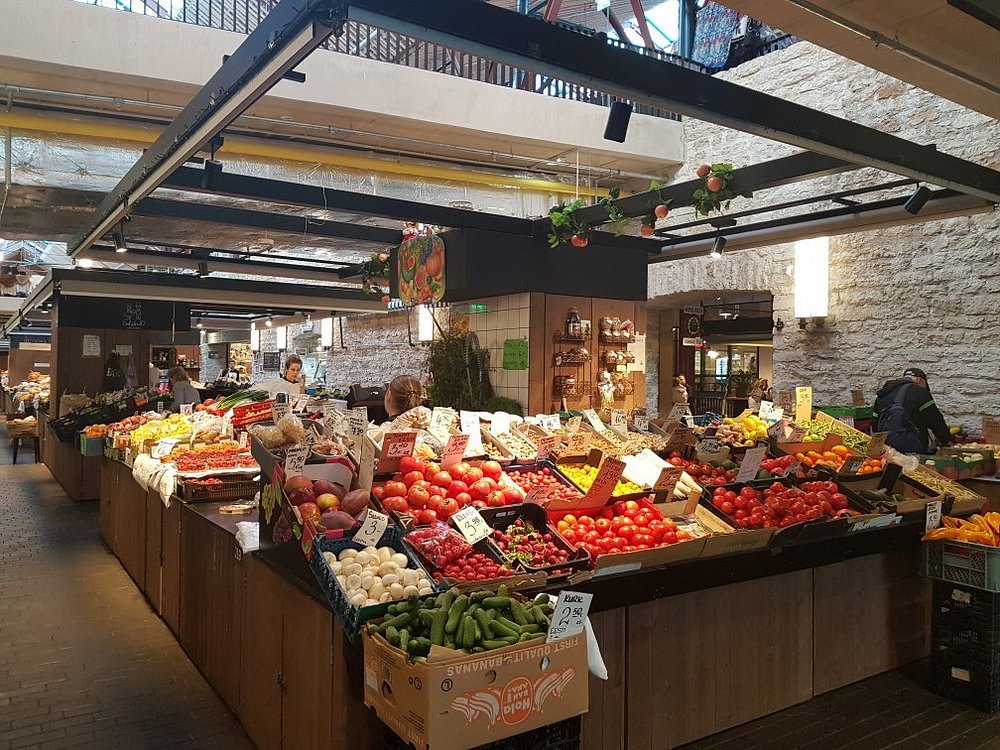
In the morning, shoppers arrive for fresh vegetables, seasonal berries, artisanal cheeses, freshly baked bread and carefully prepared meats and fish. Many of the products come directly from Lithuanian farms, creating a strong connection between the city and countryside.

Yet Halės Market has also become one of Vilnius' most dynamic gastronomic hubs. The market successfully balances traditional commerce with a modern food culture that attracts both locals and visitors. Contemporary eateries stand alongside traditional vendors, creating a diverse culinary landscape where one can sample everything from local delicacies to international flavours.

As evening approaches, the atmosphere transforms. Restaurants, cafés and bars begin to fill, and the market takes on a new energy. What was once a place of commerce becomes a social destination where food, drinks and conversation continue long after the day's shopping has ended.

In many ways, Halės Market captures what makes Vilnius so appealing today: a city that embraces innovation while remaining deeply connected to its traditions.

Tallinn's Modern Marketplace

Tallinn's Balti Jaam Market represents another chapter in the evolution of Baltic food culture.

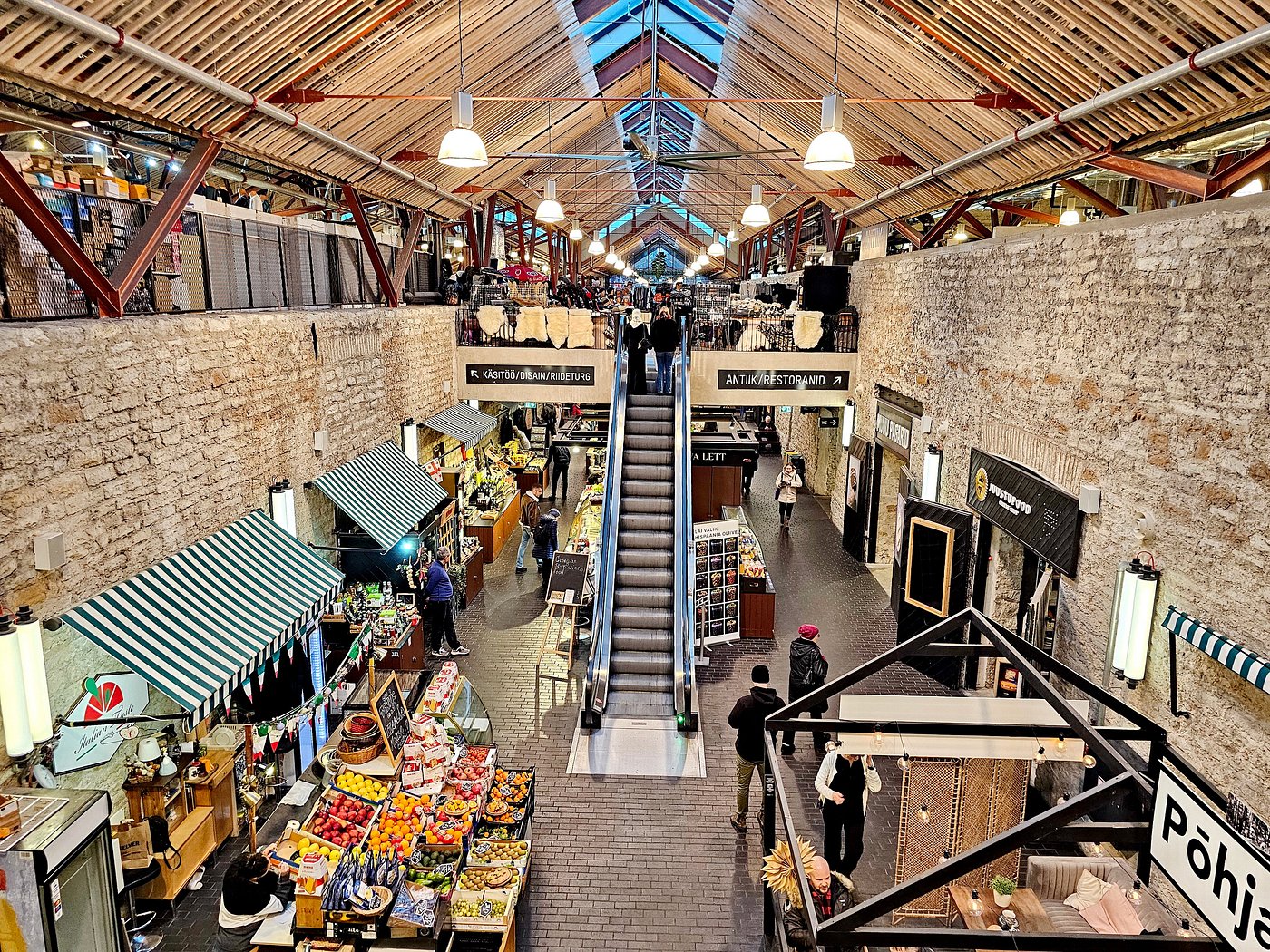
Situated next to the city's historic railway station, the market is a sprawling multi-level destination that brings together nearly 300 traders under one roof. It reflects contemporary Estonia — confident, creative and remarkably open to new ideas.

The ground floor forms the gastronomic core, where visitors encounter fish counters, butcher stalls, fresh produce vendors and one of Tallinn's most popular street food destinations. The atmosphere is energetic yet approachable, attracting office workers, families, students and travellers alike.

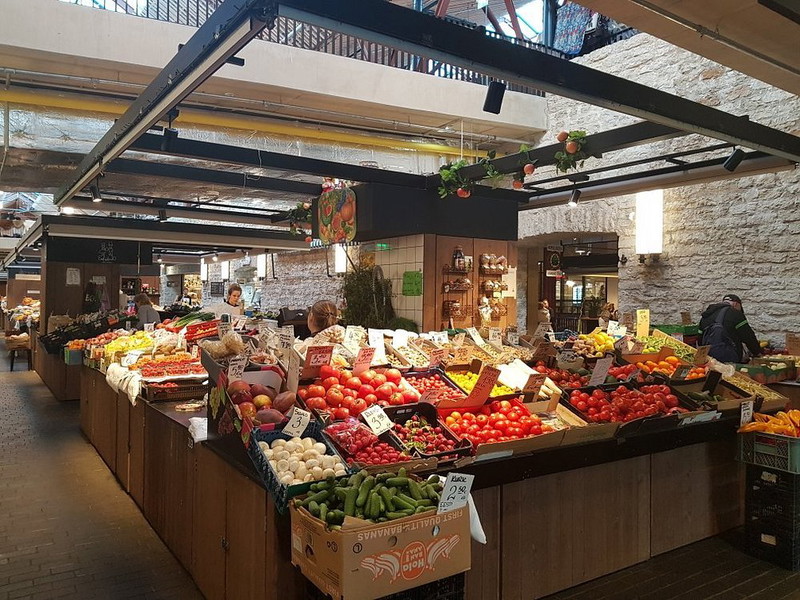
What distinguishes Balti Jaam is its diversity. Traditional Estonian ingredients coexist comfortably alongside global street food concepts, contemporary cafés and specialty food vendors. The result is a market that feels international while remaining unmistakably local.

Upstairs, visitors discover Estonian design, crafts, antiques and lifestyle products, further reinforcing the market's role as a cultural destination rather than simply a food hall.

Balti Jaam's success reflects a broader movement within Baltic gastronomy. Consumers increasingly seek transparency, quality ingredients and direct connections to producers. Markets have become ideal spaces for these encounters, allowing visitors to engage with food in a more meaningful way than a restaurant alone can provide.

A Different Way to Travel

The renewed popularity of markets across the Baltic States mirrors a larger shift in how people travel. Increasingly, visitors seek experiences that feel authentic and rooted in place. They want to understand local culture not only through monuments and museums, but through everyday rituals.

Markets offer exactly that.

They reveal what people eat, what they value, what grows in the region and how culinary traditions continue to evolve. They are places where heritage meets innovation, where generations interact and where food remains closely tied to community.

For travellers exploring Latvia, Lithuania and Estonia, these markets provide something no guidebook can fully capture: the rhythm of daily life. 

Ugnė Vedeikaitė
Author
Find out more
1 / 12