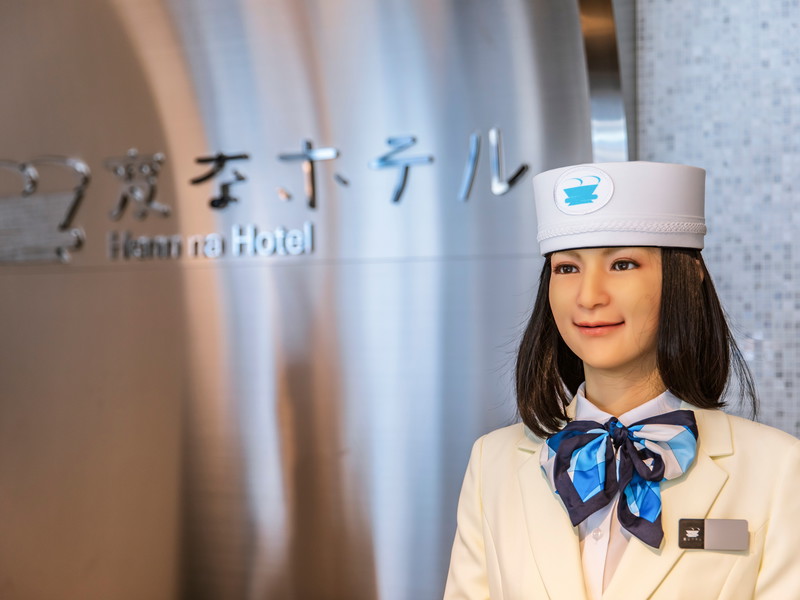
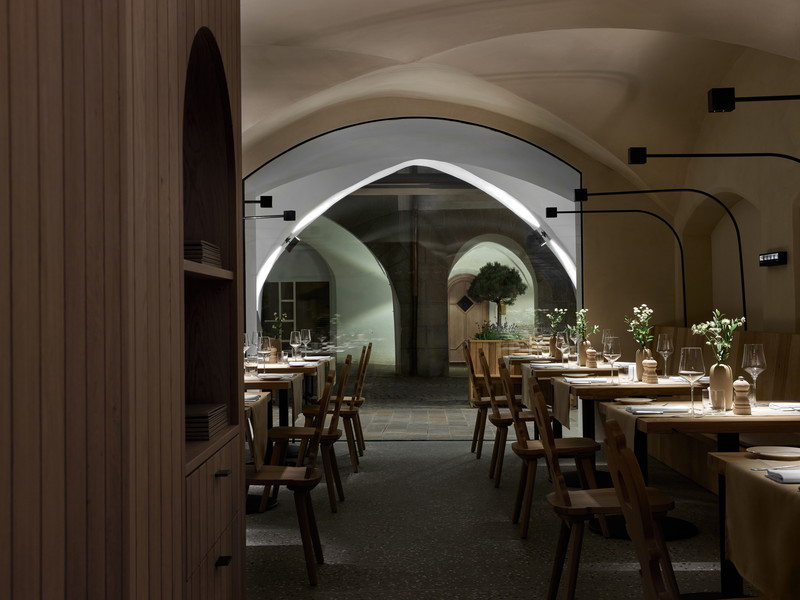
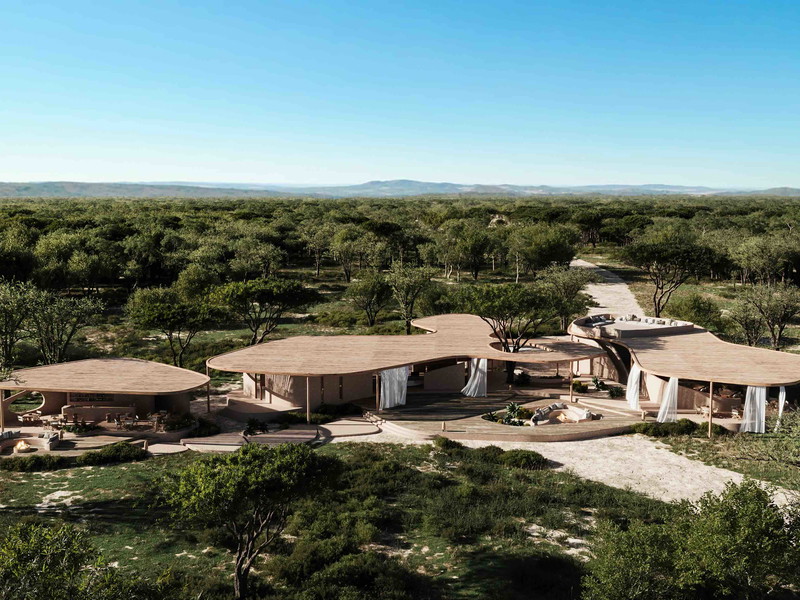
In 2027, China is set to launch an experiment that could redefine the boundaries of hospitality – or shatter them entirely: a hotel in which not a single human being works. No check-in desk, no receptionists, no kitchen staff, no housekeeping employees. Only machines, developed by Shenzhen-based company "Pudu Robotics". This was recently reported by, among others, Business Punk.
The fully robot-operated hotel is part of one of the country’s ambitious infrastructure megaprojects: the "Shenzhen–Zhongshan Link", designed to improve regional connectivity and drastically reduce travel times. The hotel is to be built on an artificial island in the middle of the Pearl River Delta, the so-called "West Artificial Island".
Radical Concept Without Humans
The hotel’s entire service chain is to be automated: reception robots will handle greetings and check-ins, autonomous systems will provide room service, and cleaning robots will move independently through the corridors to keep everything in order. Even the kitchen will be operated entirely by machines. What has traditionally functioned as behind-the-scenes assistance in the hotel industry becomes, in this case, the sole operating principle – implemented consistently down to the very last detail.
For "Pudu Robotics", the project is therefore less a hotel than a test laboratory: a real-world stress test for the next evolutionary stage of the AI-driven service economy. The underlying platform, "PuduFM 1.0", combined with the "PuduAgent" system, is designed to orchestrate a fully networked "Embodied AI" ecosystem in which artificial intelligence perceives, decides, and acts entirely without human intervention.
Already Existing Robot Hotels
China has already tested such concepts in preliminary forms. At the "Shangri-La Hongqiao Airport Hotel", humanoid robots already handle parts of reception and logistics, and the former "FlyZoo Alibaba Future Hotel" served as a real-life test of a largely automated property, complete with app-based check-in and robot-assisted delivery services. Yet every one of these experiments has so far remained fragmented, never operating entirely without human staff.
Can AI Hospitality Work?
At first glance, the technological vision appears clear and meticulously organised: central AI models control all operations, robots respond to their surroundings in real time, and service processes seemingly merge seamlessly within a digital system. In practice, however, friction quickly becomes apparent.
Speech recognition does not reliably understand accents or context, autonomous navigation struggles with unexpected situations, and many service requests do not fit into standardised procedures. Even simple cases such as a food allergy, a lost key, or a last-minute rebooking demonstrate just how much hospitality depends on unpredictability – and how difficult these very factors are to automate completely.