Skip to content
© Verseckaite

From Fermentation to Human Connection: Lessons from the Baltic Gastro Summit

Lithuania
Baltics
Gourmet
Innovation

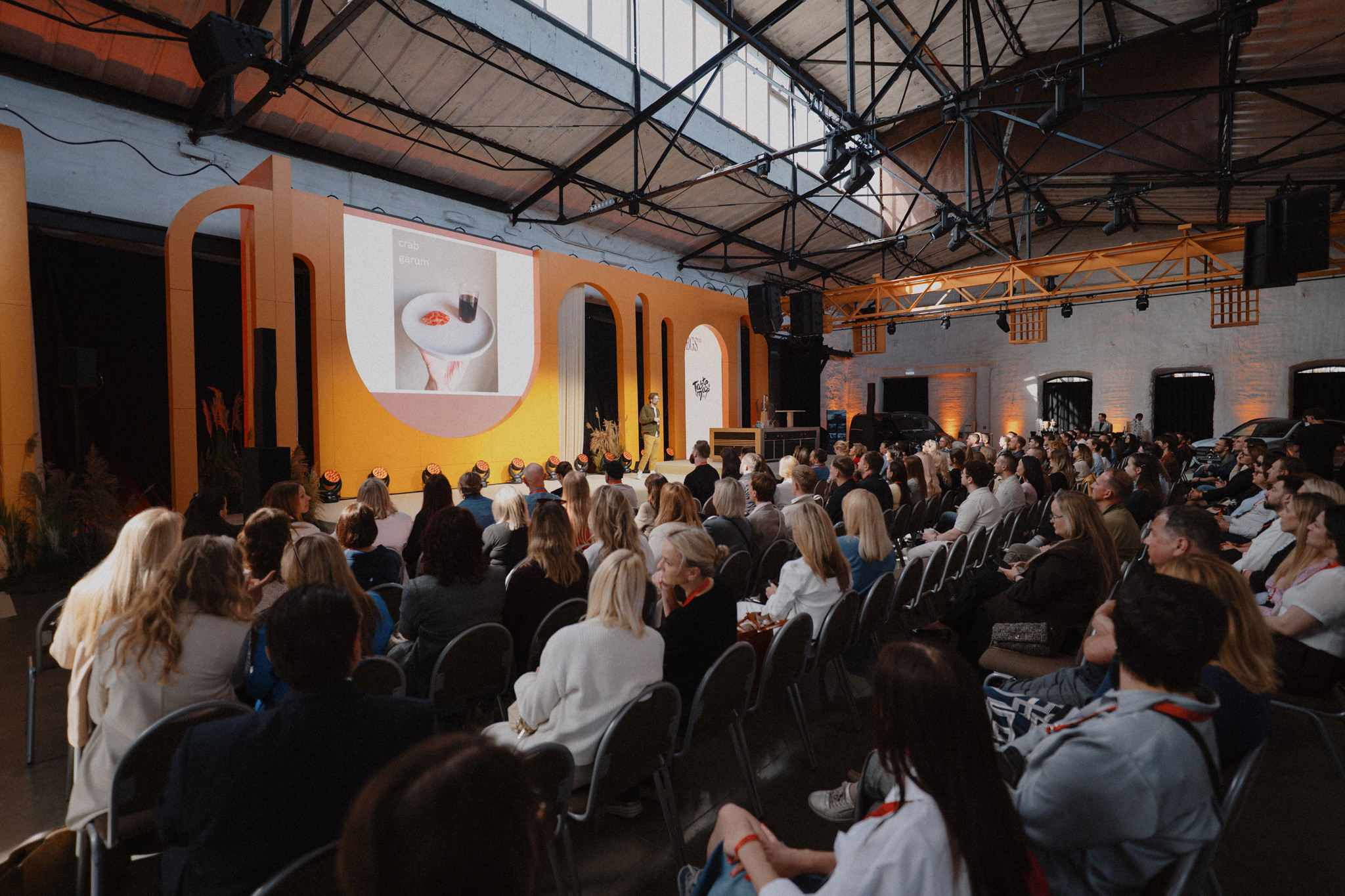
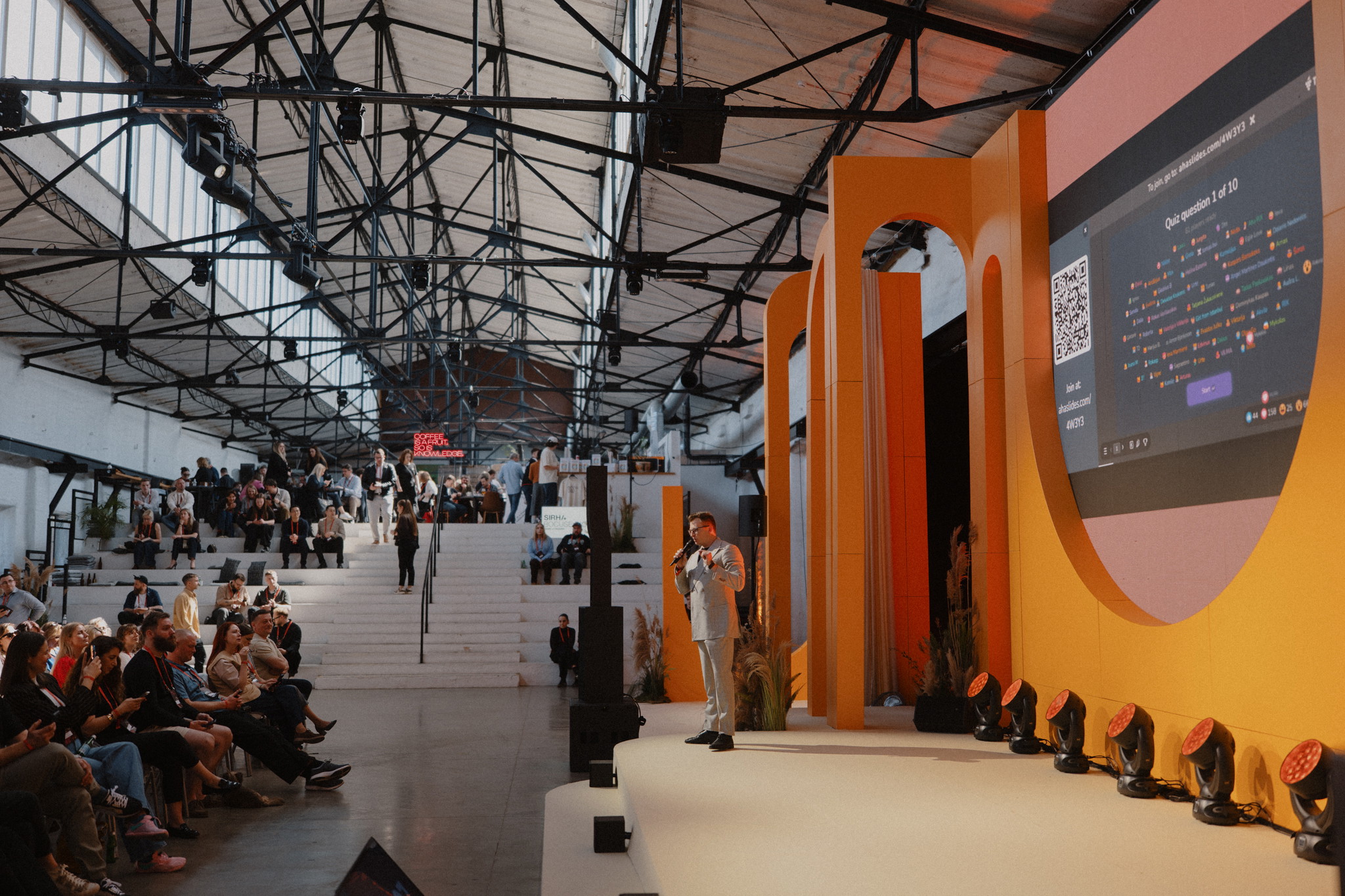
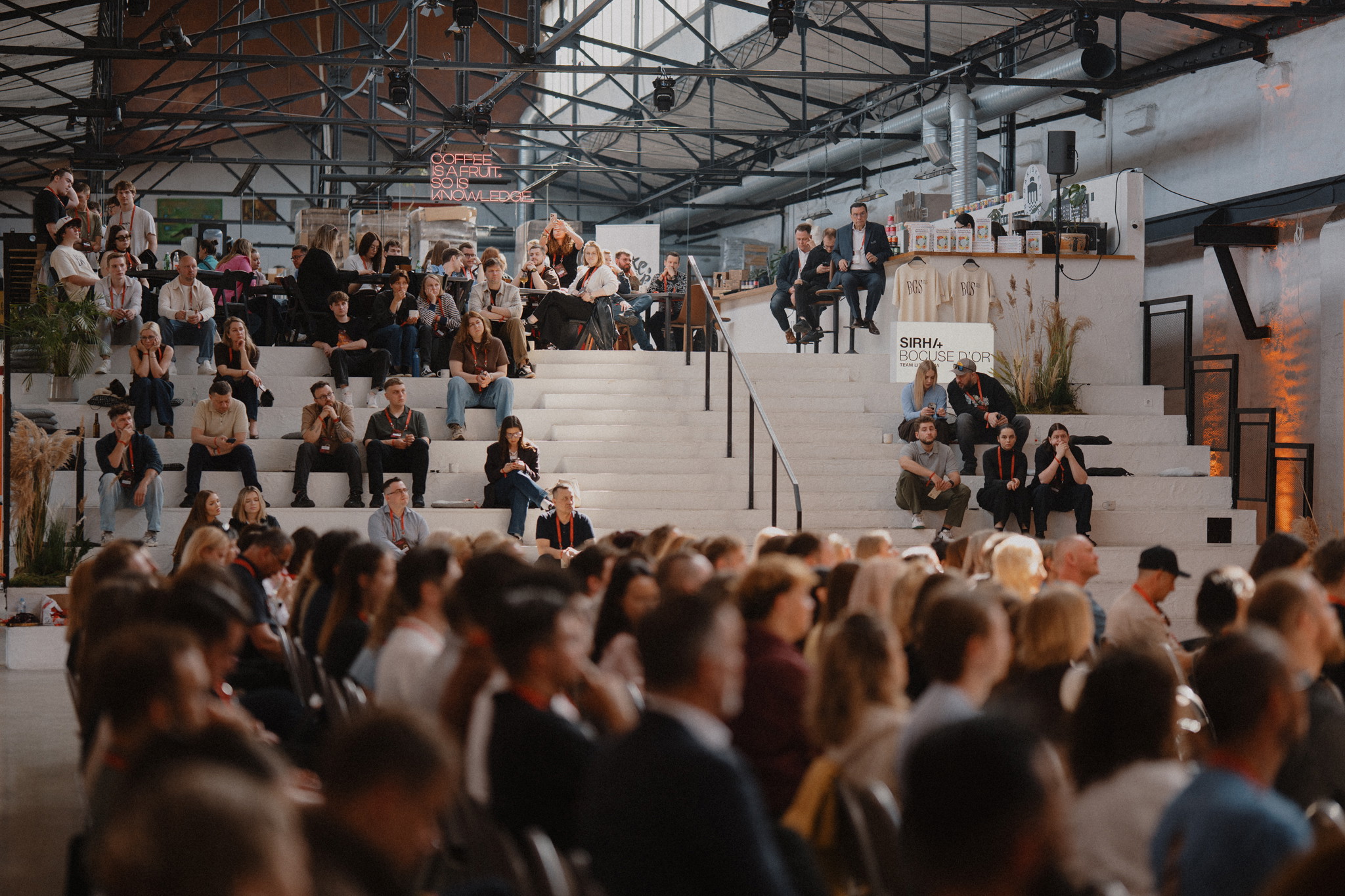
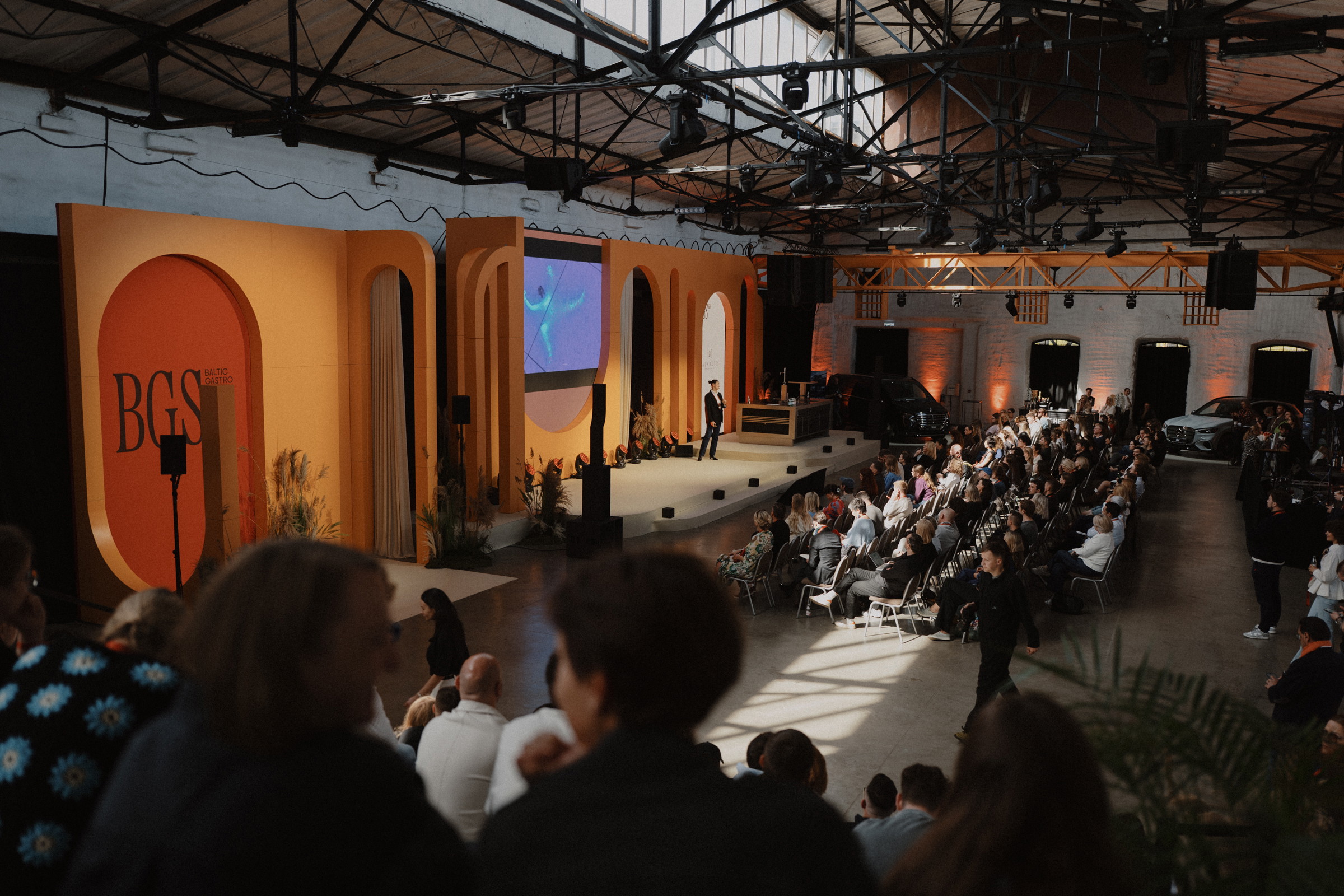
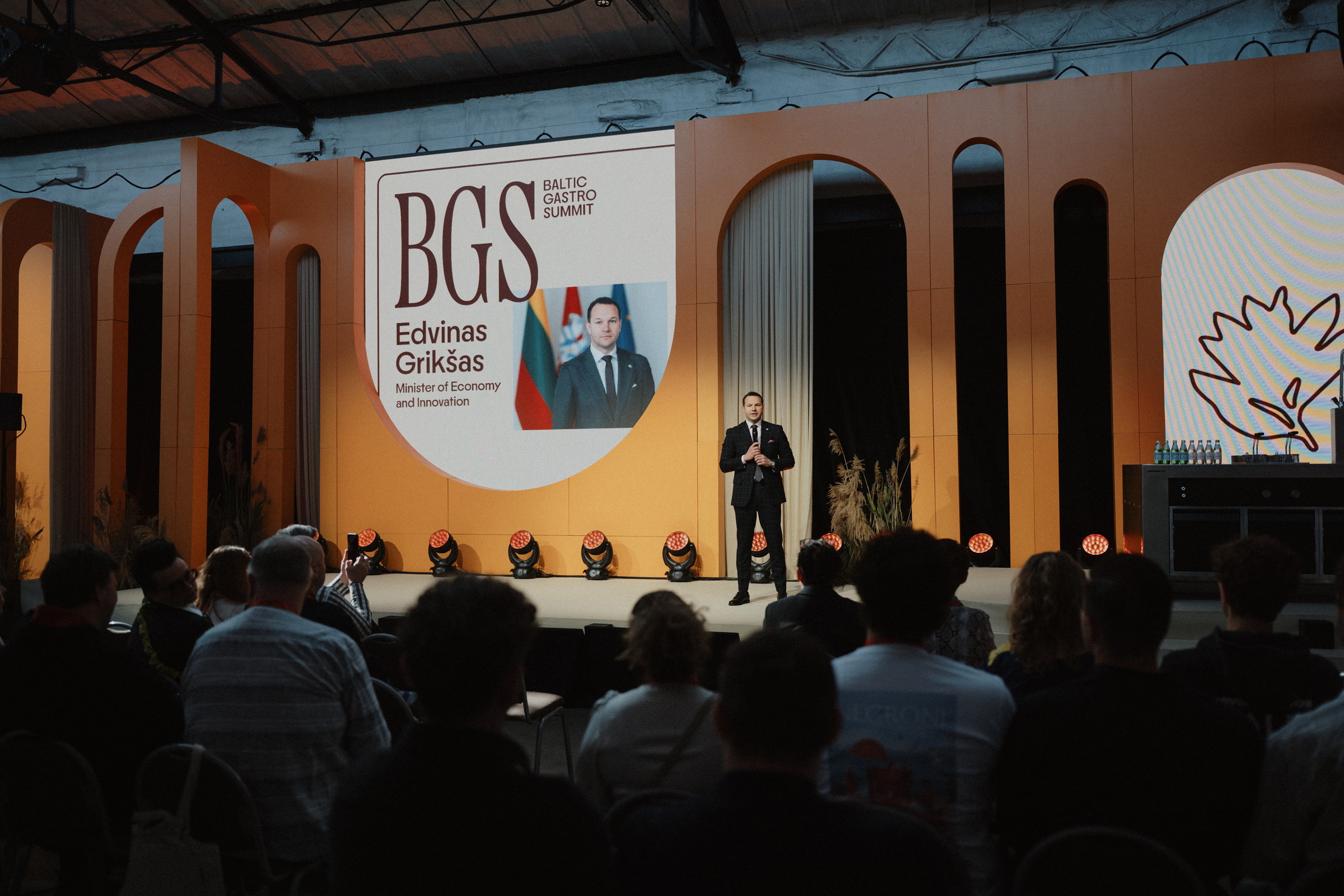
From fermentation and AI to leadership and hospitality, this year's Baltic Gastro Summit in Vilnius explored the ideas shaping the future of gastronomy. The two-day gathering brought together leading chefs, researchers and industry voices from across Europe.

For the second consecutive year, Vilnius became the meeting place for chefs, sommeliers, researchers and hospitality professionals as the Baltic Gastro Summit gathered some of the industry's most influential voices.

While Michelin stars and culinary excellence naturally attracted attention, this year's discussions revealed something bigger: the future of gastronomy is increasingly shaped by science, sustainability, leadership and human connection.

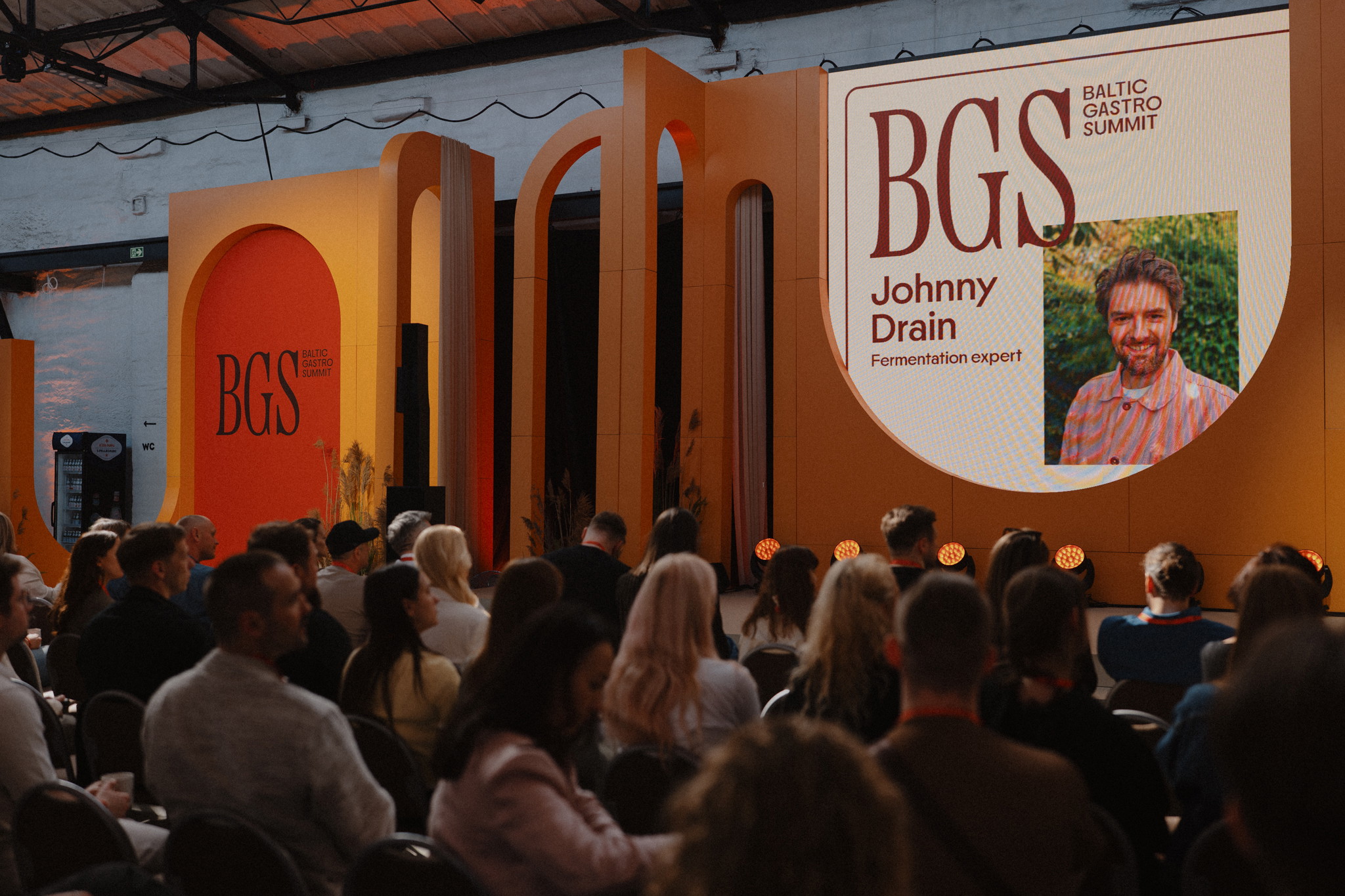
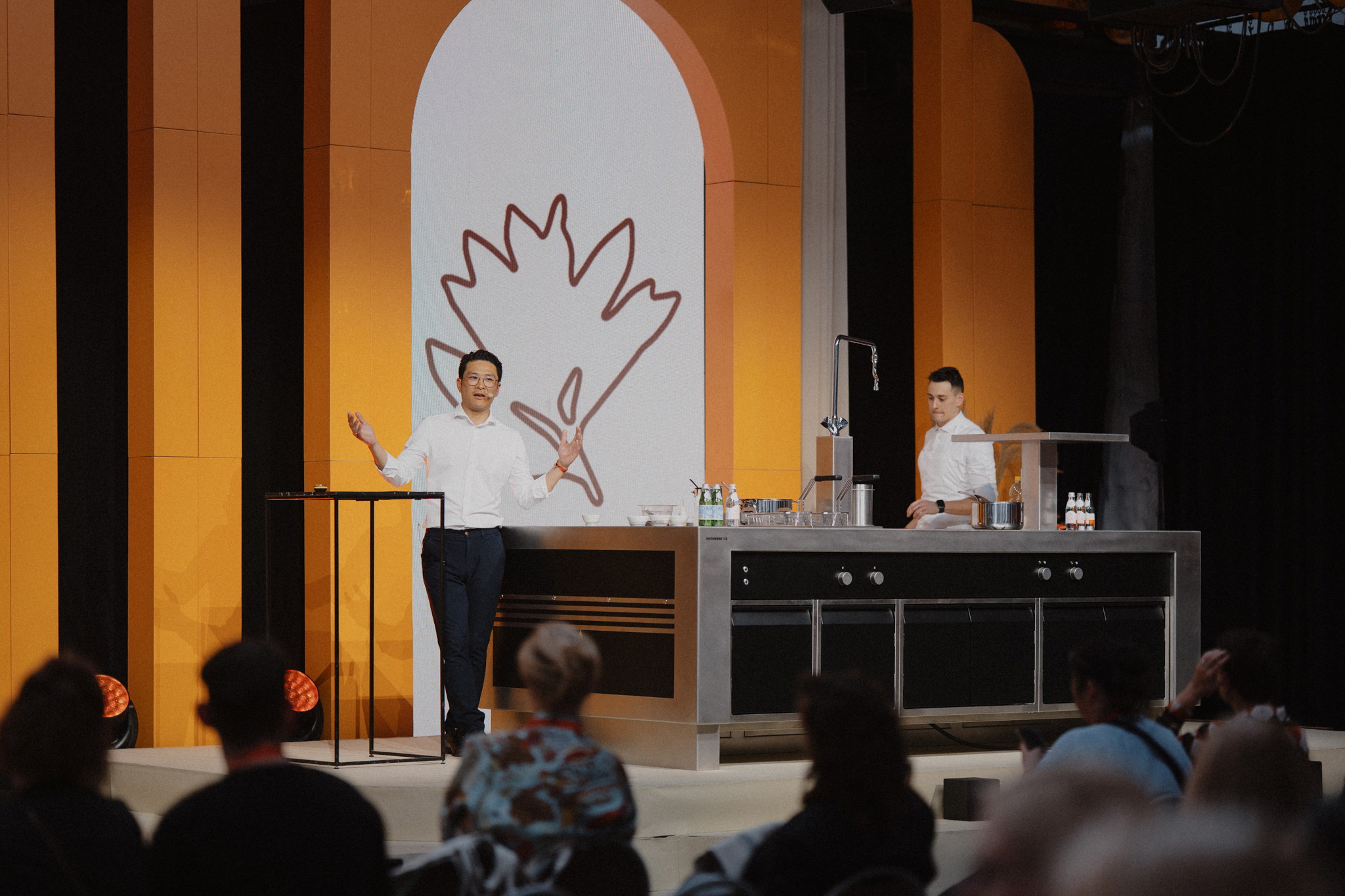
Fermentation took centre stage when Dr Johnny Drain, founder of HypeSound and a long-time collaborator of restaurants such as Noma and Alchemist, explored the future of food innovation. Having collaborated with restaurants such as Noma, The Fat Duck and Alchemist, Drain explored how fermentation could help address some of the food industry's biggest challenges. Alternative fats, dairy proteins and entirely new ingredients are already becoming reality, but according to Drain, innovation only matters if the result tastes better.

Identity and personal stories also played a central role. Kristian Baumann, chef-owner of Copenhagen's two-Michelin-starred Koan, reflected on his Korean heritage and Danish upbringing, explaining how both have shaped his cuisine. His talk highlighted how personal history can become a creative force.

Latvia's pioneering chef Maksims Cekots shared the journey behind Max Cekot Kitchen, the country's first Michelin-starred restaurant. Building a destination restaurant from scratch required patience, courage and a willingness to follow his own vision, even when the path ahead was uncertain.

Swedish restaurateurs Linda Pérez and Jens Carlsson from Hållfjället demonstrated how limitations can become strengths. Located far from major cities, their concept embraces the northern climate, seasonal contrasts and close ties to nature. Rather than striving for perfection, they argued that authenticity and a sense of place create stronger memories for guests.

Technology and artificial intelligence were another recurring theme. Professor Charles Spence from Oxford University discussed how AI can assist with flavour pairing and creativity, while stressing that technology can never replace human taste, texture and craftsmanship. As dining becomes increasingly visual and social media-driven, Spence argued that deliciousness must remain more important than appearance.

Leadership and workplace culture were equally prominent topics. Norwegian chef James Maxwell Stewart reflected on more than three decades in the industry, emphasising professionalism, self-awareness and healthier working environments. Having worked both in the kitchen and front of house, he spoke openly about the importance of continuous improvement and personal responsibility.

Maria Canabal, founder of the Parabere Forum, addressed diversity and gender equality in hospitality. Her message was clear: talent comes in many forms, and diversity is not simply a question of fairness but an essential ingredient in building stronger and more sustainable businesses. In her words, “diversity is a fact, inclusion is a choice.”

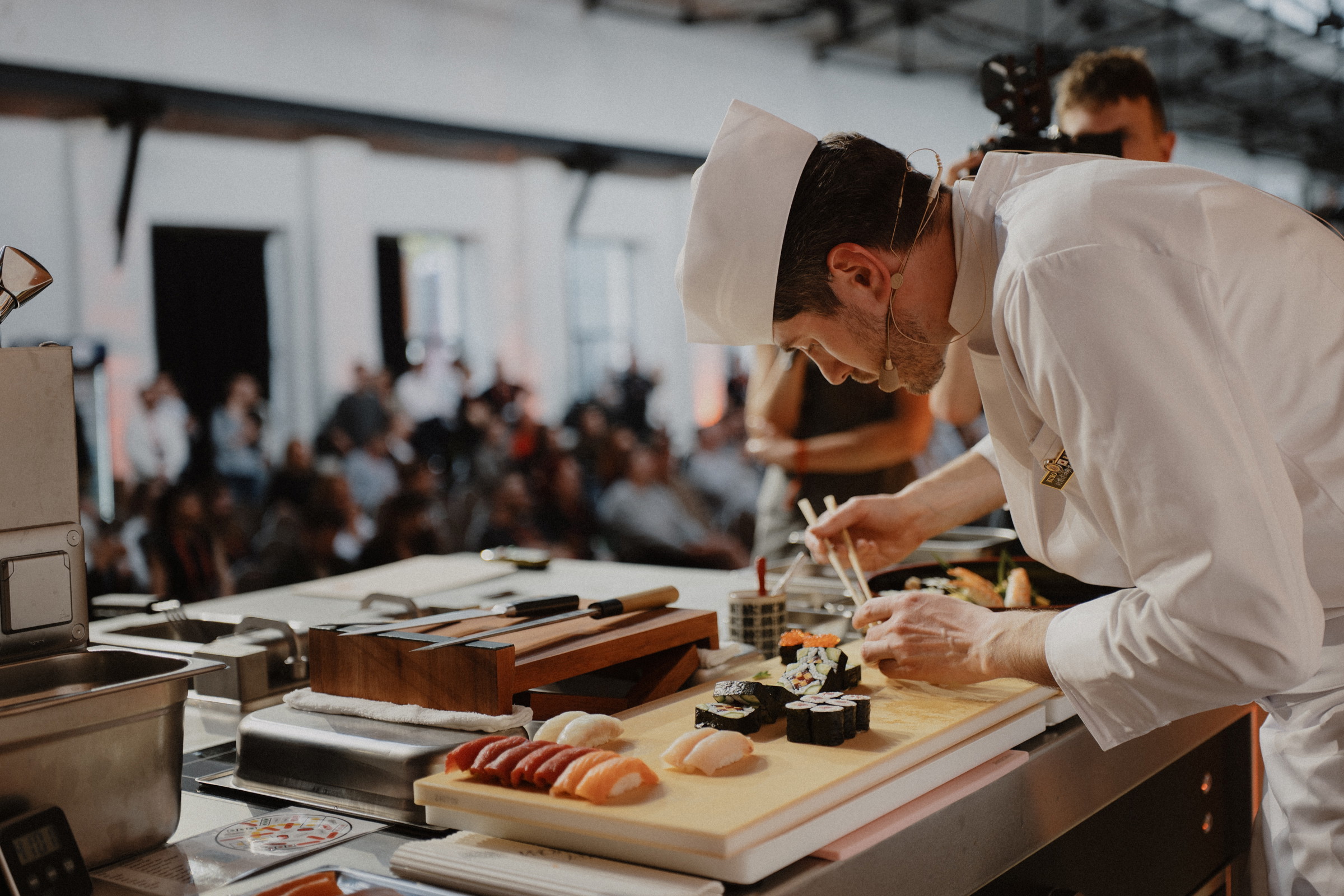
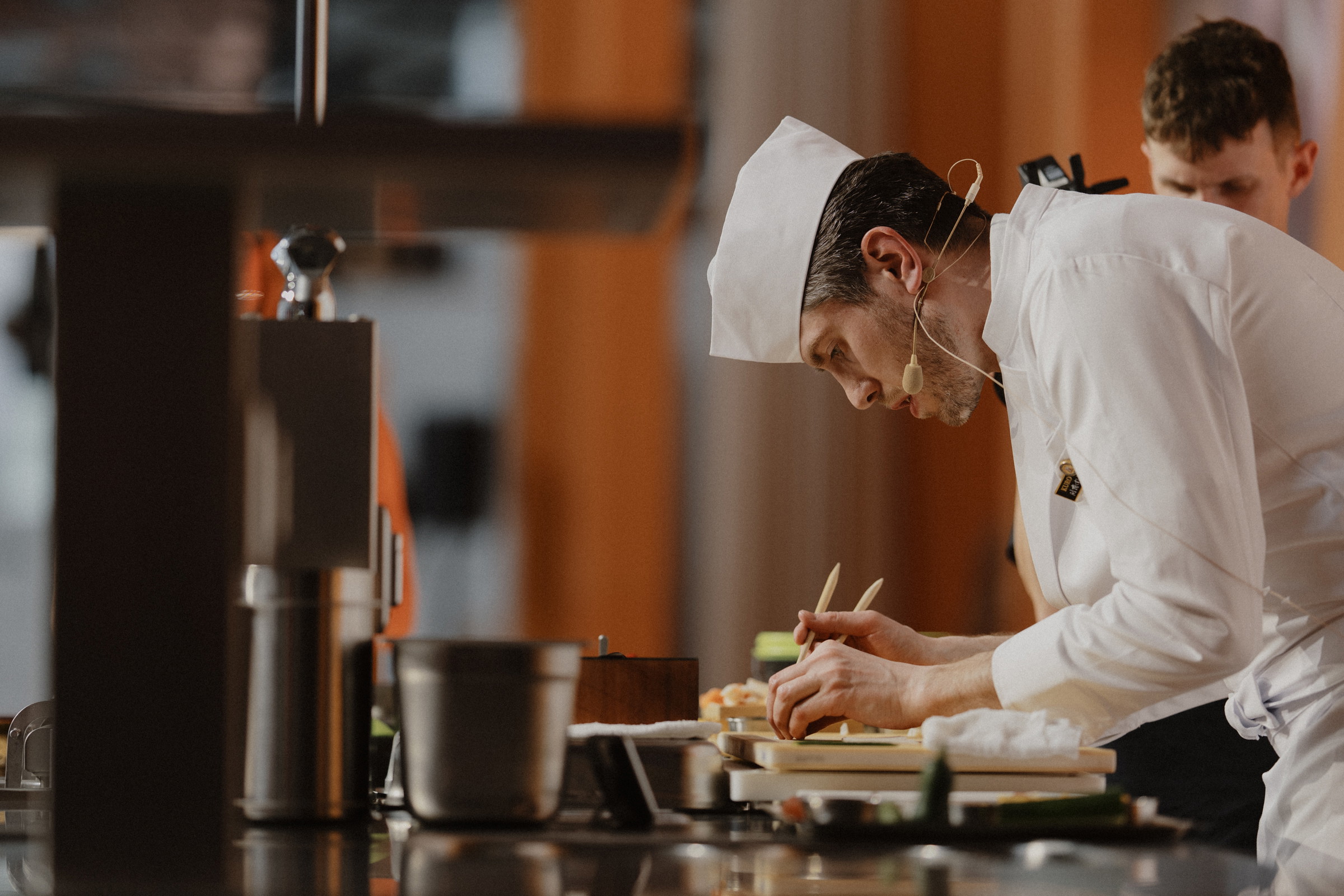
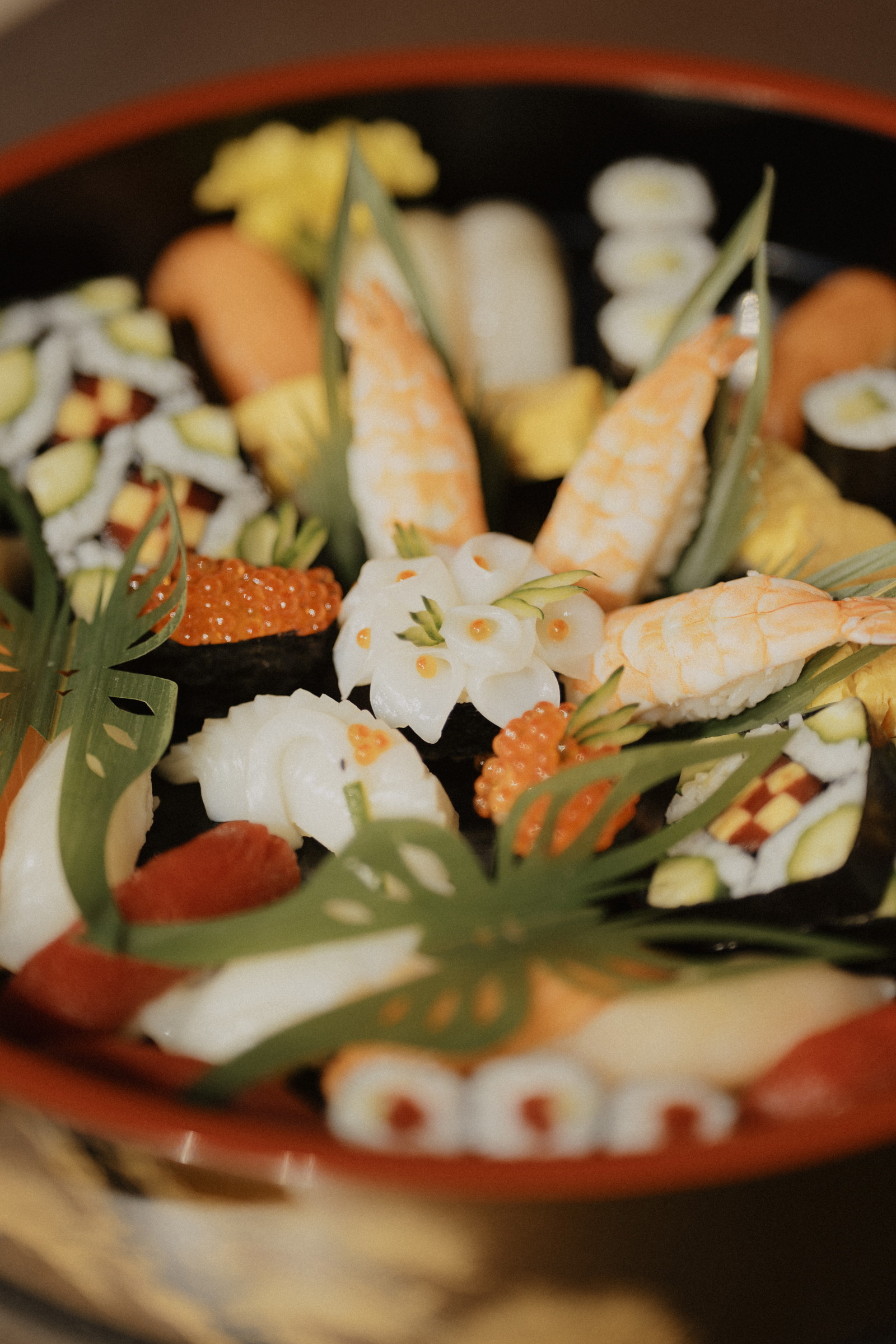
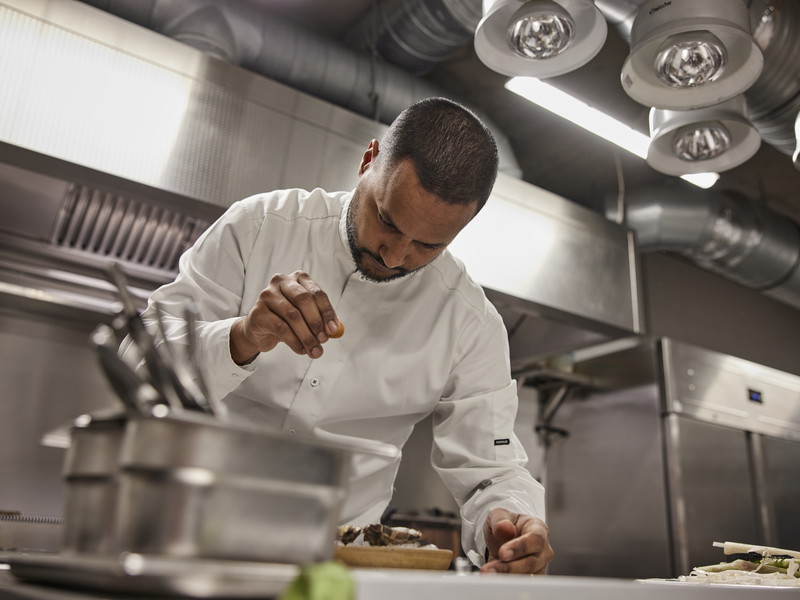
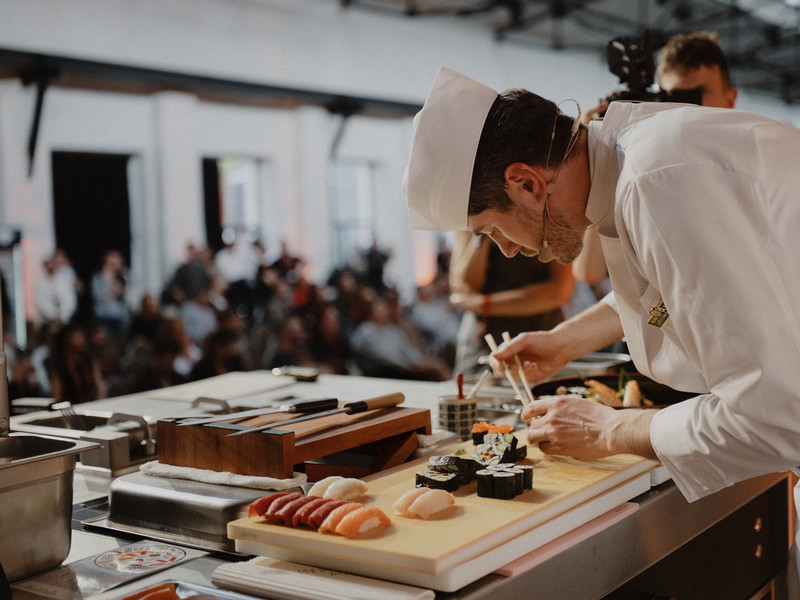
Airis Zapašnikas shared his journey towards professional excellence and the dedication required to reach the top of his craft. Drawing on his experience as the winner of the World Sushi Cup, he demonstrated how passion, relentless hard work and extraordinary precision have shaped his success. On stage, Airis prepared some of his signature dishes, offering a glimpse into the meticulous technique and attention to detail that earned him the competition's gold medal.

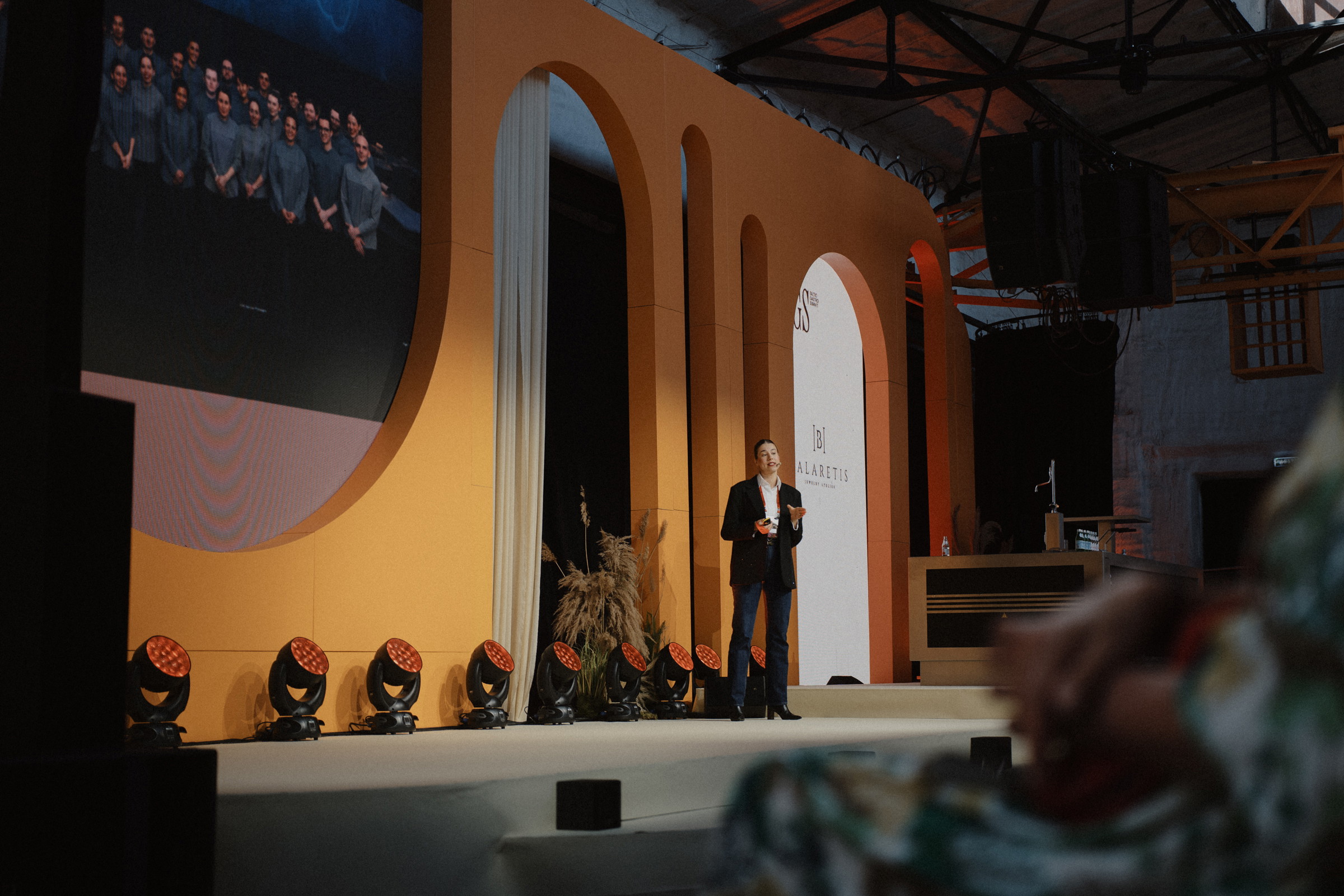
The guest experience itself was explored by Jogilė Bulavaitė, Assistant General Manager at Copenhagen's Alchemist. Having developed the restaurant's acclaimed no- and low-alcohol programme, she highlighted the importance of personalised hospitality. One example is Alchemist's extensive introduction programme for new employees, which lasts eight weeks and helps ensure that service standards are deeply rooted rather than simply taught. With 28 front-of-house employees representing 18 nationalities, training and communication have become essential tools for creating consistency and excellence.

Swedish lecturer and restaurateur Ulrika Karlsson also emphasised the importance of education and leadership. According to Karlsson, sustainability in hospitality is not only about ingredients but also about retaining employees and creating workplaces where knowledge and professionalism can flourish over time.

Perhaps the strongest message from this year's Baltic Gastro Summit was that the future of gastronomy is not necessarily about more luxury, more technology or more complexity. Instead, it may lie in something far more fundamental: authenticity, knowledge and a deeper connection between people, place and nature.

As Baltic gastronomy continues to evolve, Vilnius is increasingly establishing itself as one of the region's most important meeting places for the industry. One conversation, one collaboration and one shared experience at a time.

Fact Bar
Baltic Gastro Summit is organized by “Bocuse d’Or Lithuania.” The organization seeks to encourage chefs’ creativity and innovation, to unite the community through shared experience, inspiration, and knowledge. Our most important goal is to nurture an understanding that food can be not only a source of nourishment, but also a sociocultural experience that brings together mastery, tradition, and creativity.
Tove Oskarsson Henckel
Author
Find out more
1 / 12