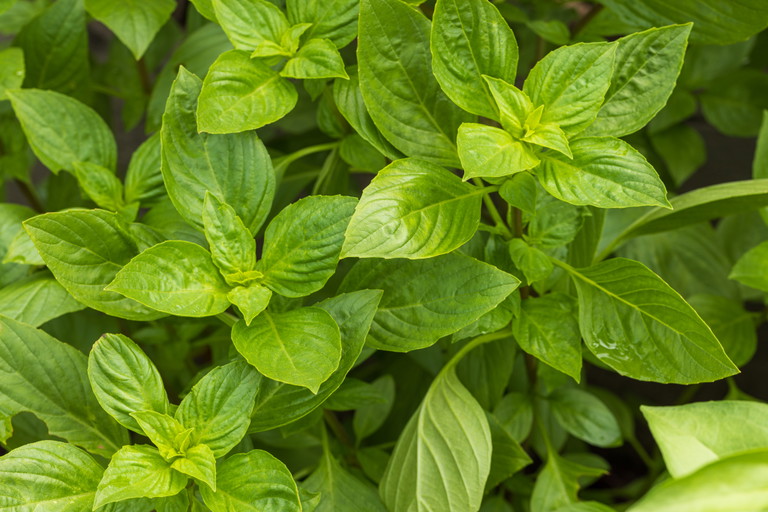
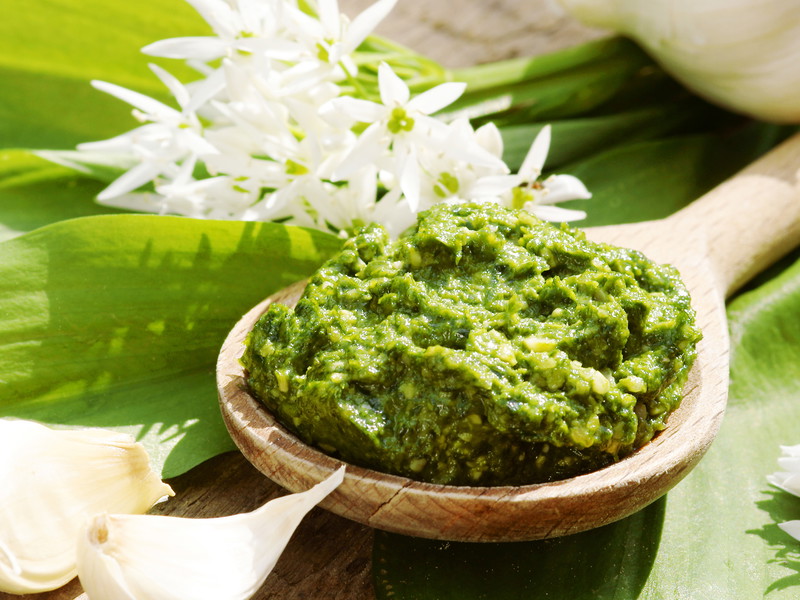
When most people think of basil, they picture the classic green herb: broad leaves, a distinctly Mediterranean aroma and the unmistakable flavour of Pesto alla Genovese. Yet this culinary favourite is far more diverse than many realise. There are around 70 different varieties of basil, varying not only in colour but also in leaf shape, texture and aroma.
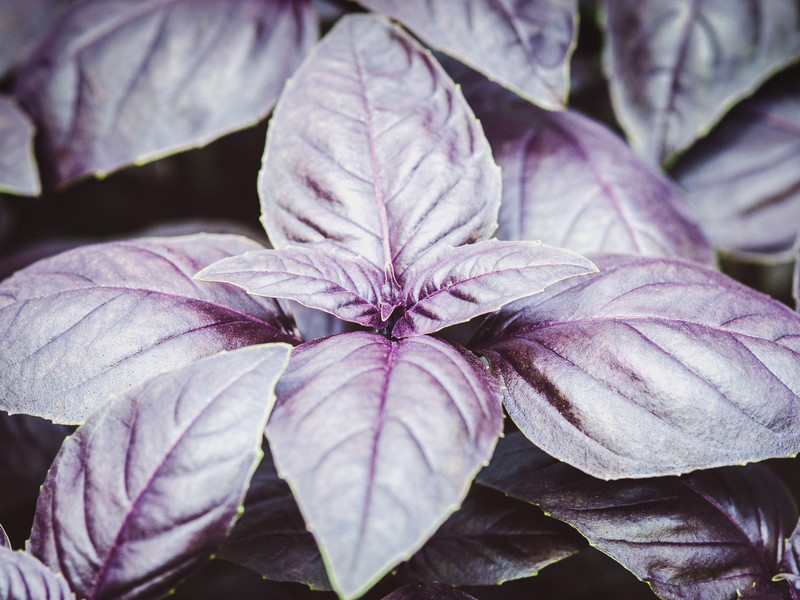
Among the most unusual is purple basil, sometimes referred to as red basil. With its richly coloured leaves, it looks almost ornamental, yet it belongs in the kitchen just as much as its green counterpart. Its flavour is considerably more intense, combining the familiar basil notes with hints of anise, clove, pepper and, depending on the variety, even liquorice.
The Science Behind the Purple Hue
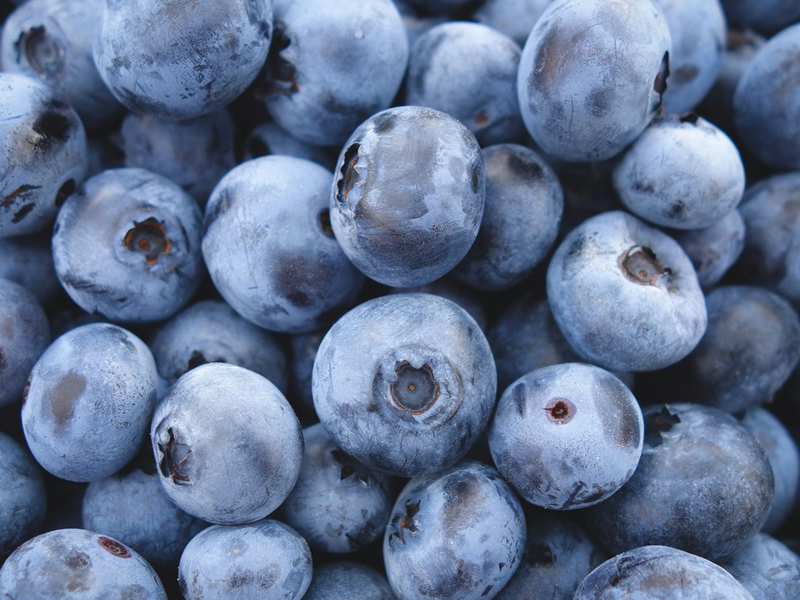
Purple basil owes its striking colour to naturally occurring plant pigments known as anthocyanins. These are the same compounds responsible for the deep colours of blueberries, black grapes and red cabbage. In purple basil, the anthocyanins mask the green pigment chlorophyll, creating the herb's characteristic dark foliage.
Purple basil is not a separate species but rather a group of cultivars belonging to Ocimum basilicum. Among the best known are Dark Opal, Red Rubin, Purple Ruffles and Osmin Purple. While some varieties lean towards a sweeter flavour profile, others reveal pronounced spicy or clove-like notes.
From Lemon to Cinnamon
Although Genovese basil remains the best-known variety, it is by no means the only one. Thai basil, for example, has a distinctive anise flavour and is an essential ingredient in many Southeast Asian dishes. Lemon basil offers bright citrus aromas that pair beautifully with fish, desserts and refreshing summer drinks. Cinnamon basil, meanwhile, surprises with warm, spicy notes reminiscent of its namesake.