Whether stirred into yoghurt, scattered over pancakes or enjoyed straight from the punnet, blueberries are among the most popular fruits of the summer. In season from late June through September, locally grown berries are prized for their delicate sweetness and refreshing flavour. Their only drawback is their relatively short shelf life. Even minor bruising can cause them to spoil more quickly. Fortunately, three simple steps can help keep them fresh for longer.
Step 1
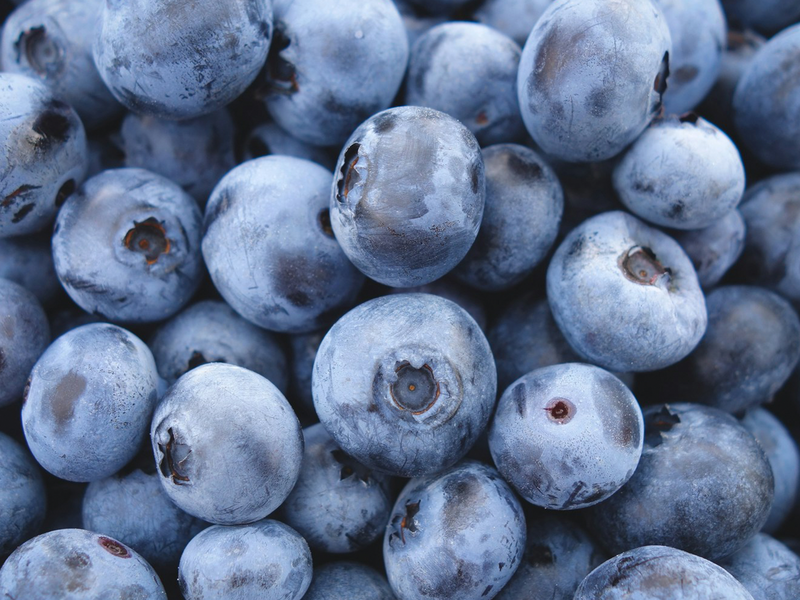
It all starts at the supermarket or farmers' market. High-quality blueberries should be evenly deep blue in colour, firm and plump, with a delicate silvery bloom on their surface. This natural waxy coating protects the fruit and is a reliable sign of freshness, so it should ideally only be removed shortly before eating.
Step 2
Handle blueberries gently when washing them. A strong stream of water from the tap can damage their delicate skin and cause bruising. A gentler method is to swirl them carefully in a bowl of cold water. Afterwards, dry them thoroughly on a clean kitchen or tea towel before placing them in the refrigerator. Any remaining moisture encourages mould and shortens their shelf life.
Step 3
Blueberries should be refrigerated as soon as possible. The ideal container is a shallow dish where the berries can rest in a single layer without being crushed under their own weight. It is also important to remove any damaged or mouldy berries beforehand, as they can cause the remaining fruit to spoil more quickly.
What's the Best Way to Freeze Blueberries?
If you've bought a large quantity or picked your own, blueberries freeze exceptionally well. Stored properly, they keep for around 10 to 12 months and are perfect for smoothies, desserts and baking.
The key is to freeze them individually first. Spread the berries out in a single layer on a tray or baking sheet and freeze them for several hours. Once they are firm, transfer them to freezer bags or airtight containers in portions. This prevents them from freezing into one large clump, making it easy to remove exactly as many as you need.
For cakes and muffins, frozen blueberries can even be added directly to the batter. Because they release less moisture while still frozen, the finished bake often remains lighter, fluffier and more pleasantly moist.