Mint thrives in the herb garden, but often tastes less intense than it actually smells. Basil, too, doesn’t always live up to expectations. But this isn’t due to a lack of a green thumb – it has more to do with the herbs’ oils, which may not yet be present in the concentration one would hope for. The good news? With a few simple tricks, these essential oils can be activated and the flavour noticeably enhanced.
In everyday cooking, it helps to make a simple distinction between robust and delicate herbs. This classification is also commonly used in gastronomy and in many cookbooks, showing just how differently herbs react to heat, cutting and preparation – and how their aromas can best be preserved. Falstaff took a closer look and gathered practical tips for getting more flavour out of your herbs.
Robust and Delicate
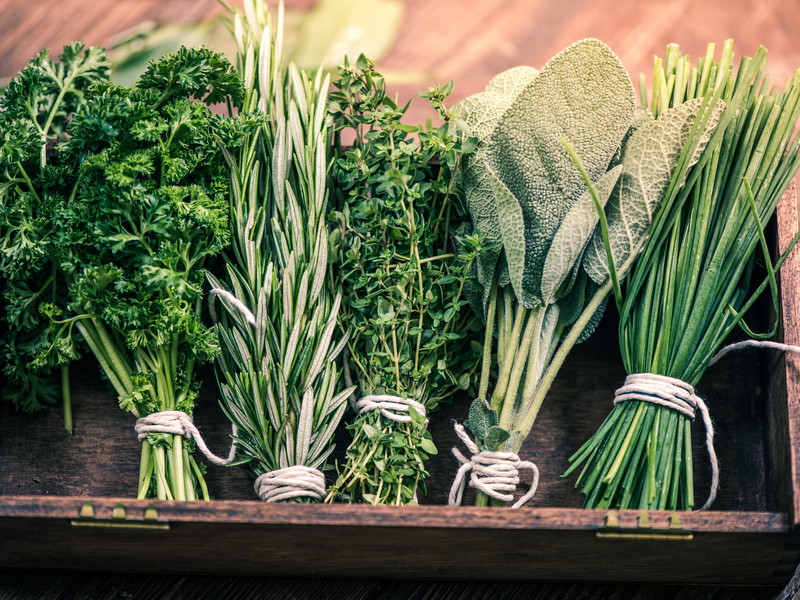
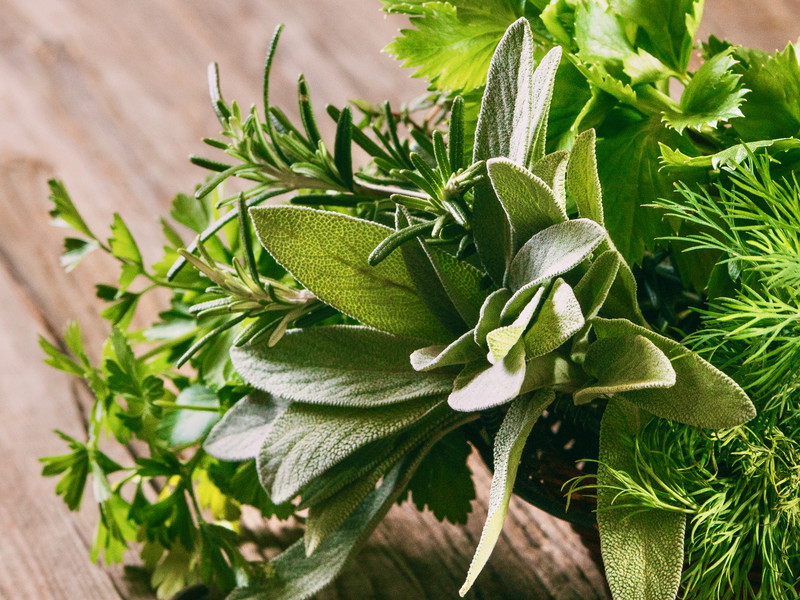
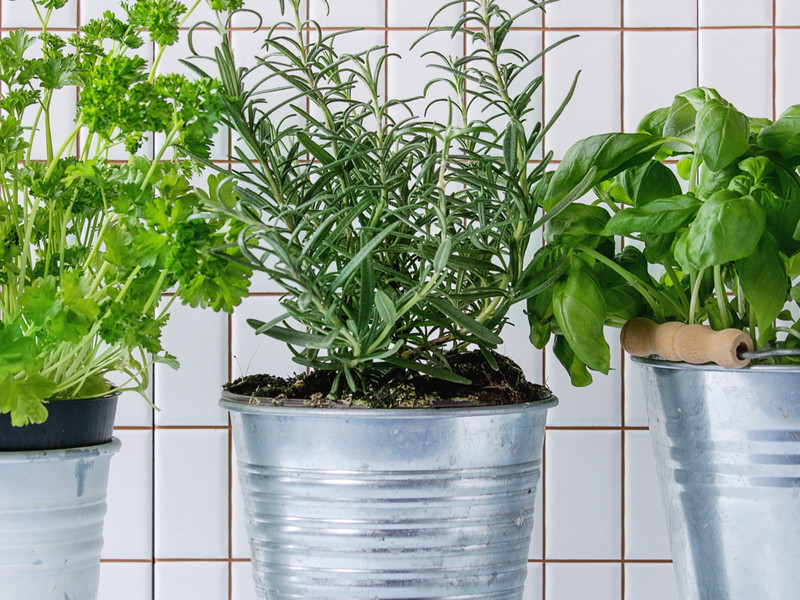
Robust herbs such as rosemary, thyme and sage have a sturdier structure and contain fewer volatile aromatic compounds. Mint is also often considered one of the more robust herbs, depending on the variety. These herbs tolerate heat well, can be cooked with and can also withstand a firmer touch, such as gently bruising or lightly “slapping” them to release their aroma.
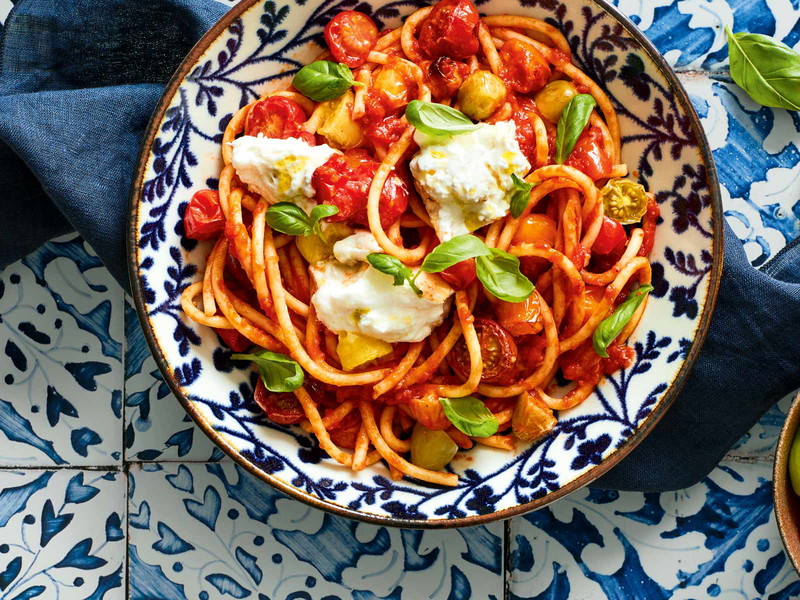
Delicate herbs, on the other hand – such as basil, parsley and chives – react much more sensitively. For this reason, basil should be handled as gently as possible in the kitchen. Rather than “slapping” the leaves in the palm of your hand, it is better to pluck them carefully or tear them apart with your fingers. This helps preserve the essential oils and prevents the aroma from dissipating too quickly.
Press, Rub or Simply Wait
In addition to plucking, tearing or lightly “slapping” them, the oils in robust herbs can also be released by gently crushing them in a mortar or lightly rubbing them between your fingers. With delicate herbs, however, the rule is to handle them gently and – because heat is considered an “aroma killer” for these herbs – to add them only at the very end of the cooking process.