A Philosophy of Respect
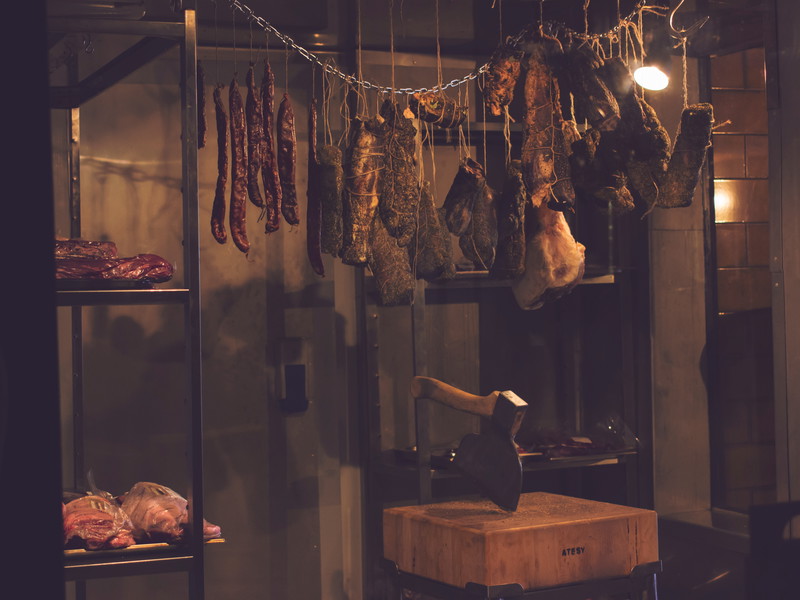
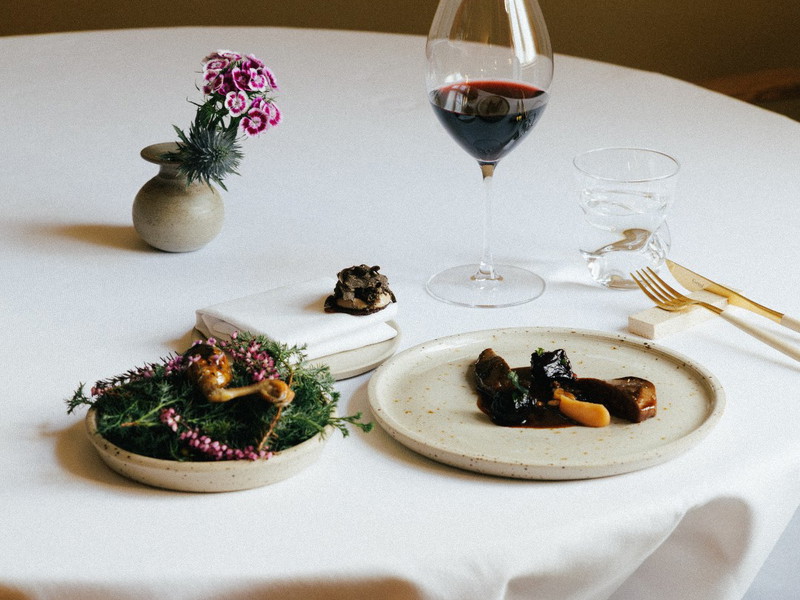
Nose-to-tail cooking is rooted in respect for ingredients and producers. Instead of focusing only on premium cuts, chefs work creatively with lesser-used parts such as bones, offal or skins, transforming them into broths, sauces or deeply flavorful dishes. The approach reflects a broader Nordic ethos: seasonal cooking, close relationships with local farmers and fishermen, and a strong commitment to reducing food waste.
Zero Waste in Practice
One of the pioneers of this movement is Restaurant Nolla in Helsinki. The restaurant operates with a radical zero-waste philosophy—composting food scraps, avoiding single-use plastics and sourcing seasonal ingredients from local producers. Its menu changes constantly depending on what farmers and fishermen supply, ensuring both sustainability and exceptional freshness.
Nearby, Restaurant Juuri has become known for its creative nose-to-tail approach to Finnish cuisine, where every part of an ingredient is used to minimize waste while creating bold and inventive dishes.
In southern Sweden, Vyn, the restaurant by chef Daniel Berlin, offers a deeply nature-driven dining experience. Many ingredients are grown, foraged or hunted locally, reflecting a philosophy where the entire animal and the surrounding landscape shape the menu.
From Trend to Responsibility
What began as a culinary trend is increasingly seen as a responsibility. For many Nordic chefs, sustainability is no longer an optional concept but a core part of their identity. By embracing nose-to-tail cooking and reducing waste, restaurants are demonstrating that fine dining can be both environmentally responsible and extraordinarily flavorful.
In the Nordic region—where nature has always defined the table—this philosophy feels less like innovation and more like a return to tradition.