
Skip to content
© Jesper Bøjlund

The Final Beat: Brian Mark Hansen's Dessert Philosophy

Cookbook
Dessert
Recipe

The 2023 Bocuse d'Or winner releases his second cookbook and takes on a new role at CORI Hornbæk Hotel on the Danish coast.

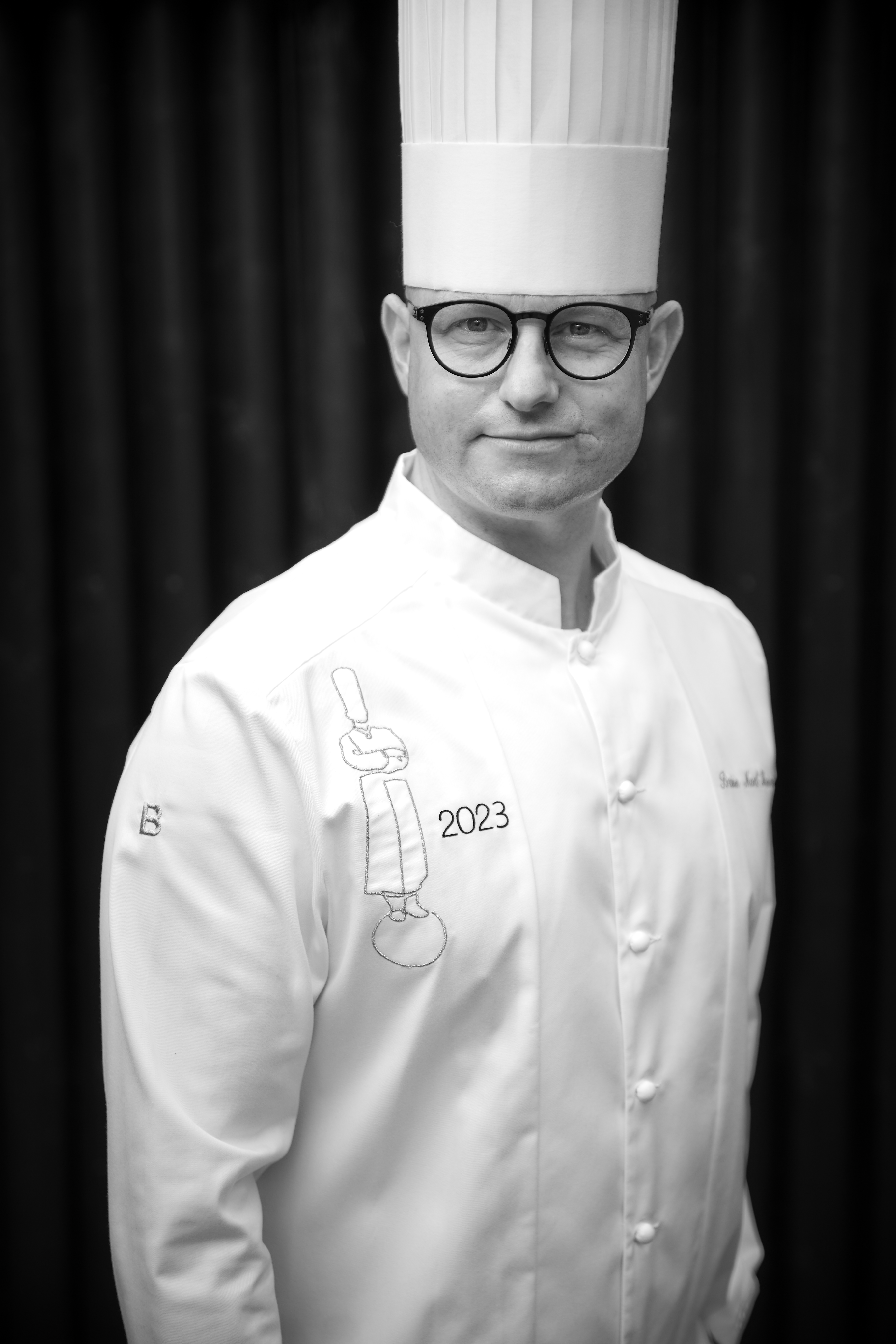
In January 2023, Brian Mark Hansen stood on the podium in Lyon with a gold medal. The head chef of Søllerød Kro had just won the Bocuse d'Or, known as the world championship for chefs, alongside commis Elisabeth Madsen. It was a dream he had carried for a long time.

Three years later, the champion is starting fresh. After almost two decades at the historic inn north of Copenhagen, Hansen has left Søllerød Kro to lead all food concepts at CORI, the five-star Hornbæk Hotel on Zealand's northern coast due to open this summer. He arrives with a new cookbook in hand: Dessert, a stunning 344-page collection of 100 recipes that reveal his approach to the most underrated course of the meal.

You Only Get One Chance to Make a Last Impression

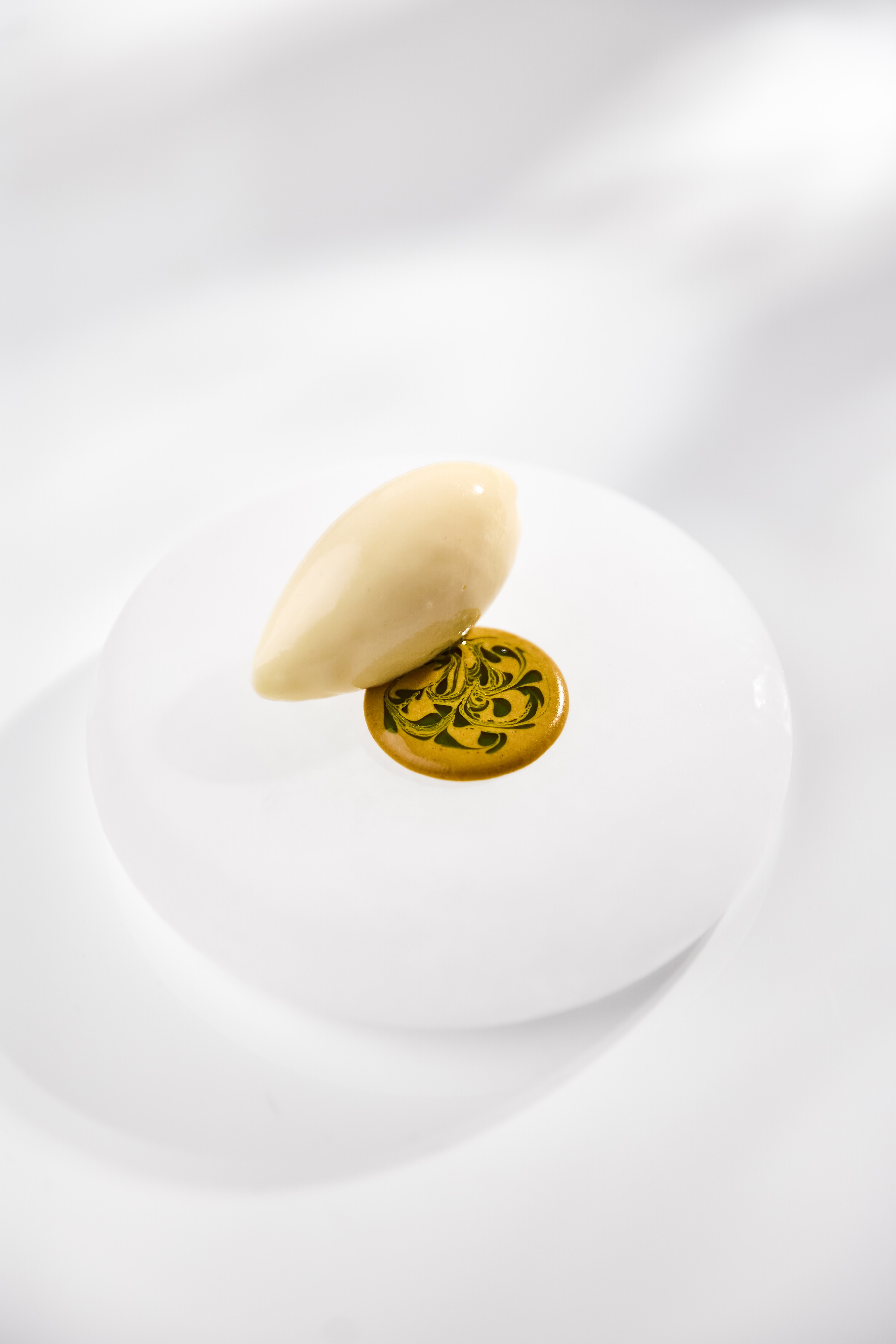
The dessert is the meal's final beat, Hansen writes in the book. It forms the moment where the experience is complete and the senses can rest. This belief emerged after watching (too) many kitchens treat sweets as an afterthought. Fifteen years ago, chefs only wanted to work with the savory kitchen. Nobody cared about sweets, he says. But the dessert leaves the last impression, that’s why it has to be at the same level as the starter. It's what you send home with the guest. The food scene finally woke up and realized we have to make desserts great.

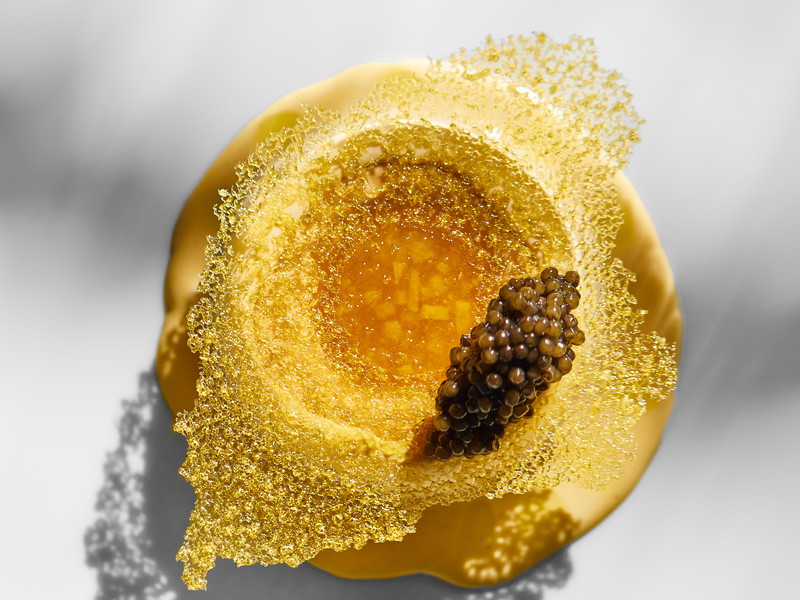
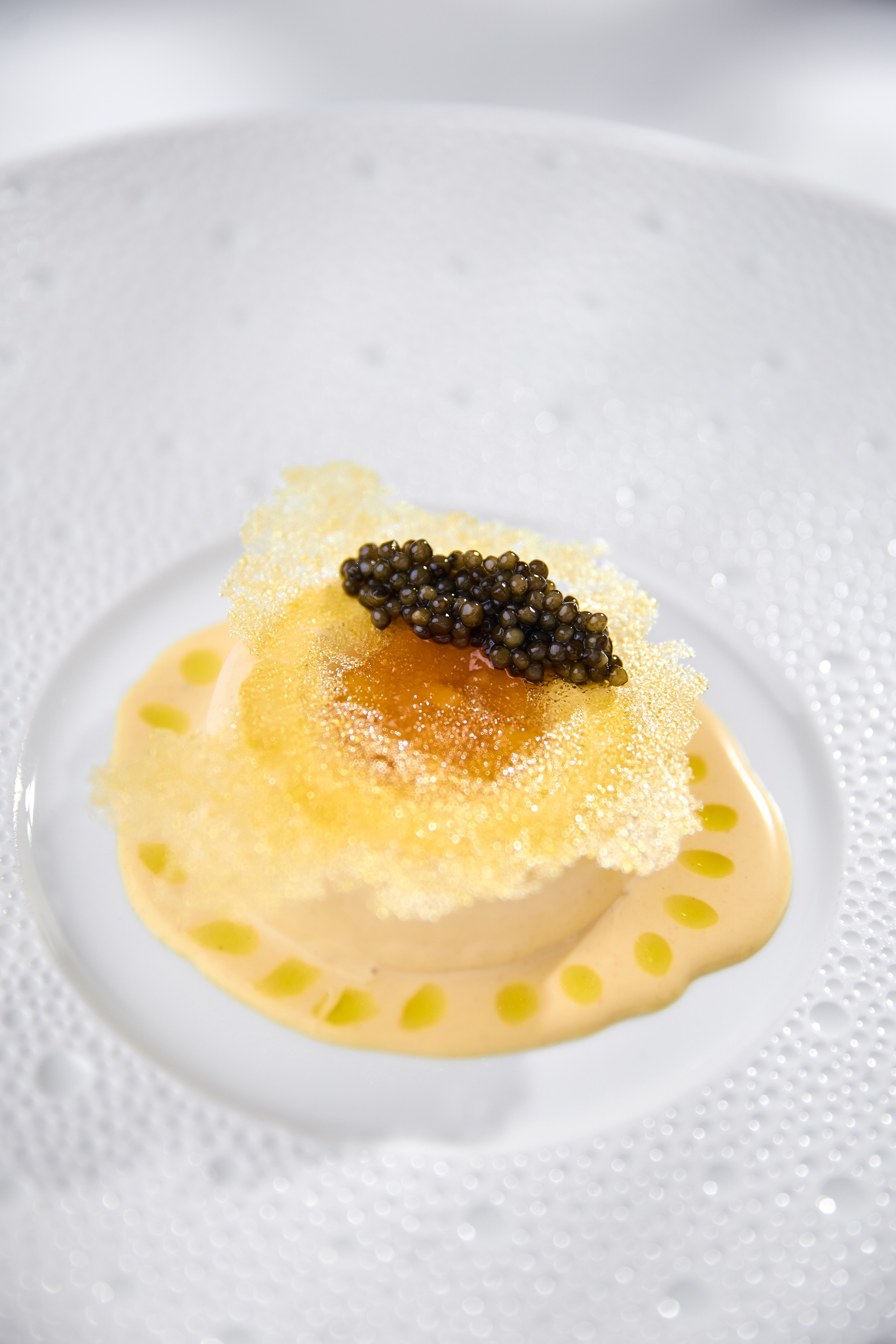
So what makes a great dessert? “It has to be fresh and lift you up. When you finish a meal, you feel heavy. The dessert has to give you energy again, even appetite for more. And texture matters just as much as flavor: Ice cream should have layers you can feel against your tongue. Baked elements need a crunchy shell and soft, almost gummy texture inside. Herbs lift the senses as well as fruit; dill and thyme are his favorites, though never together. He will even tease with caviar.

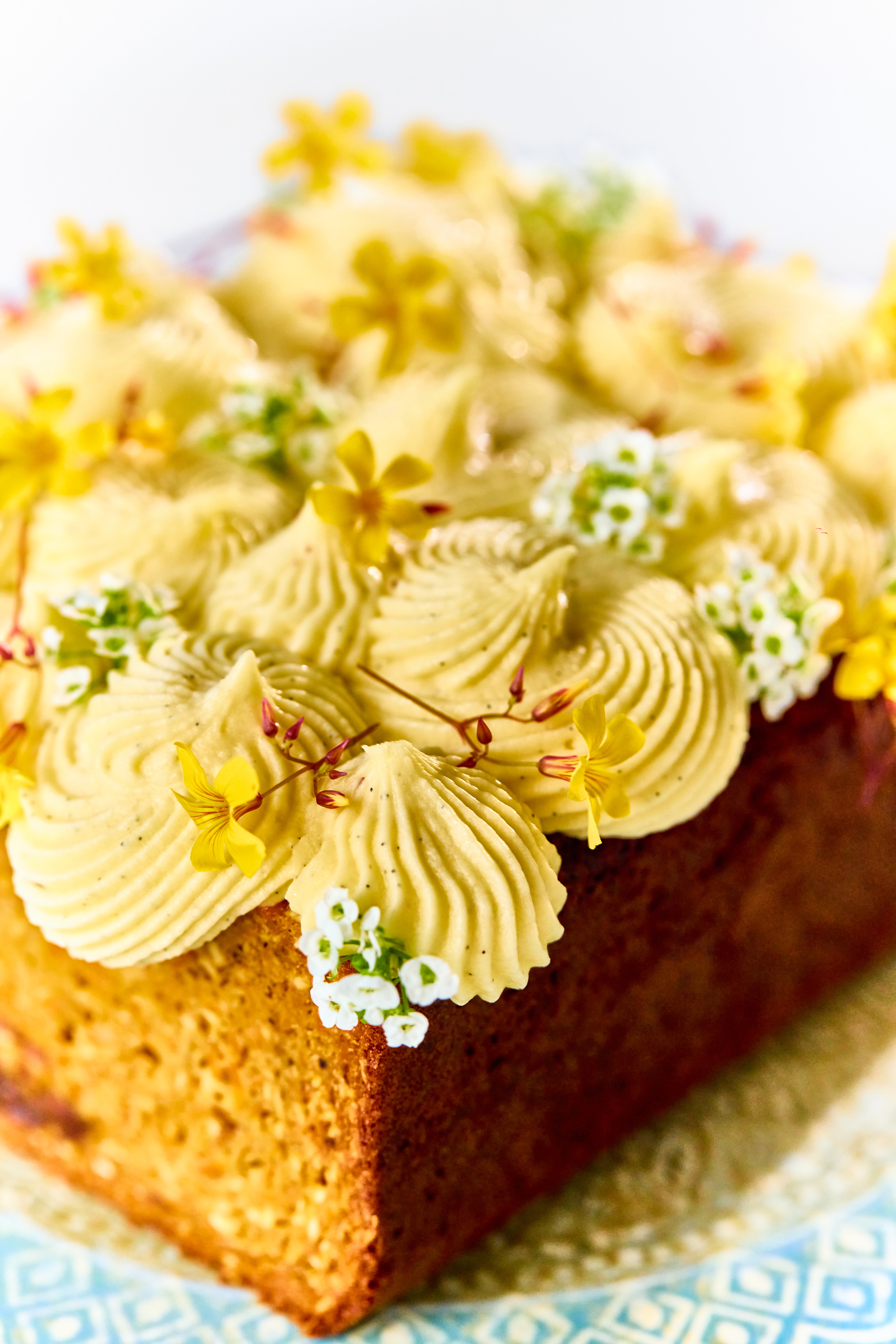
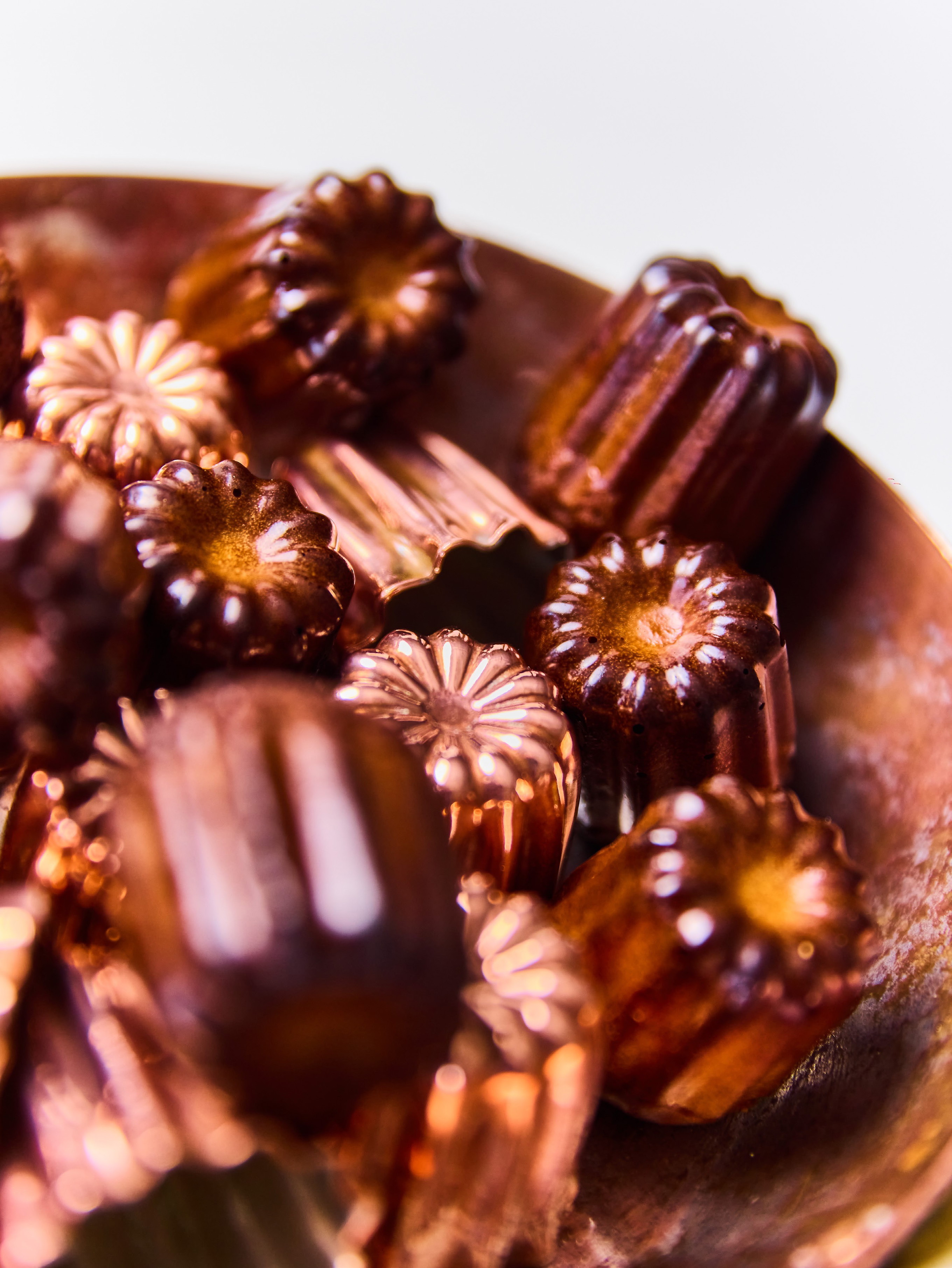
He describes the book as an inspiration kit: The recipes work perfectly alone, but their components can also be combined. His personal favorite among the recipes is the cannelés: caramel crust on the outside and an interior almost like marshmallow, layered with vanilla. It's not only taste, he says, but also feeling.

Dessert is Hansen's second book after Sauce (2024), which collected 100 sauce recipes from his years at Søllerød Kro. A third book on vegetables is already in the making. “It's important to take care of mother earth,” he explains. “That’s why there will be thoughts on sustainability, along with the recipes.”

Mediterranean Flavors on the Danish Riviera

The move to CORI Hornbæk Hotel marks a clear change in direction. Søllerød Kro, where Hansen cooked since arriving as sous chef in 2007, is built on classical French technique: rich, precise, full of sauces and caviar and truffles. The new project will be lighter. It was time to do something new, Hansen says. The hotel group called me and I saw the exciting chance to develop a new kitchen. It will be a cool new cuisine with the shoulders down, inspired by the sea.

His plan is to bring the best of France and Italy to Hornbæka town on the Danish riviera that had the country’s first dedicated holiday homes in the 1880s. It counted painter P.S. Krøyer (1851-1909) and his artist friends among its very first tourists and remains an inspiring destination until today. Hansen’s relaxed style fits a hotel expecting both domestic and international guests, especially since he continues to create deeply personal dishes from what Denmark has to offer: Everything I do is my own take. Danish fish and shellfish are some of the best in the world. That’s why the main ingredients will stay local.

From Southern Jutland to the World Stage

Hansen's culinary career path began in Vojens in southern Jutland (270 kilometers west ofCopenhagen). There, his parents ran the local inn, where his father cooked classic Danish food and his mother took care of the guests. There was no internet back then, and young Brian bought cooking magazines each month, looking for ideas to try with his father.

He trained in Skagen at the famous Ruths Hotel, then moved to Copenhagen and Kong Hans Kælder before joining Søllerød Kro as a sous chef in 2007the—same year it regained its Michelin star. After six years, he became head chef there, and under his leadership, the restaurant maintained its star while building a name for remarkable desserts. Plus, he won the dessert prize in 2018 and 2019 at Sol over Gudhjem, Denmark's biggest chef competition. It is named after an open sandwich (smørrebrød) with herring and raw egg yolk.

The Bocuse d'Or win in 2023 still feels special to Hansen. It was a very personal entry, he recalls. It was when the guys behind the scenes said it was so tasty that I felt we had a chance to win. And they did, against some odds: He and commis Elisabeth Madsen, only 22 years old at the competition, had trained together for just one year, while most teams prepare for two to four years.

Does competition cooking differ from restaurant service? He sees more parallels than differences. You have only one chance to show the guest that you want to give them the best,” Hansen says. “You bring your heart and blood to it, and you show your presence. It's similar.

Now, with gold secured and a new chapter beginning, Hansen brings that passion to the coast of northern Zealand – along with a hundred recipes for the course he believes matters most.

Dessert by Brian Mark Hansen is available at brianmark.dk
RECIPE

Cannelés
When a cannelé sits in the cabinet, nothing else really matters. And the answer lies entirely in the
recipe. It simply works.

Ingredients
1 Tahitian vanilla pod
140 g sweetened condensed milk
175 g sugar
40 g dark rum (Ron Zacapa)
95 g wheat flour
1.5 eggs
25 g egg yolks
140 g water
25 g skim milk powder

Preparation

  • Split the vanilla pod, scrape out the seeds, and place both seeds and pod in a mixing bowl together
    with the condensed milk and sugar.
  • Add rum, flour, eggs, and egg yolks and mix until smooth.
  • Add the water and skim milk powder.
  • Transfer the batter to a saucepan and heat to 84°C while stirring constantly with a spatula.
  • Transfer the batter to a container and chill overnight.
  • Grease the cannelé molds with butter (silicone molds work well). Fill each mold ¾ full and bake at 180°C for 20 minutes.
  • Turn the molds upside down and bake for another 10–15 minutes.
  • Let the cannelés cool slightly in the molds before unmolding.
  • Bake again just before serving for 4–5 minutes at 180°C.
  • I like them with about a 2 mm crisp shell and an almost pancake-like soft center.
  • After the final bake, inject a little rum into each cannelé with a piping needle to refresh the rum flavor.


Lisa Arnold
Find out more
1 / 12