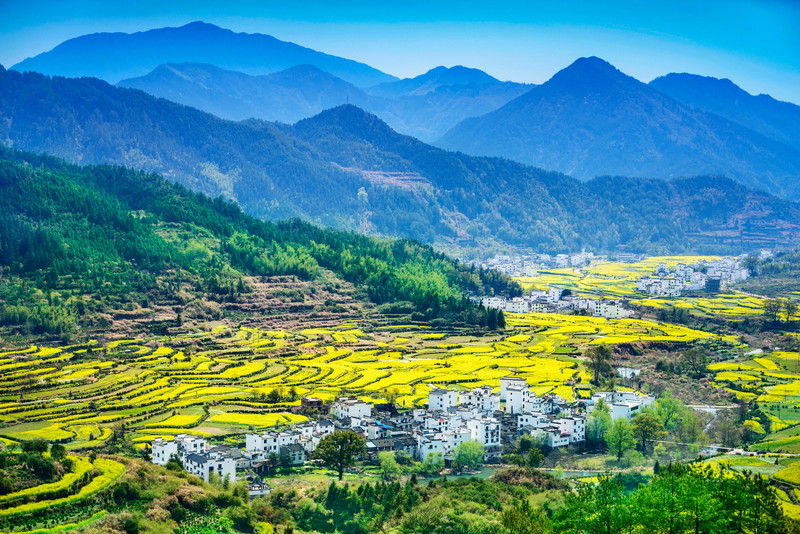
When one thinks of first-class wines, one's thoughts do not necessarily turn first to China. Yet the Middle Kingdom is one of the oldest wine-growing countries in the world, with evidence of wine production dating back to 2000 BC. At the time of the Tang Dynasty in 700 AD, vineyards were established and Marco Polo reported that he had drunk an excellent wine in Taiyan. In the 14th century, however, any further development was halted by the state decree to clear the vineyards. It was not until 1892 that viticulture really took off again. In the last 30 years, China has set out to play a major role on the world wine map. To this end, the vineyard area has been massively expanded, a lot has been invested in cellar technology and great expertise has been brought to the country in the form of renowned winemakers from Australia, but also from Austria, for example. Today, the vineyard area amounts to approx. 790,000 hectares, with which China has drawn level with France and overtaken Italy; only Spain is still ahead.
The grape varieties are all from Europe; primarily Chardonnay, Chenin Blanc, Gewürztraminer, Riesling and Müller-Thurgau for white wines, and Blaufränkisch, Cabernet Sauvignon, Carignan, Malbec and Gamay for red wines.
The white wines mostly come from the North Eastern Plateau or Bohai Bay in the east of the capital Beijing, while red wines come from Shacheng, the Northwestern Area, and the provinces of Snadong and Hubei. For the Chinese themselves, wine does not play a major role; rice wine and beer are the preferred alcoholic beverages here, as well as spirits such as cognac. A lot of wine is exported, but measured against the size of the country and the total export of Chinese goods, this corresponds to just 1%.
About 8 million hectoliters are produced annually, which is quite little compared to Germany, for example. But there are already some remarkable wines made to a very high standard, which change hands for high prices. Winegrowing in China has already developed a great dynamic.
The country has 23 provinces, and each has its own traditional cuisine, most of which has little to do with the Chinese dishes familiar in Europe. Sichuan dishes are characterized by strong spices and herbs such as chilli, ginger and spring onions. Shanghai cuisine focuses on fish and seafood, while Lu cuisine is based on pasta such as noodles and Swabian ravioli. Uyghur cuisine, on the other hand, features Persian influences. Nyonya cuisine, on the other hand, is Malaysian.
Colours generally play a major role in Chinese dishes, representing the 5 elements of wood, fire, earth, metal and water. Famous of course is the Peking duck, a recipe from the Ming dynasty, which requires a very elaborate preparation.
The restaurant culture is impressive, with numerous mentions in the Michelin Guide.
The best wines from China
-
TastingNews on the wine market 2025The Falstaff wine editors-in-chief from Austria, Germany and Switzerland regularly receive new products from the wine market for tasting and...
-
TastingTaste of ChinaWie viele andere Phänomene der westlichen Welt hält nun die Weinkultur Einzug in China – und das mit rasender Geschwindigkei...
-
-


Best wines from this region
20 entries
sort by
2020 »Adong«
Ao Yun
China
White Wine
Chardonnay

98
2017 Long Dai
Domaine de Long Dai
China
Red Wine
13,5%

95
2015 Ao Yun
Ao Yun
China
Red Wine
Cabernet Sauvignon
15,5%

95
2021 Longyu Estate Cabernet Sauvignon M12
Ningxia Changyu Longyu Estate
China
Red Wine
Cabernet Sauvignon
15%

94
2018 Château Nine Peaks Chardonnay QI
Château Nine Peaks
China
White Wine
Chardonnay
13%
94
2016 Grand Vin
Château Changyu Moser XV
China
Red Wine
Cabernet Sauvignon
15%

94
2014 Ao Yun
Ao Yun
China
Red Wine
Cabernet Sauvignon
15%
93
2013 Ao Yun
Ao Yun
China
Red Wine
Cabernet Sauvignon
15%

93
2016 Moser Family
Château Changyu Moser XV
China
Red Wine
Cabernet Sauvignon
14,5%

92
2017 Cabernet Sauvignon Helan Mountain Range
Château Changyu Moser XV
China
Red Wine
Cabernet Sauvignon
14,5%

91
2019 Pinkker Rosé
Château Nine Peaks
China
Rosé Wine
13%

90
2018 Cabernet Sauvignon Blanc de Noir Helan Mountain Range
Château Changyu Moser XV
China
Rosé Wine
Cabernet Sauvignon
13,5%

90
2018 Château Nine Peaks Chardonnay Reserve
Château Nine Peaks
China
White Wine
Chardonnay
13%
89
2019 Château Nine Peaks Chardonnay Classic
Château Nine Peaks
China
White Wine
Chardonnay
13%
88
2018 Château Nine Peaks Cabernet Gernischt – Collection
Château Nine Peaks
China
Red Wine
Cabernet Gernischt
13,5%
88
Ao Yun
Winery
Adong Village, Yunnan Sheng, China
Château Changyu Moser XV
Winery
Shandong, China
Château Nine Peaks
Winery
Yuanshang Town, Shandong, China
China

Domaine de Long Dai
Winery
China
Wine-News
-
 InterviewThe Godfather of RoséSacha Lichine shaped the world of rosé wine like no other winemaker. After purchasing Château...
 -
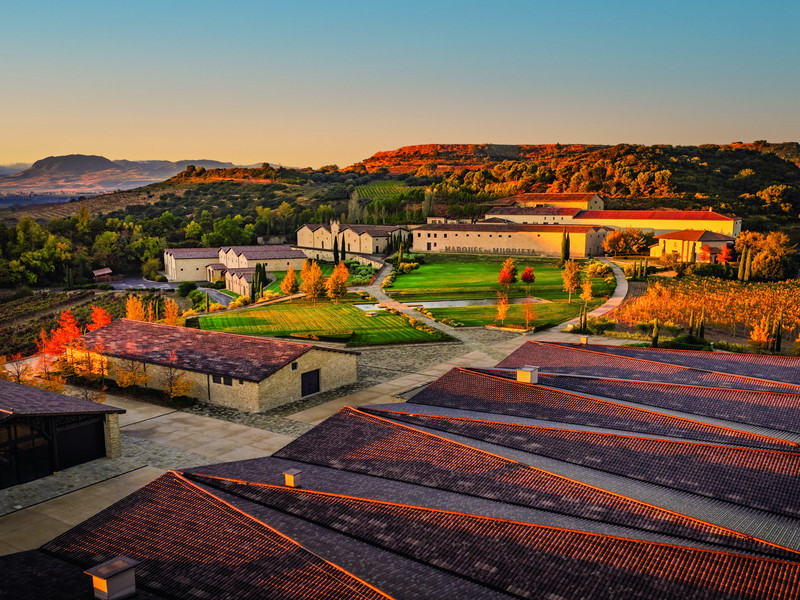 RiojaHard to find and incredibly exciting: Rioja shows its white sideAnyone who has only known Rioja as a region for red wine has been missing out. White wines and...
 -
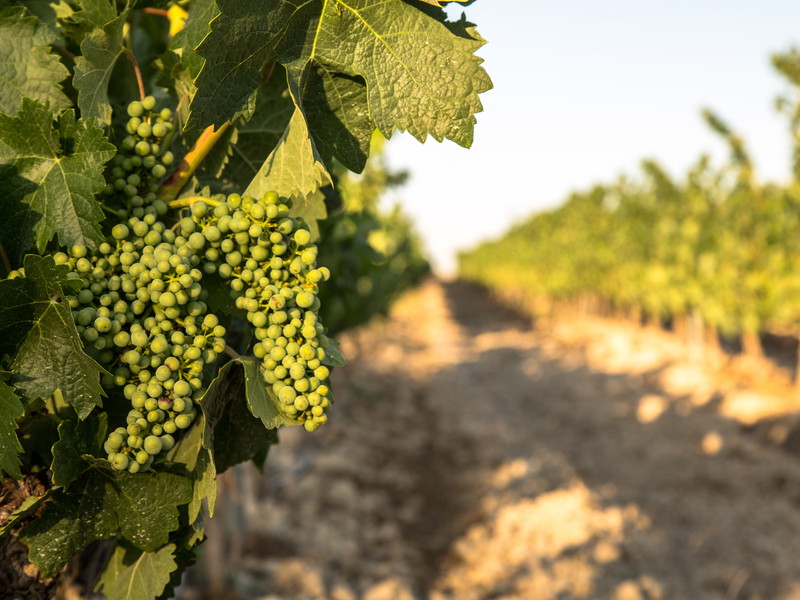 TastingThe Best of White Rioja: Our HighlightsWhite Rioja demonstrates just how complex, full of character, and surprising the famous Spanish...
 -
 WineGuests Trust People More Than AI When Choosing WineA new study shows that while digital channels are becoming increasingly important in wine...
 -
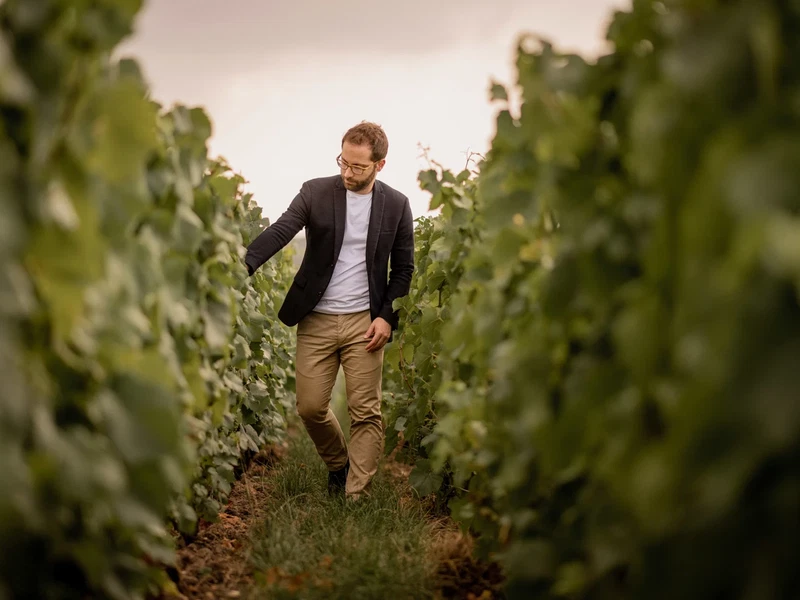 ChampagneBollinger Appoints Émilien Boutillat as New Cellar MasterÉmilien Boutillat has been appointed as the new Cellar Master of the Champagne house Bollinger. He...
 -
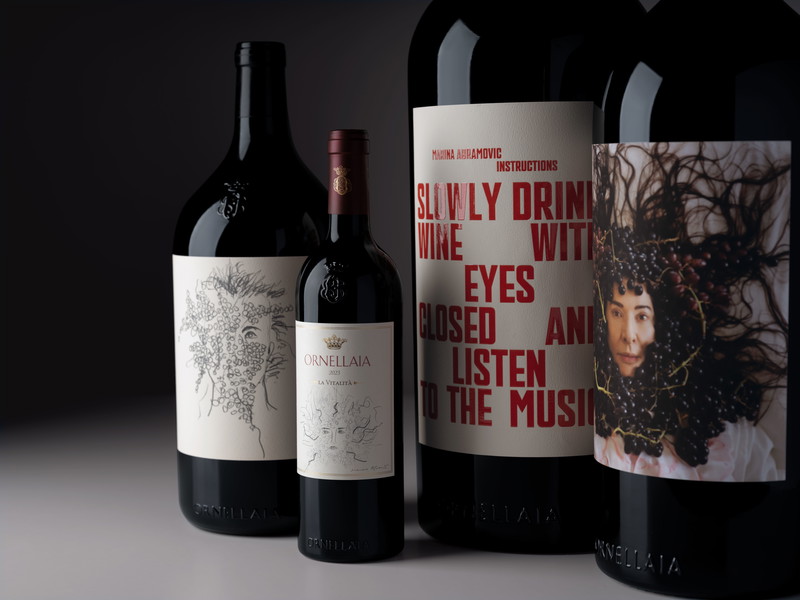 WineMarina Abramović Interprets Ornellaia 2023 “La Vitalità”Marina Abramović interprets Ornellaia 2023 La Vitalità through a striking series of artist labels...
 -
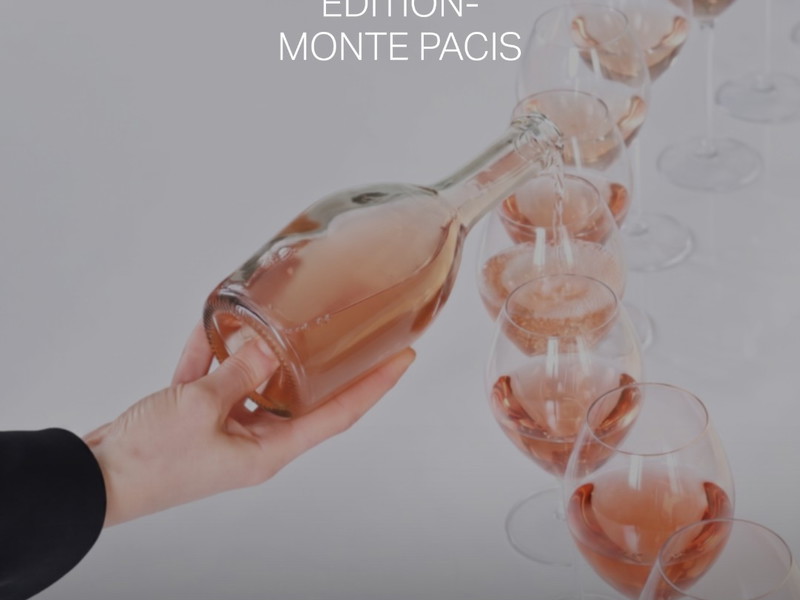 LithuaniaLe Rosé at Monte Pacis: A Celebration of Rosé Culture by the Kaunas LagoonAs rosé continues to gain recognition as one of the most versatile styles of wine, dedicated...
 -
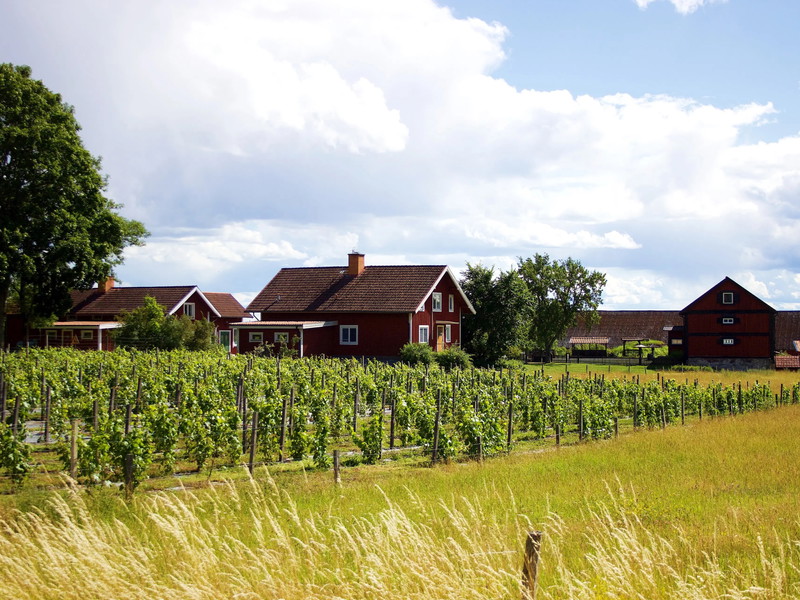 SwedenFive Swedish Vineyards Made for a Summer StayGuided tours among the vines, tastings, al fresco meals and no need to nominate a designated...
 -
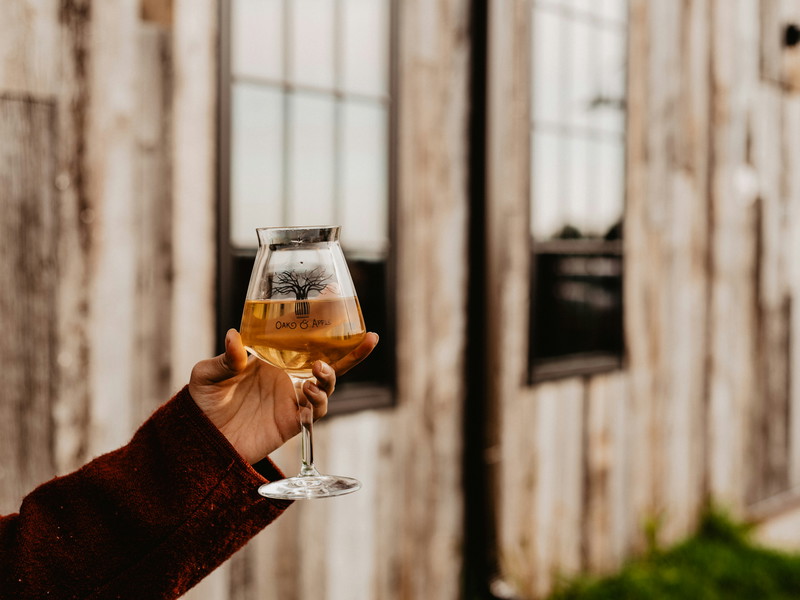 VilniusWhy Should Cider Lovers Head to Vilnius This June?Cider is having a quiet boom across the Baltics, and this June Vilnius is marking that moment with...
 -
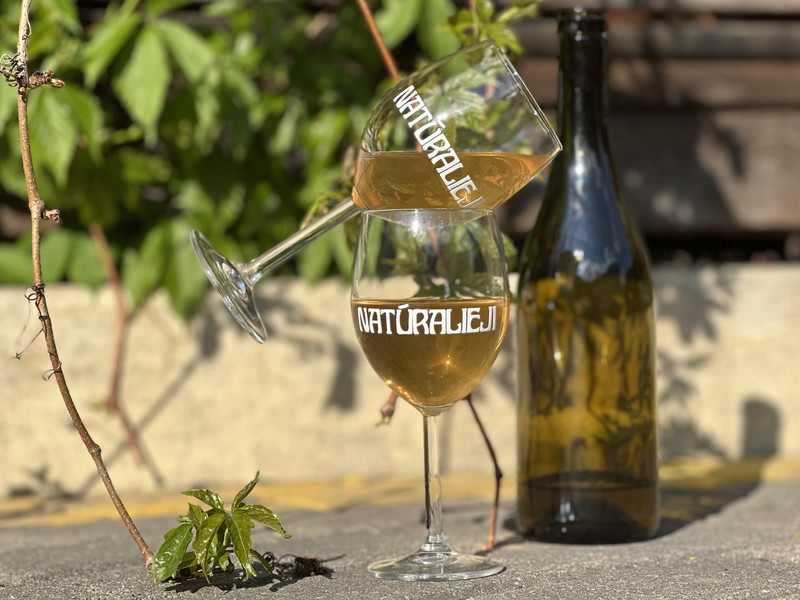 LithuaniaNatural Wine Takes the Stage in Vilnius This MayOn May 23, Vilnius will host The Naturals - a new wine fair bringing together 11 local...
 -
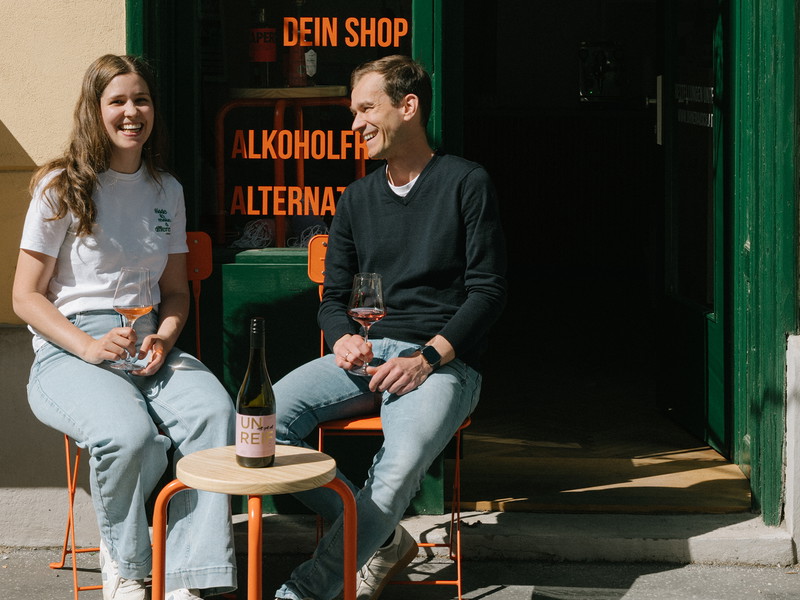 Alcohol-free"Ohnerausch" opens first store with non-alcoholic drinks in ViennaLisa and Philipp Smula open their first store for non-alcoholic drinks – from bitters and proxies...
 -
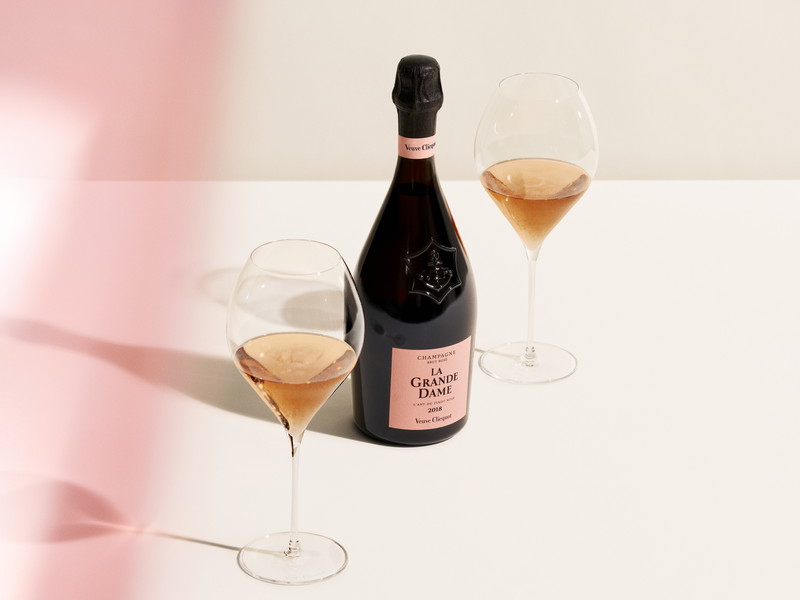 RoséVeuve Clicquot Unveils La Grande Dame Rosé 2018With Veuve Clicquot’s new “La Grande Dame Rosé 2018,” the Champagne house celebrates 200...