Too Dirty: Spain’s Beaches Receive Black Flags
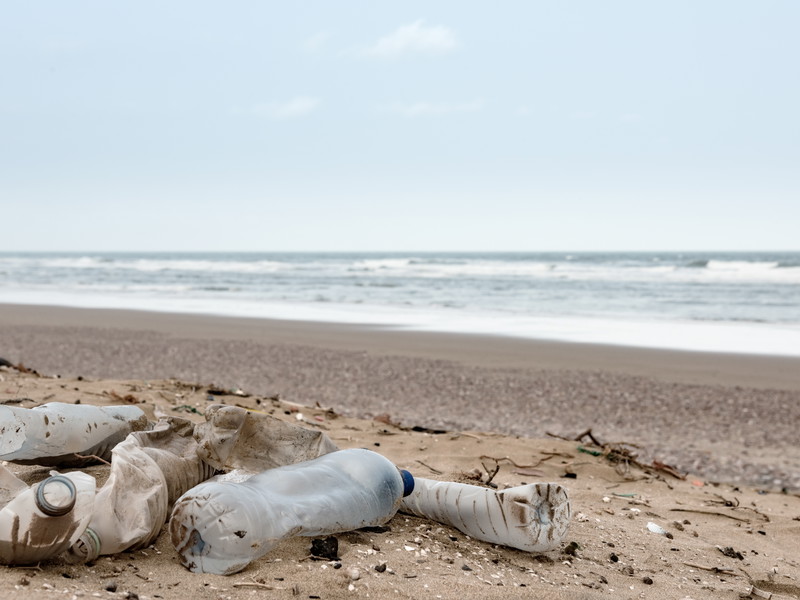
Some of Spain’s beaches appear to be in mourning: they have recently been awarded the Black Flag. This negative distinction highlights serious environmental problems. Marine pollution, inadequate wastewater treatment and other ecological pressures are taking an increasing toll on the southern European country’s coastlines.
Spain’s beaches attract millions of holidaymakers year after year. Yet behind the picture-postcard scenery, many stretches of coastline are coming under growing environmental pressure. In its Coastal Report 2026, the environmental organisation Ecologistas en Acción draws attention to particularly serious shortcomings by once again awarding 48 so-called Black Flags (Banderas Negras 2026). Each of Spain’s coastal provinces receives two negative distinctions for especially severe examples of environmental degradation or poor coastal management.
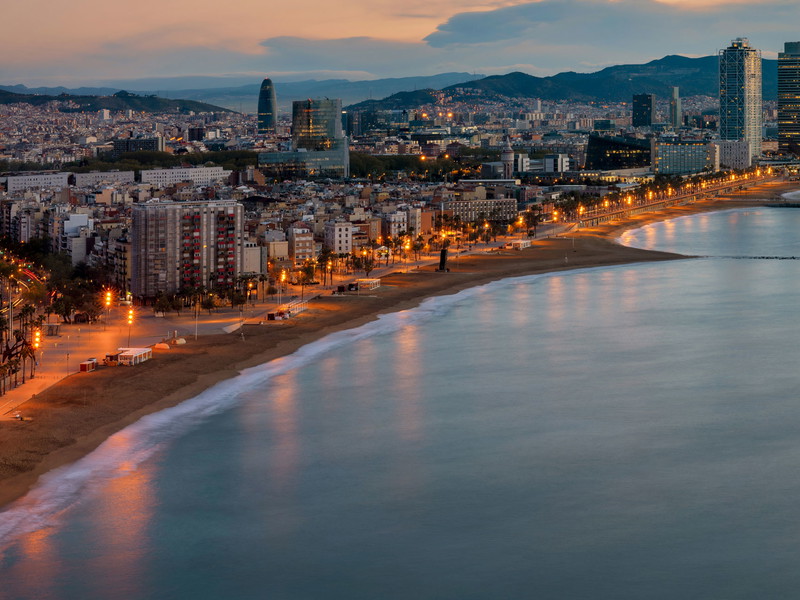
For more than two decades, the organisation has monitored Spain’s roughly 8,000-kilometre coastline. This year’s report focuses primarily on water quality and wastewater treatment. Polluted coastal waters, overstretched treatment plants and untreated discharges resulted in 14 Black Flags being awarded in this category alone. Affected areas include the Bay of Cádiz, the coastlines around Málaga and Valencia, as well as Menorca. The beach at Sant Adrià del Besòs, near Barcelona, is also criticised for persistent environmental pressures.
Protecting Biodiversity and Coastal Ecosystems
Beyond water quality, environmentalists are particularly concerned about the loss of valuable natural habitats. Nine of the Black Flags were awarded for damage to sensitive ecosystems and the decline of biodiversity. The report points to the increasing overcrowding of Galicia’s famous As Catedrais Beach, the planned expansion of Barcelona-El Prat Airport and the lack of restoration measures in the wetlands of the Basque Country.
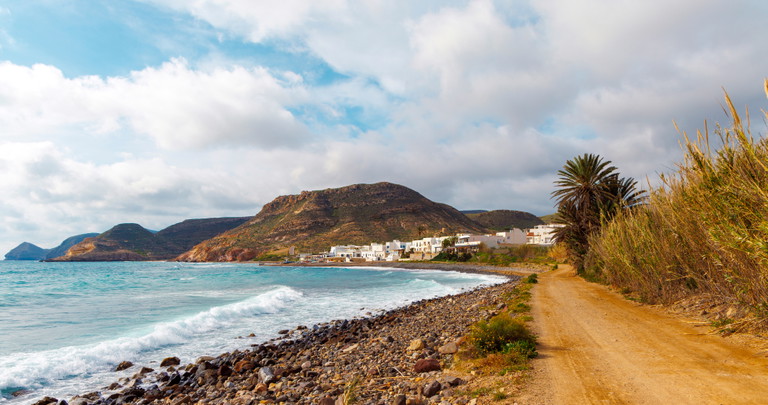
Seven additional Black Flags were awarded because of long-standing pollution issues. Among the affected areas are the Ría de Huelva and a stretch of coastline in the province of Almería, where radioactive waste is said to continue contaminating the environment.
Tourism Under Scrutiny
According to the organisation, mass tourism and large-scale infrastructure projects are placing considerable strain on many coastal regions. The report highlights the impact of cruise tourism on Lanzarote, a controversial luxury resort development on Tenerife and illegal anchoring in the Bay of Pollença on Mallorca. Further Black Flags were awarded for construction projects and coastal developments that could permanently alter sensitive landscapes.
A Positive Note
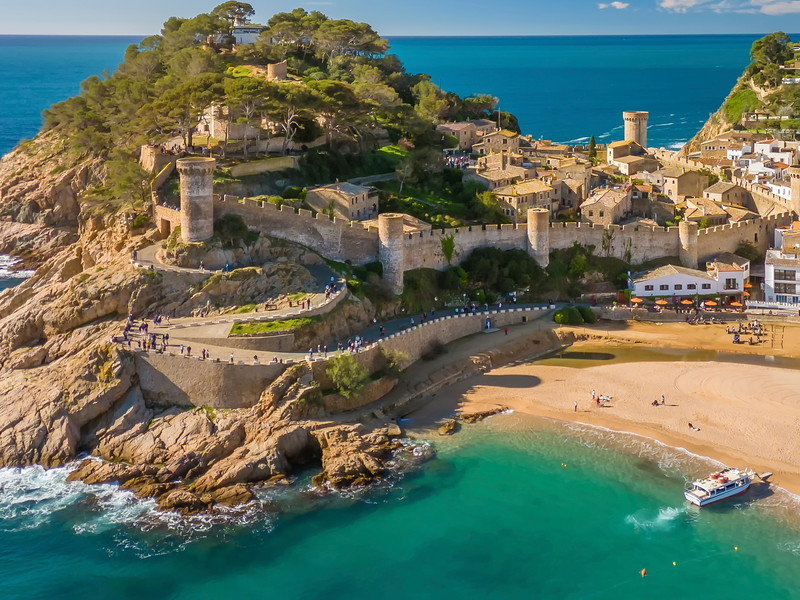
Despite its strong criticism, the report is not entirely bleak. The restoration project at La Pletera on the Costa Brava is presented as a success story. Former development sites have been dismantled and transformed back into a natural landscape of lagoons and dunes—demonstrating that environmental conservation and tourism can, in fact, coexist.
For travellers, however, the Black Flags should not be interpreted as a warning against swimming. Rather, they are intended to raise awareness of the growing environmental challenges facing Spain’s coastlines—and of the importance of striking a lasting balance between tourism, infrastructure and the protection of fragile ecosystems.