Skip to content
© Filippo LAstorina The Upcoming

A Mexican Chef's Journey into Faroese Flavours

Gourmet
Chef
Restaurant

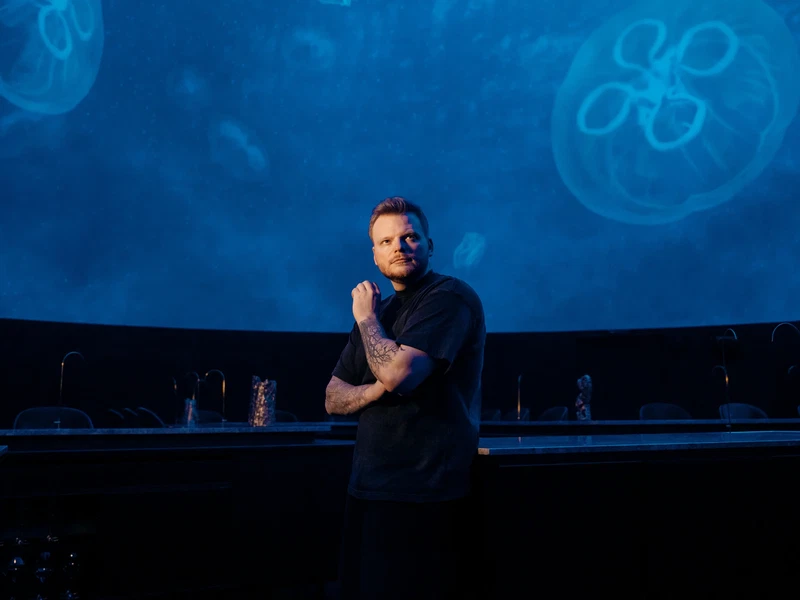
Mexican chef Sebastián Jiménez came to the Faroe Islands expecting to spend a season in a Michelin-starred kitchen. Instead, he found landscapes, ingredients and a way of cooking that transformed both his food and his perspective – and ultimately persuaded him to stay.

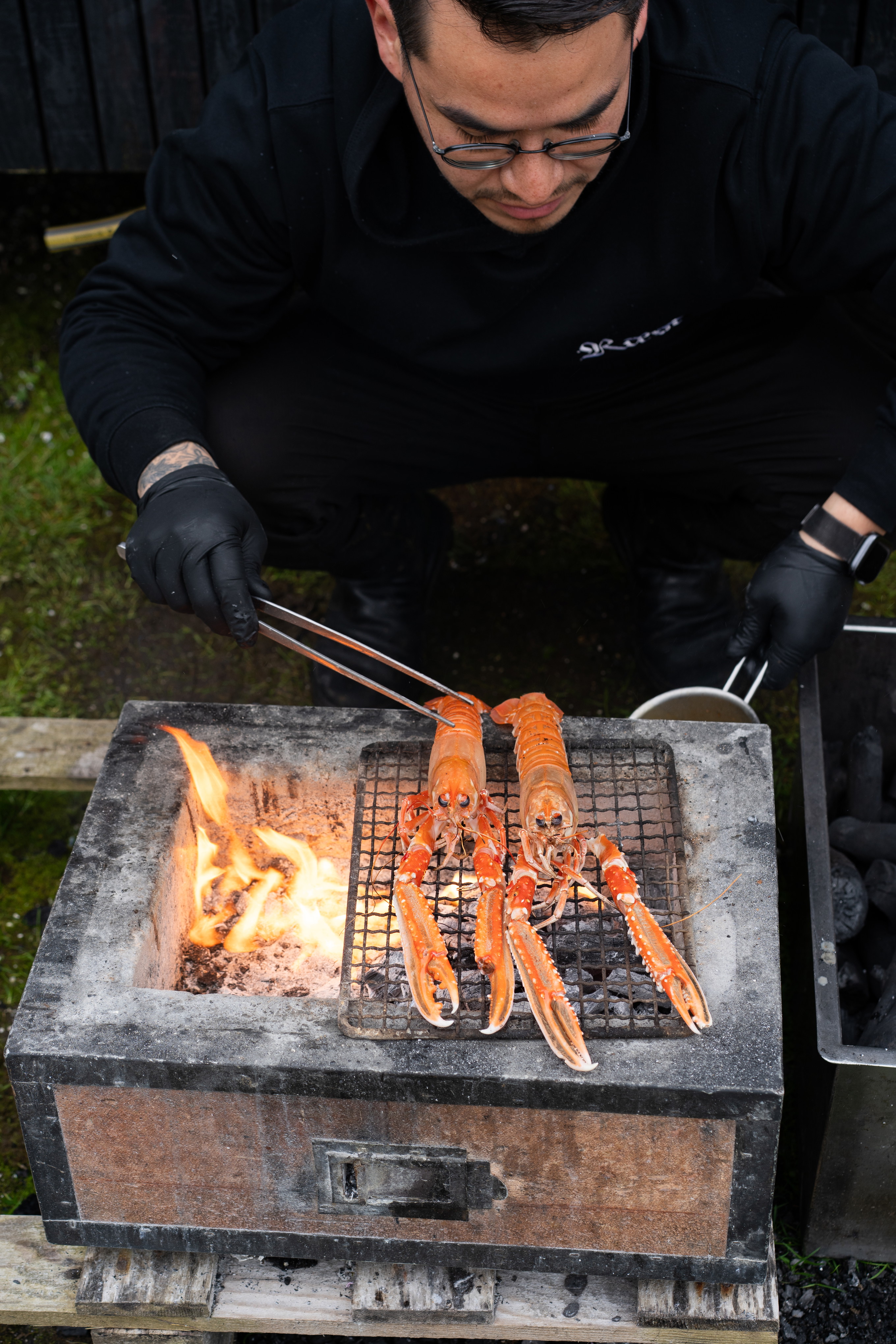
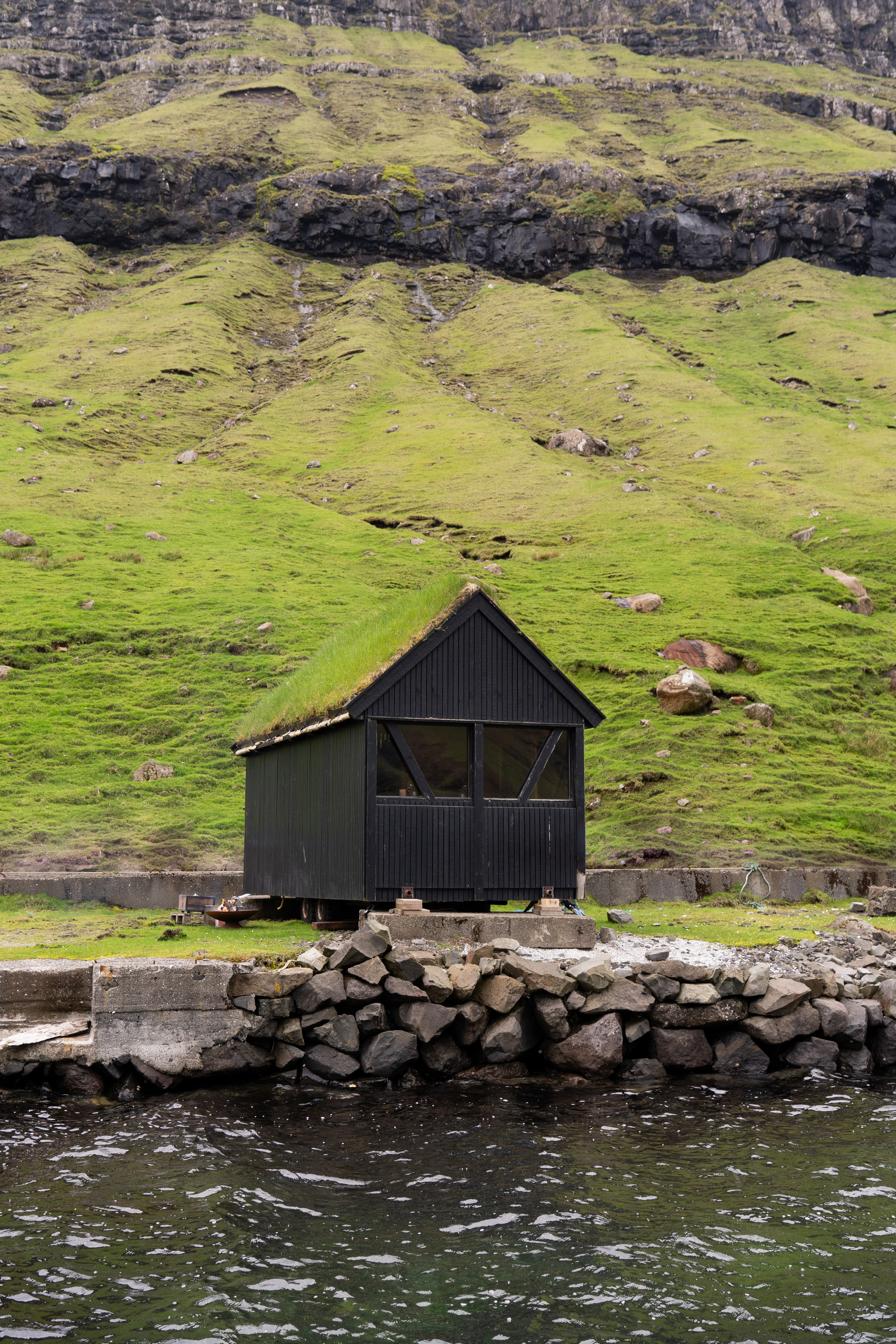
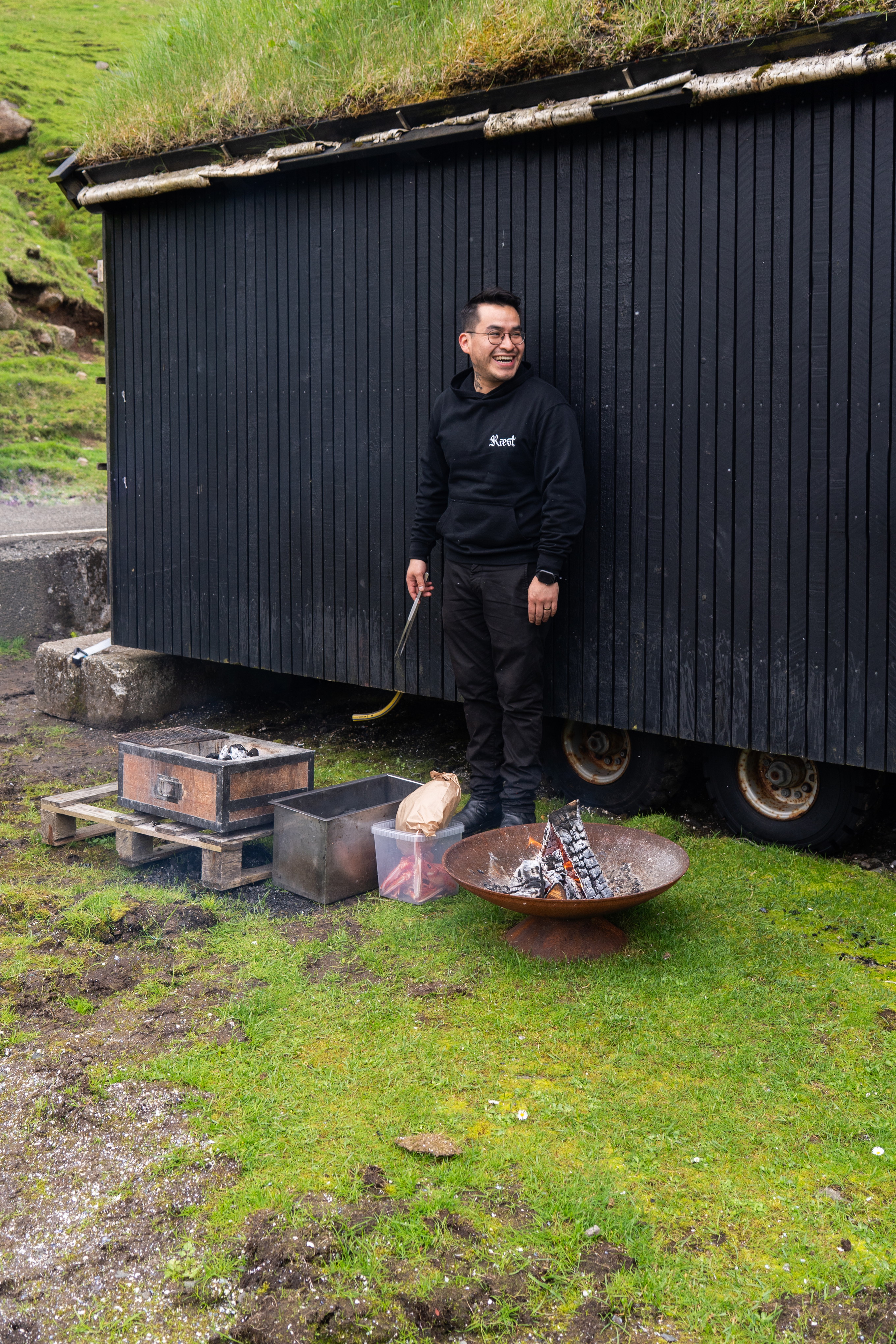
Sebastián Jiménez is squatting by a tiny grill. On top of it are two langoustines, fresh out of the water. As in literally fresh out of the water. We find ourselves outside Skerpi, placed beside a fjord near the Faroese capital Tórshavn. Next to us is a small pier, and hung alongside it are cages where Jiménez and his team keep seafood (and Champagne). They call it their pantry.

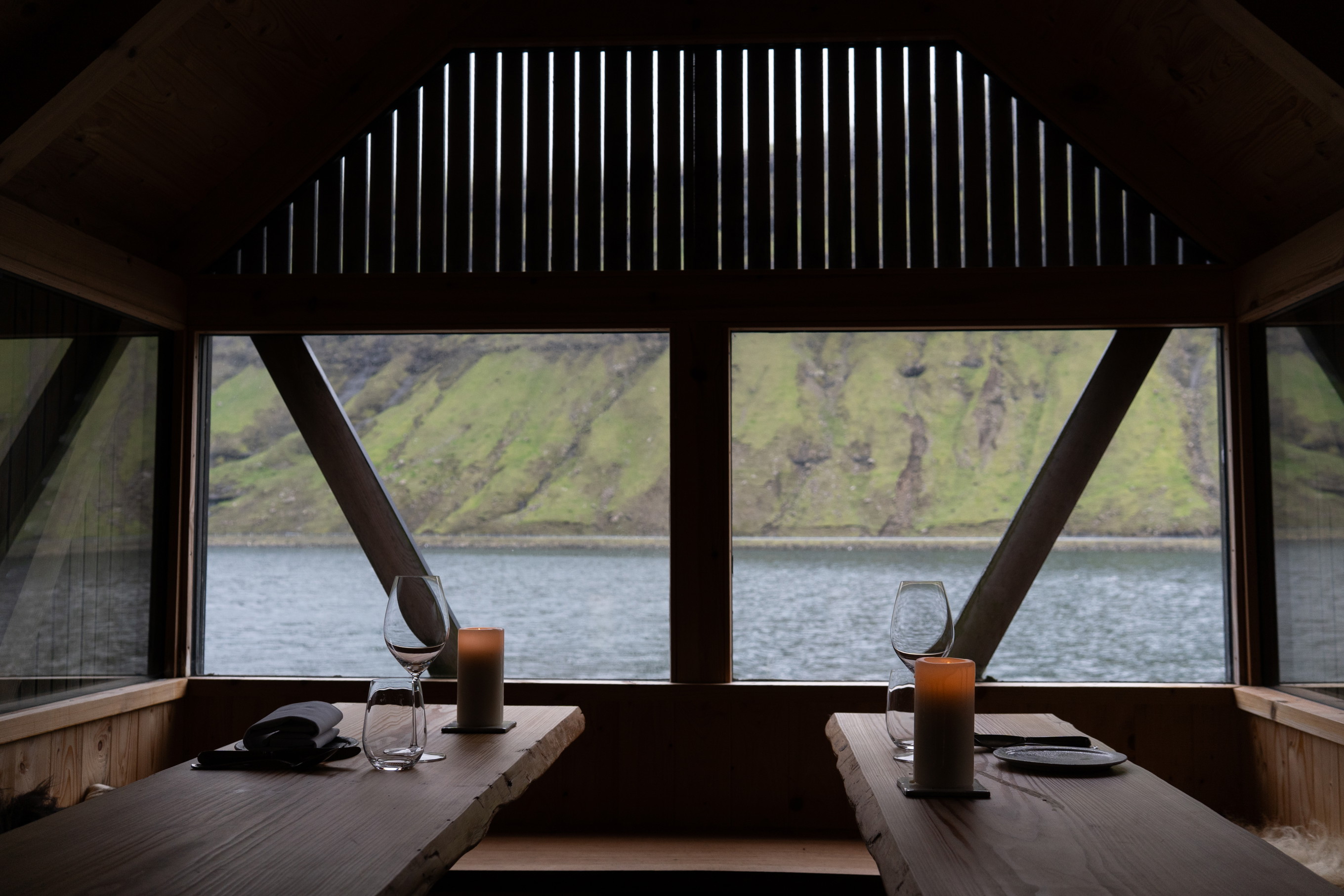
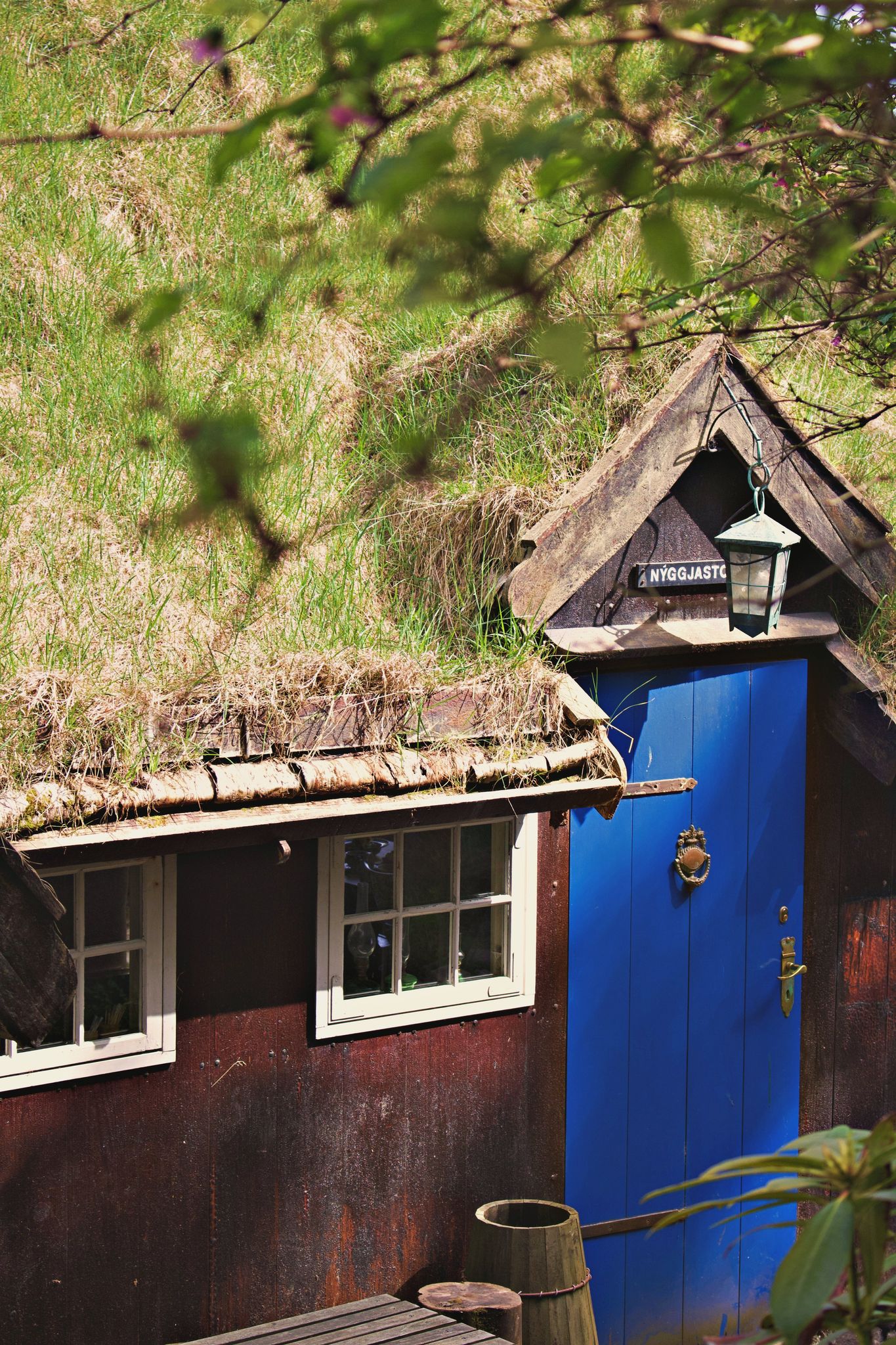
Skerpi is not a restaurant in the conventional sense. It is a traditional Faroese fermentation shed – a so-called hjallur – that has been insulated and adapted for guests. Inside are benches, sheepskin throws and a stove, but it is still intimately connected to the landscape around it. Open for lunch only and booked through Ræst where Jiménez is head chef, it is usually looked after by a very small team. There is no elaborate preparation. “We don’t change anything with these,” Jiménez says as he turns over the two slim, coral-coloured lobsters. “The only thing you’re going to taste is pure grilled langoustine. Maybe a bit of butter, but that’s it.”

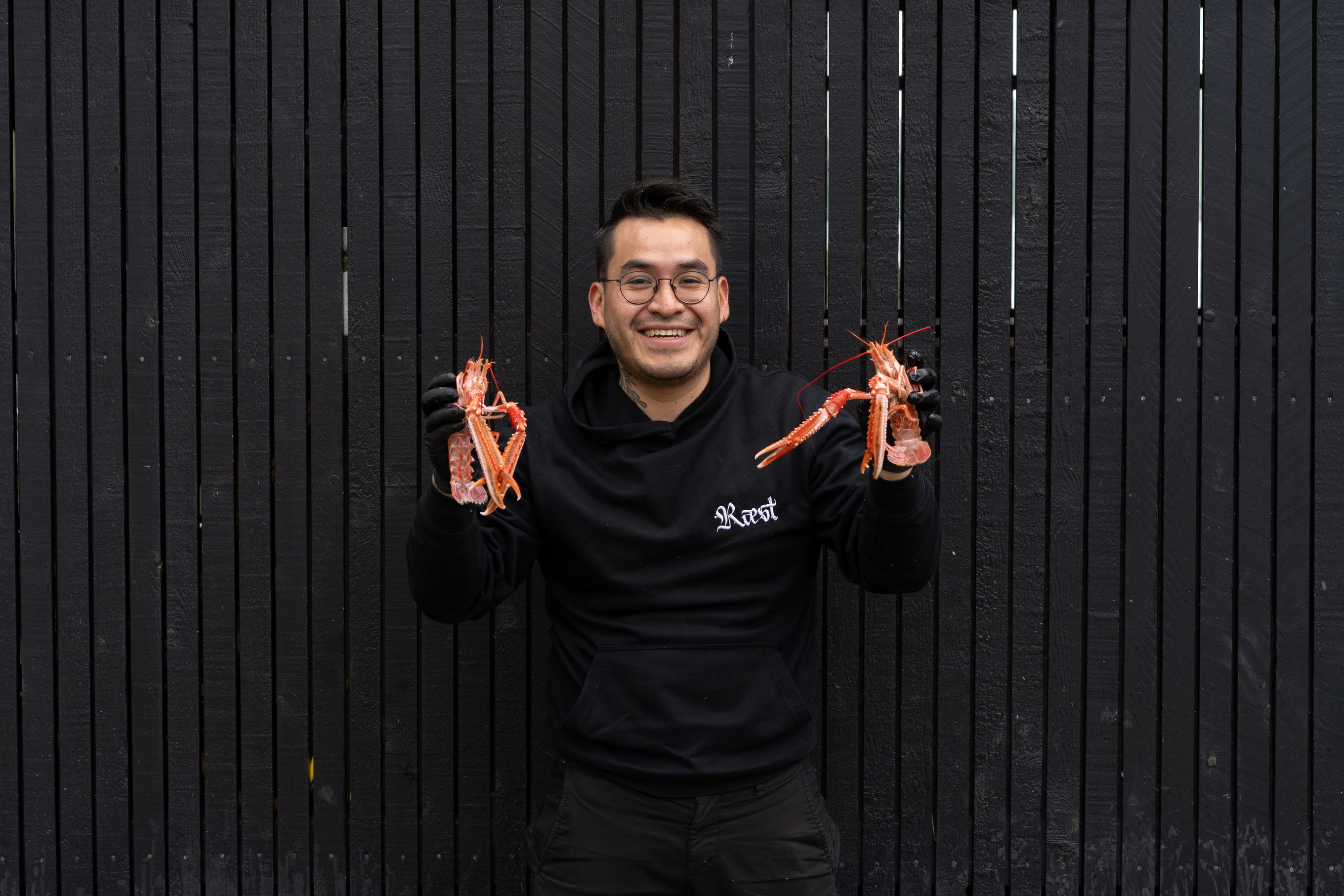
At Ræst, Jiménez may be leading one of the Faroes’ most ambitious restaurants, but when he first arrived in 2019, he knew little about the local food culture of this remote Nordic country. His goal was to experience a Michelin-starred kitchen. At the time, KOKS held two of those and had become one of the most talked-about Nordic restaurants. Jiménez submitted an application and was offered a position for the season. What he found exceeded any expectations he had brought with him from his native Mexico. “It completely blew my mind,” he recalls. “The nature, the products, the lifestyle, the culture, the way of running the restaurant. It really changed my perspective on food and cooking.”

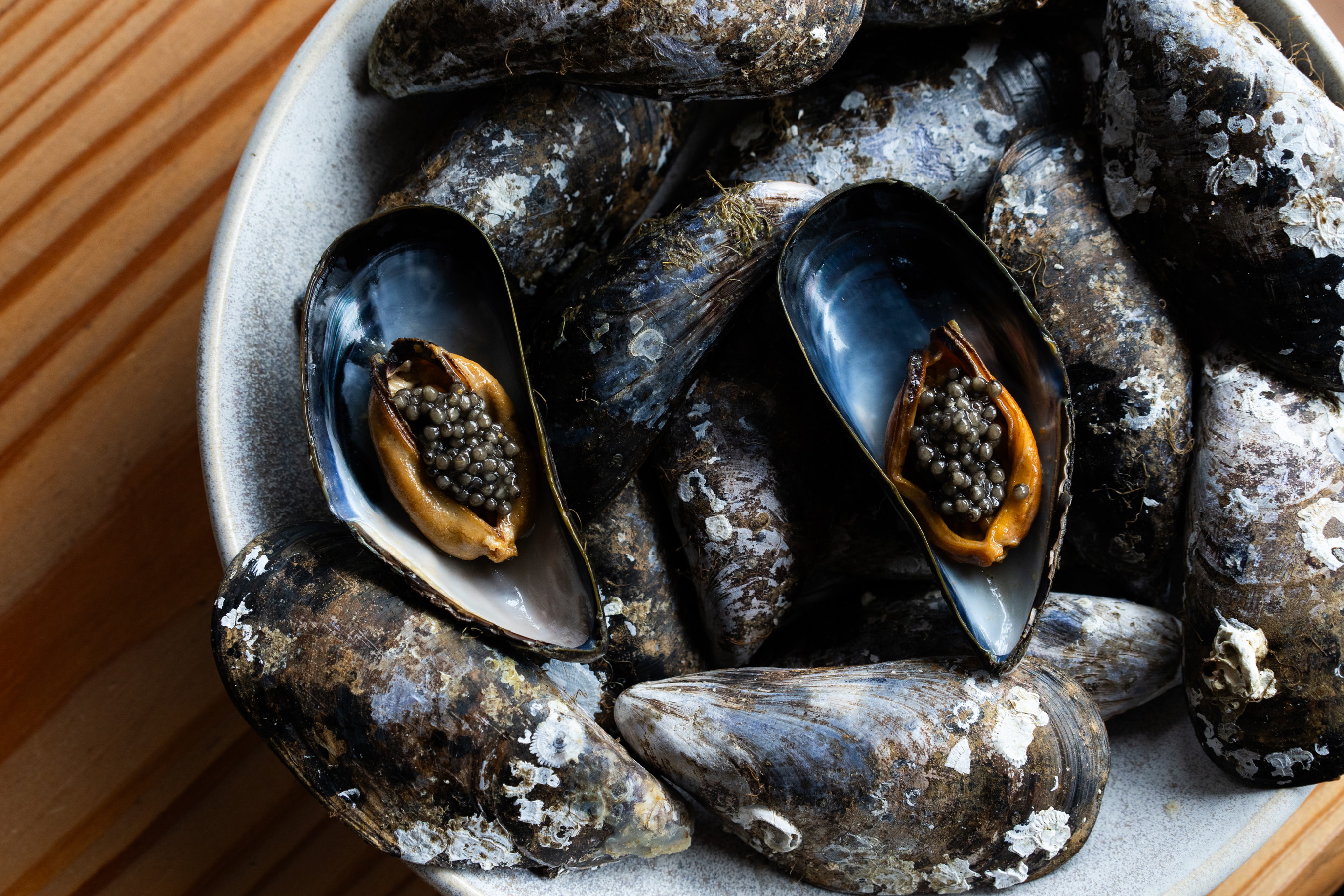
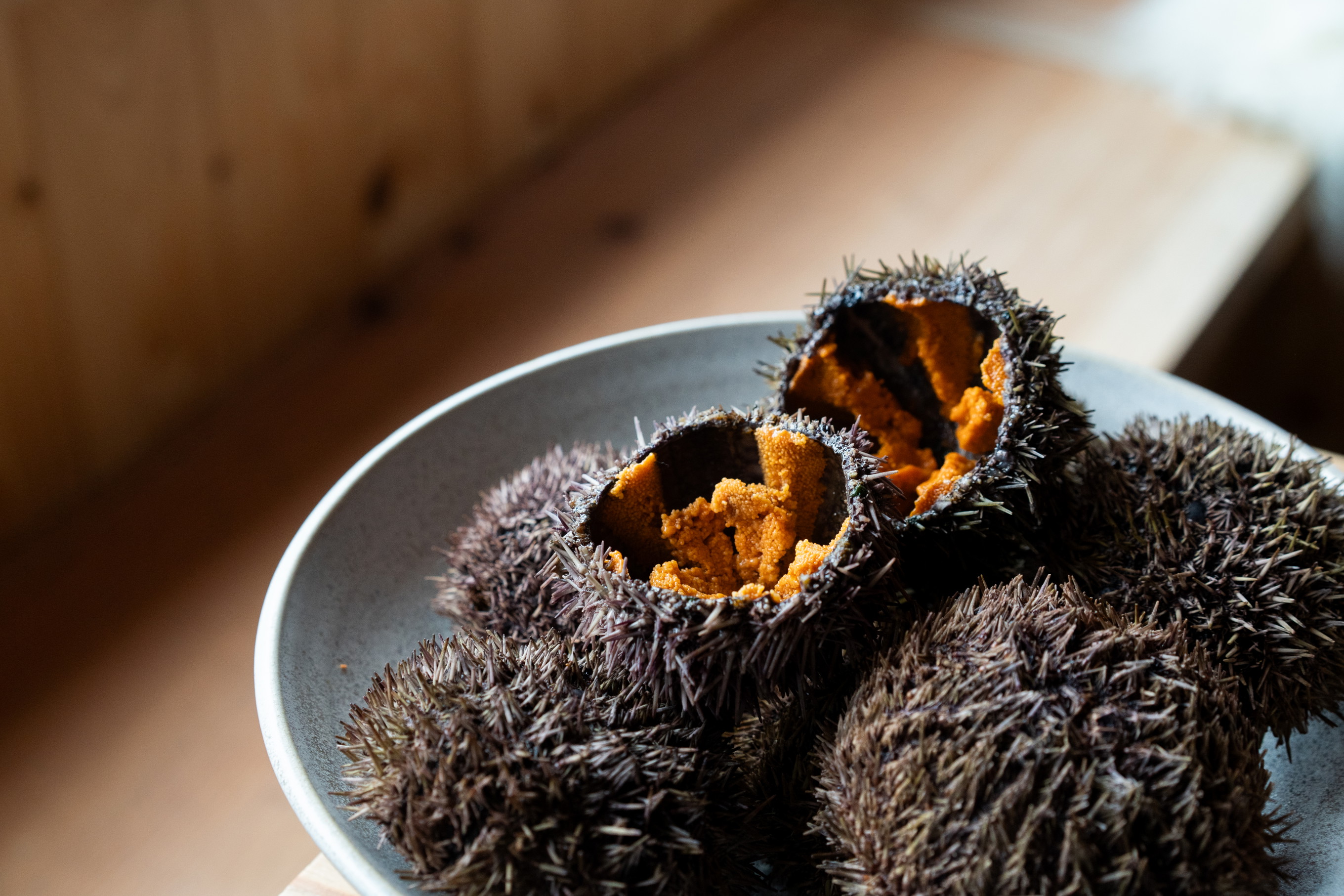
The impact was particularly profound because Jiménez’s upbringing happened far from the sea. Hailing from the central state of Puebla, he did not grow up eating much seafood. Some ingredients that are fundamental to his cooking today were entirely new to him. “The first time I worked with langoustines, the first time I ate sea urchins, was here in the Faroe Islands.”

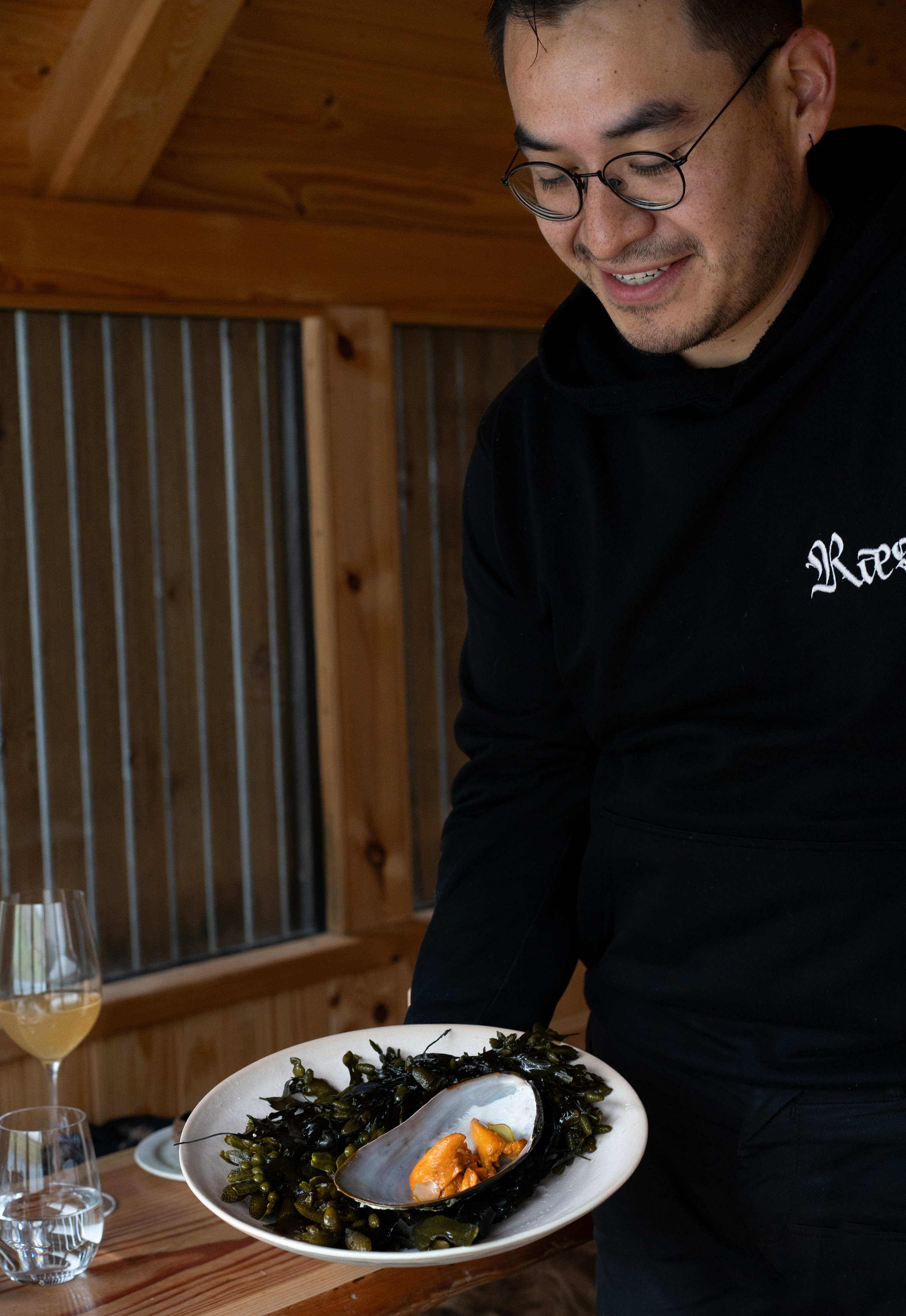
There were other discoveries as well. What fascinated Jiménez was the relationship between people and food. The Faroe Islands offer abundance, but of a very different kind than many culinary destinations. Fresh herbs, vegetables and fruit are limited by climate and geography. Seafood, meanwhile, arrives directly from surrounding waters, while preservation techniques developed over centuries remain part of daily life. For Jiménez, those conditions encouraged a different way of thinking. “You start appreciating a carrot, a potato, an onion a lot more,” he says. “In Mexico, it’s available in tons.” Now, foraging has become part of daily life. “Now that it’s summer, a lot of things are growing in the wild. Just yesterday we were picking pine and flowers, a few days ago we collected beach herbs. We really focus on what grows here,” he says. Among the ingredients that have made the strongest impression is skerpikjøt, Faroese wind-dried, fermented lamb. Its pungent aroma and intense flavour can be challenging even for visitors who arrive expecting culinary adventure. Jiménez loves it. “I snack on it every time we’re serving it at Ræst,” he says with a laugh. “It’s so intense and so complex. You’re literally tasting time.”

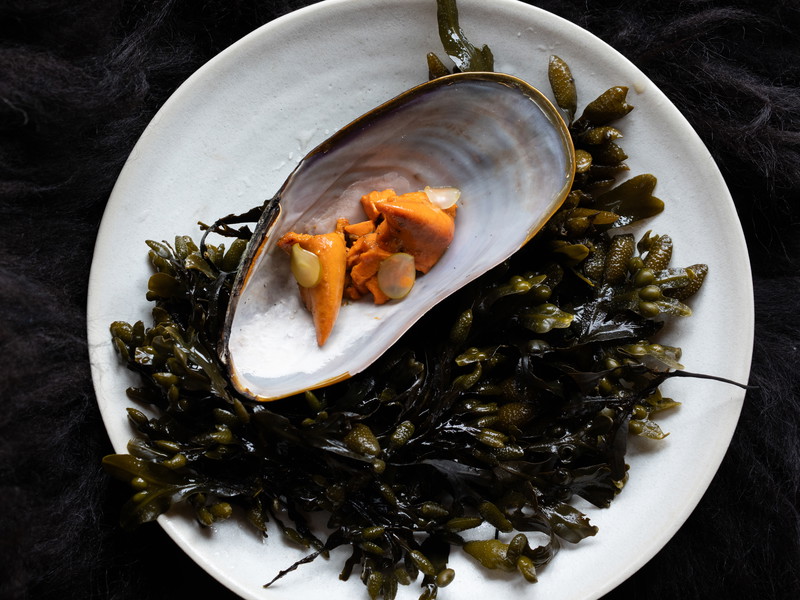
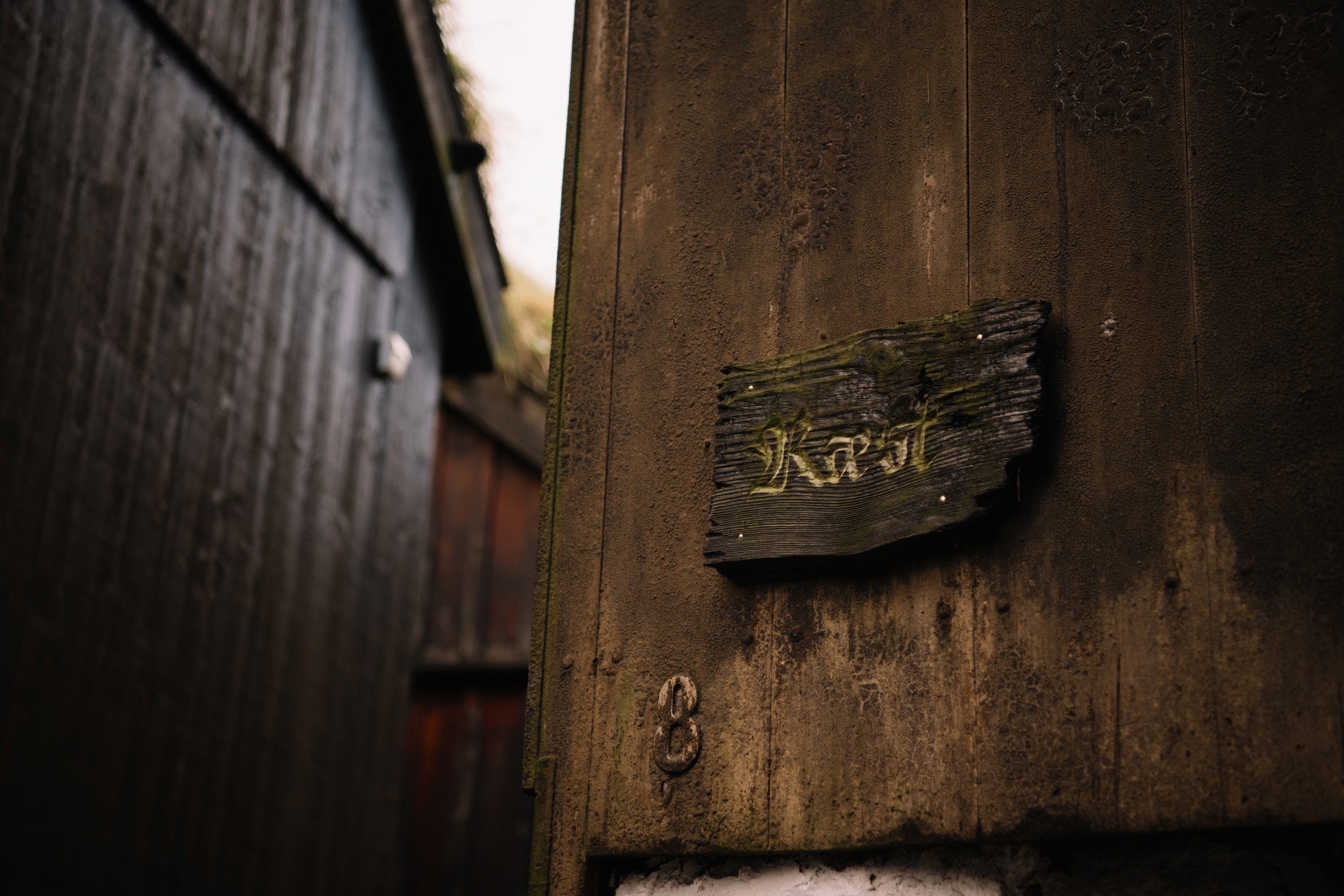
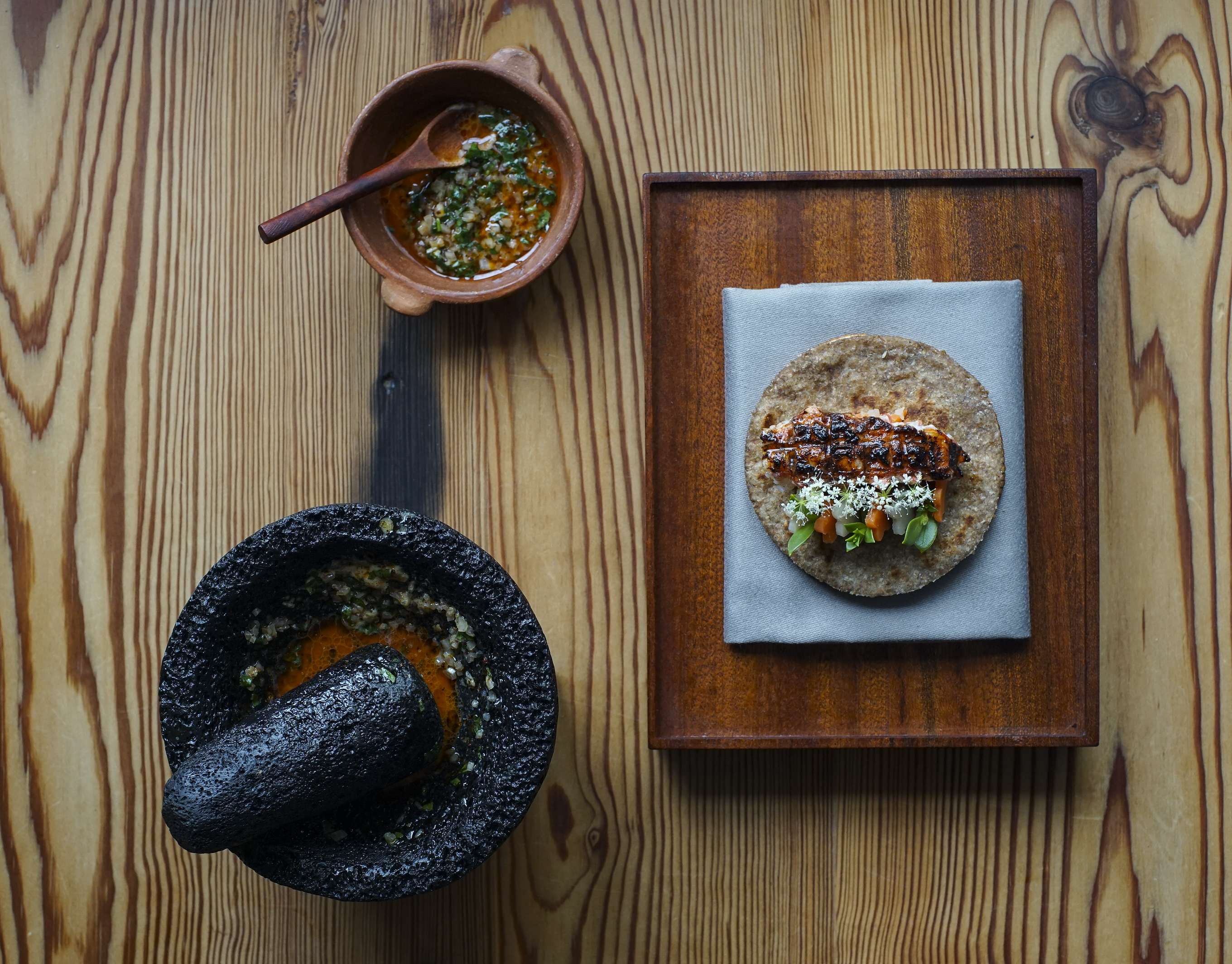
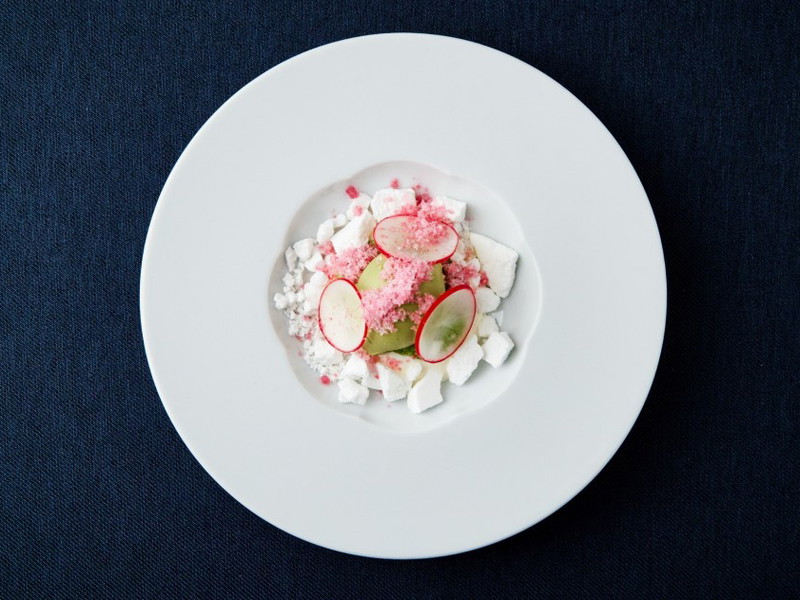
Ræst takes its name from one of several Faroese words connected to fermentation. Traditional techniques that once helped island communities survive long winters are reinterpreted through Jiménez’s contemporary cooking. He often explores what happens when Faroese ingredients meet influences from his own background. One course sees langoustines served in a sauce made from the shells and liver, lifted with smoked Mexican chipotle. Another sees a taco topped with ræstkjøt; lamb neck that has been fermented for three months before being gently boiled. A traditional flatbread called drýlur serves as the tortilla, while a salsa prepared tableside in a traditional Mexican molcajete incorporates a chimichurri made with currant leaves pickled in vinegar, carrot and sesame. “We’ve made a gel out of pickled rhubarb, which adds a feeling of lime, because a taco needs some sort of citrus kick,” Jiménez says. “Of course, you fold it just like a taco and eat it with your hands. I recommend the first bite as it is, so that you experience what ræstkjøt tastes like. Then, add salsa.” The dish is neither strictly Mexican nor traditionally Faroese. It reflects the experience of a chef who now belongs to both worlds. After working as a chef de partie at KOKS in 2021, Jiménez returned to Mexico when the restaurant relocated to Greenland. But the Faroes stayed with him, and in 2023 he was offered the chance to take charge of the kitchen at Ræst. His wife, Fernanda Hernández, has also made the Faroes her home and runs the restaurant’s pastry programme.

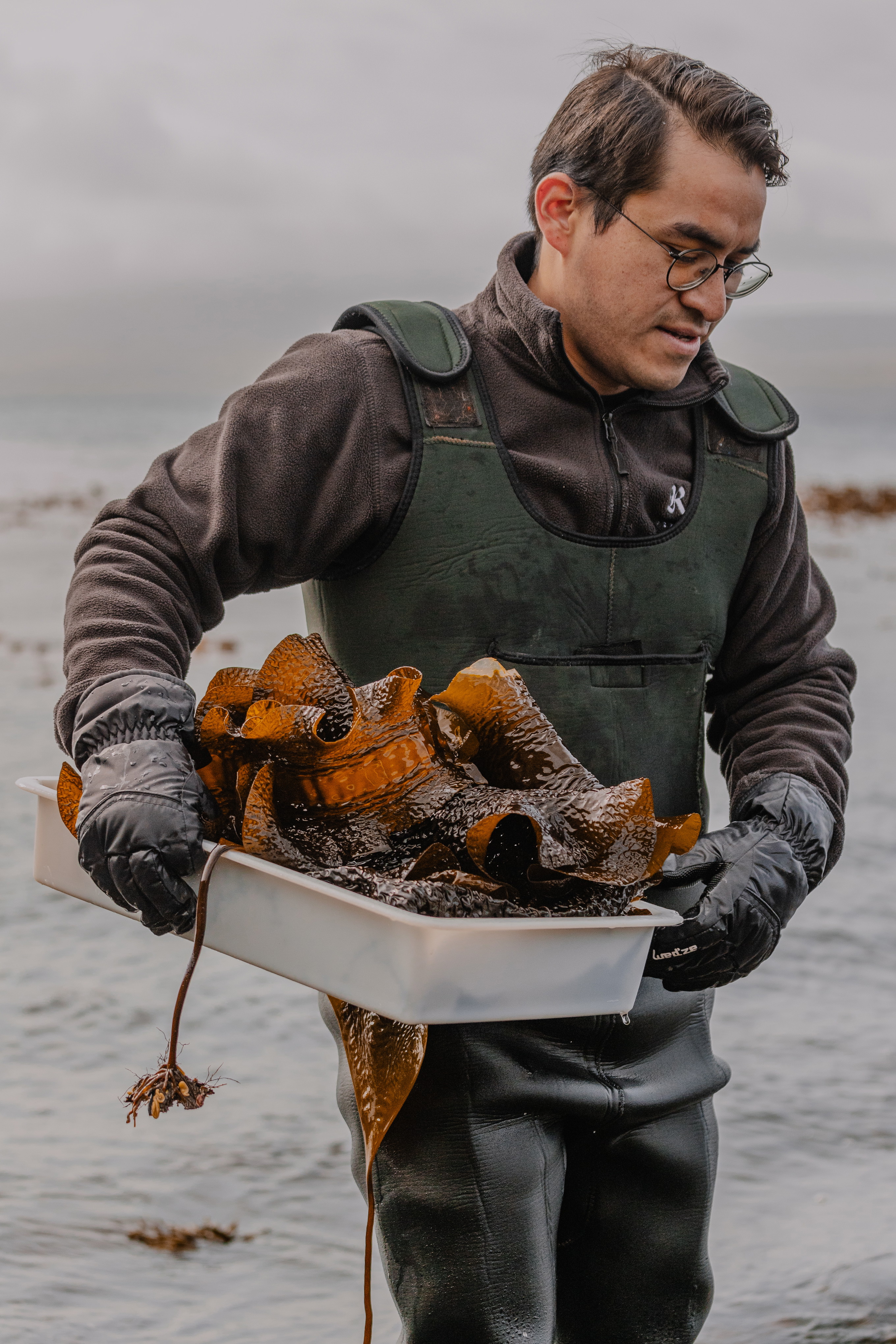
Some of Jiménez’s favourite moments still happen far from the dining room. Standing outside Skerpi, grilling shellfish over open flames; watching divers deliver seafood directly from the fjords; walking along the coastline gathering sea sandwort that will later appear on a plate. They are reminders of why he stayed. “Not everyone gets the chance to taste food like this,” he says, looking out across the water. “I really love being here.”

Linda Iliste
Author
Find out more
1 / 12