Vilnius’ 5 Must‑Try Bakeries
Over the past few years, Vilnius in Lithuania has quietly emerged as one of the Baltic region’s...
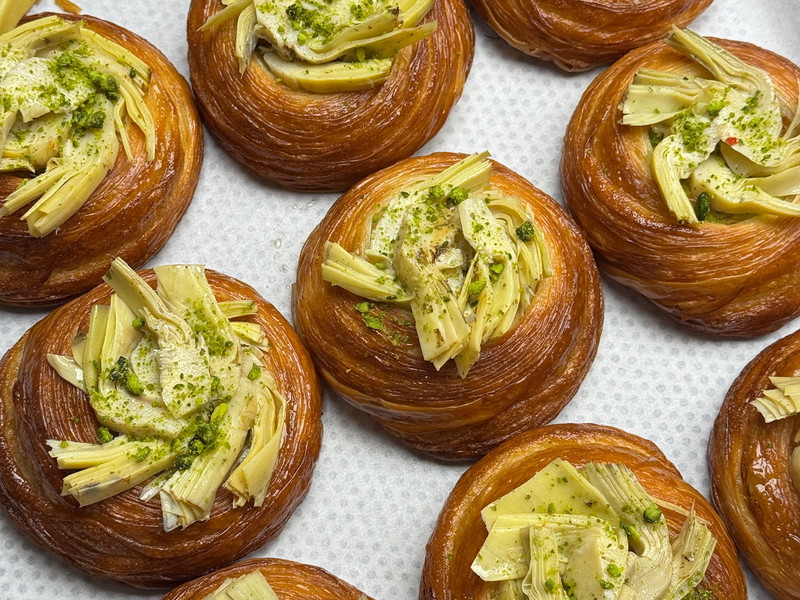
With the opening of "BREW Bakery", the team brings its third-wave coffee philosophy into the world of sourdough and laminated pastry: precise sourcing, slow fermentation and respect for raw ingredients. Led by pastry chef Jekaterina Zvonkuvienė, the bakery values patience over spectacle — because good bread, like good coffee, cannot be rushed.
In Vilnius, the language of specialty coffee has long revolved around origin, precision and respect for raw material. With the opening of "BREW Bakery", that same vocabulary is now being applied to flour, butter and time.
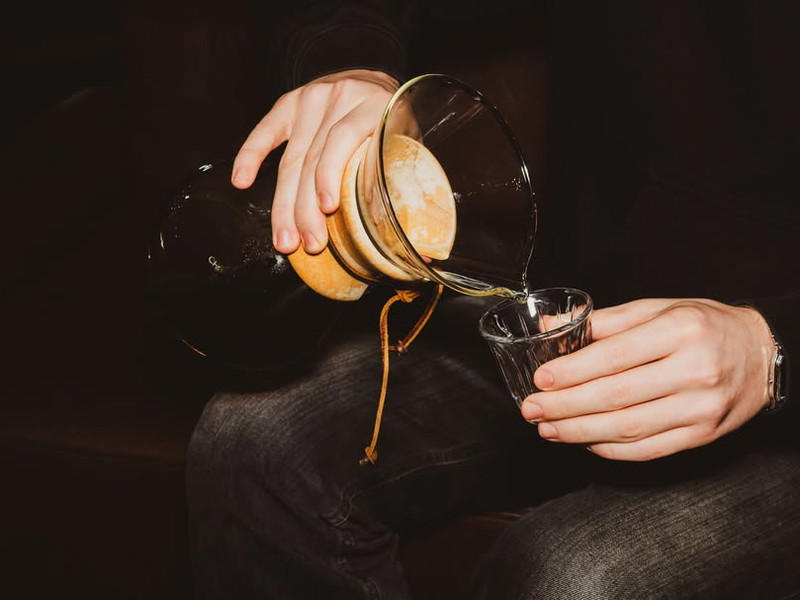
"BREW" itself is rooted in the principles of the third wave of coffee — a movement that treats coffee not as commodity but as a craft. As specialty coffee bar operators and roasters, the group has built its reputation on high standards, careful sourcing and a slow, quality-driven food culture. Each bean is selected deliberately and roasted in Vilnius, with sustained attention to process and education. The emphasis has always been on understanding the product in depth rather than accelerating turnover.
"BREW Bakery" emerges as a natural extension of that philosophy. If coffee demands precision in origin, roasting and extraction, baked goods demand the same discipline in ingredient selection and fermentation. The logic is consistent: better raw materials, a more controlled process, deeper flavour.
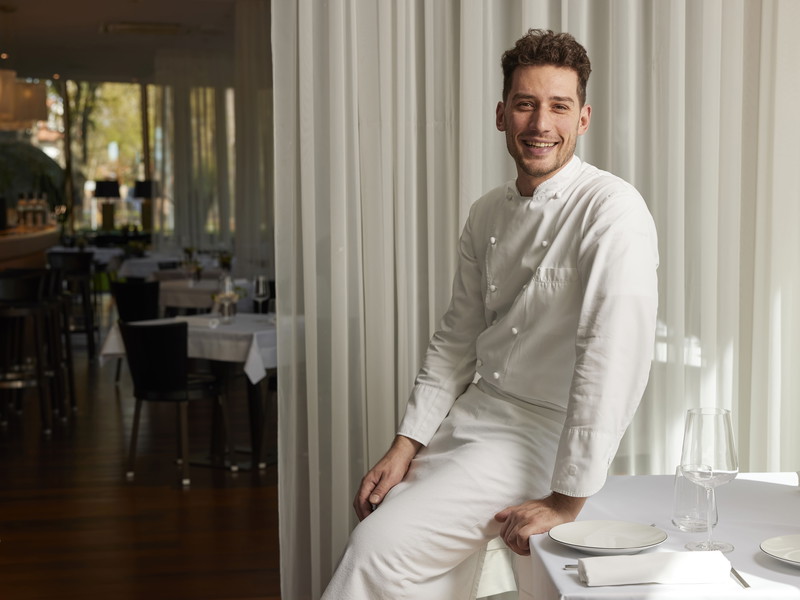
At the centre of the bakery stands Jekaterina Zvonkuvienė — one of Lithuania’s most recognisable pastry chefs and a pioneer of modern confectionery in the country. Over the past fifteen years, her career has moved from a home kitchen to some of Europe’s most respected pastry institutions: Jordi Bordas in Spain, Olivier Bajard and Julien Boutonnier in France, and Bellouet Conseil in Paris. In Lithuania, her desserts have shaped menus at Sugamour, Pacai Hotel and Gastronomika.
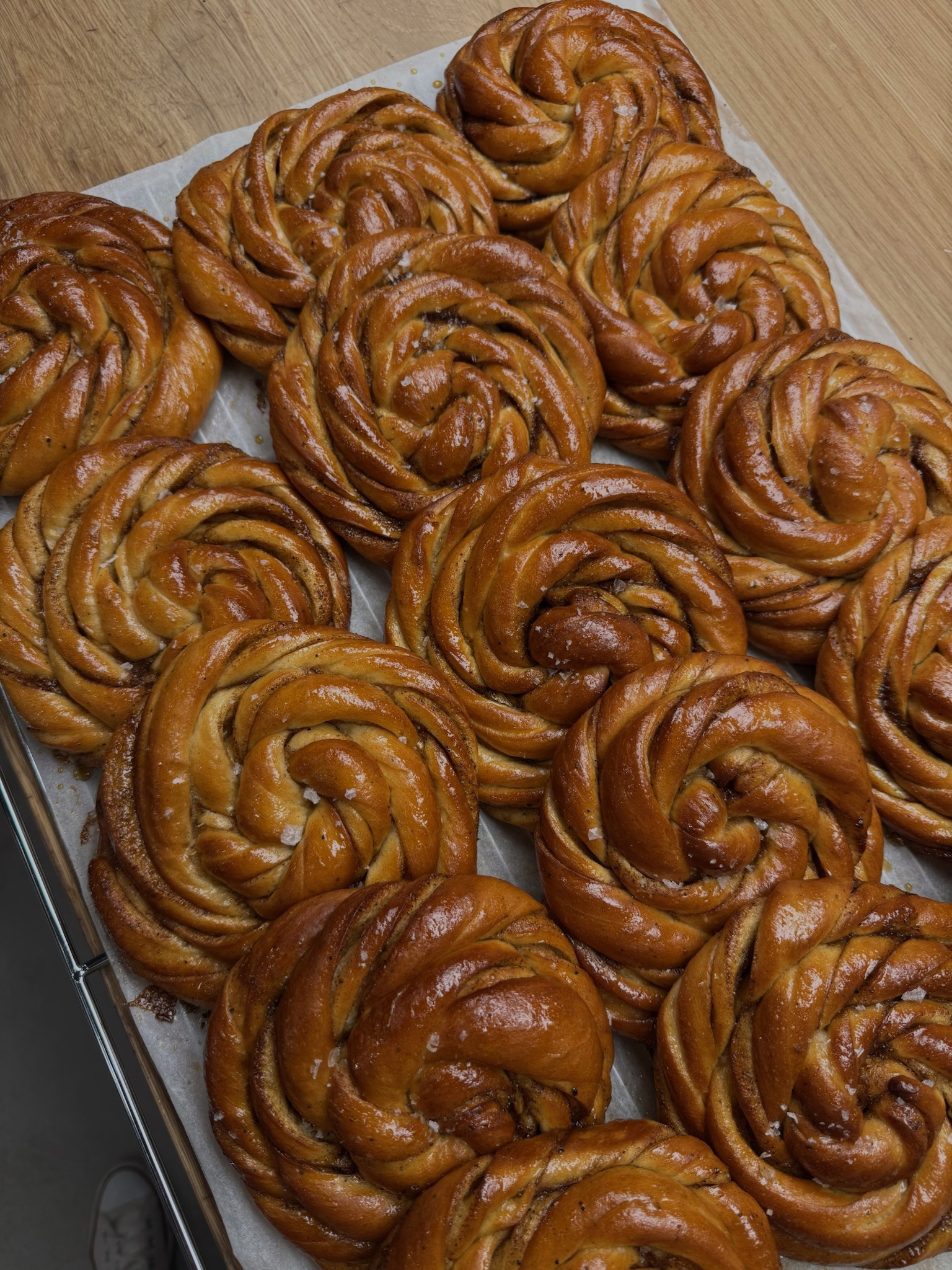
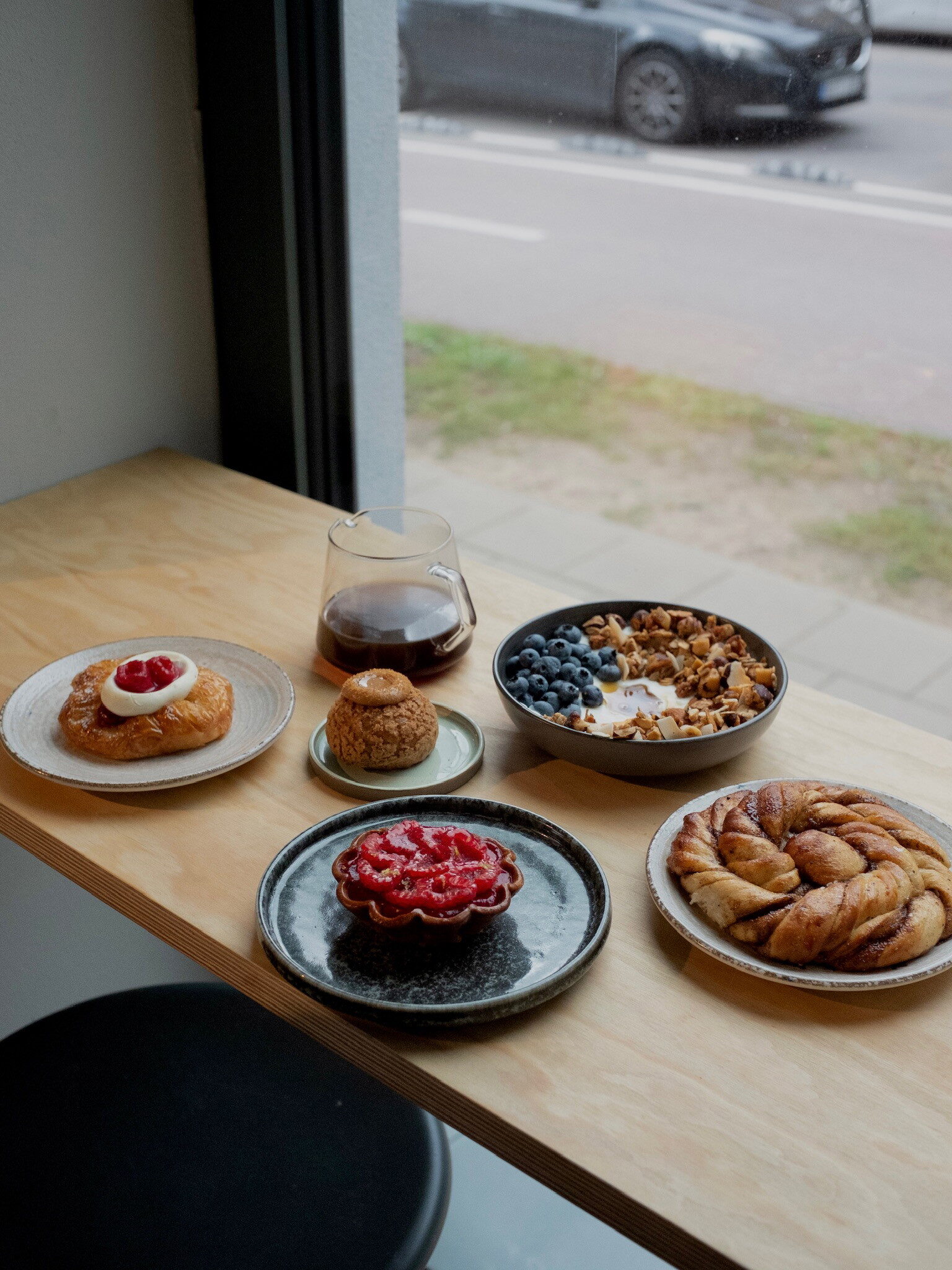
At "BREW Bakery", however, the focus shifts from plated dessert to bread and laminated dough — from finish to foundation.
The majority of products rely on sourdough fermentation, sometimes as the primary leavening method, sometimes as a structural element within puff pastry. Slower fermentation allows deeper aroma, improved structure and greater balance. Time becomes a functional ingredient rather than a limitation.
The assortment is intentionally narrow. Every product passes through what Zvonkuvienė describes as a strict internal filter. There is no attempt to compensate with quantity. Empty shelves are accepted as part of responsible production.
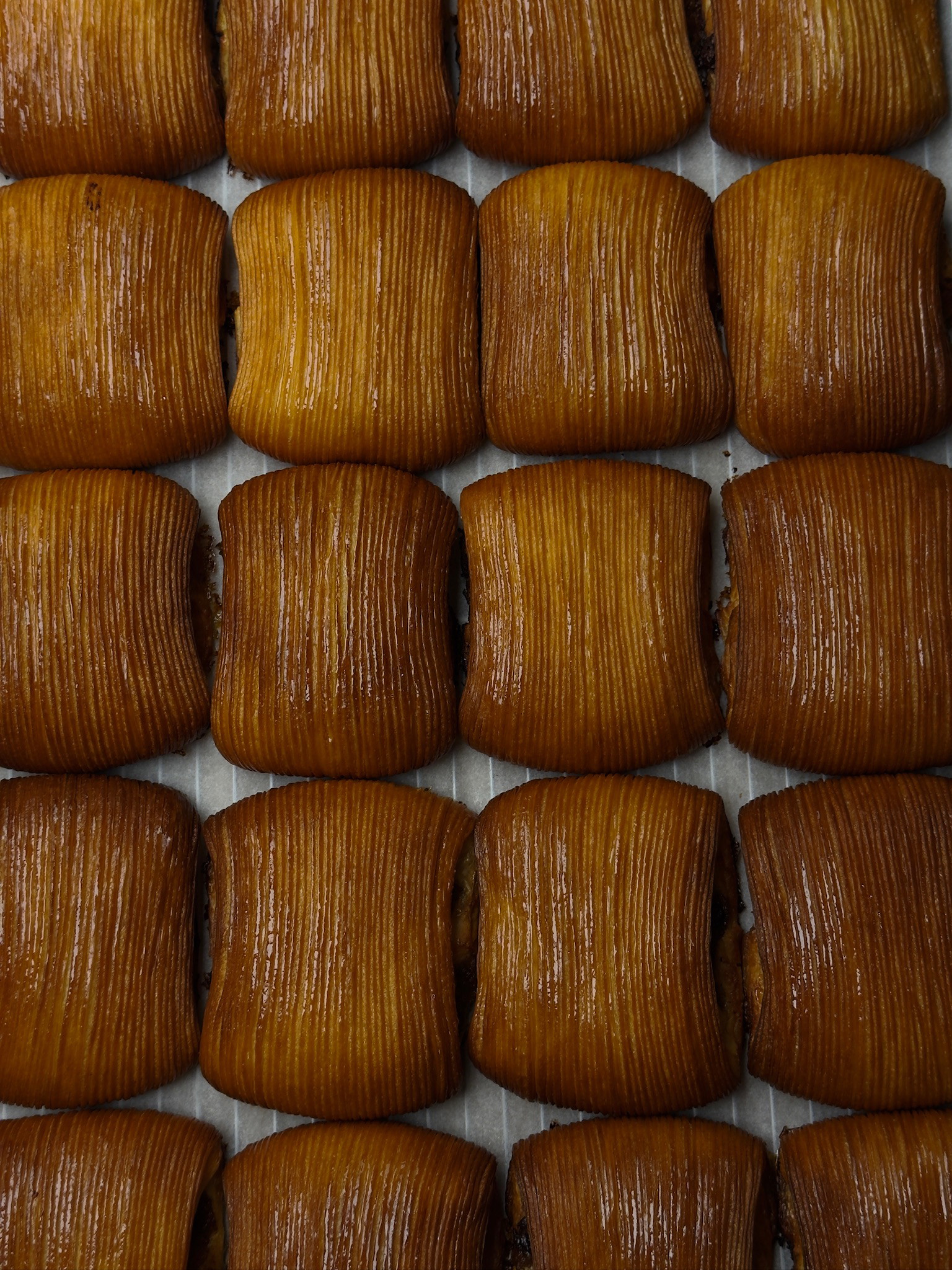
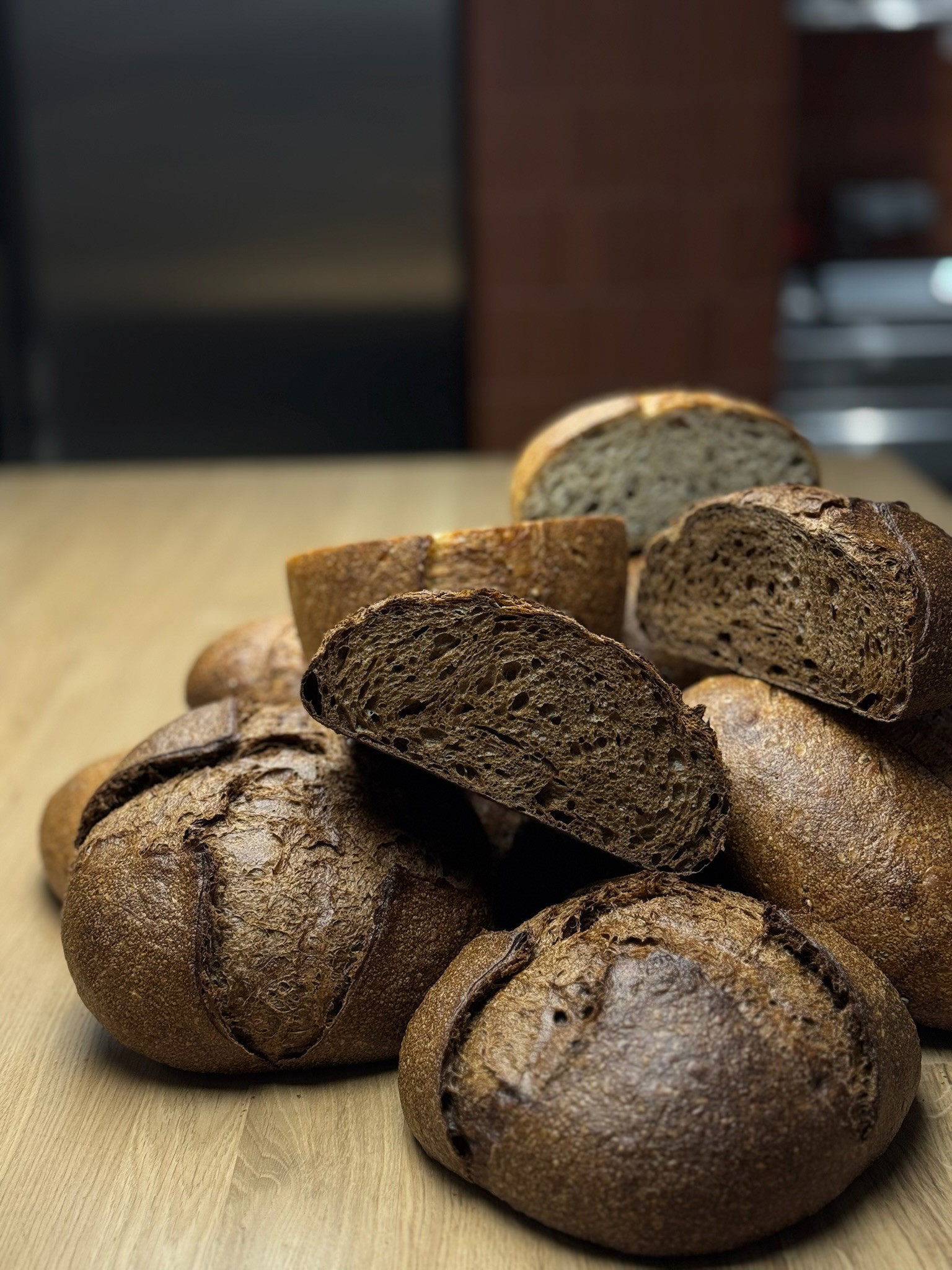
Clean production, thoughtful sourcing and moderation shape the bakery’s daily rhythm. Dessert is not framed as daily necessity but as considered pleasure — something chosen with awareness. The same restraint applies to bread. Consumption culture, here, is tied to responsibility.
In a market often driven by visual excess and rapid trends, "BREW Bakery" takes a slower route. It does not pursue novelty for its own sake. If a more complex method results in better taste, that method is chosen. Fermentation replaces speed; patience replaces spectacle.
The connection between coffee and bread is not decorative but structural. Both rely on raw material, transformation and calibrated control. Both reveal haste immediately. Both reward repetition and care.
Vilnius’ bakery scene continues to evolve, yet "BREW Bakery" positions itself less as an expansion and more as a continuation of existing beliefs: authenticity, taste and quality understood not as slogans, but as working principles. The shelf may remain restrained. What fills the space instead is time — and the quiet confidence that good bread, like good coffee, cannot be rushed.