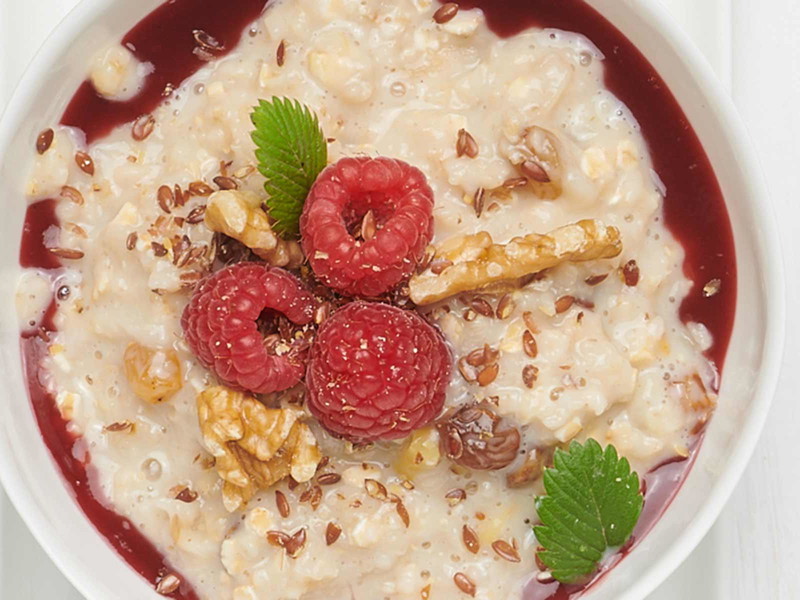
Porridge Power Bowl with Raspberries
Start your day the fruity way with this bowl.
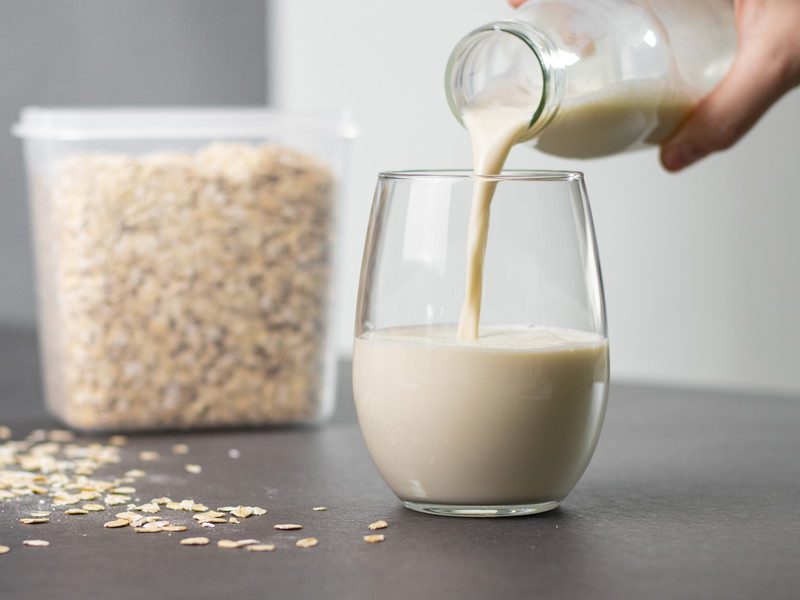
Homemade oat milk can be prepared quickly and easily using only two ingredients. This plant-based milk alternative is affordable, natural, and completely free from additives.
Vegan milk alternatives have become an essential part of everyday life in recent years, as more and more people turn to plant-based drinks such as almond, soy, or rice milk. Oat milk, in particular, has gained immense popularity thanks to its mild flavor, versatility, and the fact that it can easily be made at home. Anyone looking to avoid additives, sugar, or emulsifiers can prepare oat milk themselves with minimal effort. In fact, all you really need are two basic ingredients.
Makes approximately 1 liter:
Optional for extra flavor:
For the quick version, simply combine cold water and rolled oats. For one liter of oat milk, use about one liter of water and roughly 60 grams of oats. Fine rolled oats work best because they blend more smoothly, while coarse oats should ideally be soaked briefly beforehand.
Place both ingredients in a blender and blend on high speed for one to two minutes until the mixture develops a milk-like consistency. It is important not to let the mixture heat up too much during blending, so using very cold water or taking short pauses can help.
Once blended, strain the liquid through a nut milk bag, a fine sieve, or a clean kitchen towel to remove any solids. The finished oat milk can then be poured into a sealable bottle and stored in the refrigerator.
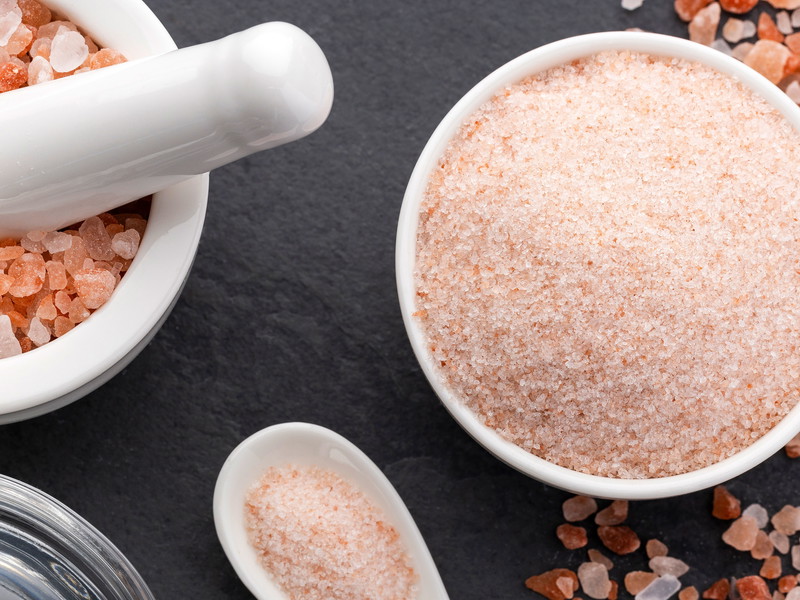
For a sweeter or more aromatic version, optional ingredients such as dates, rice syrup, vanilla extract, or a pinch of salt can be added.
The consistency can also be adjusted easily. For creamier oat milk, simply use slightly less water, while adding more water creates a thinner texture. If the oat milk still seems too thin after straining, it can be blended again with a little more oats or left to rest briefly in the refrigerator, where it will often thicken naturally.
Another advantage of homemade oat milk is its sustainable approach to reducing food waste. The leftover oat pulp does not need to be discarded and can instead be used in smoothies, porridge, or muesli, adding extra fiber and nutrients. With just two simple ingredients, you can create a fresh, versatile, and budget-friendly plant-based drink.