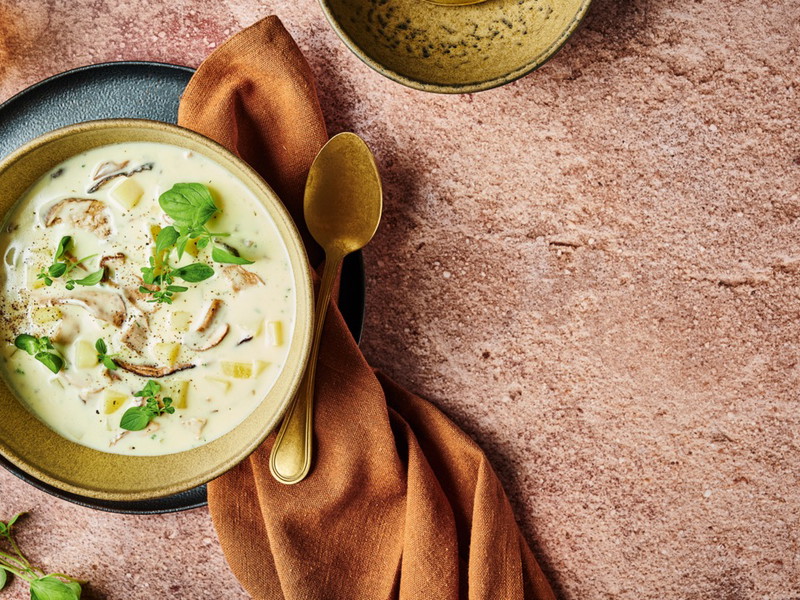
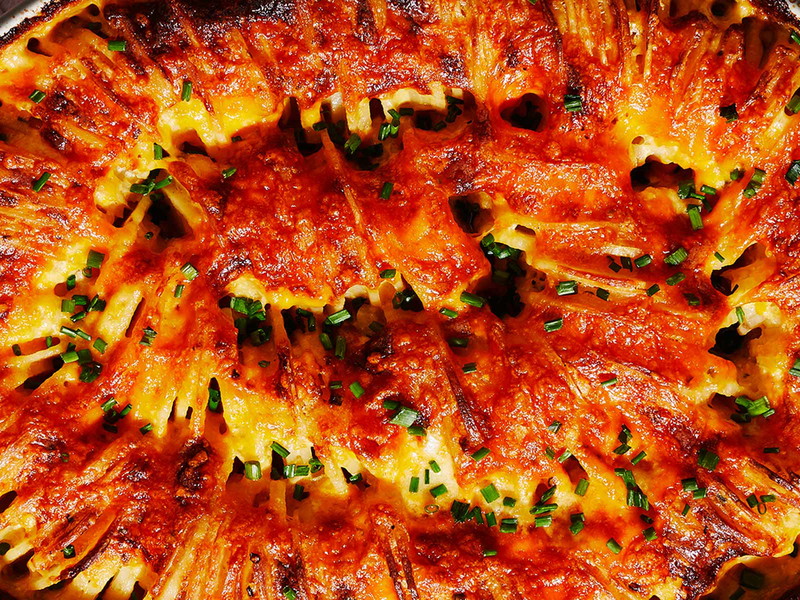
Potato Gratin
Crispy and spicy, this potato gratin from Polina Chesnakova’s cookbook “Hot Cheese” works...
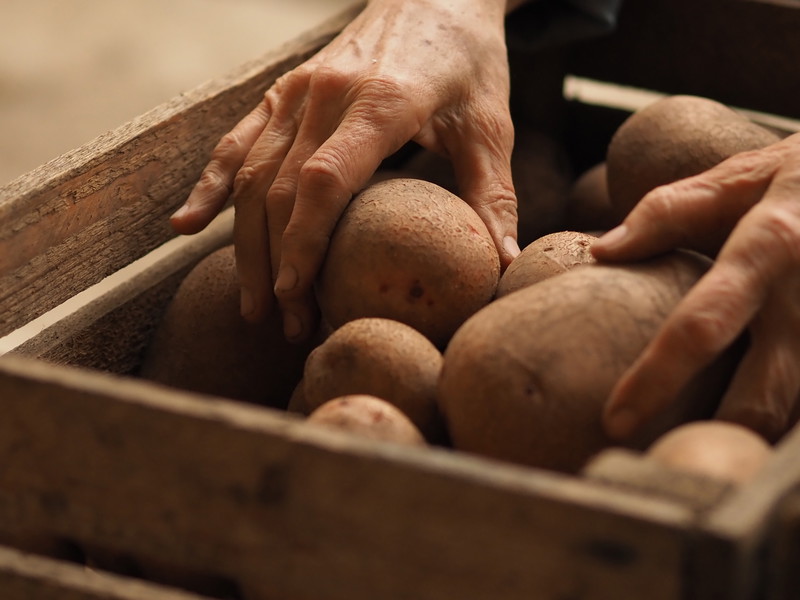
Storing potatoes in the fridge can leave them sweet and mushy. Here’s how to keep them fresh for weeks—without sacrificing flavor.
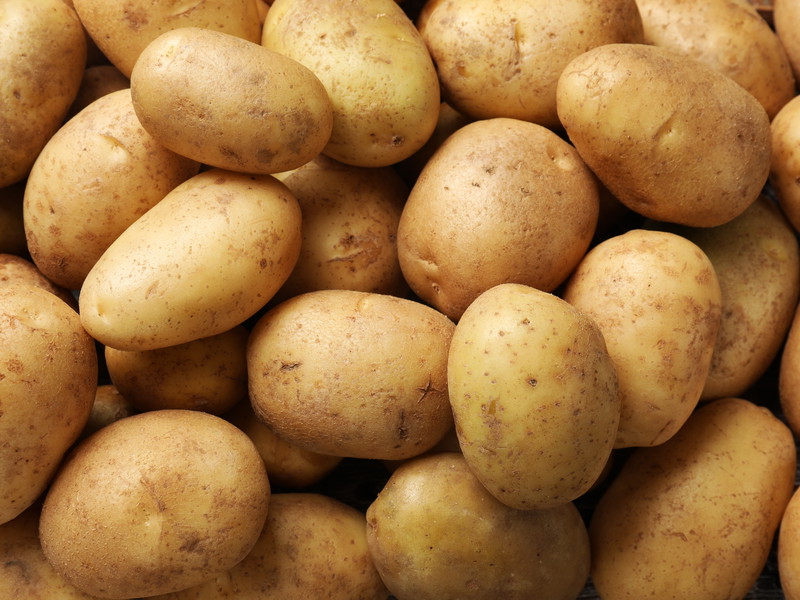
Potatoes are the quiet heroes of the kitchen. They pair with almost anything and can elevate even the simplest dish. Yet many people make a common mistake: storing them in the refrigerator. It may seem sensible—but it does more harm than good.
Cold temperatures fundamentally change a potato. Because it is rich in starch, refrigeration triggers a chemical reaction that converts starch into sugar. The result? A noticeably sweeter taste and an altered texture. When chilled potatoes are fried or baked, they brown too quickly, develop a darker color, and lose their characteristic flavor. This is especially evident in chips or hash browns, which turn dark and soggy instead of golden and crisp.
The ideal storage spot is cool and dark—but not cold. A cellar or well-ventilated pantry is perfect. Light is the real enemy: When potatoes turn green, they produce solanine, a bitter compound that can be toxic in larger amounts. Good air circulation is equally important, making plastic bags unsuitable. When stored too closely together, potatoes are more prone to sprouting and spoilage.
Another small but crucial tip: Don’t store potatoes alongside fruit. Apples and other fruits release ethylene gas, which accelerates ripening. In potatoes, this encourages sprouting and shortens their shelf life. Regular checks, removing small sprouts, and discarding damaged tubers will help extend their freshness significantly.
When kept properly, potatoes stay firm and flavorful for weeks—even months. Properly stored, they’re always kitchen-ready. A bit of attention pays off—you save money and potatoes taste their very best.