Oils rich in polyunsaturated fatty acids are particularly affected. The higher their content, the more sensitive the oil—and the greater the risk that heat from the kitchen or direct sunlight will gradually compromise its quality. That’s why sensitive, cold-pressed oils with a high share of polyunsaturated fats belong in the refrigerator.
Where You Store Your Oil Matters More Than You Think
Olive oil next to the stove, pumpkin seed oil on the open shelf? Where you store your cooking oils matters more than many realize—and not every oil thrives under the same kitchen conditions.
Some kitchen myths are more stubborn than an oil stain on your favorite shirt. One of them: the claim that cooking oils, thanks to their long shelf life, aren’t particularly sensitive. Although plausible, that's not true. Light, heat, and oxygen gradually diminishing both aroma and valuable nutrients.
These include:
-
Pumpkin seed oil
-
Linseed oil
-
Walnut oil
-
Hemp oil
-
Grape seed oil
-
Safflower oil
Linseed oil in particular, prized for its high omega-3 content, quickly loses stability at room temperature. Stored in the fridge, it stays fresh significantly longer. Intensely nutty pumpkin seed oil also benefits from cool storage, preserving its clear aroma instead of developing a stale, bitter note. If these oils thicken slightly in the refrigerator, there’s no cause for concern—that’s simply physics at work. Once brought back to room temperature, they become liquid again.
What about olive oil?
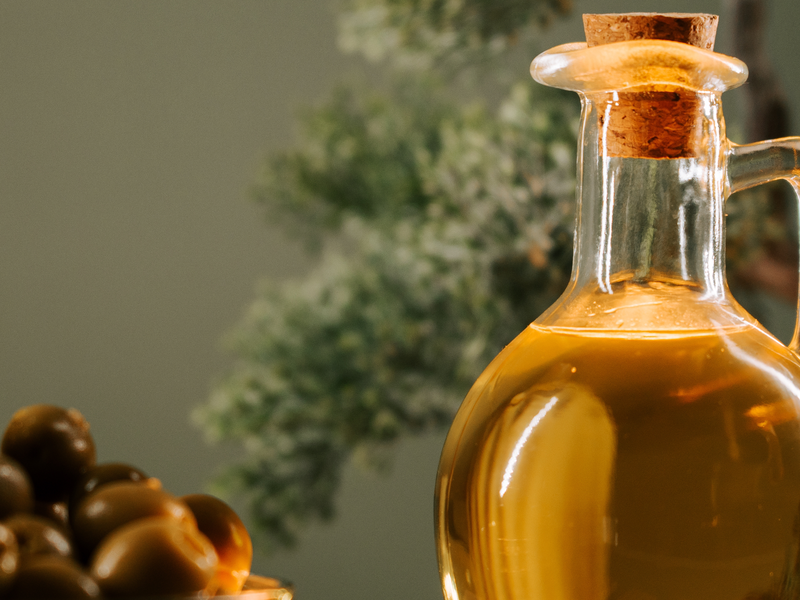
Although olive oil is also cold-pressed, it consists mainly of monounsaturated fatty acids and is therefore considerably more stable. It doesn’t need refrigeration. In fact, temperatures that are too low can cause it to turn cloudy or form flakes. While this may look alarming, it doesn’t affect quality. Still, a cool, dark cupboard is the ideal storage place. The same applies to rapeseed oil and refined oils — they keep well at room temperature as long as they’re protected from light.
The most common storage mistake
A classic misstep is the decorative glass bottle placed right next to the stove for convenience. Unfortunately, that’s where oil’s greatest enemies converge: heat, light, and air. Transparent designer bottles may look elegant, but they offer little protection. Dark glass shields oil far more effectively from oxidation.
In the end, quality and flavor depend not only on the oil itself, but also on how it’s stored. Protect your oil properly—and you’ll taste the difference.