New Korean Cuisine: The rapid rise of Korean Cuisine
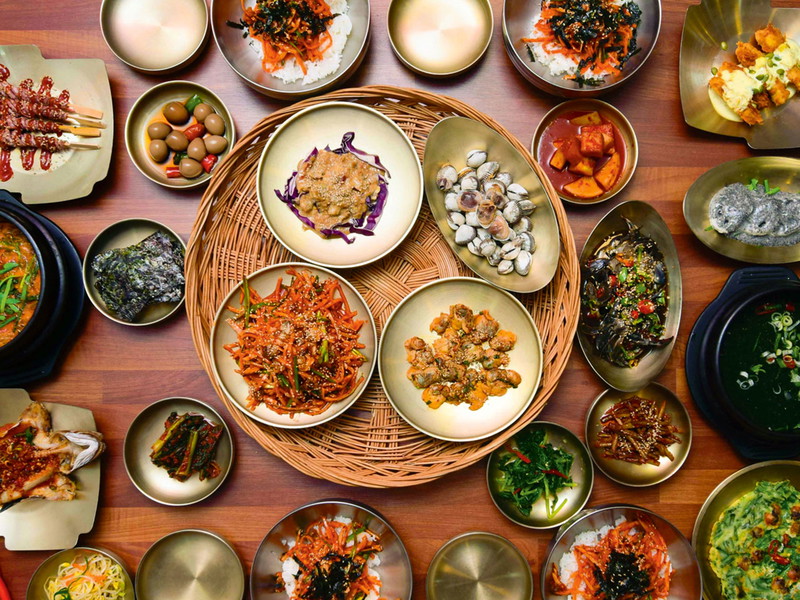
Korean cuisine is in the midst of an exciting transformation. Long underestimated, it is now emerging as a global gourmet sensation. But what exactly defines its appeal – and why can the world suddenly not get enough of it?
Almost everyone knows kimchi today, and gochujang – the fermented chili paste – can be found in more and more European supermarkets. On YouTube, people around the world compete with fiery Korean instant noodles like "Buldak Bokkeum Myeon", filming their tearful reactions.
The hype surrounding Korean cuisine goes far beyond viral street food. Michelin has published a guide for the capital city of Seoul since 2017 and one for the coastal city of Busan since 2024. In 2020, Korea's first restaurant – "Mosu" in Seoul – was awarded three stars. And when "Jungsik" in New York became the first Korean gourmet restaurant outside the country to receive three Michelin stars in 2025, it sparked waves of enthusiasm back home.
Just a few years ago, all this was unthinkable. At the time, Korean media were struggling to explain the concept of fine dining to their audiences. A dinner for 200 dollars was considered an absurd luxury. What has happened in this short time?
The translators
The transformation began with a handful of young Korean chefs who packed their bags and left the country in the early 2000s. They traveled to New York, studied at the Culinary Institute of America (CIA), worked in top kitchens across the US or trained under leading chefs in Europe. There they learned Western techniques – and returned to apply them to Korean ingredients, Korean flavors and, last but not least, Korean food culture. From today's perspective, these chefs are translators: they learned a foreign language in order to be able to express themselves more precisely in their own.
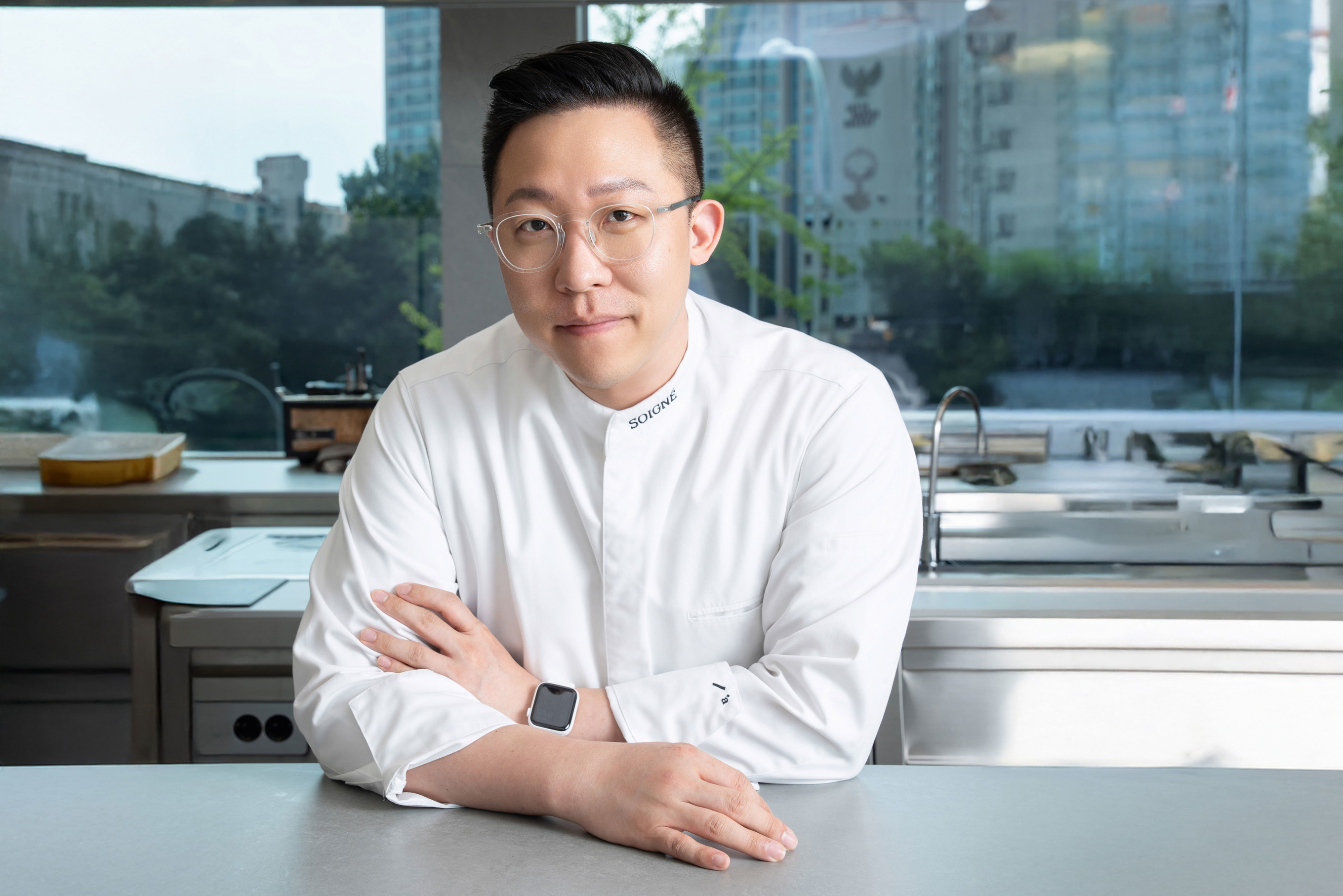
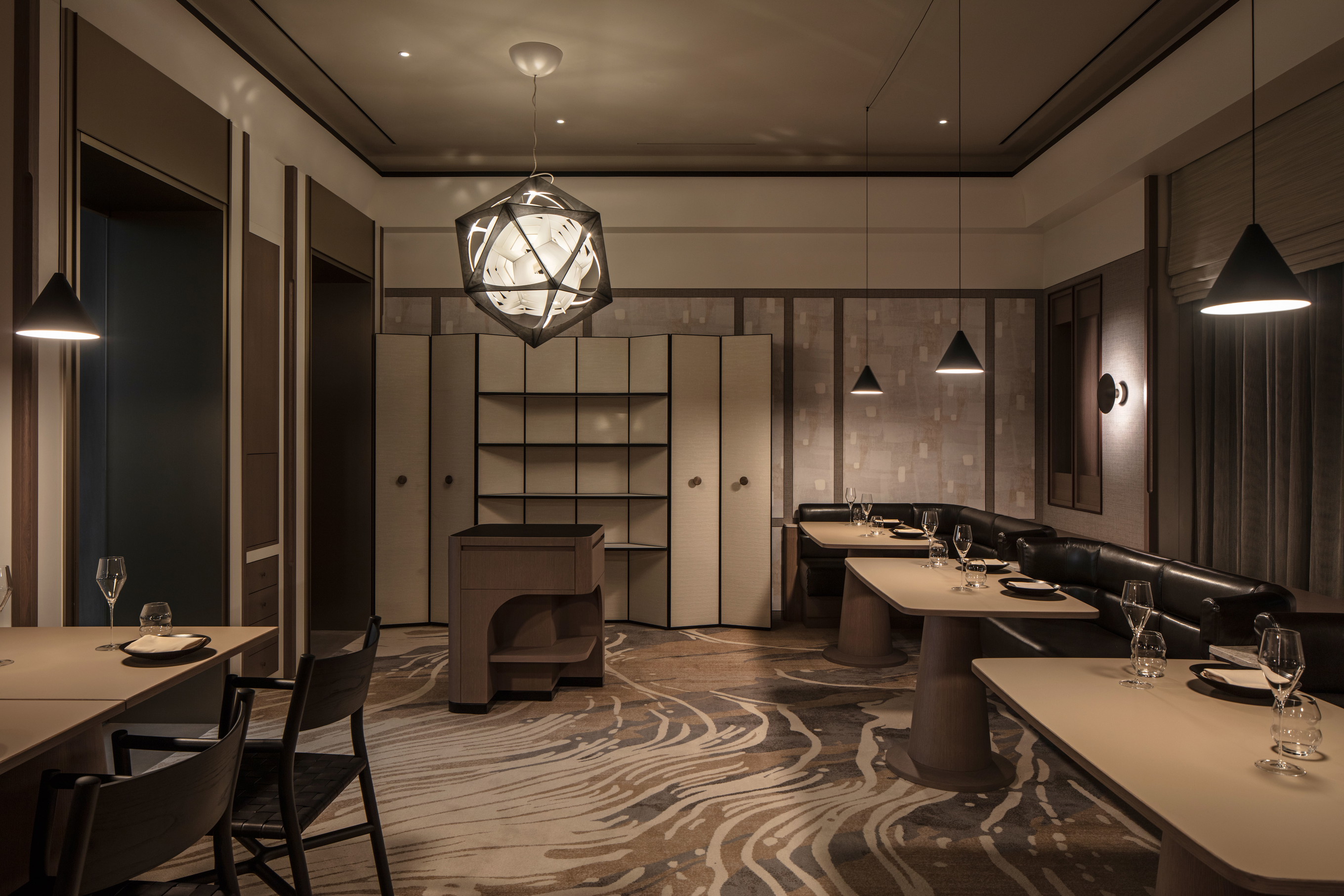
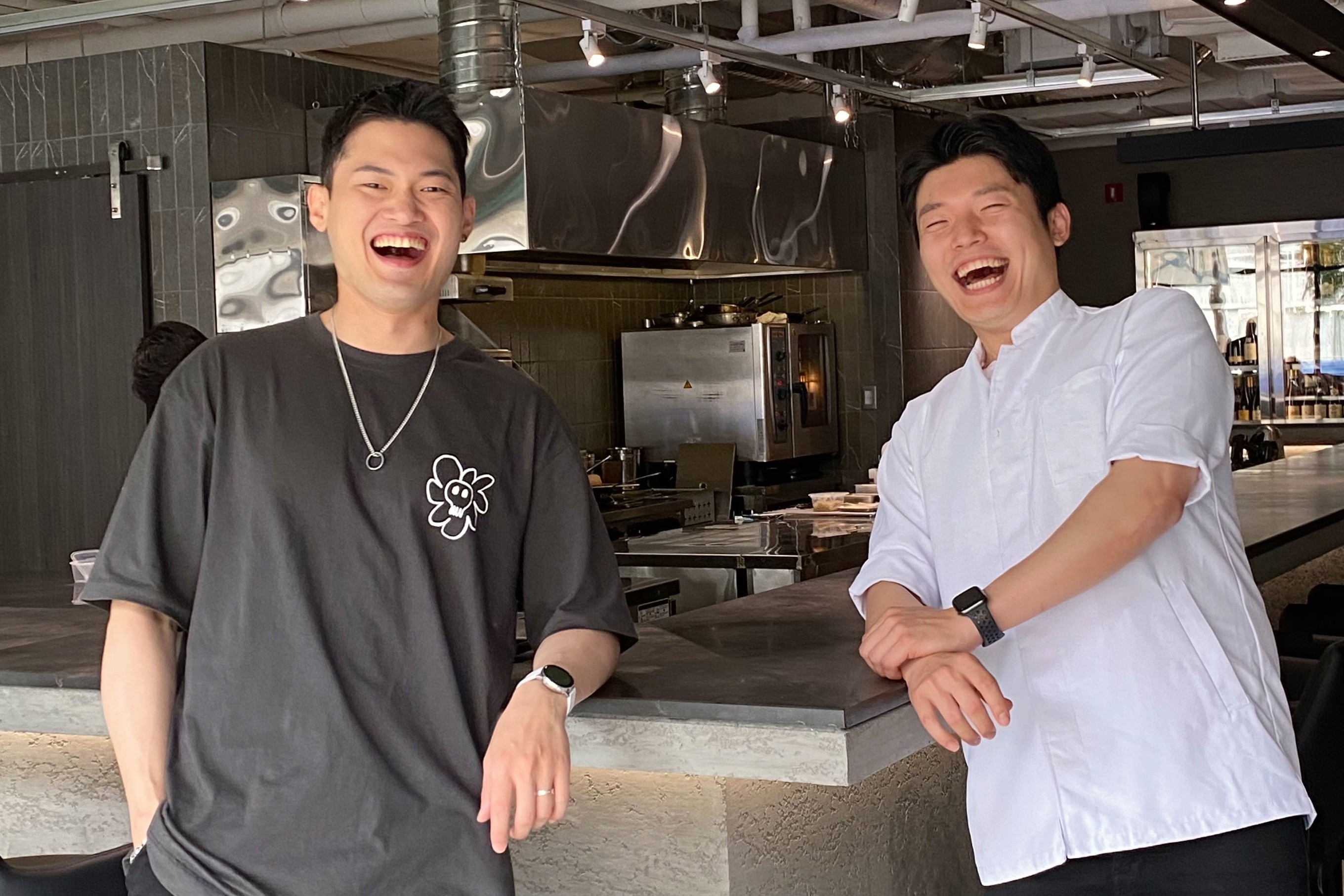
Lee Jun, chef and owner of "Soigné" in Seoul, was one of the first to follow this path. "The fine dining culture in Korea is not even 15 years old," he says. "Those of us who have gone down this path have created something that didn't exist before." Today, Soigné holds two Michelin stars.
Lee Jun made an observation that shaped his cooking: For a long time, there were no celebrated or highly respected chefs in Korea. "Every Korean considers himself a chef. Nobody wants to be told what to do: This is my creation, eat it the way I serve it." So the guest wants to have a say. This explains the table grill as a Korean cultural asset – everyone finds their own temperature, their own cooking point and wraps their combination of meat and side dishes in a lettuce leaf of their choice. "That's the beauty of Korean cuisine," says Lee Jun. "I'm not trying to copy obvious Korean flavors – I'm trying to transfer that mindset."
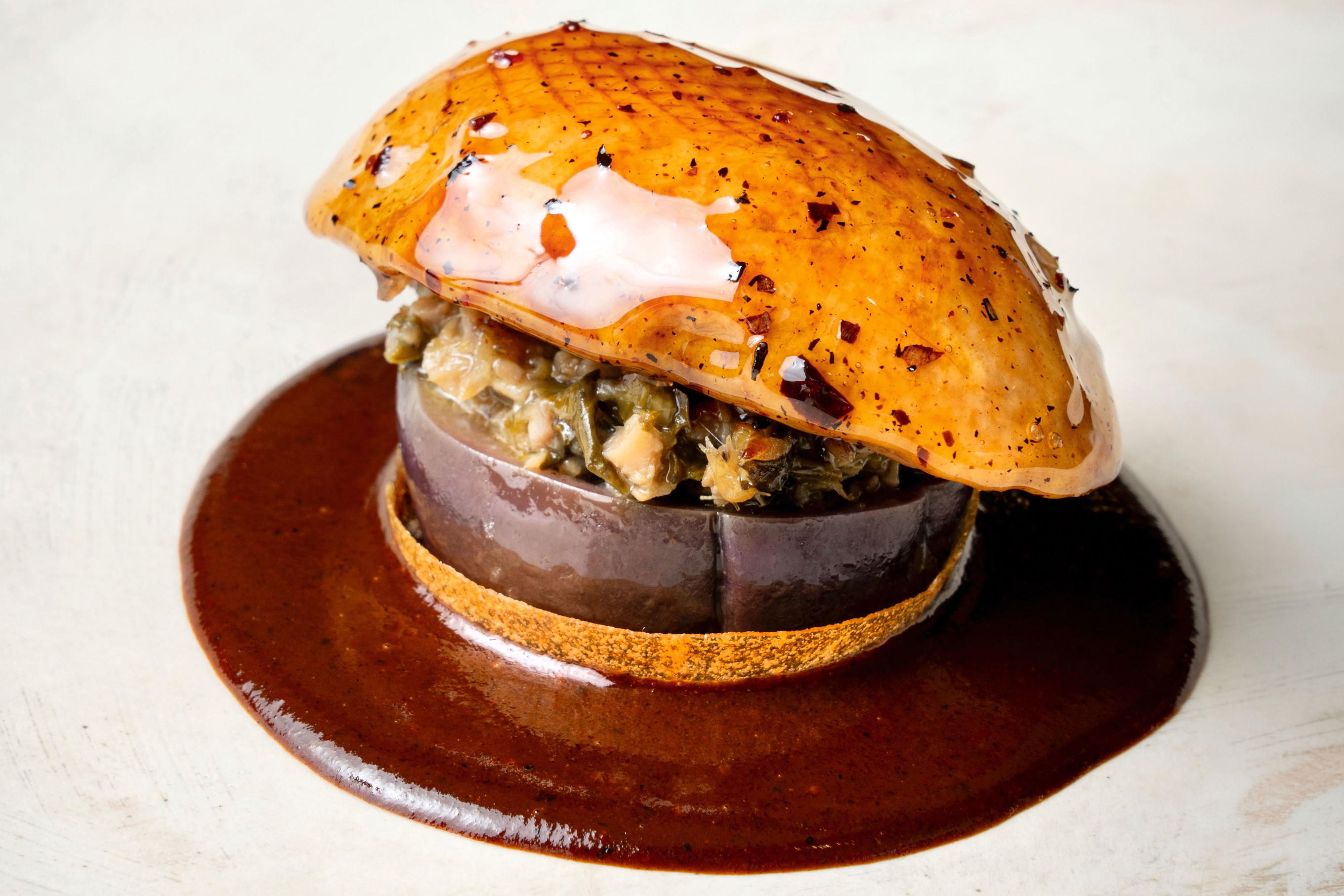
An amuse-bouche from the chef's pen shows what this means in concrete terms: Baechu-Jeon – fried Chinese cabbage wrapped in batter, home cooking that every Korean knows. At Soigné, the winter cabbage is incorporated into a fine buckwheat pâté, layered with fermented cabbage as a mille-feuille and finally served with caviar. Completely familiar for a Korean - and yet completely new. And for everyone else, simply irresistible. "My philosophy is simple," says Jun Lee: "I don't want to lose the authenticity of Korean cuisine. I express it through French technique – with better ingredients and more precision."
The secret lies in the paste
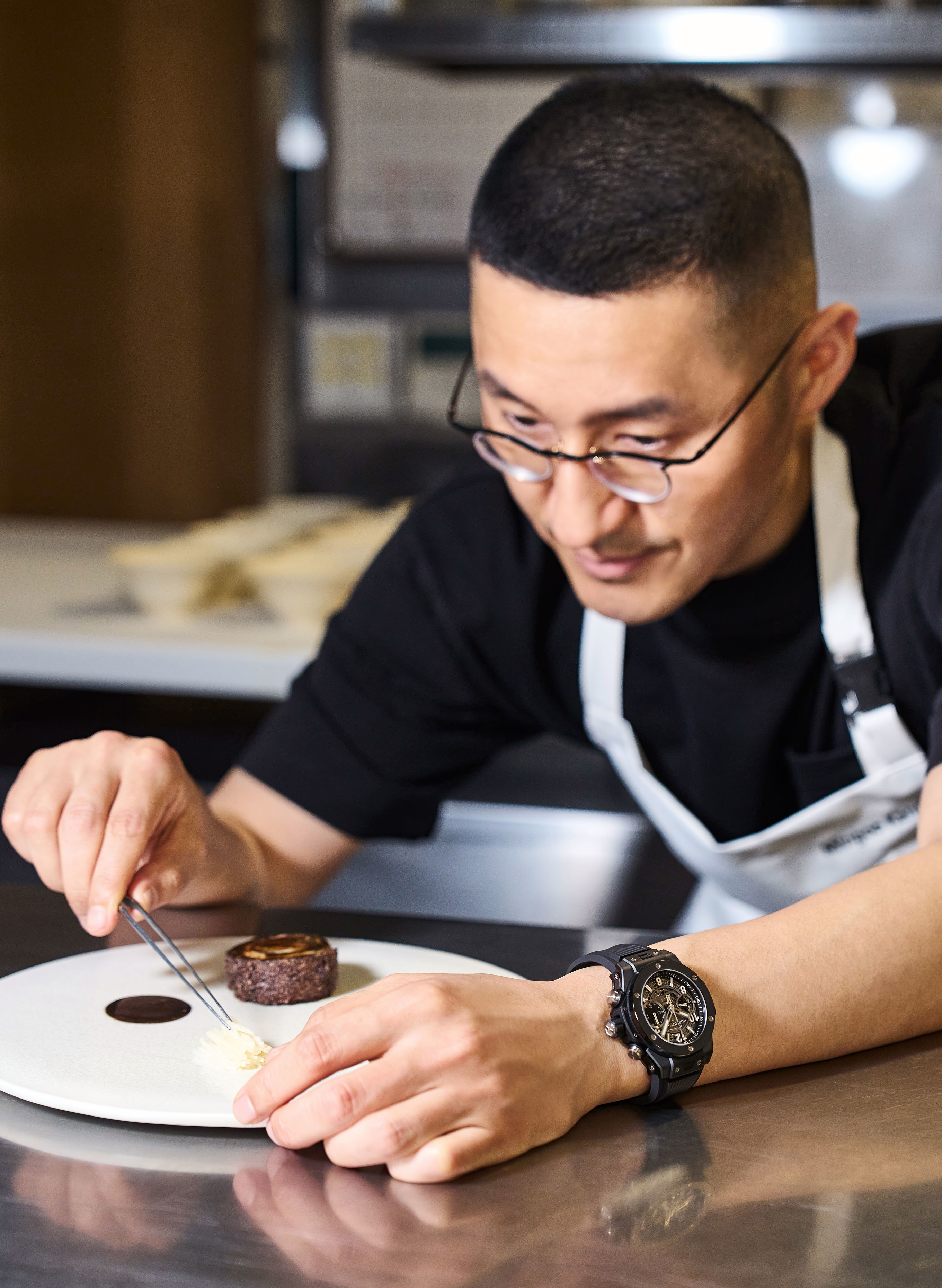
Whether it is Lim Jung-sik in New York, Jun Lee or Mingoo Kang in Seoul – they all translate Korean cuisine, where dishes are usually served simultaneously, into the language of a multi-course menu – each with their own narrative. Mingoo Kang from "Mingles", currently the only three-star restaurant in Korea, sums up his philosophy in a single word: Jang.
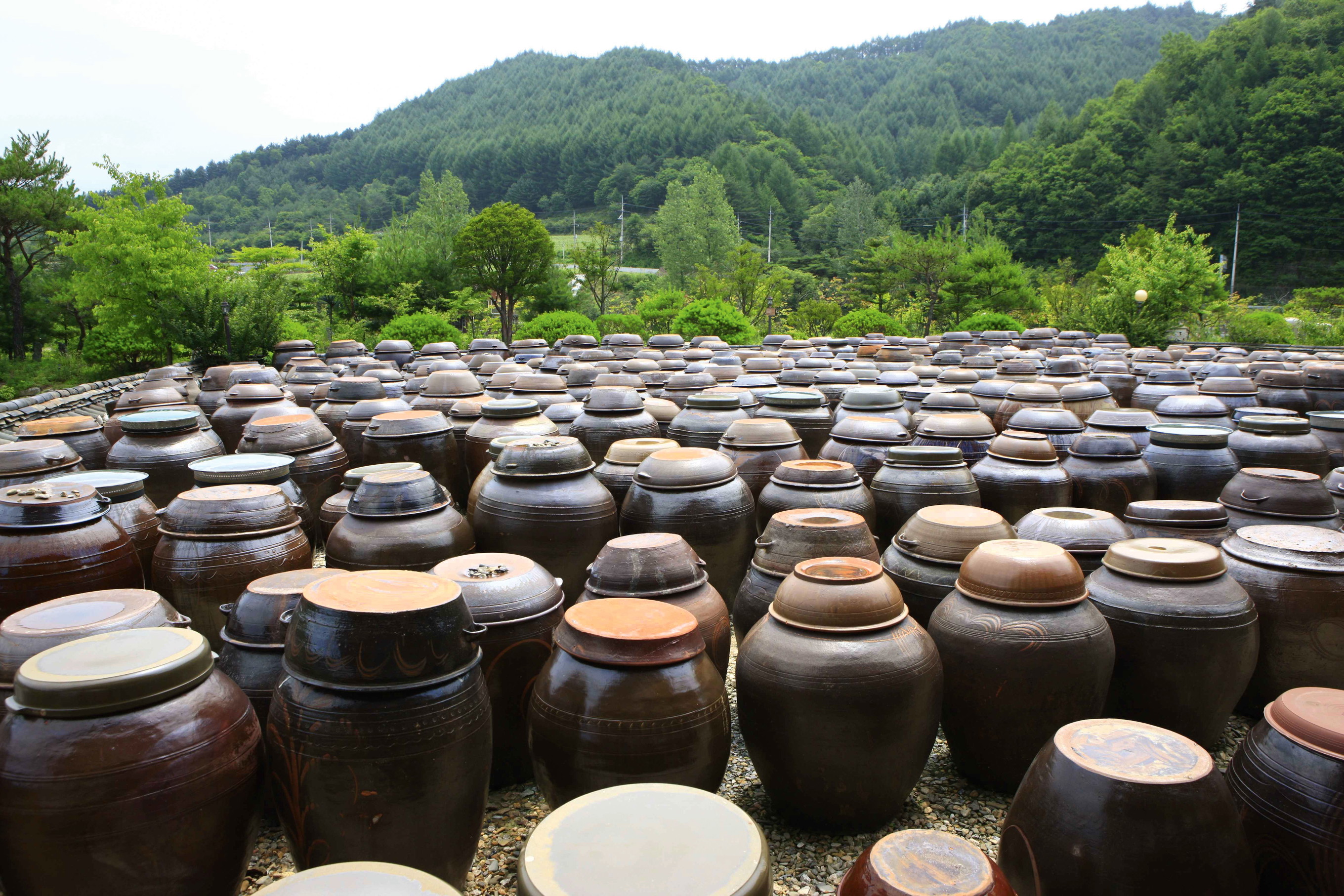
Jang is the generic term for Korea's fermented soybean products – Mingoo Kang aptly compares them to the mother sauces of French cuisine. There are three essential varieties: doenjang – soybean paste, similar to Japanese miso, but stronger, ganjang – soy sauce, darker and more complex than the Chinese version, and gochujang, the sweet and hot chili paste that can also be found in supermarkets in this country today. All three are made from fermented soybeans, and all three develop umami through microorganisms – the fifth taste that is mainly known from Japanese cuisine.
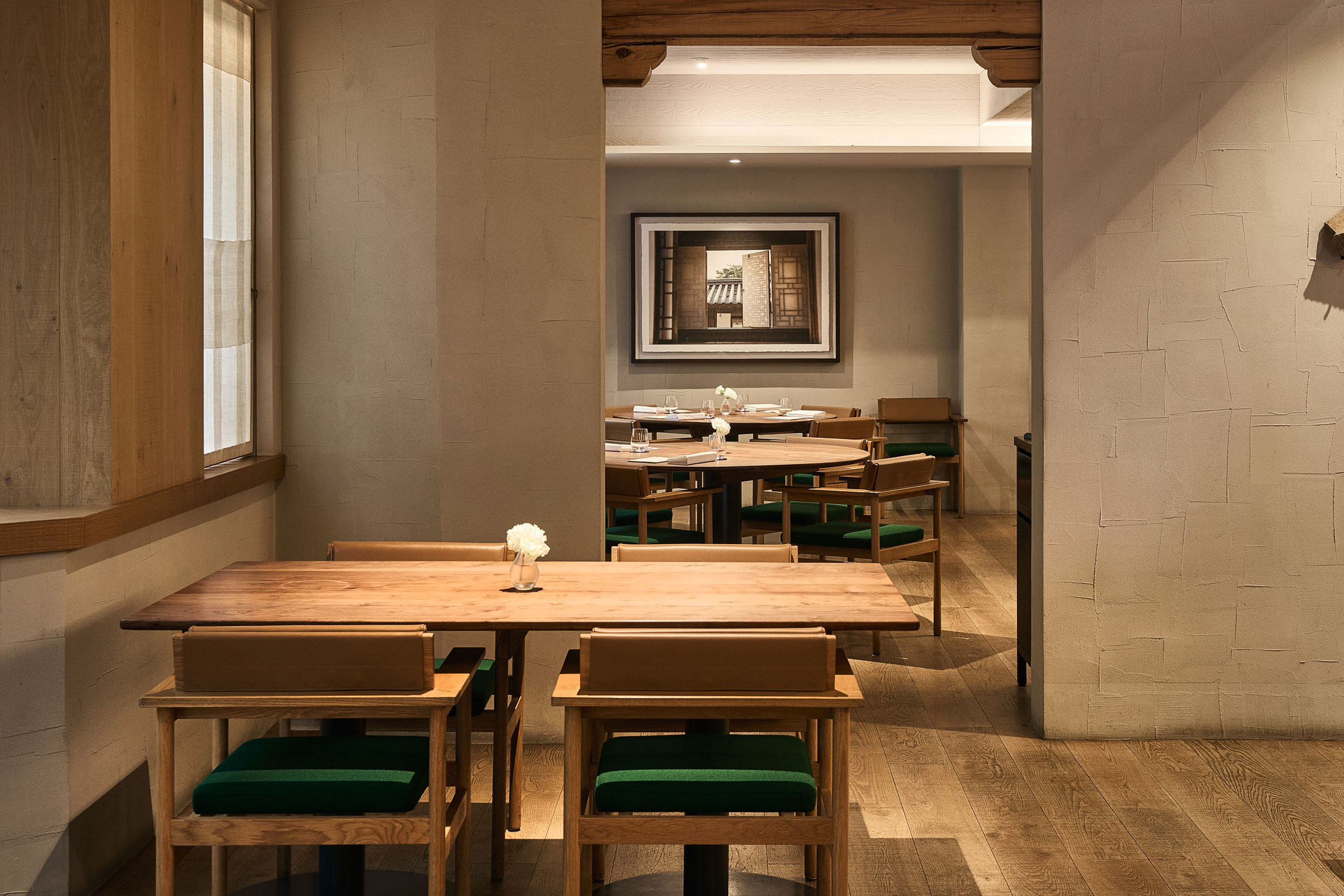
Anyone who stops by Mingoo Kang's Mingles will be sworn in to Korean taste and food culture. There is no European cutlery on the table here. Instead: chopsticks and the long, flat metal spoon that has been standard in Korea for centuries. Both made by hand to a high standard, both heavier than you would expect. Anyone who eats it for the first time quickly realizes that it is not just the food that follows its own logic, but also the way in which it is consumed.
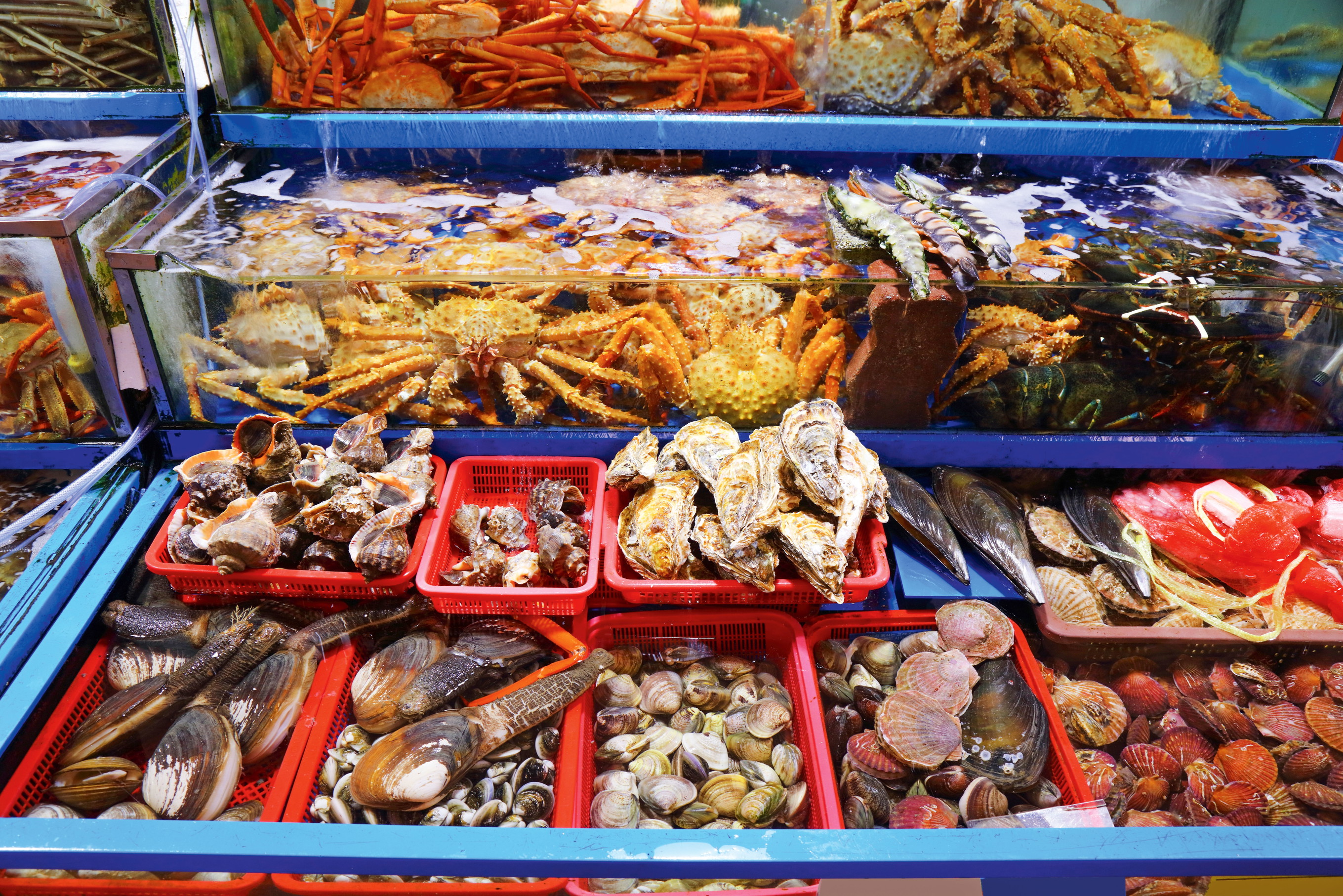
Mingoo Kang benefits from the variety of first-class raw materials right on its doorstep. Korea is small - about the size of Hungary - but its production regions are more clearly defined than almost anywhere else: citrus fruits and fish come from Jeju Island in the south, onions from Muan in the west, which are considered particularly sweet and mild, prawns from the West Sea, Hanwoo beef from Hoengseong in Gangwon Province. "If we order from a producer today, we will have the ingredients tomorrow," says Kang. The restaurant is in direct contact with fishermen and auctioneers. This proximity to the source is not a marketing promise - you can taste it.

The main course of the current menu impressively demonstrates the principle of the house: Hanwoo beef fillet – the Korean breed of cattle whose meat, like Wagyu, is known for its marbling – it is grilled with a glaze of soy sauce and Jerusalem artichokes. About this Gelatine from bovine feet and a clear bone broth. When the hot sauce is poured over it at the table, the gelatine melts and pours an umami wave over the meat. In Europe, the meat is the main event; the sauce is the side dish. In Kang, it's the other way around – the meat is the frame, the jang is the picture. Two-star chef Jun Lee from the restaurant Soigné has a similar view: "The meat is often just the vessel that carries the flavor of the jang. The real protagonists are the fermented sauces and the harmonies around them." Mingoo Kang's hanwoo dish demonstrates the concept behind many Korean dishes.
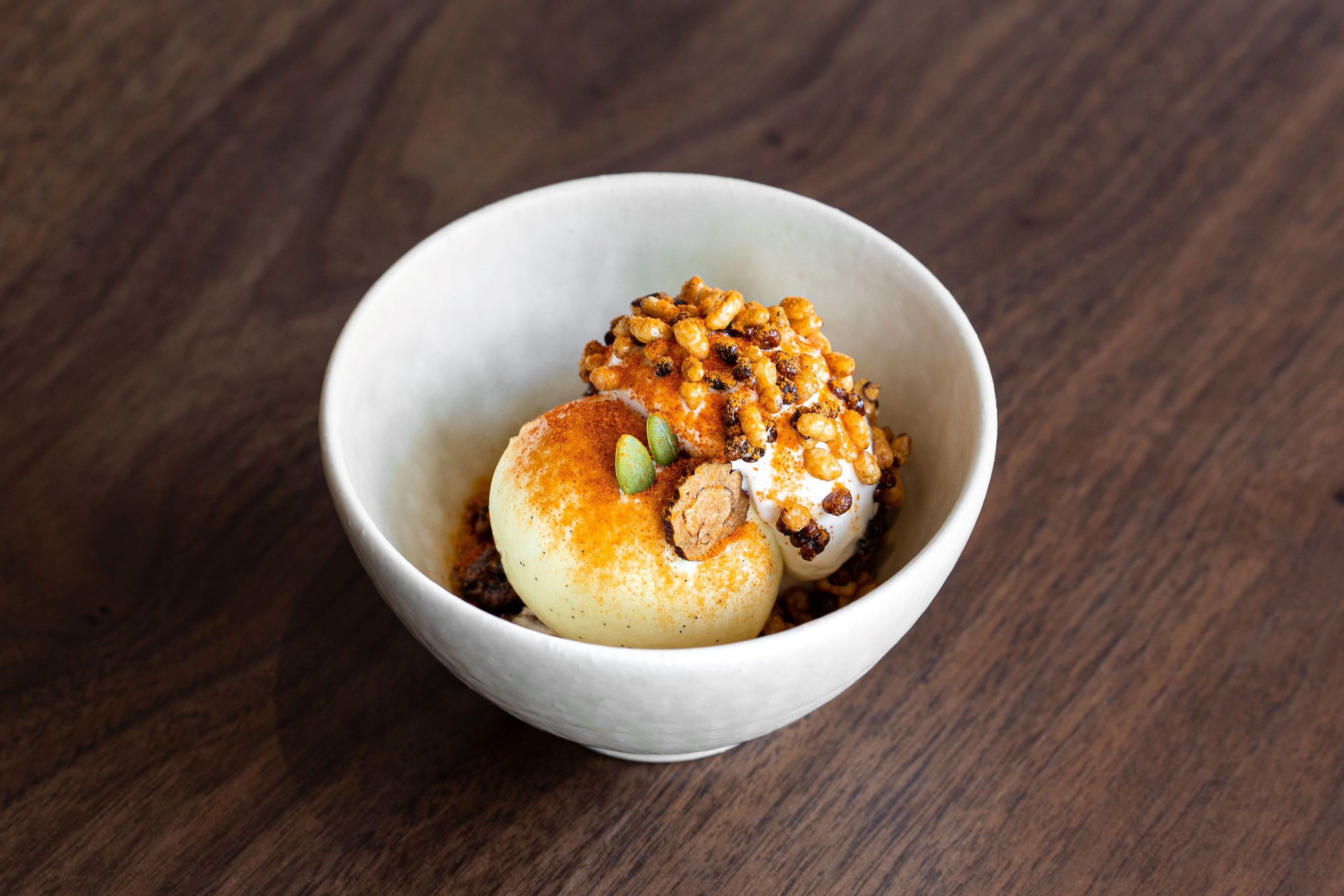
But it is the dessert that leaves the strongest impression, which Kang calls "Jang Trio": a crème brûlée with Doenjang paste, topped with a pecan glaze in soy sauce reduction; served with a scoop of vanilla ice cream with puffed rice in Gochujang spiciness. The nuttiness of doenjang, the spiciness of gochujang, the salty depth of ganjang – three layers of umami in one dessert. At once familiar and completely new – no matter how many Korean dishes you have eaten in your life.
Street food in star quality
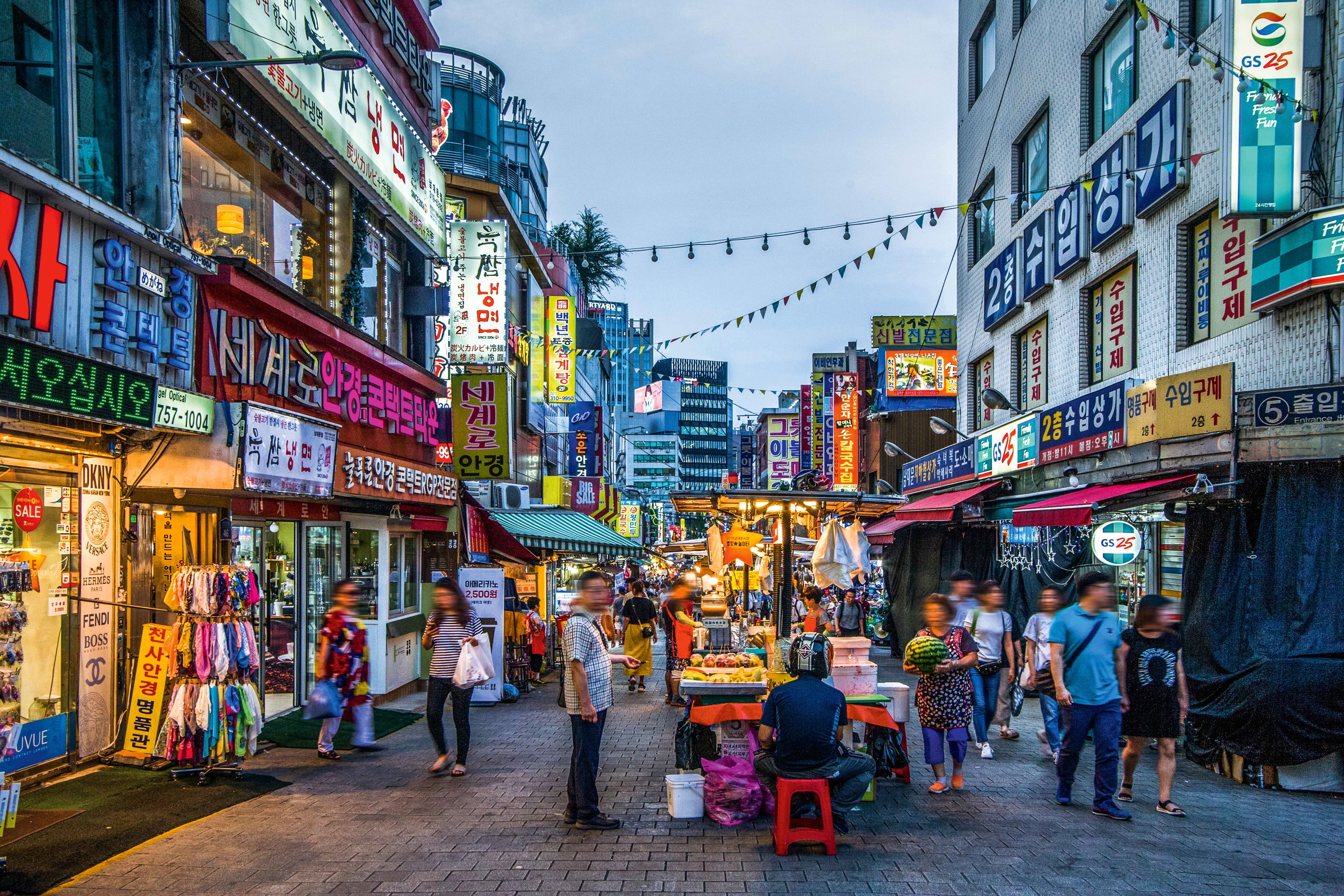
Seoul is not a city of gourmet restaurants in the Western sense. It is a city of sikdang – small eateries specializing in one dish and have been perfecting it day after day for decades. If you want naengmyeon (cold buckwheat noodles in clear broth), go to "Woo Lae Oak", for example, and if you want samgyetang (chicken soup with sticky rice and ginseng), head for the legendary "Tosokchon". One dish, one mastery.
Today, there are chefs who translate these Sikdang classics into the language of fine dining. Chef Son Jongwon from "Eatanic Garden" – a one-star restaurant made famous by the Netflix series Culinary Class Wars – is the best known of them. His reinterpreted samgyetang shows how it's done: instead of whole chicken in broth, Son serves a roulade of crispy chicken skin filled with meat, sticky rice, ginseng, chestnuts and ginkgo nuts – everything that belongs in a classic samgyetang, only reassembled.
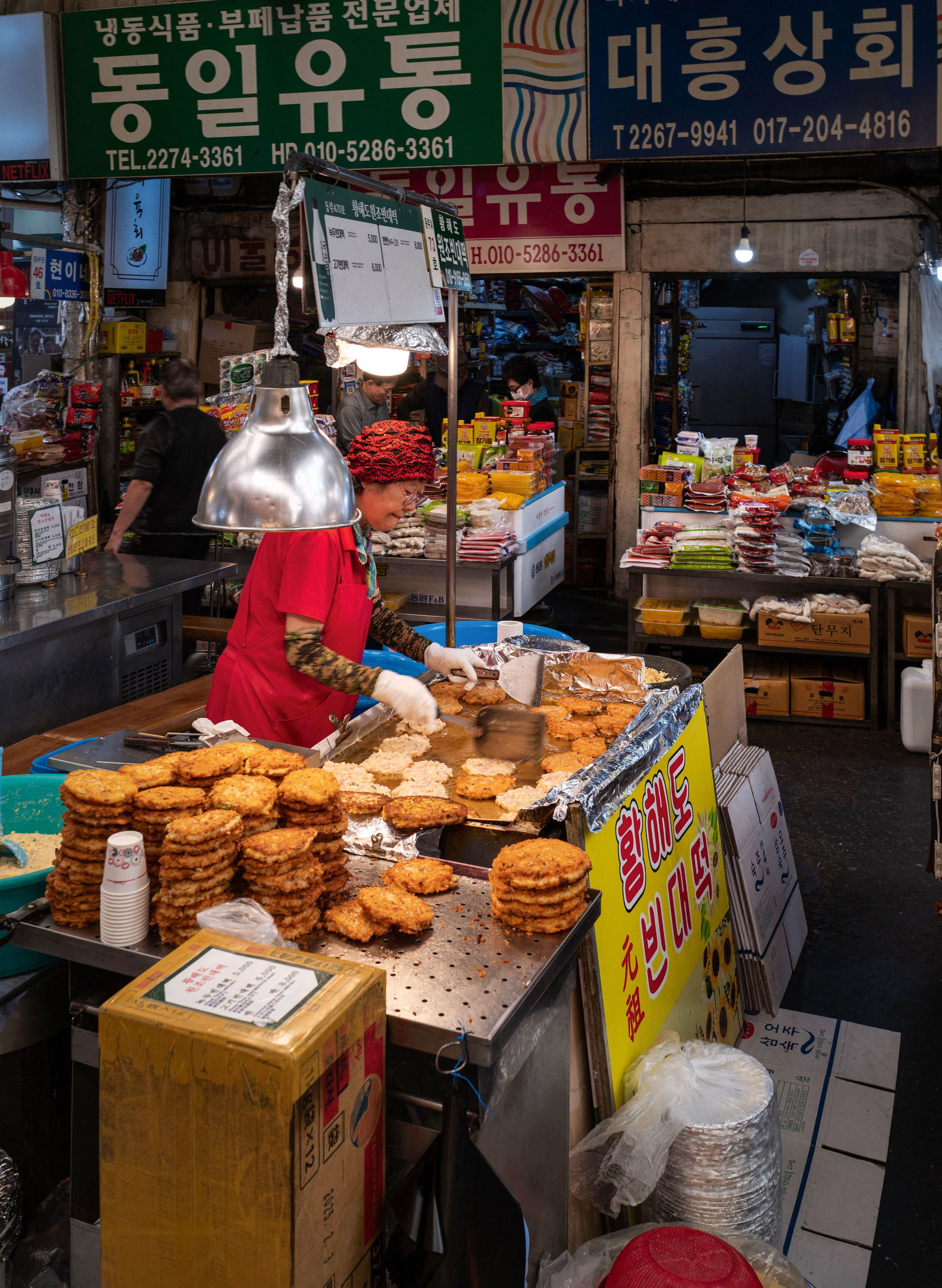
Another dish, which he calls "Namdaemun belt fish ragout", works in a similar way. Namdaemun Market, one of Seoul's oldest markets with over 600 years of history, is lined with dozens of small eateries that all cook the same food: Galchi jorim – belt fish with radish in a spicy, sweet and hot sauce, eaten on rice. Son removes the bones from the fish, cooks it gently at a low temperature and leaves the sauce and radish unchanged. The result tastes like the original – only without the tedious boning. A layer of nostalgia opens up for Koreans. For visitors without this memory, it is an elegant introduction - without the rustic hurdles of the original.
Korea is the land of the sikdang – small eateries that specialize in one dish and perfect it day after day.
Drinking in Korean
If you eat Korean food, you must also drink Korean food – with or without alcohol. Anyone entering a restaurant in Korea for the first time is in for a surprise: the water comes cold, as does the tea, and even when you order a coffee you are asked if you would like to drink it cold on ice – even in January. For Europeans, this takes some getting used to at first – and is then surprisingly refreshing. However, the Korean drinking culture is of course not based on coffee, but on alcoholic drinks, which are also served cold – and Koreans like to drink, as can be seen from the countless hangover prevention products in every supermarket.
To understand Korean drinking culture, you need to know two words: Banju stands for alcohol as an accompaniment to food, so the food is the main focus here. Anju, on the other hand, stands for food as an accompaniment to alcohol, where the drink is the protagonist. In practice, an evening often begins with banju - and ends with anju in a second restaurant.
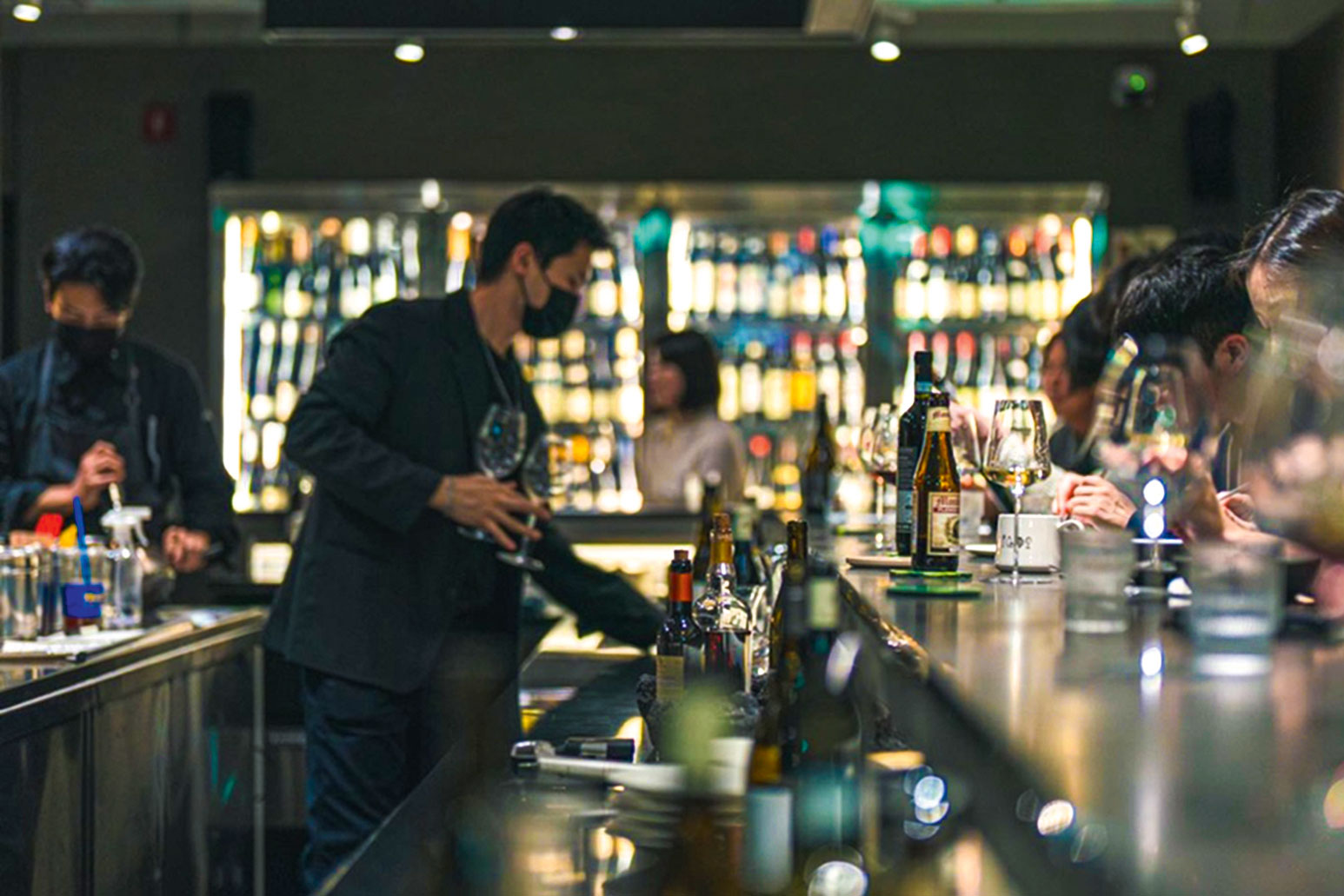
The "Vinho" restaurant has developed its very own world in this respect. The name sounds Portuguese - but it's not. It is made up of one syllable each from the names of chef Jeon Seong-bin and sommelier Kim Jin-ho, who met at Mingles. Opened in 2022 as a wine bar, Vinho quickly became famous – and faced a real problem: the dishes were too good to pass as anju. Guests wanted a set menu. Today, early reservations are reserved for guests who want to enjoy the tasting menu; from 8 p.m., the room becomes a wine bar again. A hybrid – and a reflection of how fine dining and informal dining culture are currently reinventing each other in Seoul. Banju and Anju in one – just as you like.
The Soju problem
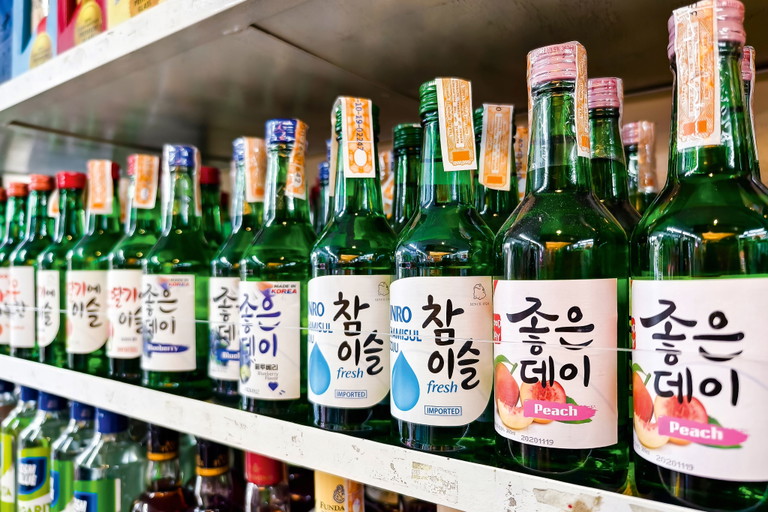
Korea is a country that loves to drink – and yet this is where one of the greatest tensions in the culture of enjoyment lies: the country's most popular drinks are hardly suitable as accompaniments for gourmet cuisine. The cloudy, sweet and creamy rice wine Makgeolli is more of a fun drink and the widespread Soju in the small green bottles is not a distillate in the classic sense, but industrial alcohol diluted with water and sweeteners. Effective with grilled pork – but not a wine substitute for a meal. Korean beer is similar: light, not very malty, designed for refreshment. Some sommeliers react to this. Mingles offers Sommelier Lee Hyunjae In addition to wine pairing Cheongju on – traditional Korean rice wines which are vaguely reminiscent of sake, but have a depth of their own. "Matari has a pronounced fruit flavor and umami, ideal for broth dishes," he explains. "Cheongmyeongju has a bright acidity that highlights dishes like a garnish accentuates a meal." He adds: "As we represent Korean cuisine, it's natural for us to offer Korean drinks too. We therefore offer a pure pairing with traditional spirits – as well as a mixed pairing that combines traditional Korean alcohol and wine." A subtle plea for something special.
What Korea has always had
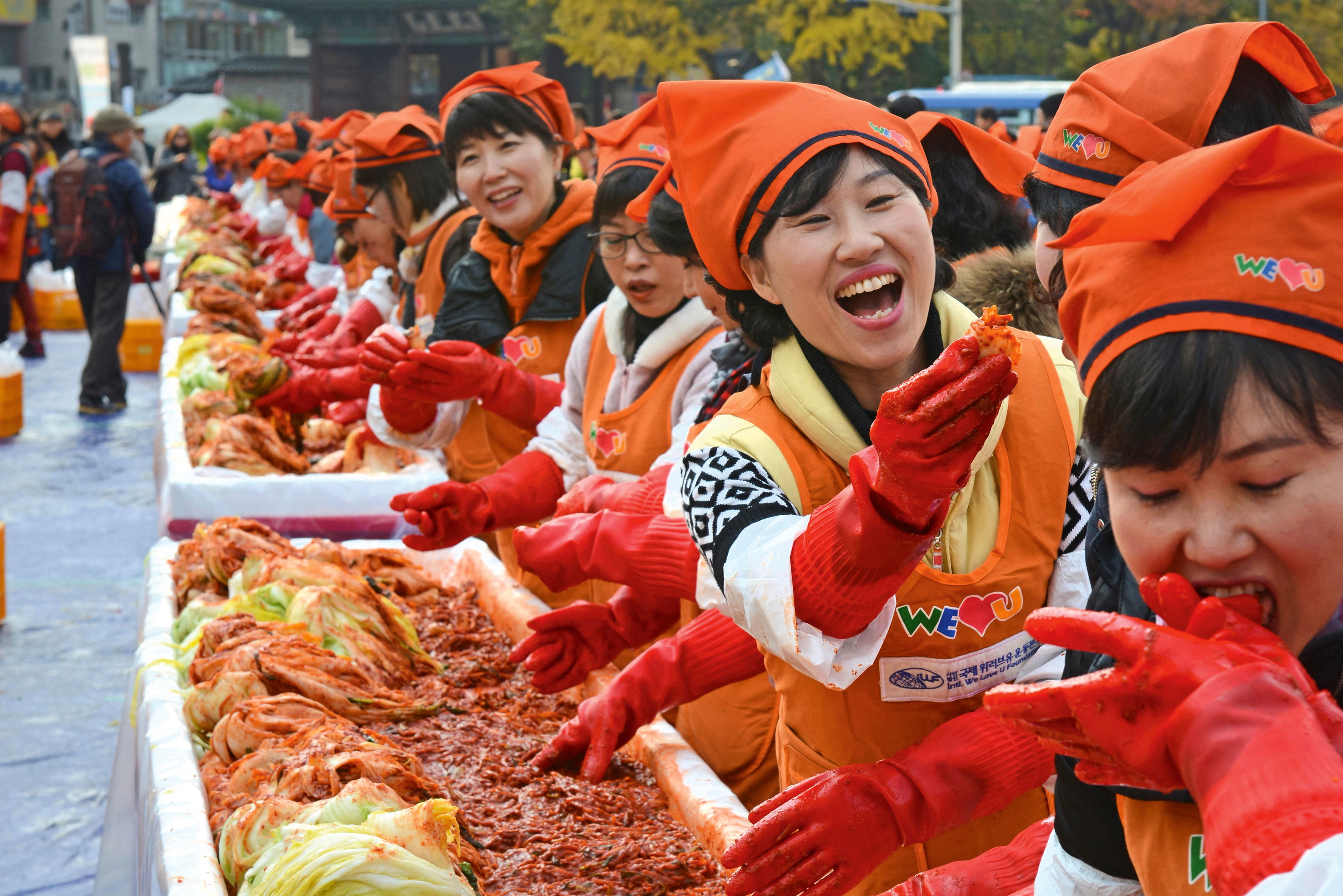
Fermentation has been a buzzword in top gastronomy around the world for years. What people forget: For Koreans, this is anything but new. Almost every Korean fridge has several types of kimchi ripening right now – Chinese cabbage, radish, cucumber, spring onions. A 500-liter kimchi fridge is standard in families of more than four people. Ganjang, doenjang and gochujang are in every household. Fermentation is not a technique in Korea – it is a basic attitude. Koreans read the time in the fermented pastes and recognize when a jang is ripe – like a sommelier who knows when a wine is ready to drink. Spain amazed the world with espuma, while Denmark won it over with fermentation and wild herbs. Korea has now formulated its own response – and it sounds surprisingly familiar. It's the same language that Korean grandmothers have been speaking for centuries – only today it comes on fine tableware.
From cooking competition to TV cult
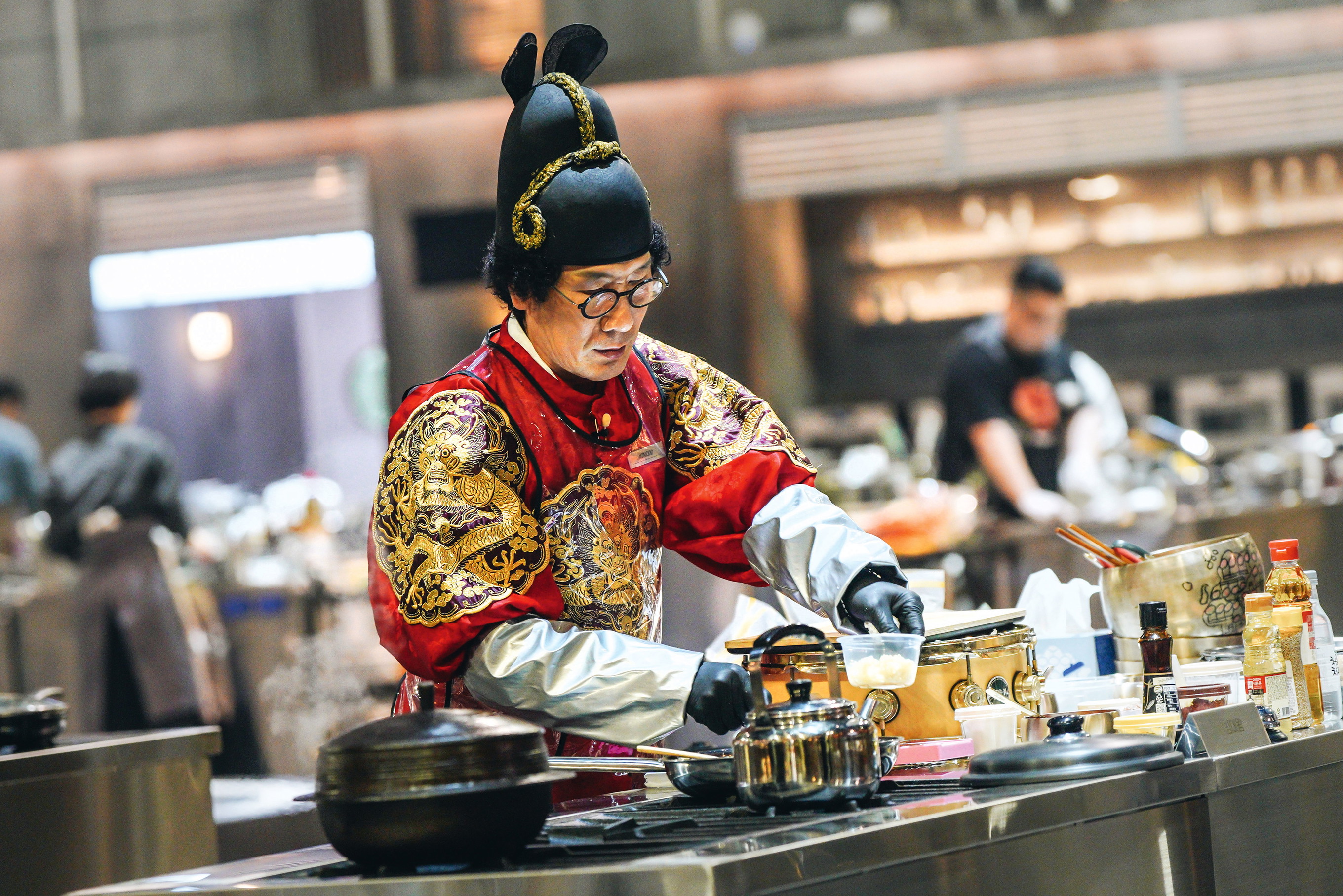
Fifteen years ago, hardly anyone in Korea knew the name of a top chef. The TV series "MasterChef Korea" (2012) fundamentally changed this. In 2014, "Please take care of my fridge" was the breakthrough: celebrity chefs rummage through a celebrity's fridge and conjure up a gourmet meal from the contents in just a few minutes. The term cheftainer – chef plus entertainer – was born. "Culinary Class Wars" (2024, Netflix) marks the peak of the cult of cooking TV personalities: Star chefs "White Spoons" cook against challengers "Black Spoons". The participants' restaurants were fully booked for months afterwards.
The winner of the second season was Choi Kangrok. The same man who won "MasterChef Korea" in 2013 as an unknown amateur chef.