Seoul Food Guide: Where Street Food meets Fine Dining
Nowhere do tradition and modernity merge more radically in culinary terms than in Seoul. Between historic palaces and neon lights, Michelin-starred cuisine meets steaming street food, while centuries-old fermentation techniques collide with third-wave coffee culture.
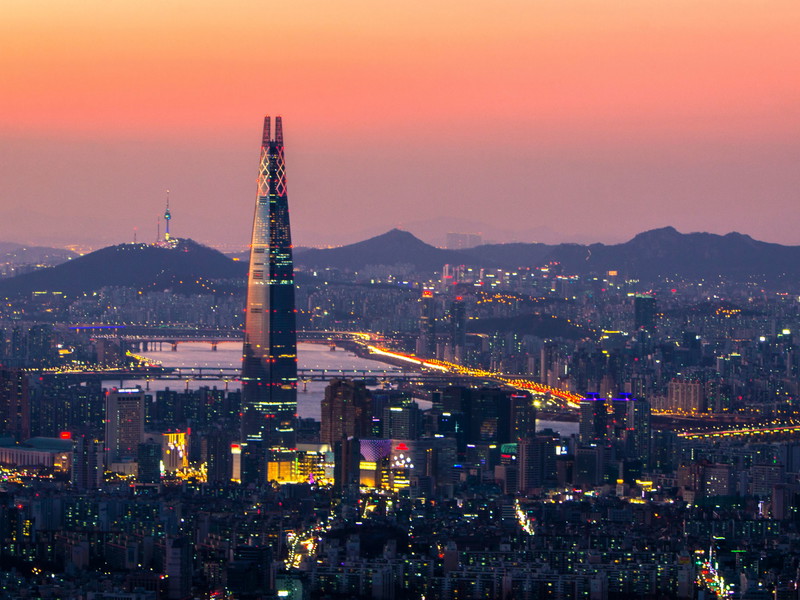
In order to understand Seoul's culinary scene, one must be willing to sit anywhere – from plastic stools to the chef's table. The Korean metropolis of ten million is among the most exciting food destinations in the world. It is indeed difficult to dine poorly here. The city is home to around 200,000 restaurants – countless bars, cafés and, above all, street food not included. Food is omnipresent, no matter where one goes. At the heart of Seoul lies Gwanghwamun Square, the forecourt of Gyeongbokgung Palace, the largest and most visited of the five main palaces of the Joseon Dynasty, which ruled Korea from 1392 to 1910. On the opposite side stretches the modern boulevard Sejong-daero. Between towering buildings, traditional palaces and mountains on the horizon, the city reveals itself in all its striking contrasts.
At the heart of it all
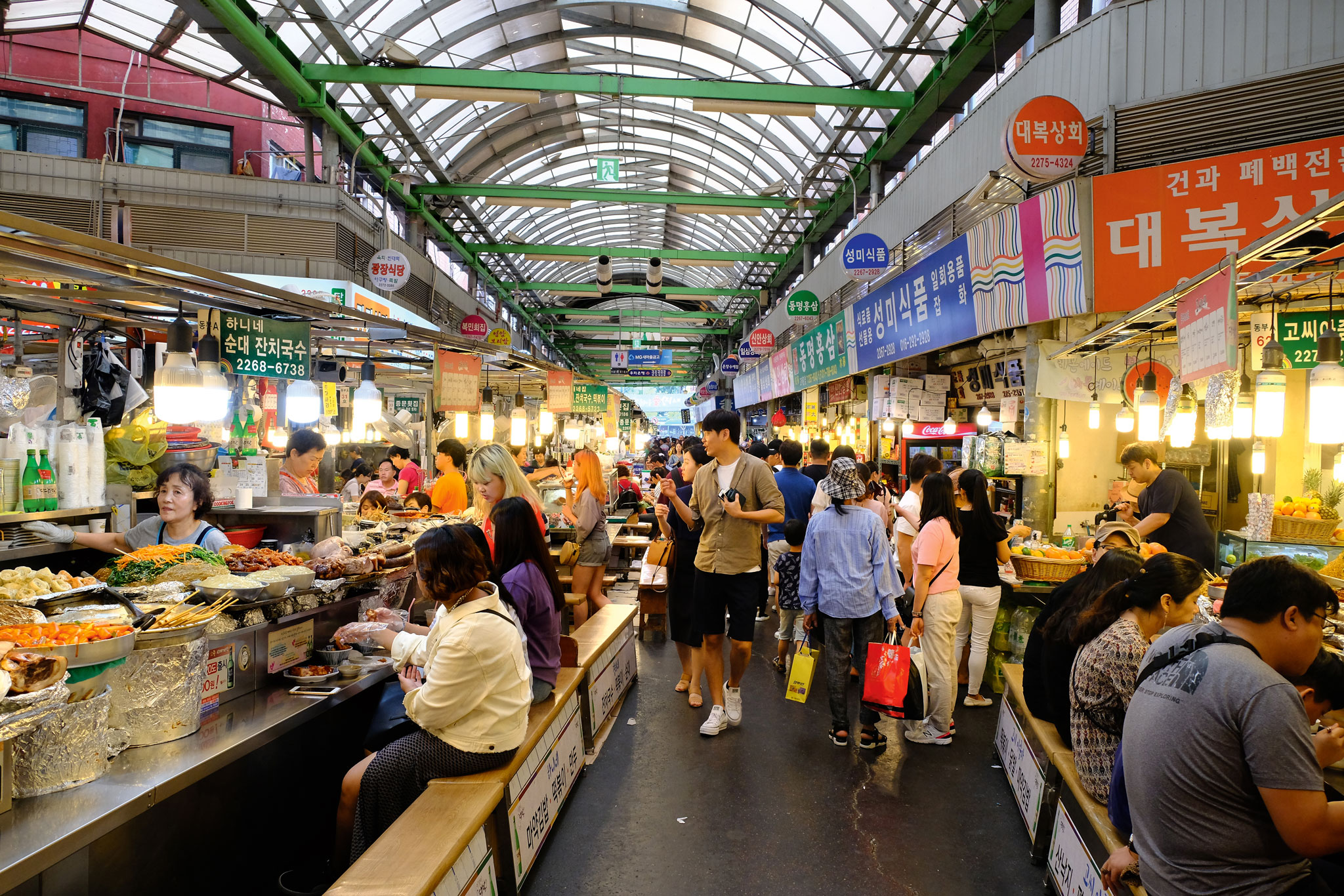
Gwanghwamun Square is located in the central district of Jongno-gu. This is the culinary heart of old Seoul – between the palaces, tradition still defines the rhythm. The neighborhood is home to several authentic culinary clusters, the most prominent being the Gwangjang market – the largest and most famous market in South Korea, celebrated for its authentic street food and vibrant atmosphere. Even a stroll through the market is a feast for the senses. Visitors can take a seat at one of the countless stalls and enjoy bindaetteok (mung bean pancakes), tteokbokki (rice cakes in sweet and spicy sauce), eomuk (fishcake skewers) or soondae (black pudding). This is also the epicenter of Seoul's street fppd culture, which extends across the entire city – often in tents directly on the street or at smaller traditional markets. Seafood enthusiasts should make their way to the Noryangjin fish market, where freshly purchased goods are prepared on-site in nearby restaurants.
Another culinary hotspot in the city center is the nightlife district around Jonggak Station. Along the so-called "Street of Youth", glowing neon signs and countless food displays line the streets. Tourist traps are rare in Seoul – still, it is worth checking out the widely used Korean app Naver Maps in advance, which features local reviews.
Croissant worth the wait
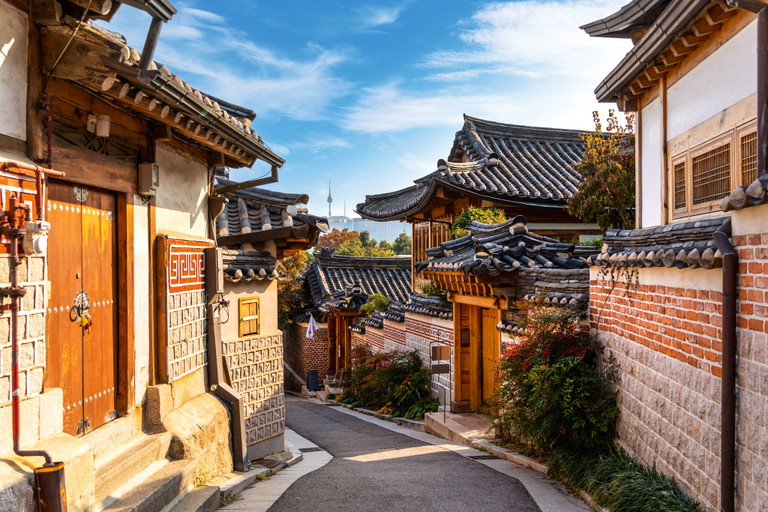
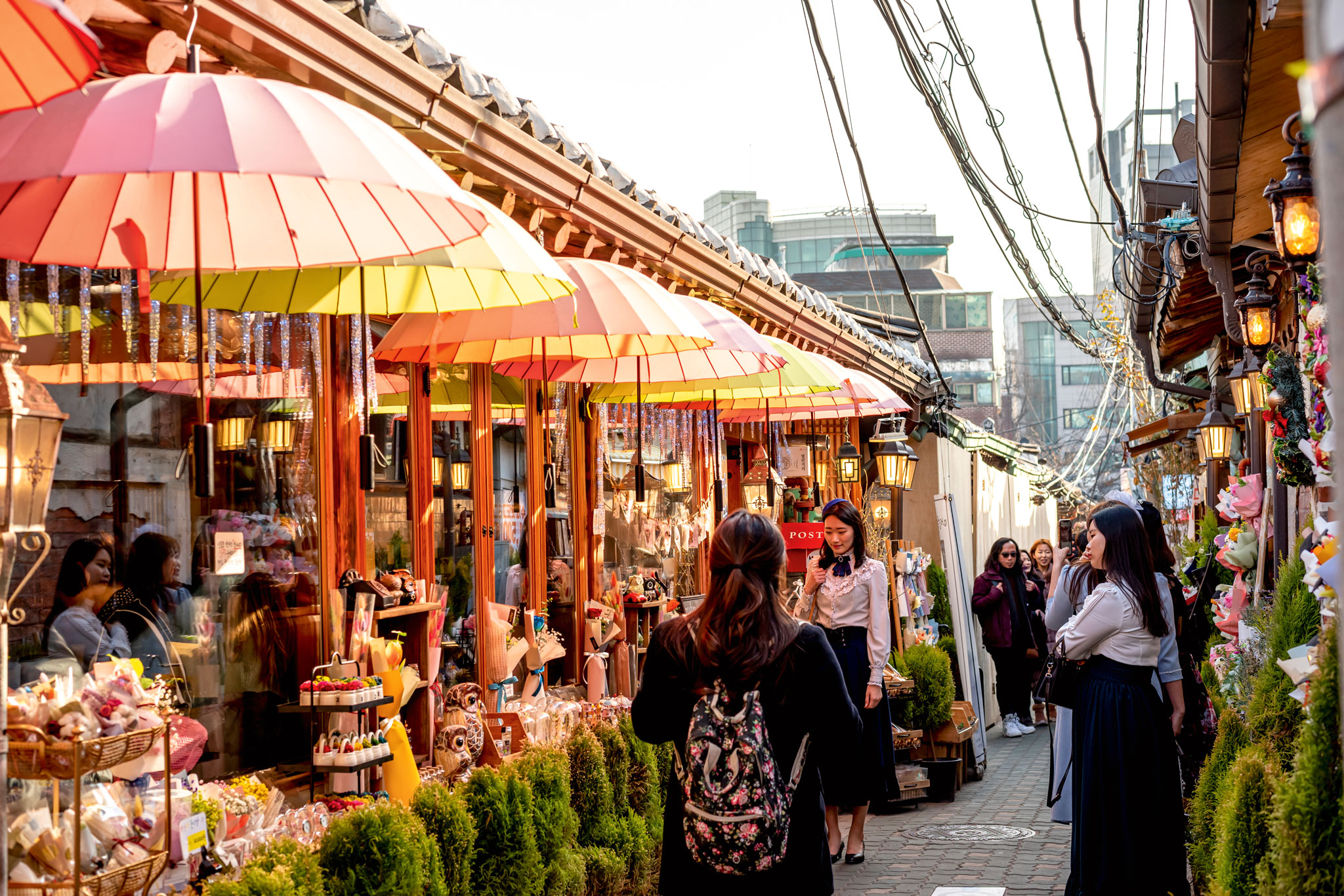
For a slower pace, the Hanok neighborhoods of Insadong and Ikseon-dong offer a welcome contrast. Hanok are traditional, single-storey houses with curved wooden roofs – no longer used as residences, but now home to cafés, restaurants and creative spaces. In Ikseon-dong, early-risers already queue outside Jayeondo Sogeumppang for its sought-after saltbread – a buttery, savory pastry, similar to a croissant and worth every minute in line.
Those wishing to dive deeper into the soul of Korean everyday cuisine should take a detour to an ajae restaurant. Ajae translates roughly to "older gentleman" – and indeed, these unpretentious, often decades-old restaurants are defined by regulars, reasonable prices and honest, home-style dishes that are served without concern for Instagram aesthetics.
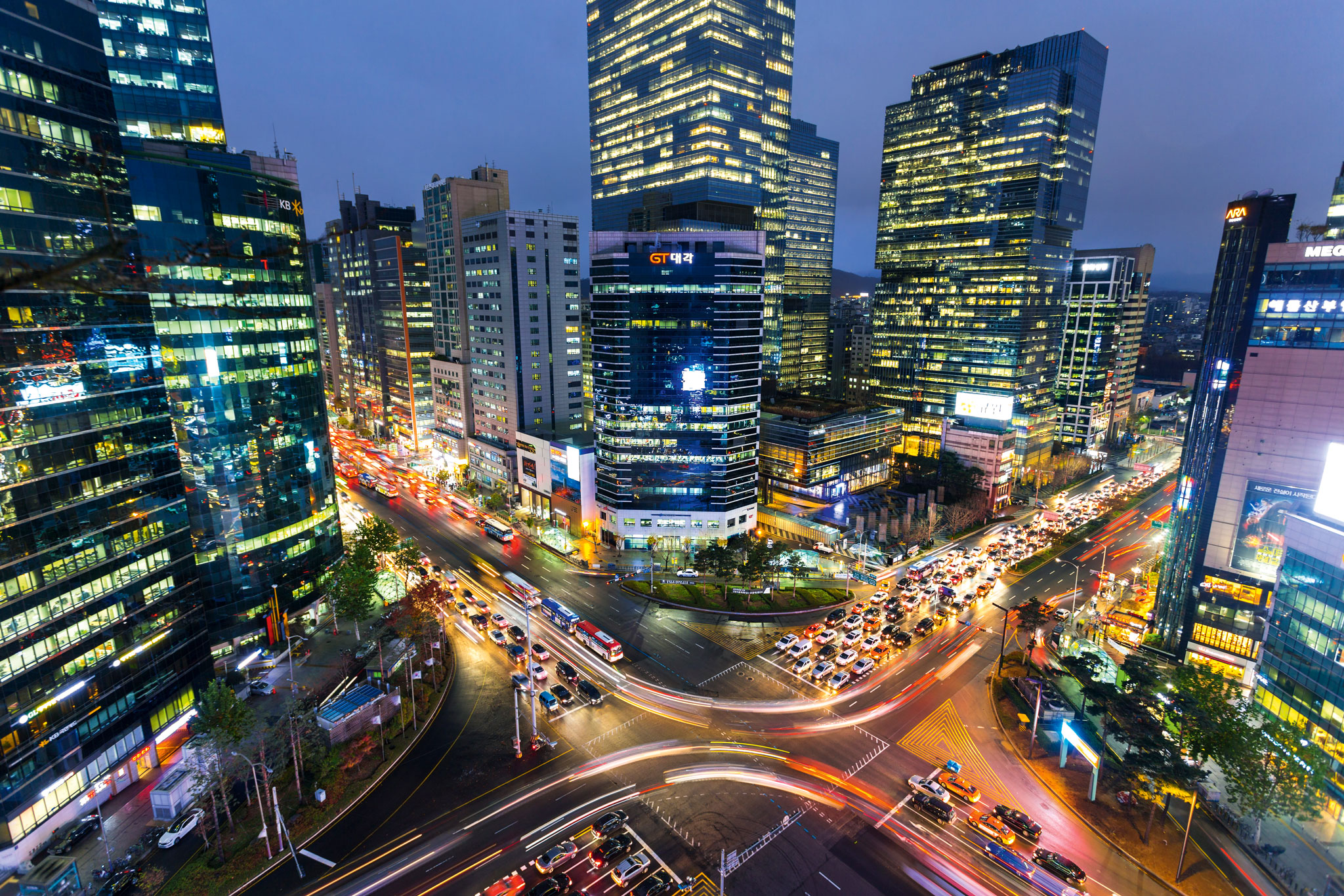
Across the river, in the financial and business district of Gangnam, the atmosphere shifts. The majority of the city's roughly 30 Michelin-starred restaurants are located between skyscrapers – led by Mingles, currently the only three-star restaurant in Seoul. Chef Mingoo Kang serves refined, elegant Korean cuisine – understated yet deeply flavorful. Signature creations such as the Mingling Pot or the Jang Trio dessert leave a lasting impression well beyond the local crowd.
Korea's energy booster
Good coffee is an obsession in Seoul and can be found on every corner. The café at the National Museum of Modern and Contemporary Art MMCA serves specialty coffee, including rare Geisha varieties. The city has a remarkable third-wave coffee scene. "Felt Coffee" with two central locations and its own roastery, exemplifies Seoul's uncompromising quality standards.
If you still have energy after a long day: Seoul's bar scene is also exceptional – especially in Gangnam, but also within the Hanok neighborhoods of old Seoul.
Street food - the best on the hand
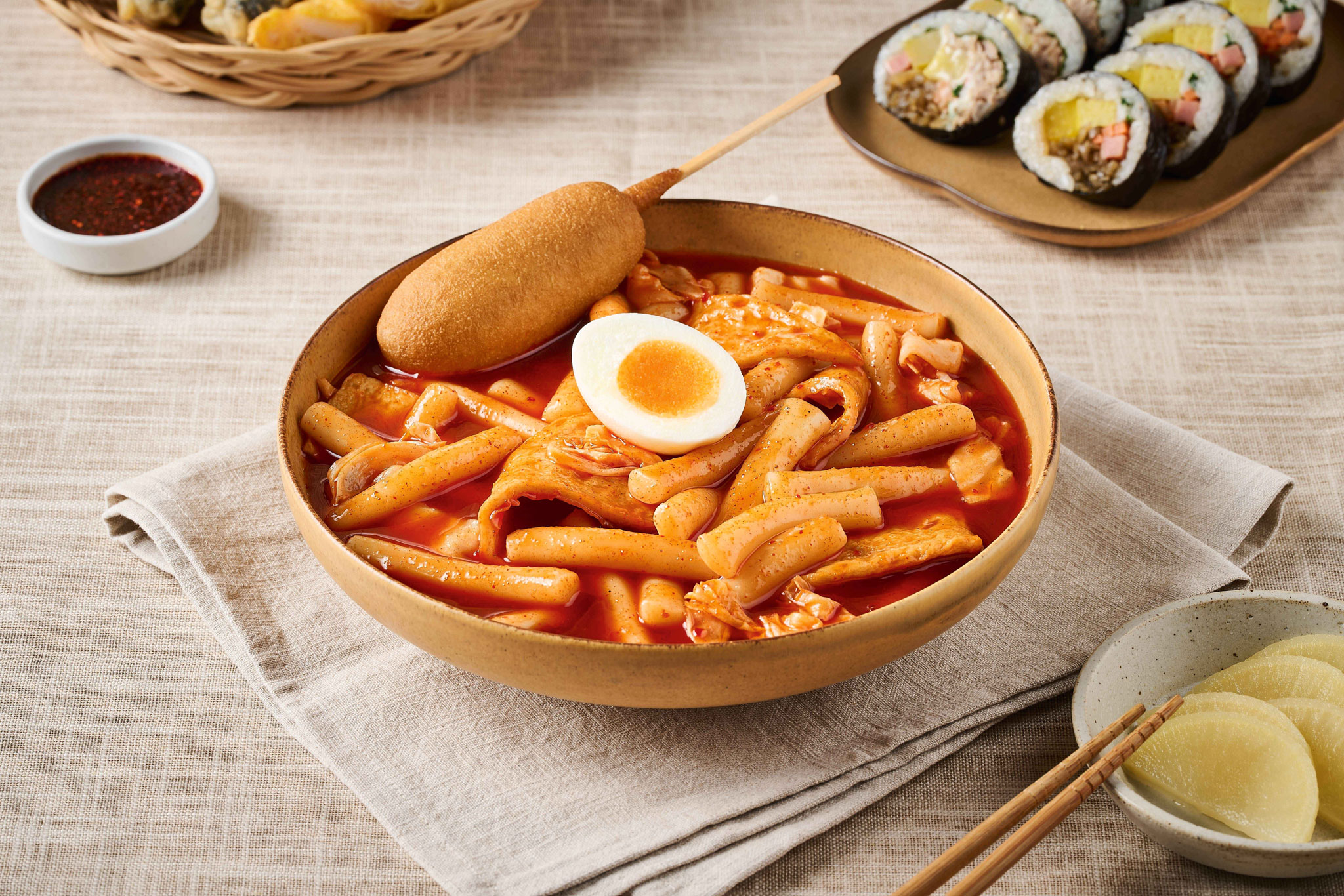
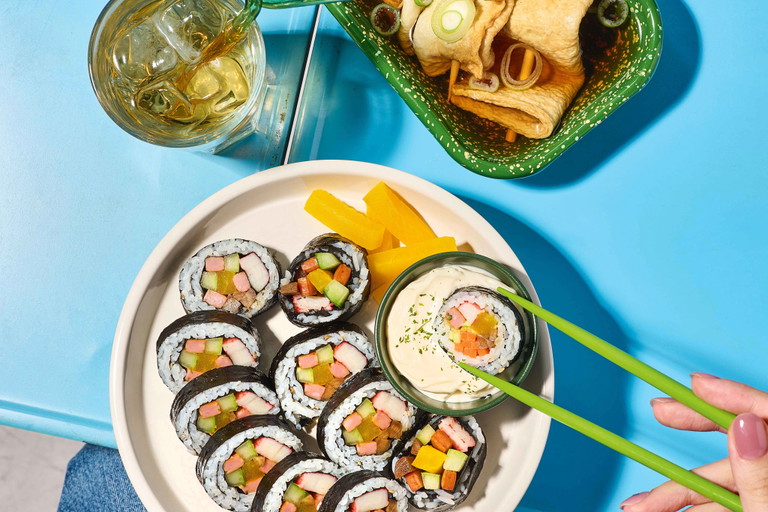
Korean street food classics such as tteokbokki (rice cakes in spicy chili sauce), gimbap (Korean sushi), hotteok (stuffed pancakes) and eomuk (fishcake skewers) are found throughout the city. Yet new trends continue to emerge: The traditional and slightly chewy twisted donuts are currently experiencing a hype, alongside garlic buns with cream cheese from Garlic Boy or the trendy K-toasts from Eggdrop. Not to mention Korean corn dogs, available in countless variations.
Sleeping
- The Four Seasons Hotel Seoul
Luxurious 5-star hotel in the heart of Seoul. Spacious rooms with city views, several top restaurants, spa and fitness area as well as a Korean sauna jjimjilbang exclusively for hotel guests.
97 Saemunan-ro, Jongno-gu, Seoul
T: +82 2 6388 5000, fourseasons.com/seoul
- Josun Palace
Luxurious 5-star hotel on Tehran-ro in Gangnam, continuing the legacy of the former Chosun Hotel with a modern, Art Deco-inspired design. 254 rooms and suites offer spectacular city views.
Tehran-ro, 231 Gangnam District, Seoul
T: +82 2 727 7200, marriott.com
- Nostalgia Hanok Hotel
Small, high-quality Hanok boutique hotel with rooms in traditional Korean style in the Bukchon district of Jongno-gu, a few minutes' walk from Bukchon Hanok Village.
1 Bukchon-ro 8-gil, Jongno-gu, Seoul
T: +82 2 3673 3666, nostalgiaseoul.com
Food
- Mingles
Chef Mingoo Kang reinterprets traditional flavors and ferments such as jang in multi-layered tasting menus. Awarded three Michelin stars since 2025.
19, Dosan-daero 67-gil, Gangnam-gu, Seoul
T: +82 2 515 7306, restaurant-mingles.com
- Vinho
Chef Jeon Seong-bin serves sophisticated dishes made mainly from Korean ingredients in an elegant wine bar setting. Sommelier Kim Jin-ho curates a thoughtful selection that balances avant-garde labels with classic wines.
38 Hakdong-ro 43-gil, Gangnam-gu, Seoul
T: +82 10 9677 2302, restaurantvinho.kr
- Soigné
Two-star chef Jun Lee serves modern, seasonal tasting menus under the guiding principle "Contemporary Cuisine of Seoul", using Korean ingredients whenever possible.
652 Gangnam-daero, Gangnam-gu, Seoul
T: +82 2 3477 9386, soignerestaurantgroup.com
- Eatanic Garden
An Urban Sky Garden on the top floor of the "Josun Palace" in Gangnam. Chef Son Jong-won serves a seasonal tasting menu. Modern interpretations of Korean products meet French-influenced technique.
Tehran-ro, 231 Gangnam District, Seoul
T: +82 2 727 7610, jpg.josunhotel.com
- The Hyeongje
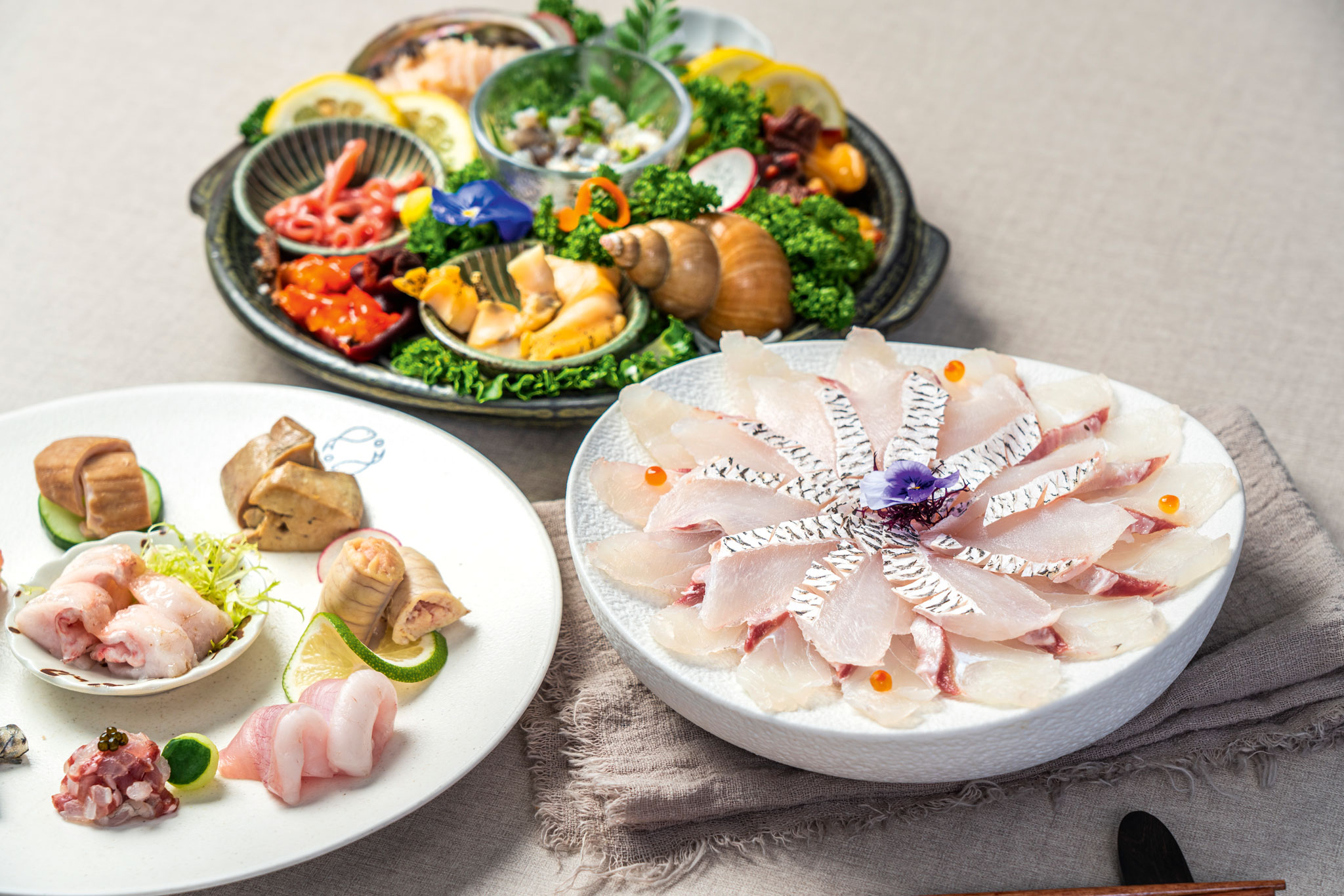
Specializing in top-quality raw fish, accompanied by a fine selection of top wines. The menu follows the Korean "hoe" culture: raw fish takes center stage, followed by hot dishes.
122-1 Nonhyeon-dong, Gangnam-gu, Seoul
T: +82 0507 1408 7003
- Sanullim 1992
Atmospheric Hanok pub in Hongdae. The cult rice wine Makgeolli and other Korean spirits are served here. Typical dishes such as various anju (snacks), jeon (pancakes) and stews go perfectly with the drinks.
60 Seogang-ro 9-gil, Mapo-gu, Seoul
T: +82 2 334 0118, instagram.com/sanullim1992
- Mongjungheon
Seoul is considered a stronghold for high-quality Chinese cuisine. The restaurants in the "Mongjungheon" group specialize in Cantonese cuisine, Hong Kong-style dim sum and congee (rice porridge) specialized. This branch is located in the basement of the 8-storey Ferrum Tower.
19 Eulji-ro 5-gil, Jung-gu, Seoul
T: +82 2 6353 8585, mongjungheon.co.kr
- Seoul Ansim
The best cuts of the legendary Hanwoo beef on the table grill - and everything you need for an authentic Korean BBQ experience. Be sure to reserve so that the desired cuts are in stock!
63 Cheonggyecheon-ro, Jongno-gu, Seoul
T: +82 0507 1450 1890
instagram.com/seoul_ansim_jonggak
- Jinmi Sikdang
Inconspicuous, always well-stocked restaurant in Gongdeok, which specializes exclusively in raw crab (ganjang-gejang) marinated in soy sauce.
186-6 Mapo-daero, Mapo-gu, Seoul
T: +82 2 3211 4468
Bars & Cafés
- Gong Gan
Intimate cocktail bar in a lovingly renovated hanok with a small inner courtyard. Known for Signature drinks that combine Korean flavors with Western spirits.
66-4 Yulgok-ro 3-gil, Anguk-dong, Seoul
T: +82 2 723 3664
- Felt Coffee
Purist specialty coffee bar that focuses on the quality of the beans and artisanal preparation. Single origins, which are processed in our own roastery, are also available to buy.
77 Mugyo-dong, Jung-gu, Seoul
T: +82 2 3789 5946, feltcoffee.com
Places of interest
- MMCA
Since 2013, the National Museum of Modern and Contemporary Art has stood on an area steeped in history, where important political events took place during the Joseon era and in the post-war period institutions.
30 Samcheong-ro, Jongno-gu, Seoul, South Korea
T: +82 2 3701 9500, mmca.go.kr
- Amorepacific Museum
The Amorepacific Museum of Art (APMA) at the Amorepacific headquarters in Yongsan is based on the private collection of company founder Suh Sung-whan and was founded in 1979 as the Pacific Museum.
100 Hangang-daero, Yongsan-gu, Seoul
T: +82 2 6040 2345, apma.amorepacific.com
- Seoul Tower
The television tower is a landmark of the city. With good visibility, the viewing platform is a rewarding and impressive experience.
105 Namsangongwon-gil, Yongsan-gu, Seoul
T: +82 2 3455 9277, nseoultower.co.kr