Skip to content
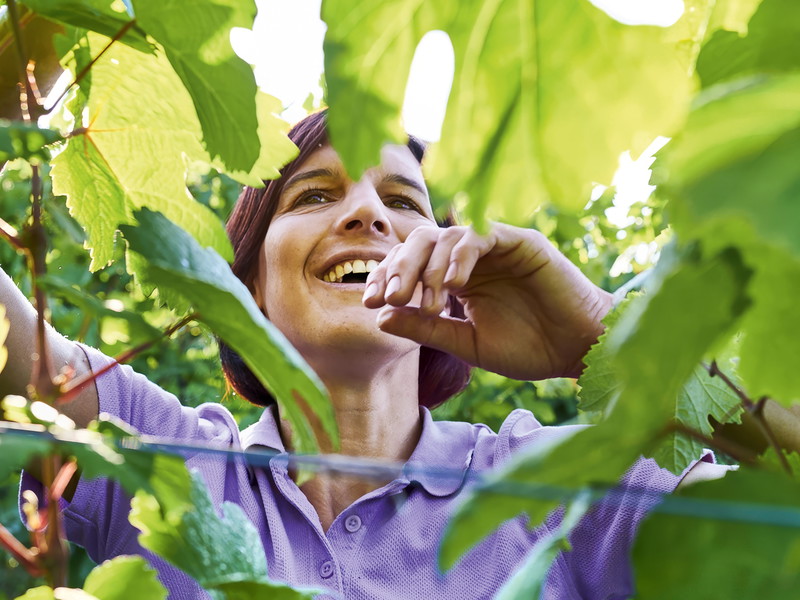
© Winery Besson-Strasser / provided

Organic viticulture: from niche to mainstream

Wine
Switzerland
Wine industry

Organic viticulture in Switzerland has developed from a few hectares to almost a fifth of total vineyard area in just three decades. More biodiversity, living soils and top ratings prove that the future of wine is green.

20 percent organic production? Back in 1990, when less than 50 hectares in Switzerland were farmed organically by a few "brave" people, this was certainly unimaginable. Yet in 2024, the organic vineyard areas of Switzerland covered exactly 2818 hectares, a record that clearly shows organic viticulture is no longer a niche. Especially not among  top producers, who often work according to organic guidelines nowadays.

Studies have repeatedly investigated whether wines made from organically grown grapes taste better than those made from conventional grapes. Two studies by Magali Delmas, environmental economist at the UCLA Anderson School of Management in California, and Olivier Gergaud, economist at the KEDGE Business School in Bordeaux, show that organically produced wines are rated higher on average than conventionally produced wines.

In a California study published in 2016, Delmas and Gergaud examined 74,000 wines rated by critics like Robert Parker (Wine Advocate), Wine Enthusiast and Wine Spectator. The results showed that organic wines received an average of 4.1 percent better ratings than conventional wines.

In a subsequent study in 2021, a total of 128,000 French wines were analyzed, this time evaluated by the renowned wine guides Gault Millau, Gilbert & Gaillard and Bettane+Desseauve. Here, too, wines from organic or biodynamic cultivation outperformed their conventional counterparts – they were rated an average of 6.2 percent higher. Wines from vintners who work with, rather than against, nature have also received top marks in Falstaff tastings for some time now.

Full of life

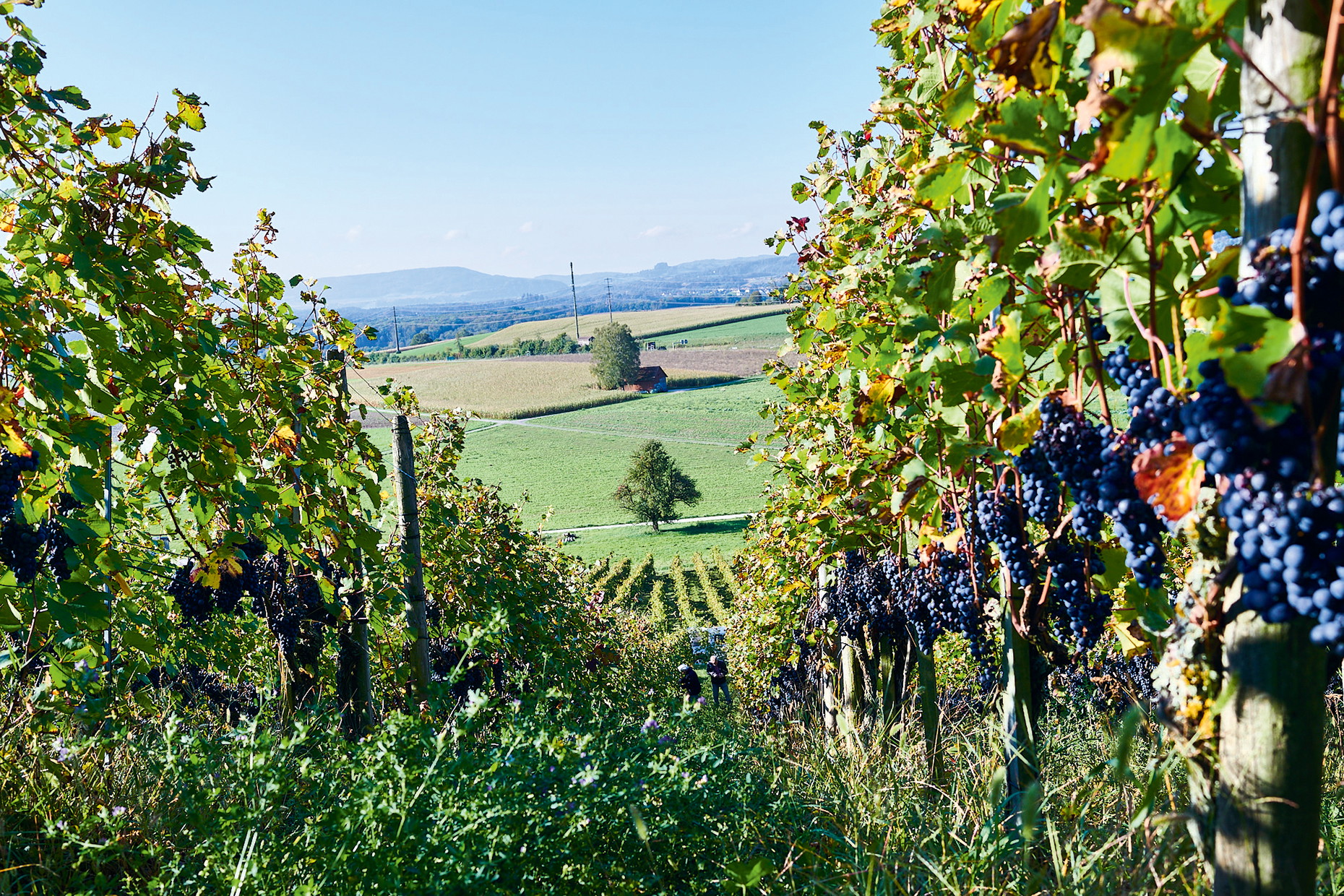
More and more top wineries in Switzerland are adopting a holistic approach that goes far beyond the omission of chemical-synthetic sprays and fertilizers. The focus here is on a living ecosystem. In concrete terms, this means understanding the vineyard not as an isolated production area, but as a complex interplay between plants, animals, and microorganisms in the soil that need to be supported.

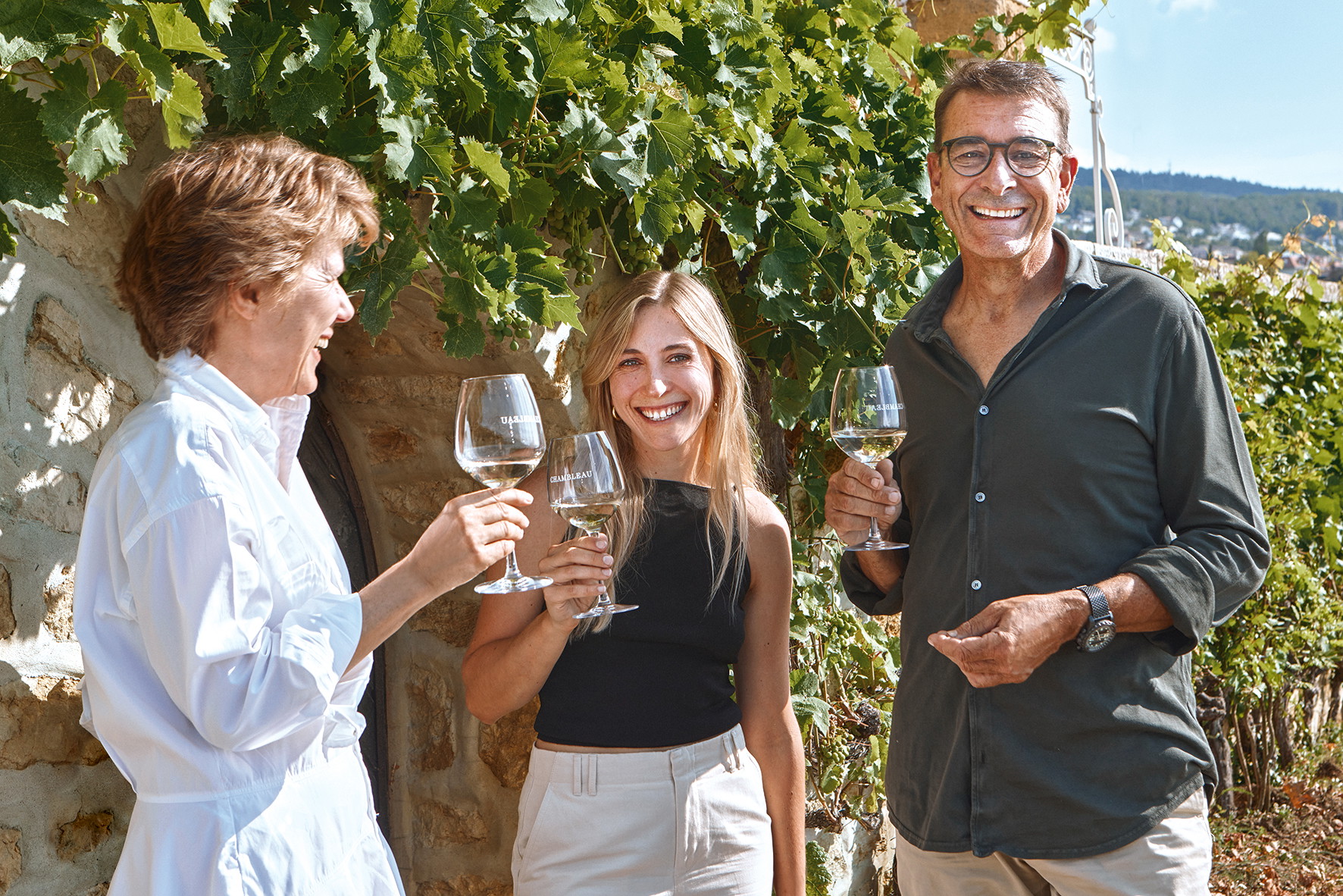
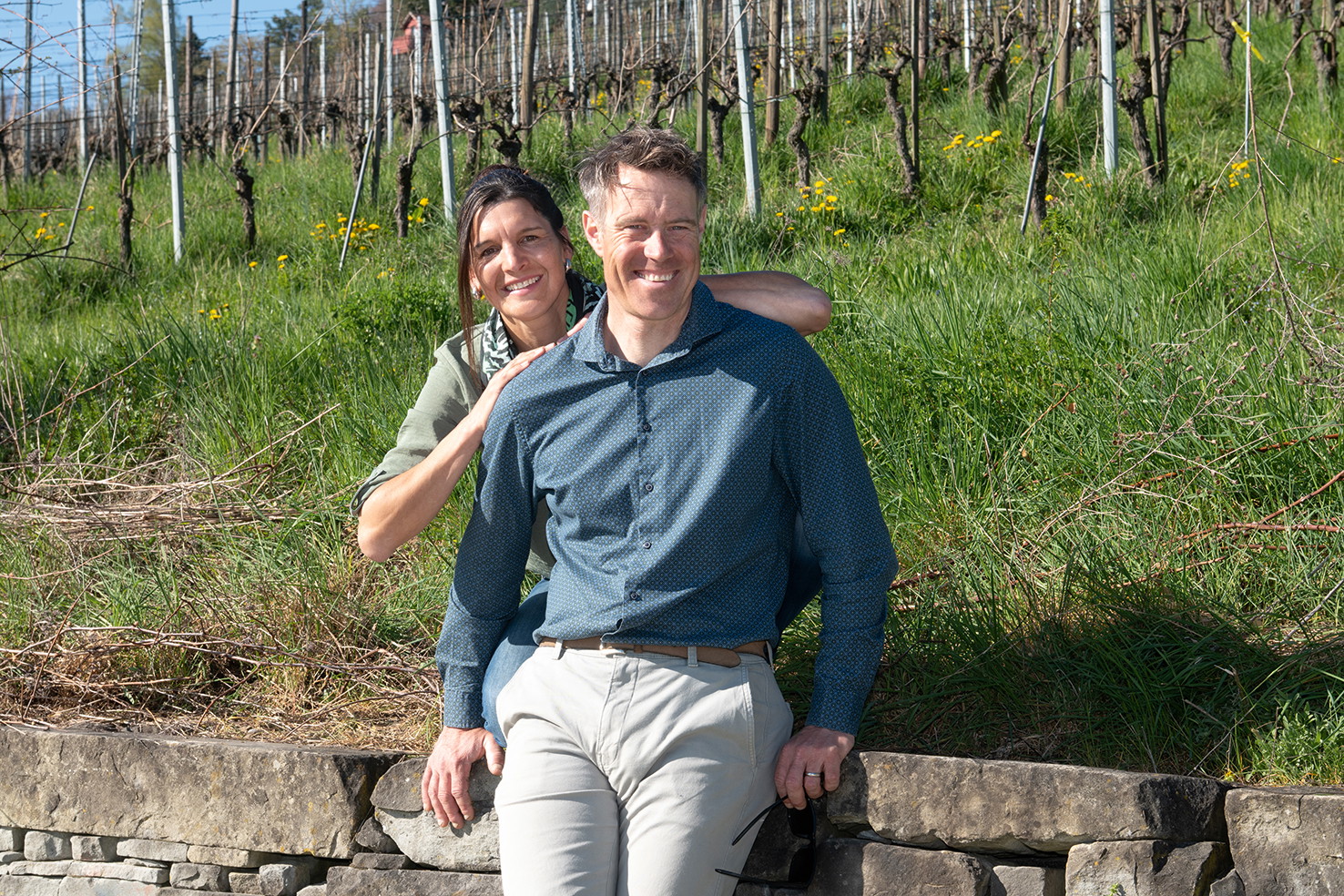
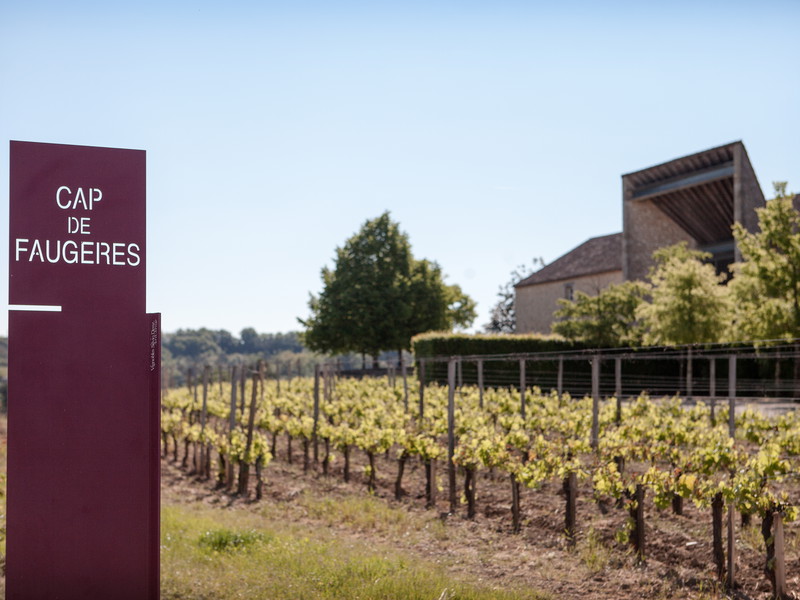
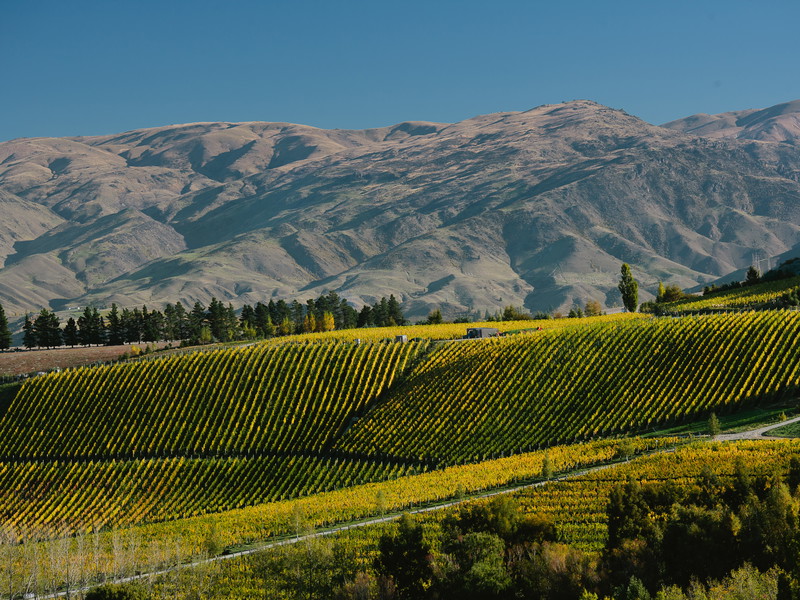
This complex system reveals itself most impressively when you stand in the vineyard: Wineries like Domaine de Chambleau or Besson-Strasser are full of life. Permanently rows of vines, as is common in organic viticulture, and a variety of vegetation provide protection against erosion, improve water retention, significantly lower soil temperatures and thus reduce evaporation and heat stress. In addition, the rows are buzz and hum with insect life, as biodiversity increases by an average of around 30 percent with organic cultivation.
As little as possible, as much as necessary

The real drama takes place beneath the surface: The soils of organically cultivated vineyards teem with microorganisms, fungi and bacteria. These invisible helpers form symbiotic communities with a vine's roots, make nutrients more readily available, nad strengthen a plants' defenses.

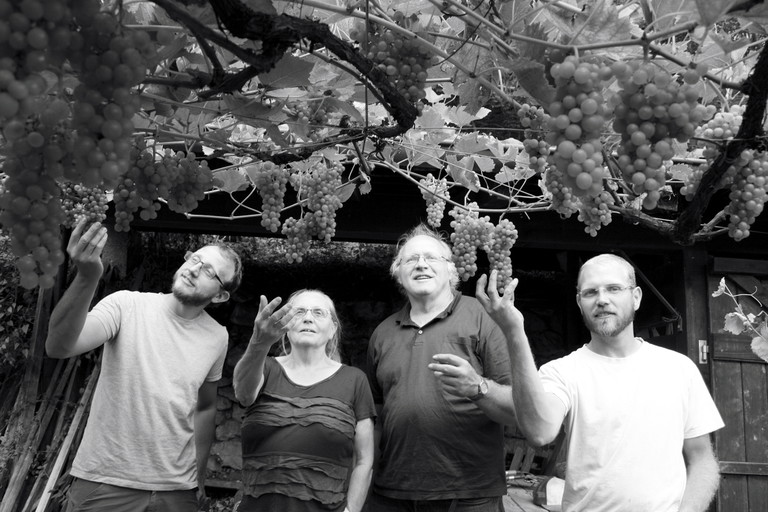
Producers like Bosshart + Grimm in the St. Gallen Rhine Valley or the Azienda Agricola Bianchi in Ticino also rely on fungus-resistant grape varieties: Fungicidal measures can be reduced by up to 80 percent when growing them, which means considerable savings in terms of costs and environmental impact.

The principle also applies to the cellar: as much as necessary, as little as possible. Many additives and preservatives that are commonly used in conventional winemaking are severely restricted in organic viticulture. Sulphur dioxide, for instance may only be used in small quantities, and technical interventions are reduced to a minimum. Switzerland takes labeling very seriously: certified organic farming is a legally defined standard that is strictly controlled. Terms such as "sustainable", on the other hand, are not legally protected, which means that the significance for consumers remains unclear.

Green prospects

More and more people want to know exactly how the things they enjoy were produced – driven by growing health awareness and the desire for natural, environmentally friendly products. Millennials in particular – born between 1981 and 1996 – have played a key role in shaping the organic wine boom of recent years. A boom that is far from over.

According to a recent study by the California-based market research institute Grand View Research, the global market for organic wines is expected to reach a value of around 19 billion Swiss francs by 2030. Market researchers are forecasting annual growth rates of over ten percent, while the conventional wine market stagnates. This shows that organic viticulture is not a trend, but an expression of profound change. It strengthens the soil, ensures biodiversity and produces high quality wines. It's been a long journey from its origins as an obscure niche project in the 1990s – but today, oganic wine has become a symbol of sustainable agriculture.

The family-run Bosshart + Grimm is a longtime grower of fugus-resistant vines.
pic provided
The family-run Bosshart + Grimm is a longtime grower of fugus-resistant vines.

Dominik Vombach
Dominik Vombach
Chefredaktion Schweiz
Find out more
1 / 12