Skip to content

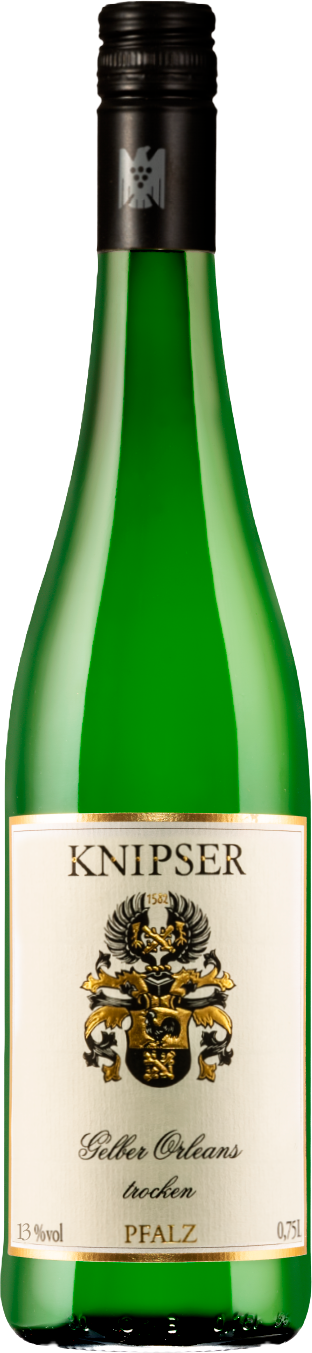
At the Knipser winery, Gelber Orleans was first planted in 1993. Since then, its growing area has repeatedly increased by a few acres.

At the Knipser winery, Gelber Orleans was first planted in 1993. Since then, its growing area has repeatedly increased by a few acres.
Photo provided

Past Masters: The best wines from historic varietals

Tasting
Germany

Thirty years ago, the first pioneers set out to preserve old grape varieties on the verge of extinction. In the meantime, a real movement has emerged – and vintners are producing wines that amaze and inspire with rediscovered worlds of taste.

In the 1990s, winegrowers the world over rushed into French grape varietals: Italian vintners were suddenly very fond of Cabernet and Merlot, Chardonnay was planted in vineyards everywhere from Spain to New Zealand, and in Germany, Sauvignon Blanc was the grape of the moment.

However, even then it dawned on some that this could not be the only way forward. Despite his general affection for "international" varietals, Werner Knipser from the Palatinate set out in search of the legendary and rare ancient local variety, Gelber Orleans – and found it at Eberbach Monastery.

Bernhard Breuer also found old vines of this type in a scrubby area near Rüdesheim, which used to grow only in the warmest locations and hardly ripened even there. At the same time, Jürgen Hofmann took on the Tauberschwarz variety in the Tauber Valley, which had survived in a remote side valley.

Indeed, the commitment paid off: Wines from these two varietals take first and second place in our Trophy. In the last 15 years, however, the spectrum has become much wider. Many of the findings can be traced back to the field studies of vine researcher Andreas Jung. The logistical center of the revival is the Martin vine nursery in Gundheim in Rheinhessen, which not only provides grapevines for wineries, but also presses its own – and very successfully, as our trophy shows.

However, there is a bureaucratic problem with certain names that these varieties bear: When traditional designations such as "Pinot Blanc" or "Grüner Veltliner" were legitimized as traditional designations throughout the EU in the early 1990s, neither "Fränkischer Burgunder" nor "Grüner Wormser" or "Adelfränkisch" made the list.

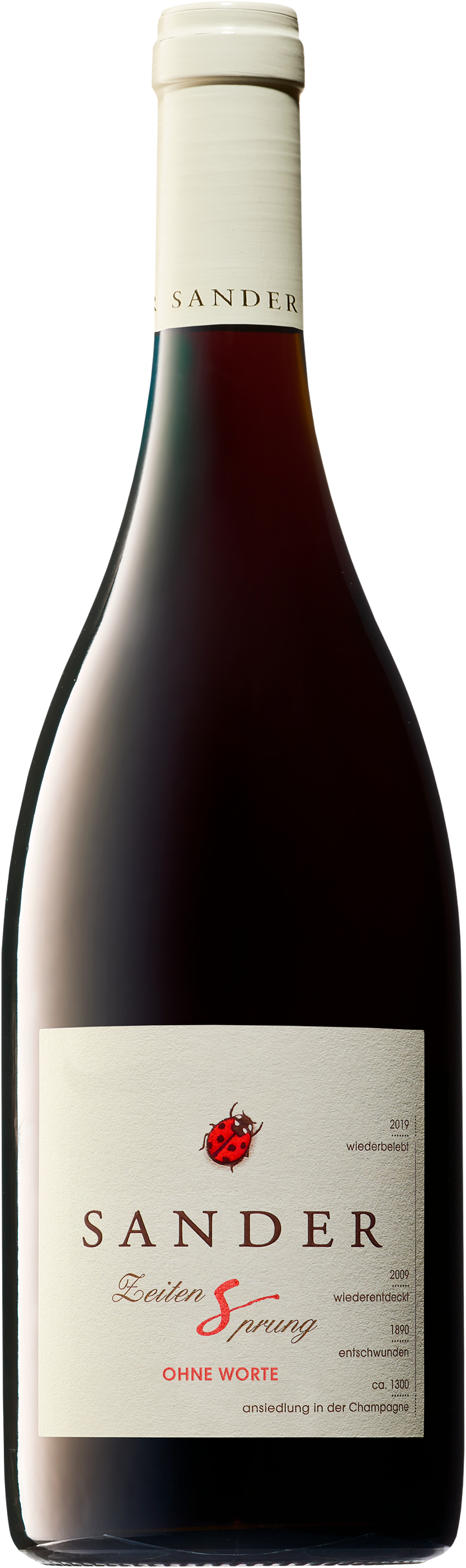
Now the wine control authority is objecting to such names, as they could be mistaken for indications of origin. The Weingut Sander now labels its "Fränkischer Burgunder" which is grown in Rheinessen and placed third in our trophy, as "untitled".

SEE ALL THE RESULTS

1st place

Subtle wood and "earthy" notes give the aroma something "wild" and spicy. Notes of sage and mint are also present. Gradually, ripe black cherry fruit comes to the fore. On the...
Franconia, Germany

2nd place

The flavour is reminiscent of a white wine of southern origin: with notes of salt crust, seaweed, red apple and reine claude plum. The palate has a silky and juicy flow, showing a...
Pfalz (Palatinate), Germany

3rd place

A full, spicy aroma: with flavours of tobacco and elderberry, dark chocolate, also some cinnamon (from the wood). The palate is rich in extract, with very dense but also mellow...
Rhine Hesse, Germany

Historic varietals


A former disadvantage is now an advantage
All the grape varietals in this trophy were once grown in Germany. However, as they couldn't fully ripen in the climate of the 18th, 19th and early 20th century, vintners eventually abandoned them for other varieties – and these old grapes types fell into obscurity.

Laborious reconstruction
However, global warming changed everything. And while only two or three vines of some varieties survived, the long way to reviving them is worth it.

Ulrich Sautter
Ulrich Sautter
Wein-Chefredakteur Deutschland
Find out more
1 / 12