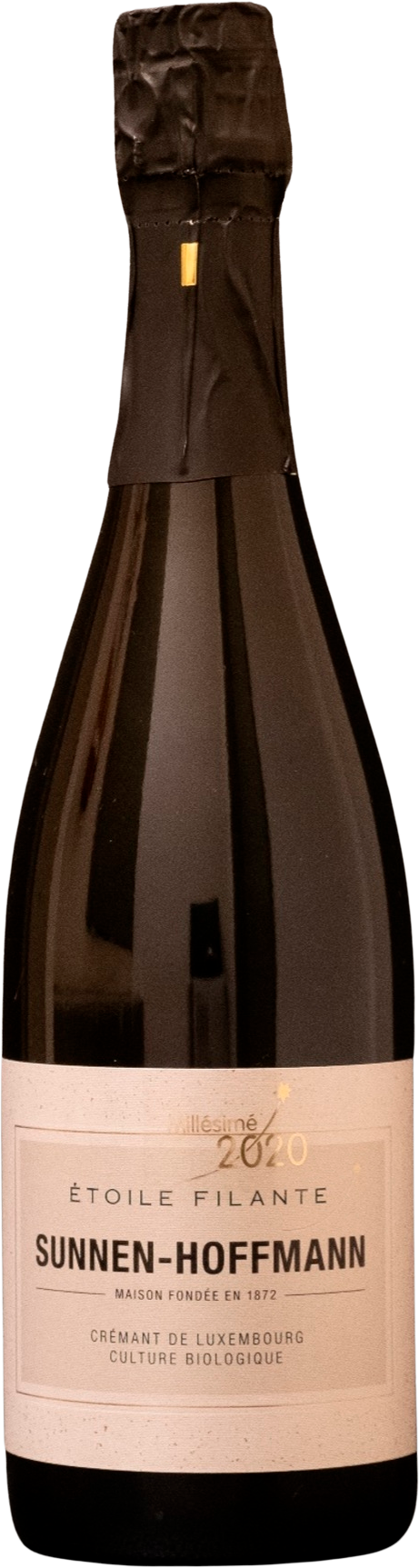
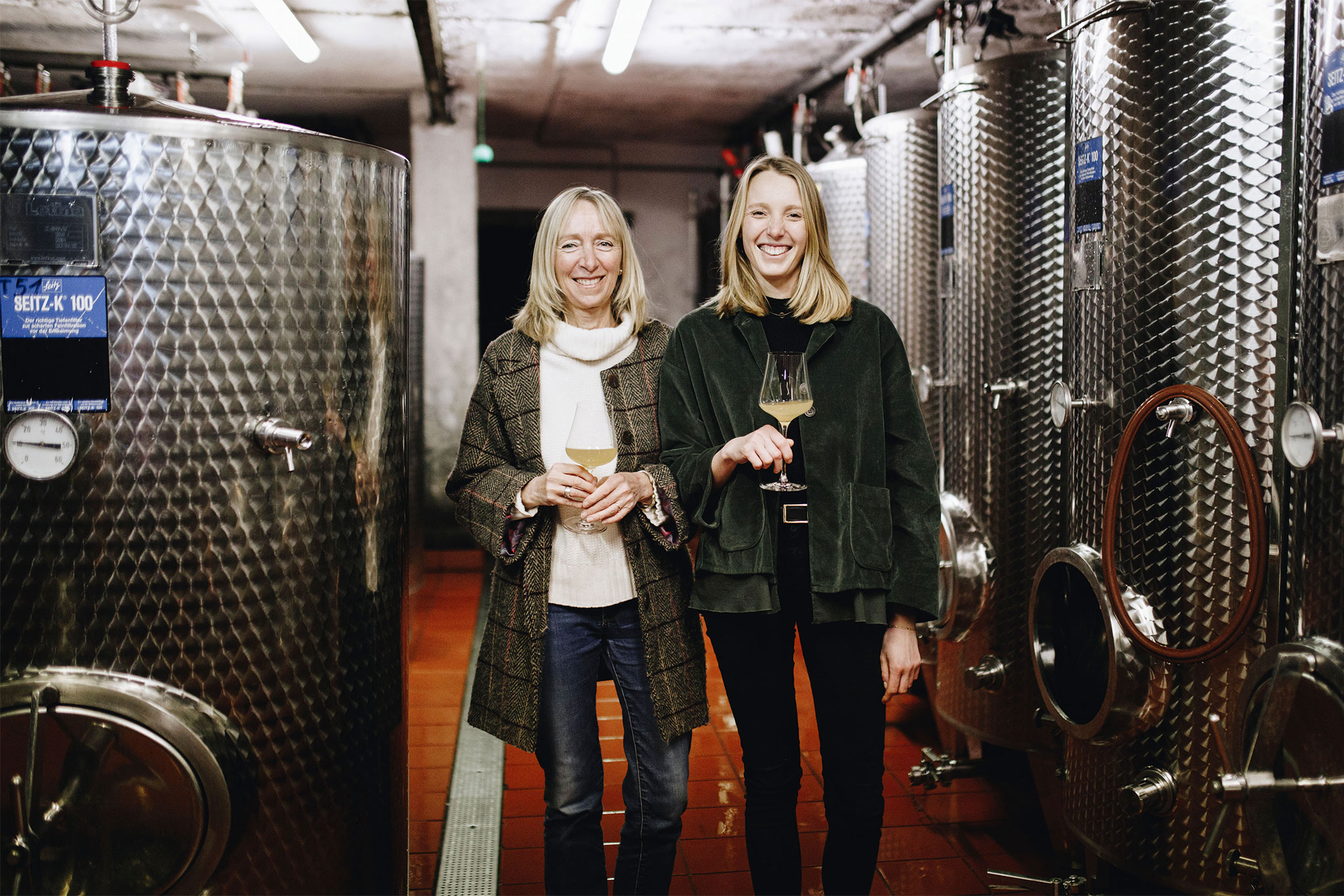
The results are in! Falstaff's 2025 crémant tasting brought several surprises, with the entries from Luxembourg doing particularly well. Producing crémant since 1991, this small wine region of around 1200 hectares lies on the Moselle, but instead of slate, loamy limestone soils dominate – ideal for Burgundy. A prime example is Domaine Sunnen-Hoffmann, run by Marie Kox, the sixth generation to do so. Crémant has been bottled here since 2007, with the exact amount depending on the harvest. "In warm years there is more still wine, in cooler years more base wine for crémant," explains Kox. Back in 2001, the vineyard was the first in the Luxembourg Moselle region to switch to organic farming – which has given the wines even more subtlety. Their cuvée Étoile Filante is our Trophy winner.
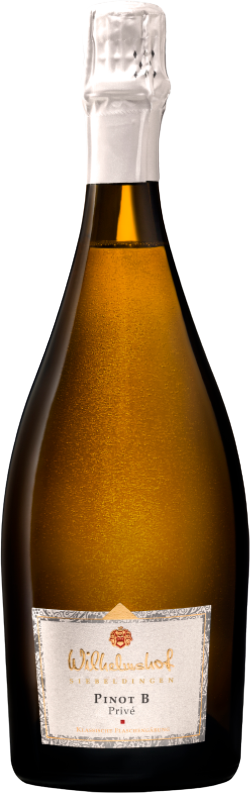
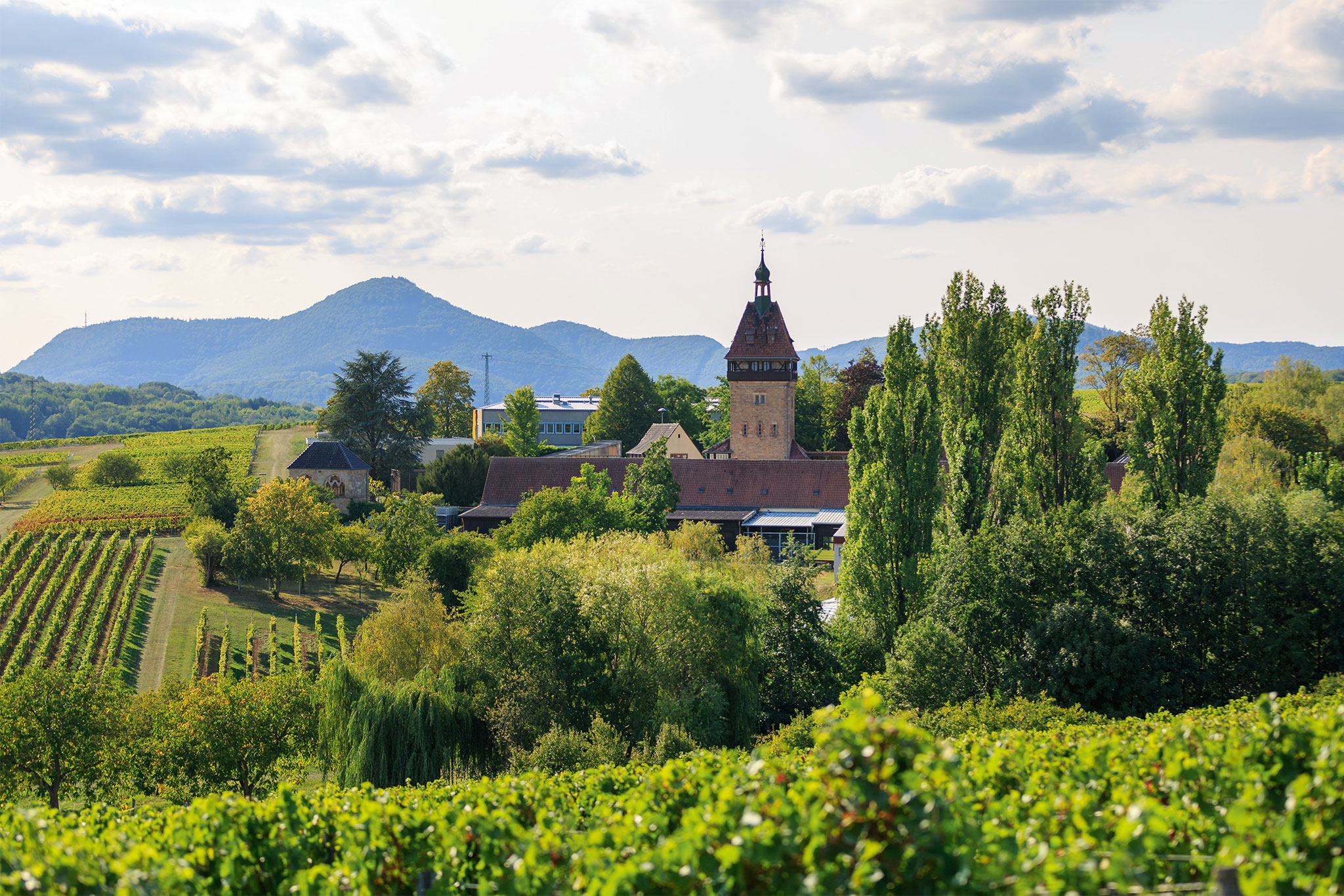
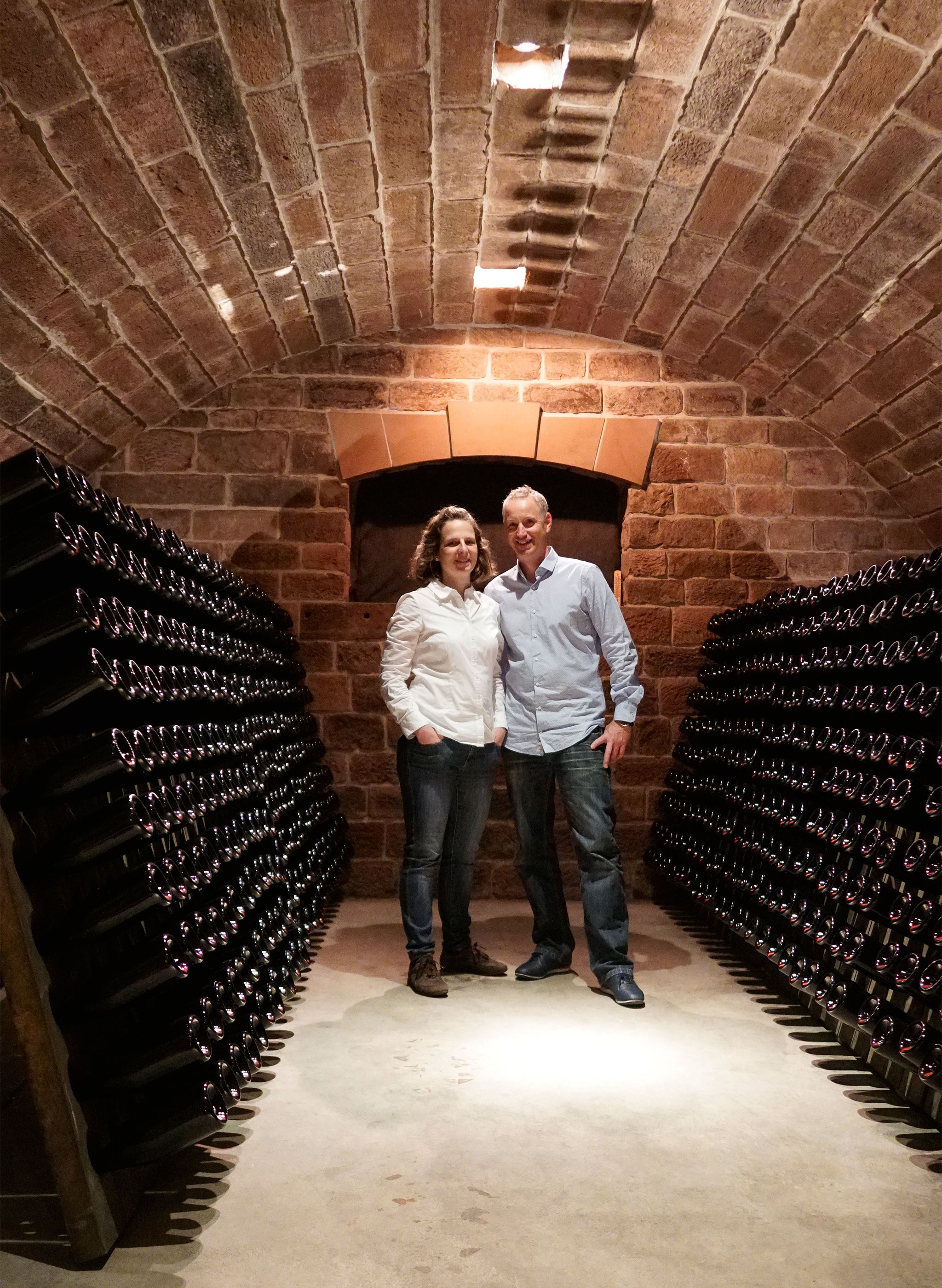
Another highlight: the sparkling wines from Wilhelmshof in Germany's Southern Palatinate region, where the Roth family has been committed to the highest quality for decades. The previous generation visited Champagne back in the 1970s – and came back with the vision of producing top-quality German sparkling wines. What began with 52 bottles is now a business where around 50 percent of their harvest is turned into crémant or sparkling wine. Some of the base wines mature in wooden barrels, which gives them depth and structure. Here, too, the switch to organic was made early on. Falstaff was particularly impressed by their variety of Burgundy crémants, their expressive Riesling sparkling wines and the outstandingly high quality of their collection as a whole.
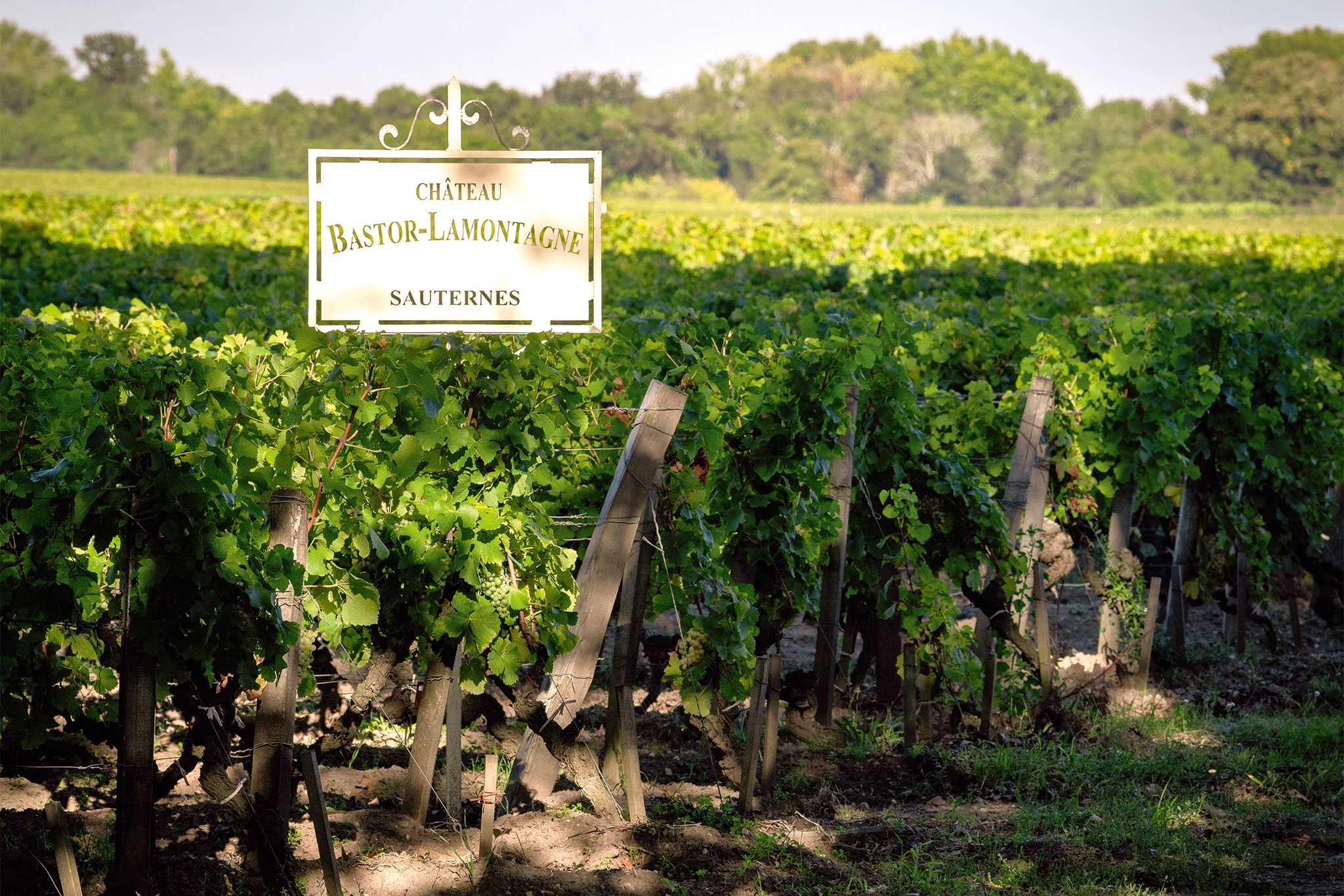
Grands Chais de France also presented exciting crémants: The group produces in all eight crémant regions of France, with a particular focus on Bordeaux. In particular, the company's Bastor-Lamontagne vineyard in the Sauternes region produces an exceptional cuvée of Sémillon and Cabernet Franc, refined with a touch of Sauternes. In conclusion, the Falstaff Trophy 2025 proves that crémant deserves more attention! The overall quality was outstanding, and the value was unbeatable. High time to place crémant front and center!