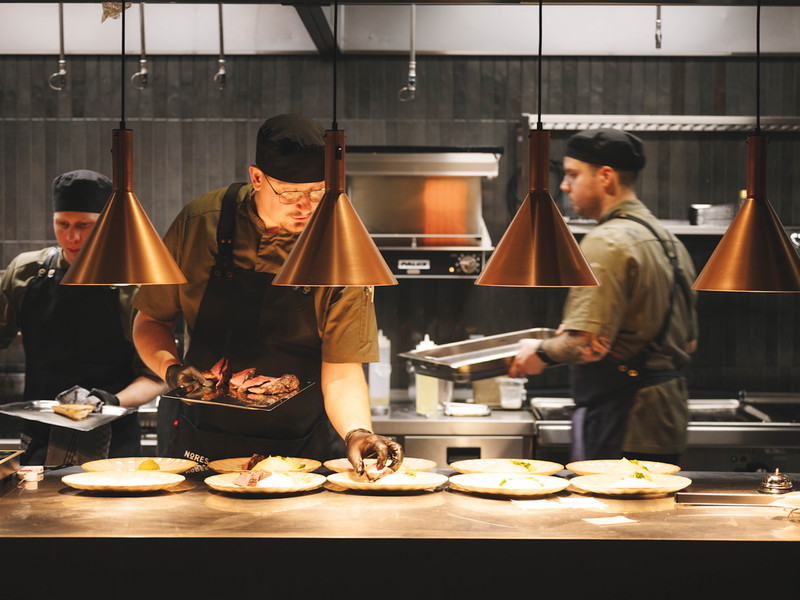
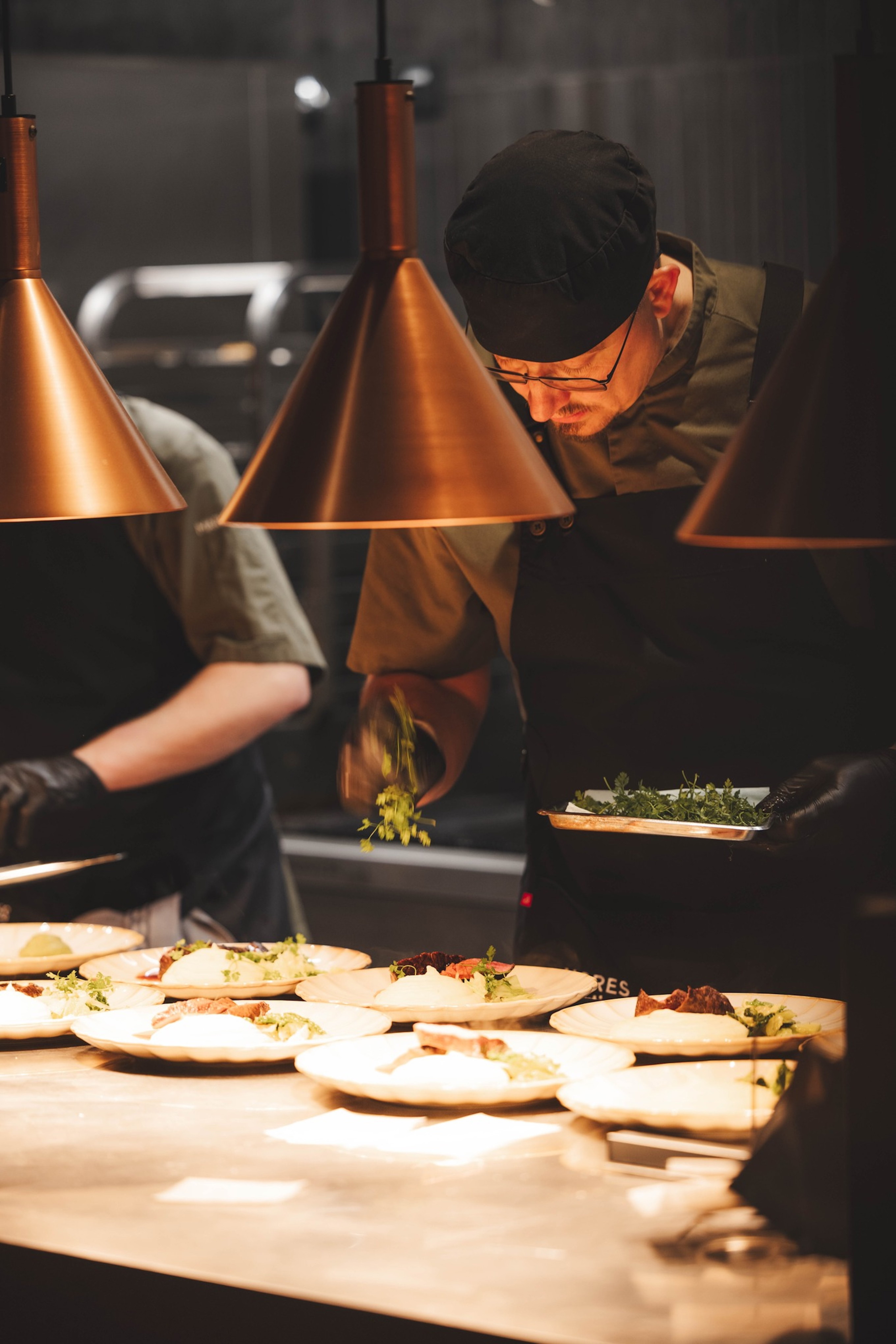
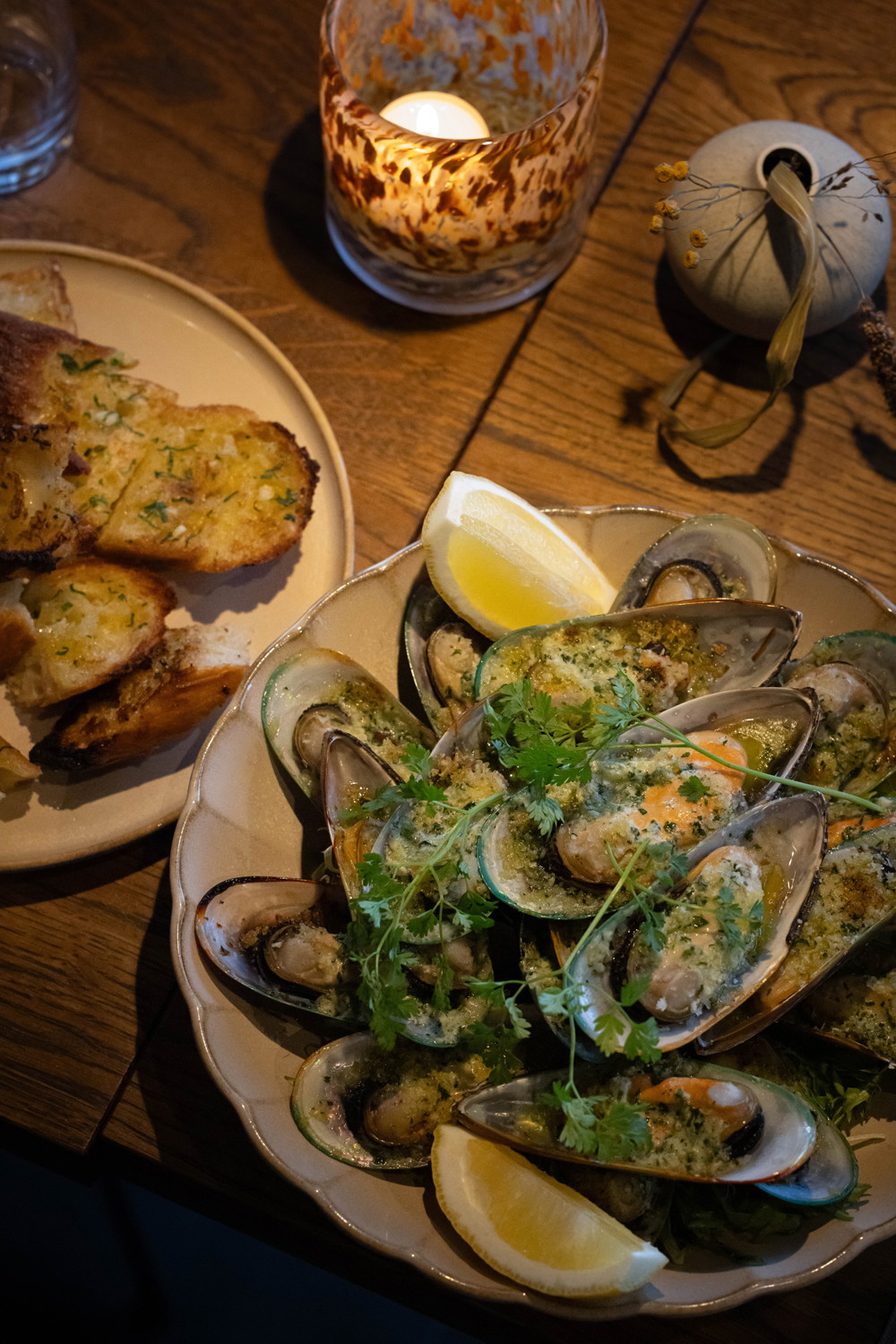
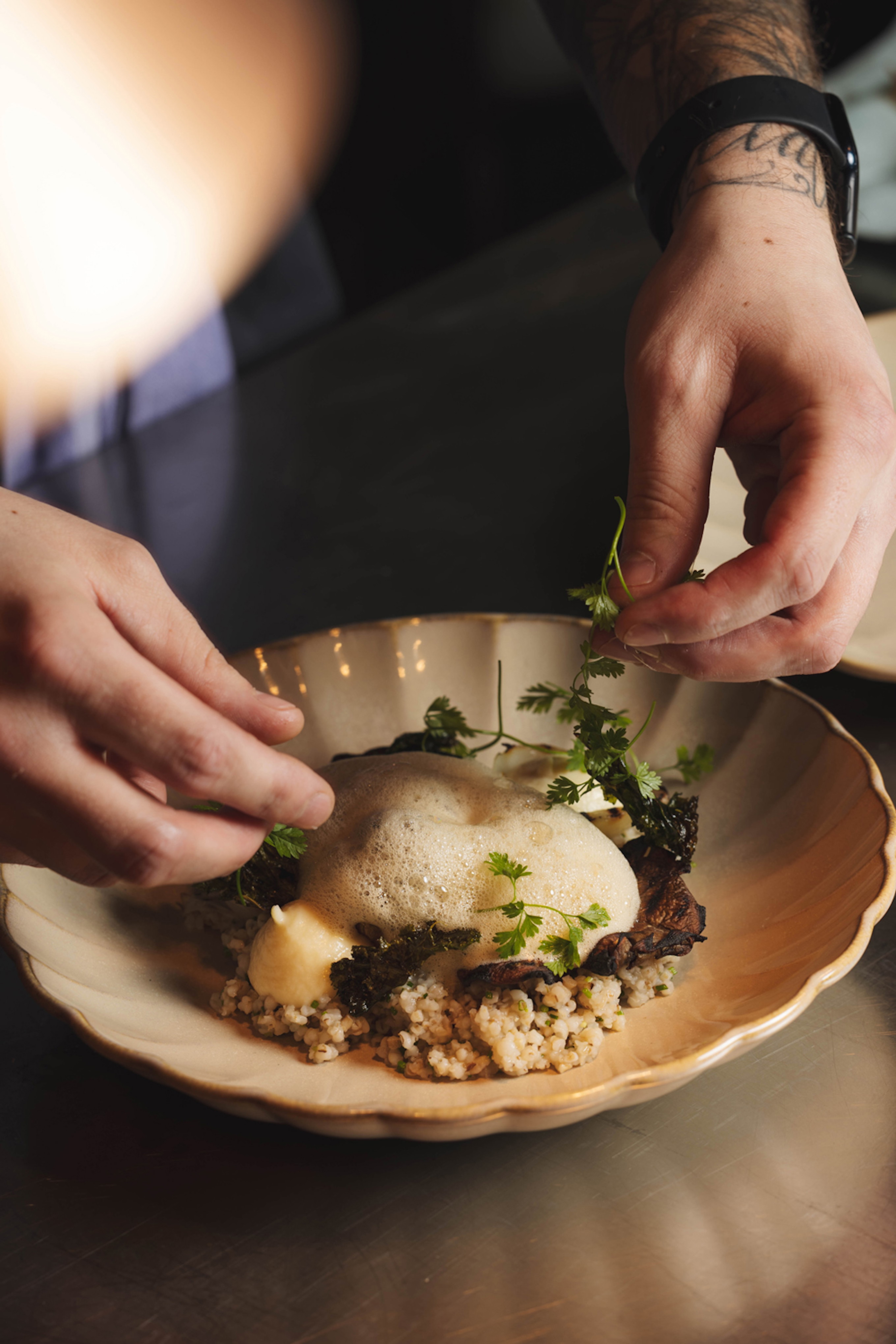
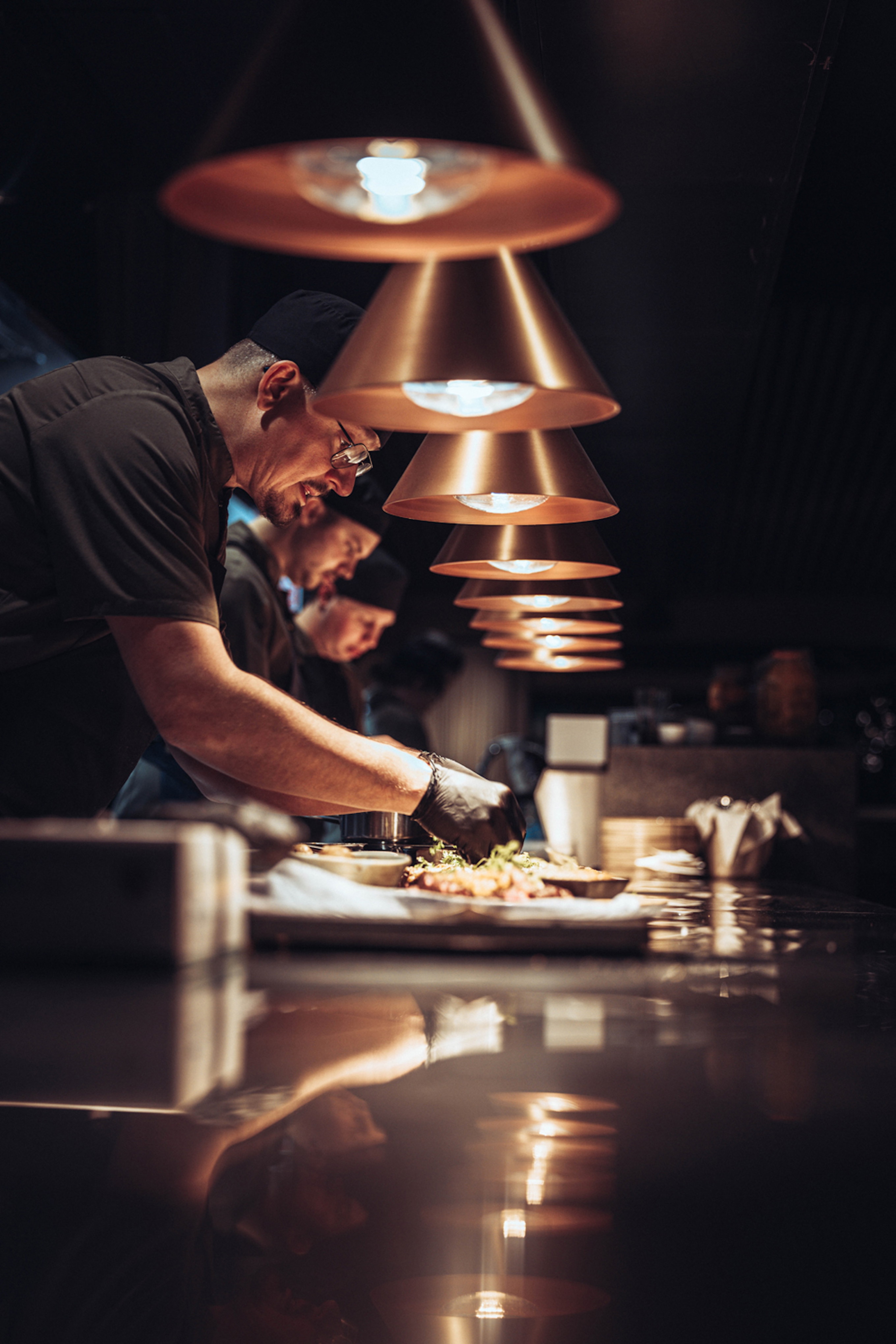
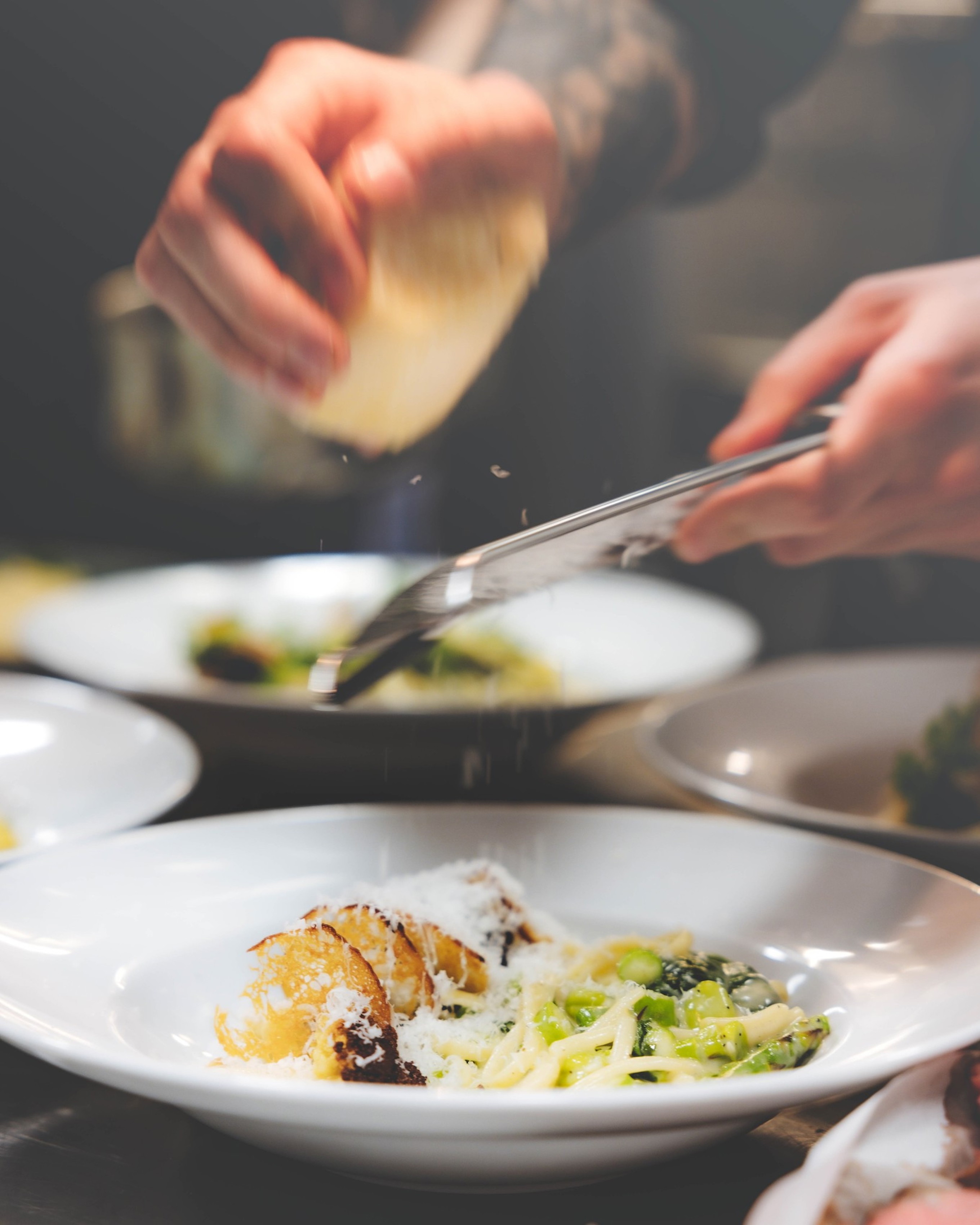
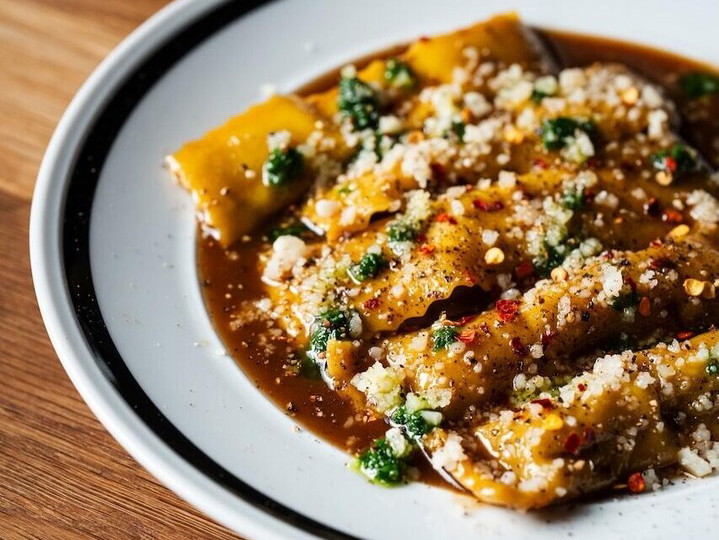
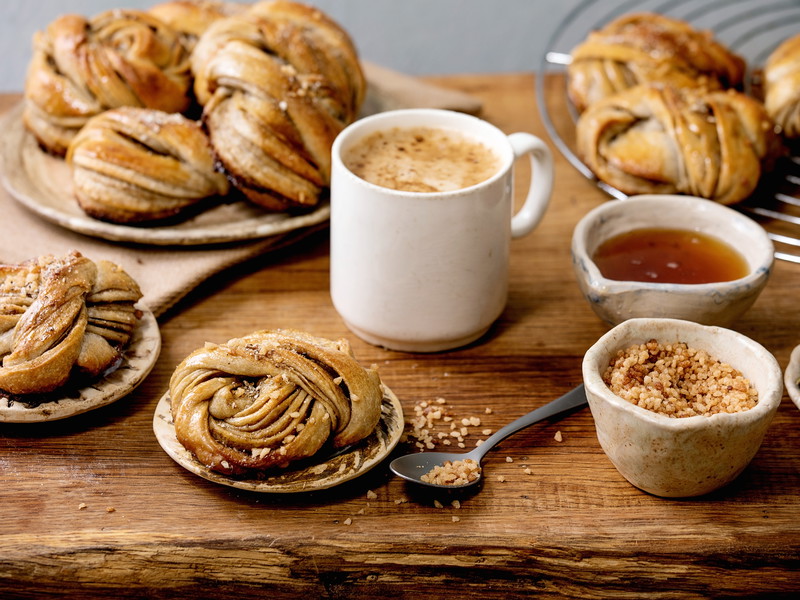
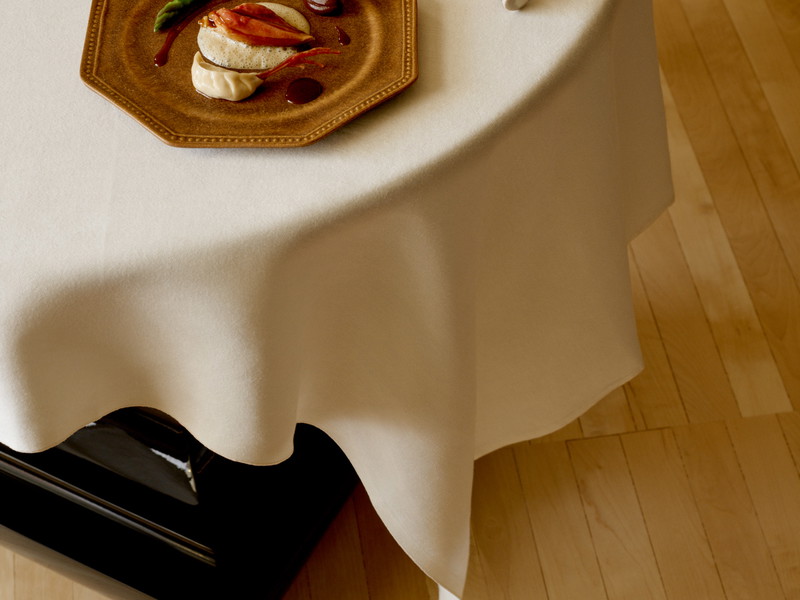
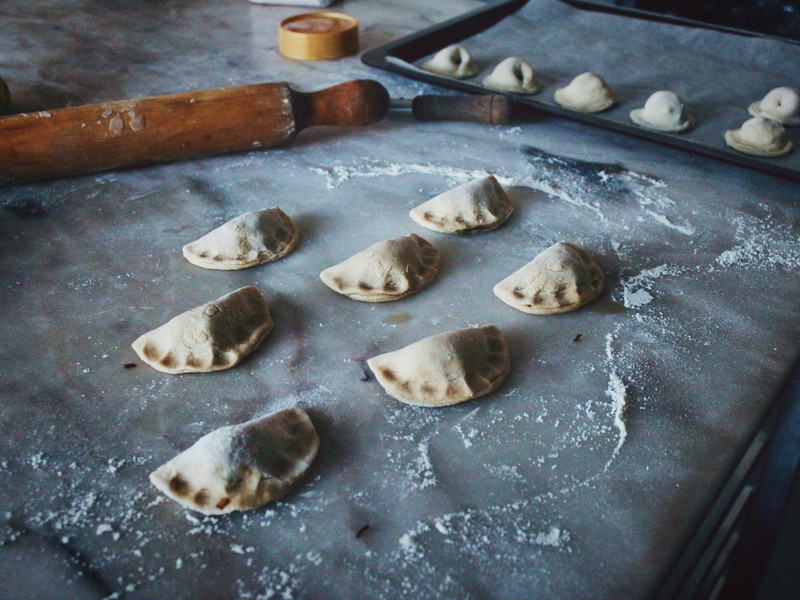
The challenge, of course, is that ‘local’ can quickly become shorthand for predictable Nordic nostalgia. Roslagen, the coastal region surrounding Marholmen, comes with its own strong culinary associations: herring, rye bread, crayfish, dill, aquavit. Klaréus seems conscious of that risk. “Guests expect us to be rooted in this place and to care about both Roslagen and the archipelago,” he says. “So, in everything we do, we look at what feels typical of the region and ask how we can make it our own.”
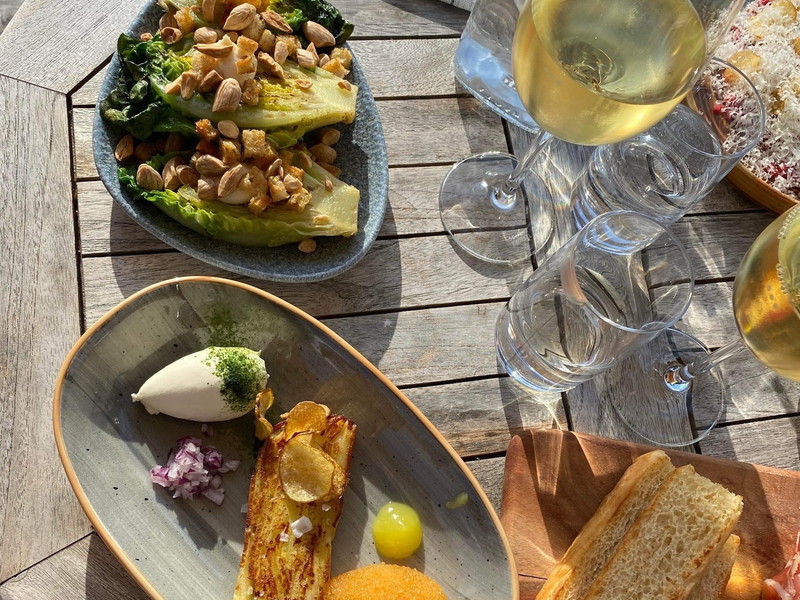
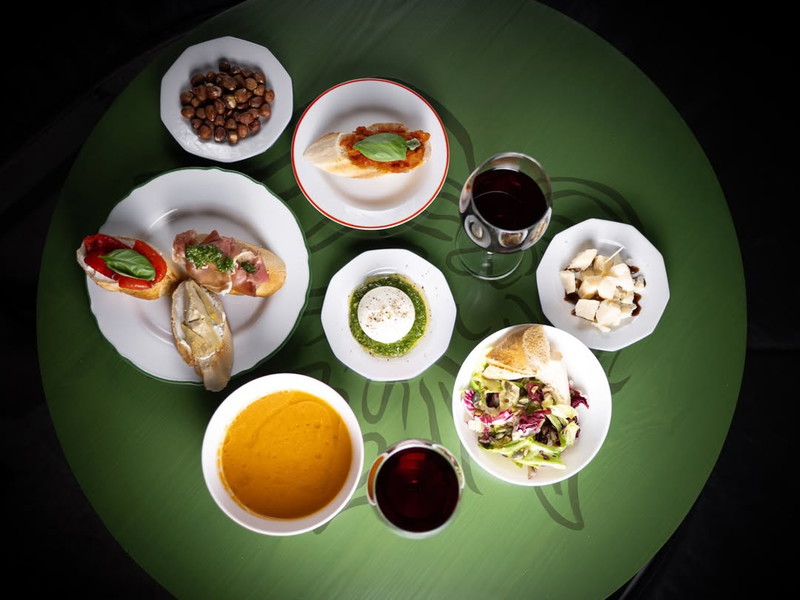
Around the island, new growing areas are being established for herbs, vegetables and berries, supported by a composting system that turns kitchen waste into soil reused in the cultivation programme. The first harvests will mainly appear on the à la carte menu at Hermans Veranda and in the resort’s bakery programme, but Klaréus is already thinking in longer seasonal cycles. “We won’t be self-sufficient in the first year, but we want guests to see the produce clearly reflected in the menus,” he says. “We also want to preserve what we don’t use straight away, so we have ingredients to work with during the winter.”
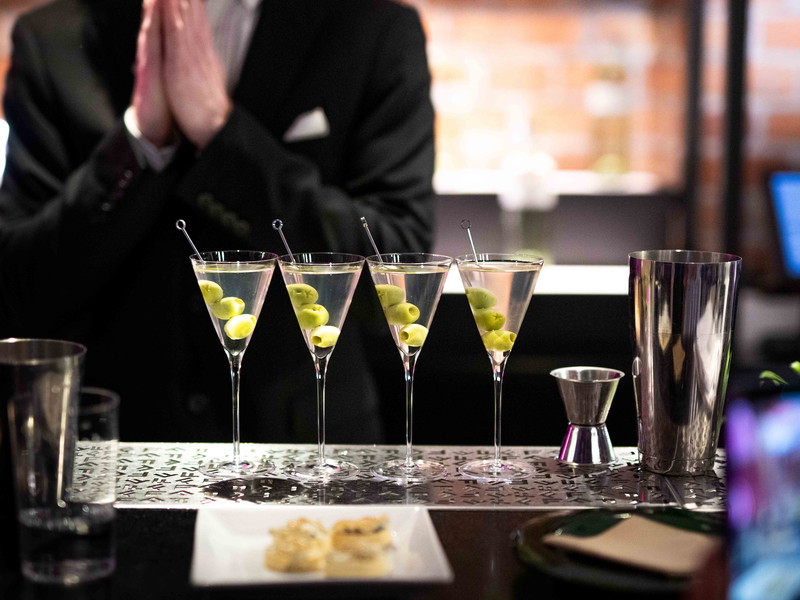
This year, parts of the island are being prepared with sunflower cultivation before larger herb and vegetable plantings begin next spring. “Having the growing areas on the island means we can harvest several times a week and use ingredients directly,” Klaréus says. “Not only for the food, but for the bar as well.”
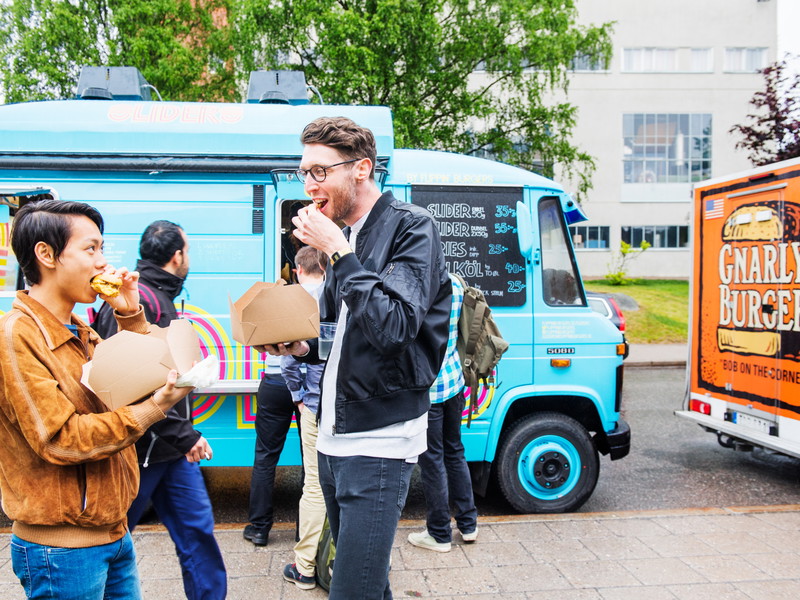
The kitchen has been designed to operate far beyond the main building. Production now supports event spaces elsewhere on the island, outdoor cooking activities and a movable food truck, while an additional kitchen in the historic Grosshandlargården mansion will anchor a separate summer restaurant. “We have plans for the barbecue areas around Marholmen and for more outdoor cooking activities. Only creativity and imagination set the limits,” Klaréus says.
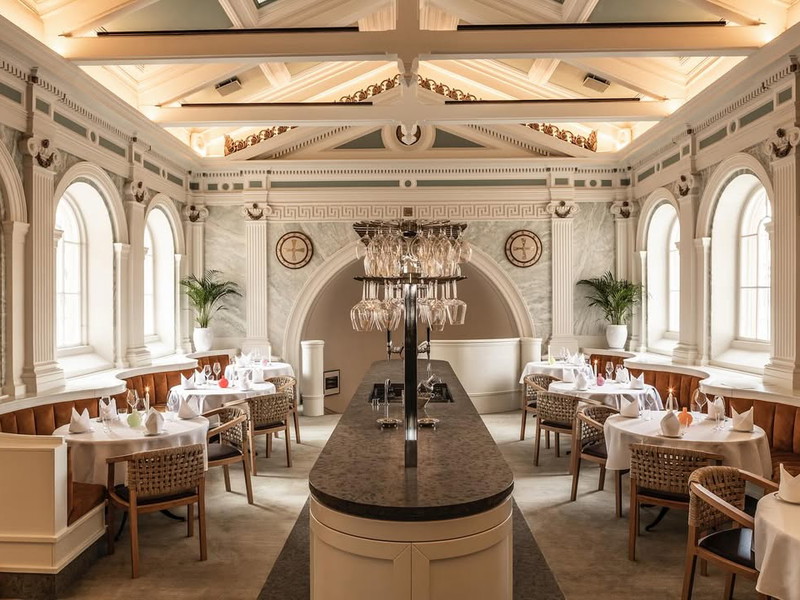
He repeatedly returns to the importance of ambience.
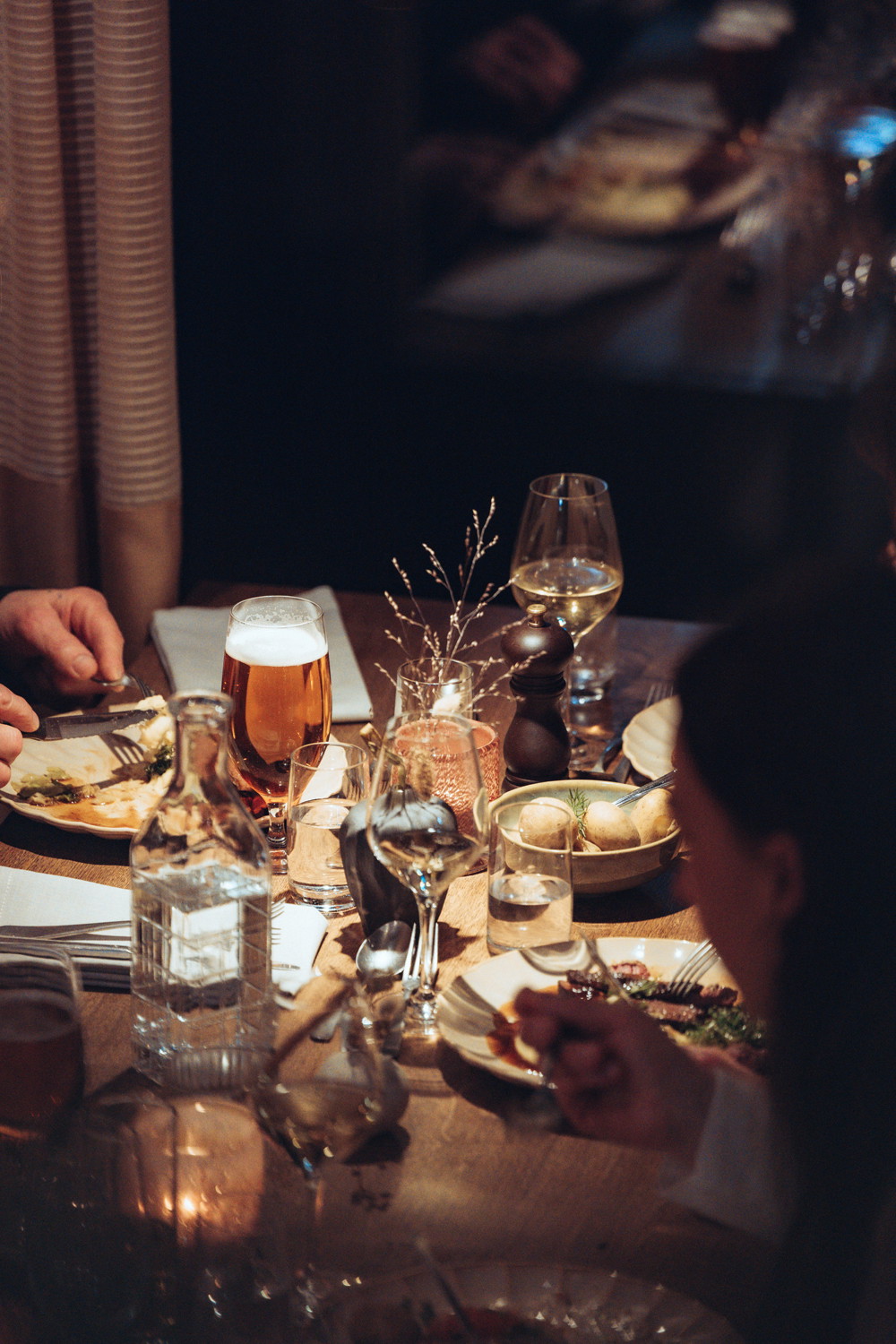
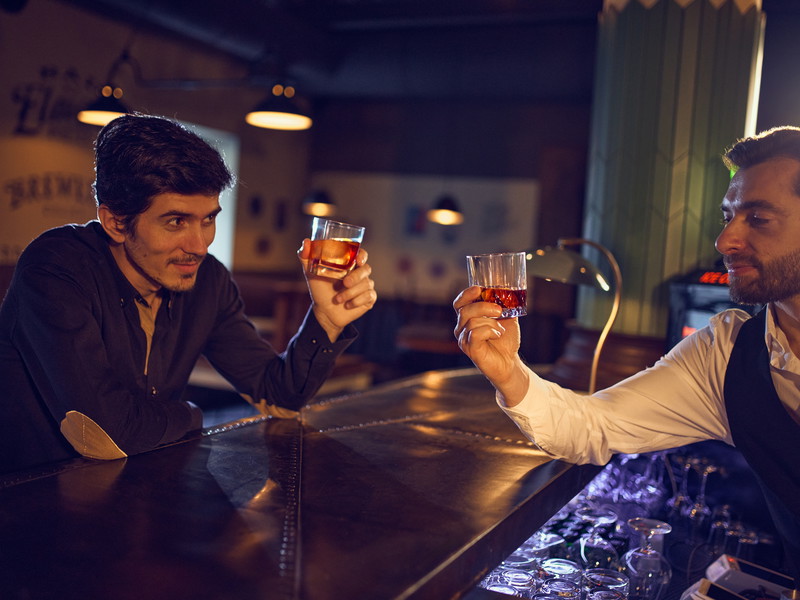
“I want guests to leave with that warm feeling you get from good food, relaxed service and a great atmosphere,” he says. “I hope they think, ‘Damn, that was good. We’ll be back.’”