
DOES CHEWING GUM MAKE YOU HUNGRY?
Chewing gum in your mouth, hunger in your stomach? Science reveals what’s really going on.
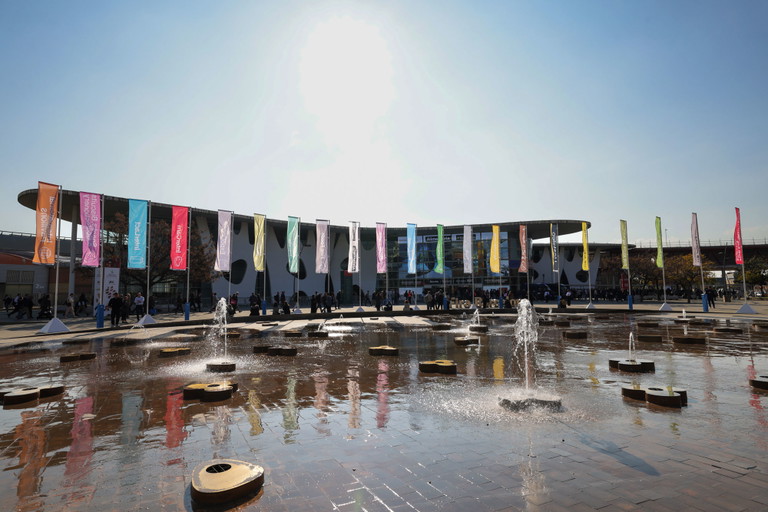
Alimentaria, the world's leading trade fairs for food and gastronomy in Spain, celebrated its 50th anniversary in 2026.
Over five decades, Alimentaria has not only accompanied the development of the food and gastronomy industry, but has also played a key role in shaping it. Today, it is a key date in the international calendar and acts as a trend barometer and gateway to new markets.
Analysts agree that three major factors are changing the food industry: Sustainability, innovation and adapting to new consumer habits. In this context, the most important trends revolve around healthier eating, the search for new culinary experiences, technological developments and environmental awareness—influenced by climatic, social, demographic and political factors.
Beyond graphs and statistics, everyday life shows a clear change: people are cooking less at home, and purchases fresh products are declining. In a society that values speed, ready-made products and convenience offerings are gaining in importance – either ready-to-eat or with minimal preparation effort. At the same time, health awareness is growing, which increases the demand for practical solutions that convey trust and signal quality.
In this environment, Alimentaria once again reflects the market. In addition to the familiar "free from" or "natural ingredients" promises, a new protagonist is coming to the fore this year: protein. This macronutrient has become a key trend, filling the shelves with fortified products that consumers associate with healthier eating – even if this is not always the case.
From cereals and shakes to ready-to-eat eggs, many brands have put protein at the heart of their communication. The most striking new products include boiled and peeled eggs, dried chicken chip and instant scrambled eggs made from powdered egg – with flavors such as spinach, chorizo, ham, masala or tandoori—which regain their texture when water and heat are added.
The trade fair also offered room for experimentation. The most unusual products include snacks made from brewer's grains, rich in fiber and protein, as well as the so-called "Broccoli 4.0", whose sulforaphane content has been increased up to 50-fold using modern drying processes.
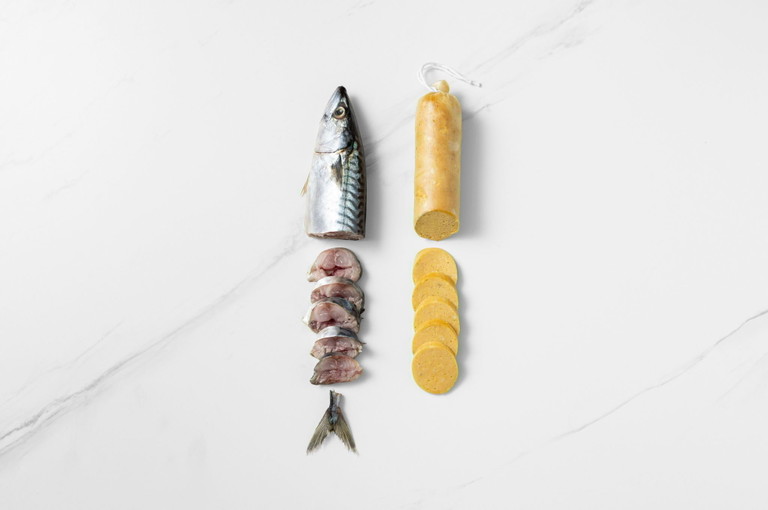
In this innovation segment, highlights included a fuet coated with edible 24-carat gold, fish sausages, snail caviar and a "sea bar" that combines mullet roe with nori seaweed. This is complemented by protein chips, flavored honeys, avocado potato chips, chocolate sweetened with dates and the so-called "shrimp color", an emulsion of red Mediterranean shrimp that serves as a sauce, dressing and decorative element.
Liquid coffee concentrates, spice mixes for hot air fryers and non-alcoholic cocktails made from mineral water, juices and botanical extracts stand out in the drinks and spices segment.
Ingredients such as oats, matcha or pistachio are gaining in importance in the dairy products segment, often combined with claims such as "no added sugar", "no additives" or "gluten-free". In the meat sector, several brands are focusing on reduced-fat products or avoiding additives.
There are also plenty of "sinful treats", such as frozen mini churros filled with cocoa cream or potato chips with a chocolate coating.
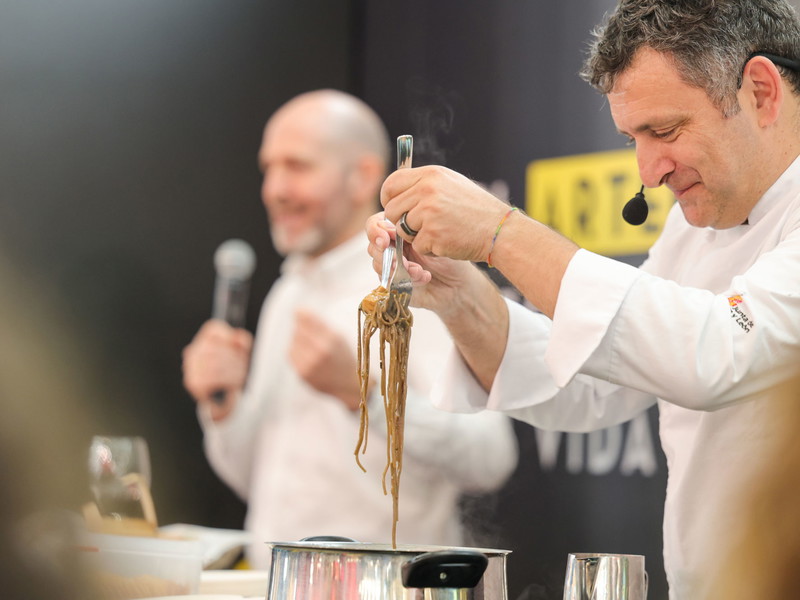
At a time when gastronomy is returning to regionality and traditional recipes, the Alimentaria is also picking up on this trend. Chef Nandu Jubany presented ready-made sofritos for preparing rice or noodle dishes that only require the addition of water. Together with Torrons Vicens, he also presented a nougat made from "Coca de Llardons" and black truffle.
Riccardo Radice, head chef at the "Fishology" restaurant in Barcelona, has developed more than 30 fish sausages from different parts of the fish – a concept that combines sustainability, the use of resources and a reinterpretation of the sausage tradition.
The interest in organic products is also reflected. The Organic Foods area covered 1,450 m² with over 200 brands and a separate pavilion for Spanish producers. The products on offer ranged from bread, cereals and chocolate to spreads and certified agricultural products.
"The progress in the organic sector is undeniable and Organic Foods has become a strategic driver of the fair," explained Anna Canal, Director of Alimentaria. Another new feature was the "Plaza Eco", an area for presentations, discussions and networking.
The organic market in Spain is growing steadily and has already reached a volume of over 3 billion euros. Around 70 percent of households buy at least one organic product every year.
In the catering sector, the focus will be on the digitalization of the on-trade, the challenges of organic catering and new innovation models in communal catering.
Digitalization is seen as a key tool for managing companies, optimizing processes, developing data-based strategies and increasing efficiency and profitability.
At the same time, it is clear that the use of organic products in the food service industry is still limited despite high production capacity. Challenges exist in particular in terms of price, logistics and knowledge.
Since its foundation in 1976, Alimentaria has developed in parallel with the industry. Today, in an environment in which the boundaries between sales channels are becoming increasingly blurred, the trade fair sees itself as a central meeting point along the entire value chain.
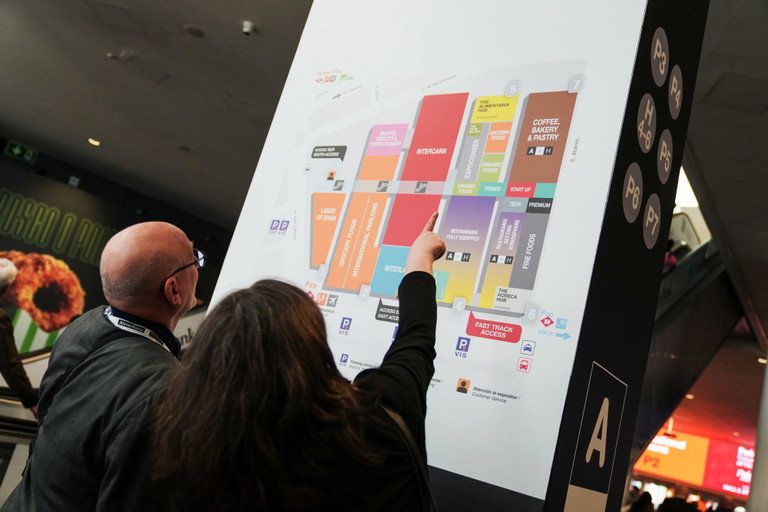
With 100,000 square meters of exhibition space in seven halls, the edition from 23 to 26 March in Barcelona was the largest in recent years. More than 3,300 companies from 70 countries took part. Austria was represented for the first time with a joint participation, and Falstaff was also present on site.
After 50 years, Alimentaria has established itself as an indispensable platform for understanding the development of the global food industry – a meeting place where business, innovation and knowledge come together.