Corti's kitchen note: Lisbon's poetic clams
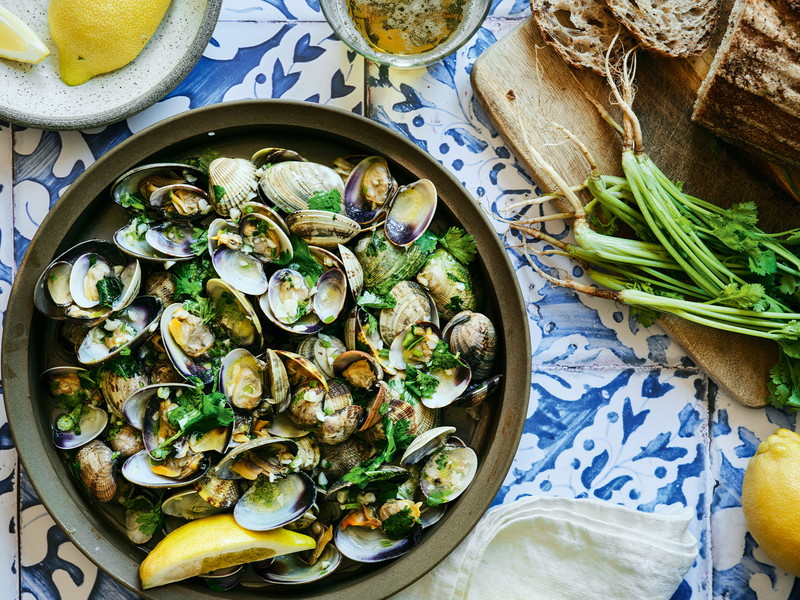
In Lisbon, the incomparably meaty clams from the Tagus estuary are preferably enjoyed in the style of the poet Bulhão Pato. This is not only very simple, but actually worth trying as soon as possible!
The Portuguese have it good. The coasts between the Algarve in the south and the famously picturesque estuary of the border river Minho in the north are home to an abundance of first-class seafood that you have to search very hard for in the rest of the world, and cannot be found anywhere else in Europe.
Treasures of the Atlantic
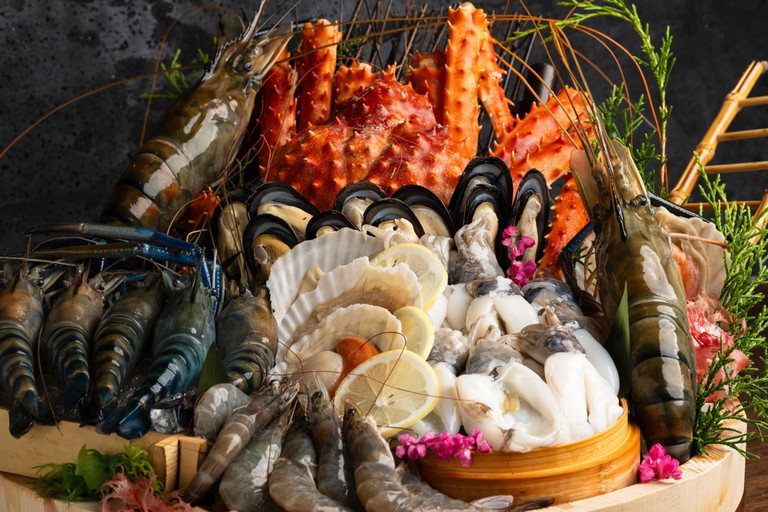
The splendid red and pink wild prawns in all imaginable sizes that are pulled out of the spray of the Atlantic, the large lobsters that can be found in the markets, the barnacles (actually: barnacles) that are broken out of the rocks above the surf by daring collectors and the massive scallops (vieiras) that are drawn from the depths.
The cold water and the generally outstanding water quality ensure a firm bite and clearly defined taste that can only be found in this variety and splendour here (and, to some extent, in Spanish Galicia, a little further north). And that's not to mention the mussels and molluscs, the incredible variety of fish, the delicacy of the squid and the splendour of the octopods.
The rise of amêijoas as a national delicac
In and around Lisbon, the Tagus, with its estuary into the Atlantic, the inverted delta, the strong tides and the endless sandbanks, offers almost paradisiacal conditions for an abundance of clams and other molluscs. In the estuary, which is characterised by strong tides, vast quantities of the most magnificent mussels have been collected since time immemorial. For centuries, they were the livelihood of the city's poor.
Today, this has changed and the particularly meaty, tender amêijoas of the Tagus estuary, as the clams are called in Portuguese, have long been a sought-after speciality. As Amêijoas à Bulhão Pato, in the style of the poet of the same name, they are even considered a national dish.
Legend has it that at the end of the 19th century, Bulhão Pato, who was fond of good food and spirited drinks as well as fine words, had the idea of seasoning the mussels with coriander from the Portuguese colonies instead of parsley – and using lemon juice instead of white wine as a fruity and sour counterpoint. It tastes strikingly different – and good!
The art of simple cuisine
These days, this might be read as cultural appropriation. But this probably applies to the entire history of good food. In any case, it is fascinating to see how essentially the nature of the dish has evolved through such seemingly small changes.
The freshness of the lemon and the aromatic power of the coriander combine in an almost magical way with the sweet, iodiney tenderness of the mussel and the fried garlic clove adds caramelised umami notes. The result is one of the great, definitive and very easy-to-make dishes of seafood cuisine, which, strangely enough, is hardly known here. Of course, this also has its good side; even the most demanding dinner guests can be impressed by such a very simple course.
RECIPE: AMÊIJOAS À BULHÃO PATO – VENUS CLAMS À BULHÃO PATO
Don't miss out!
Sign up now for our newsletter.