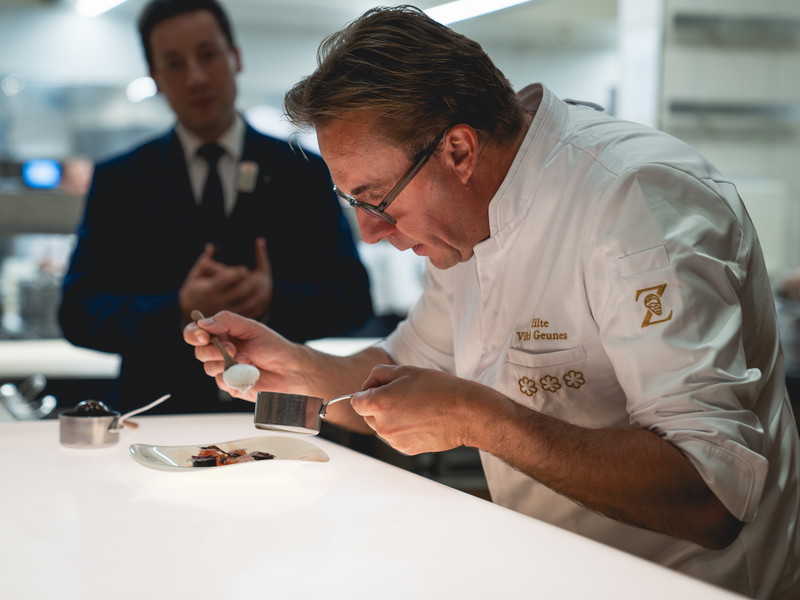
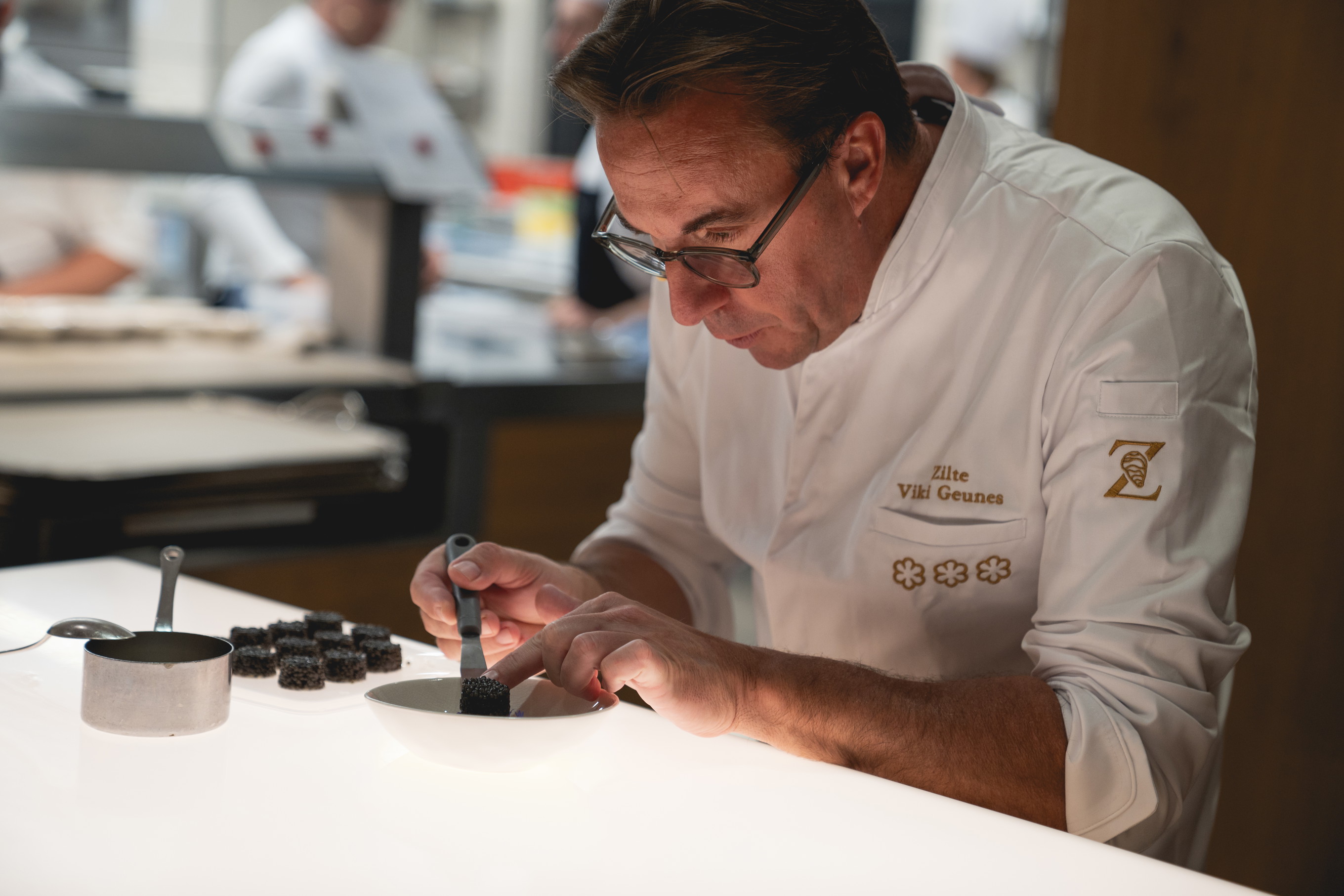
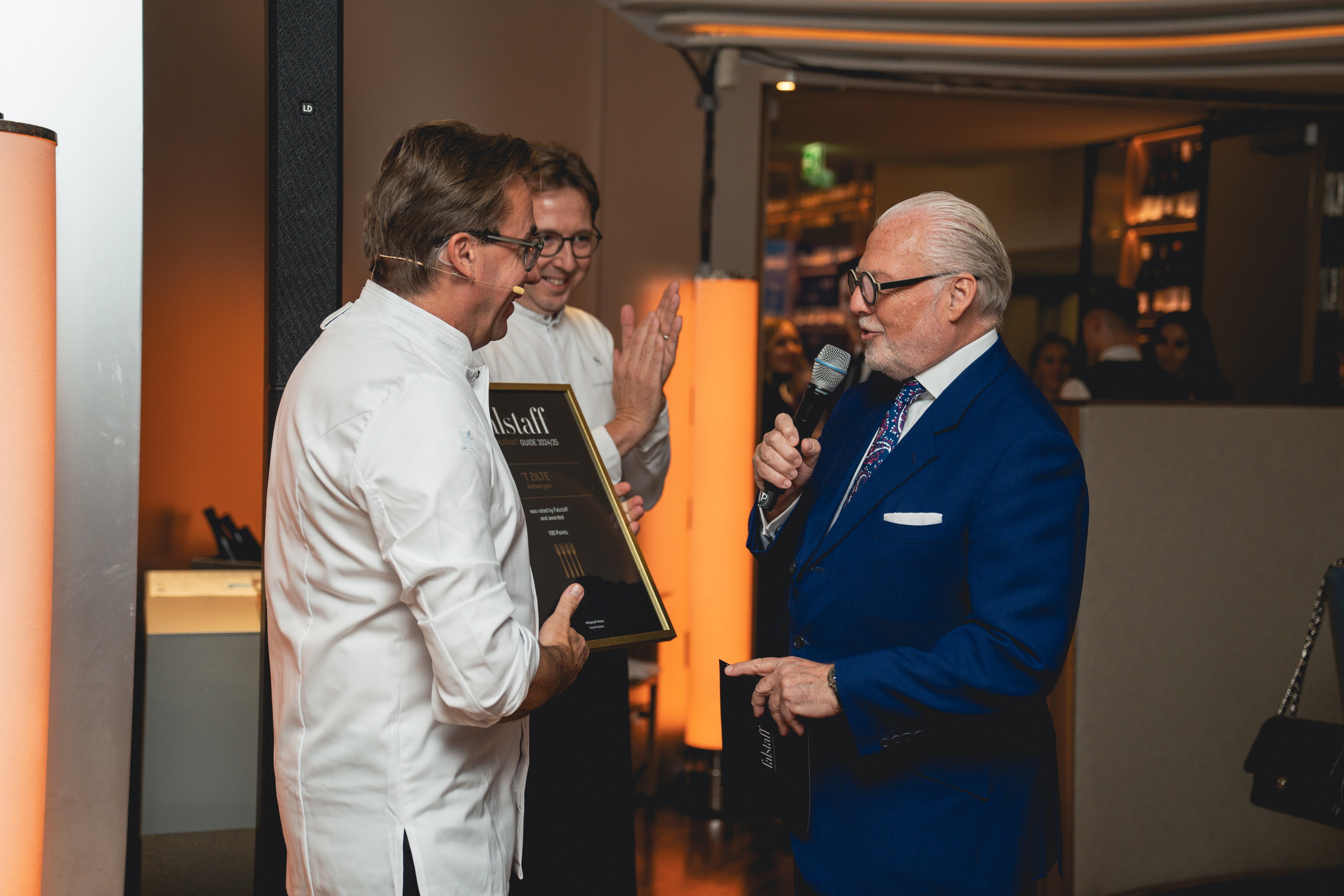
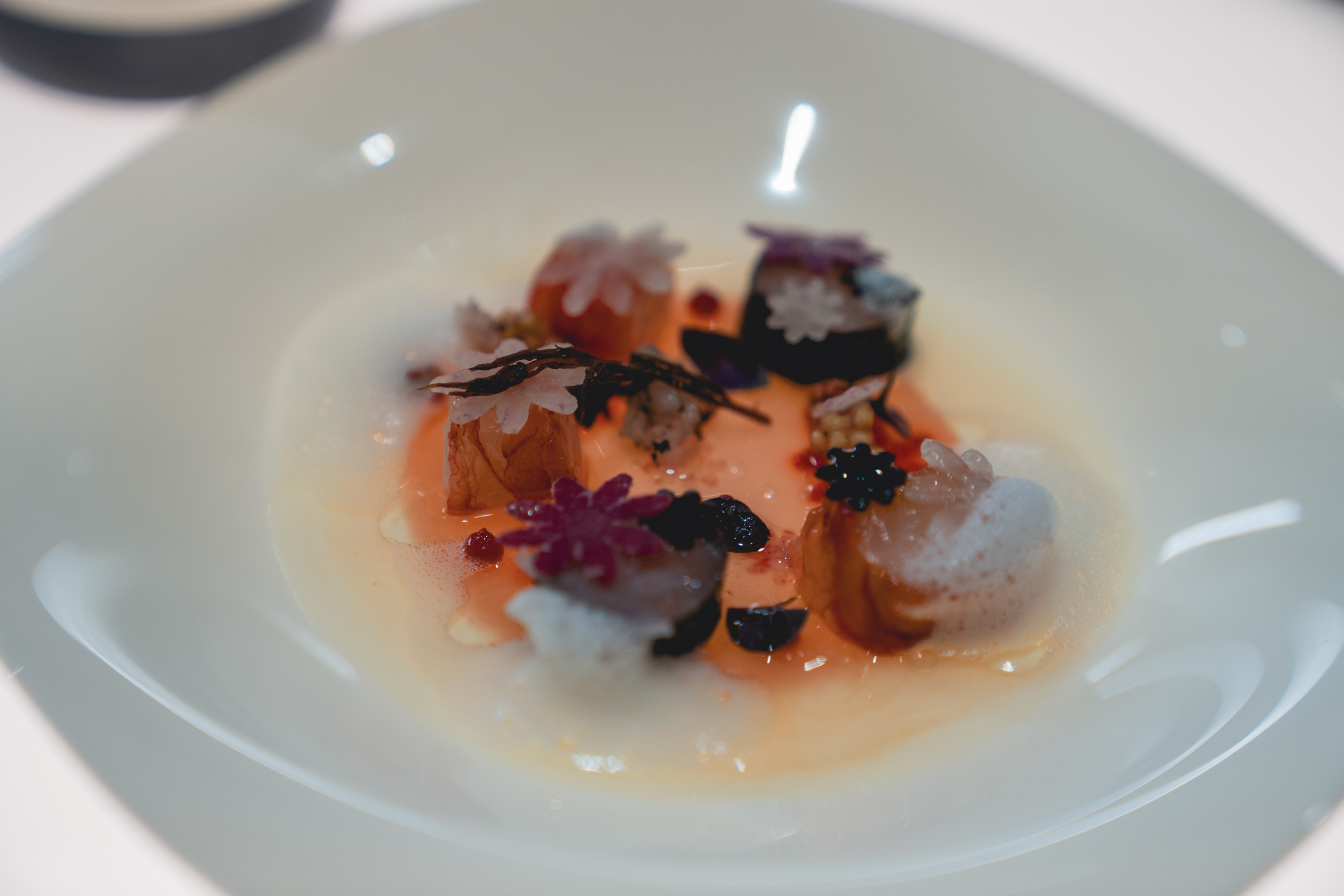
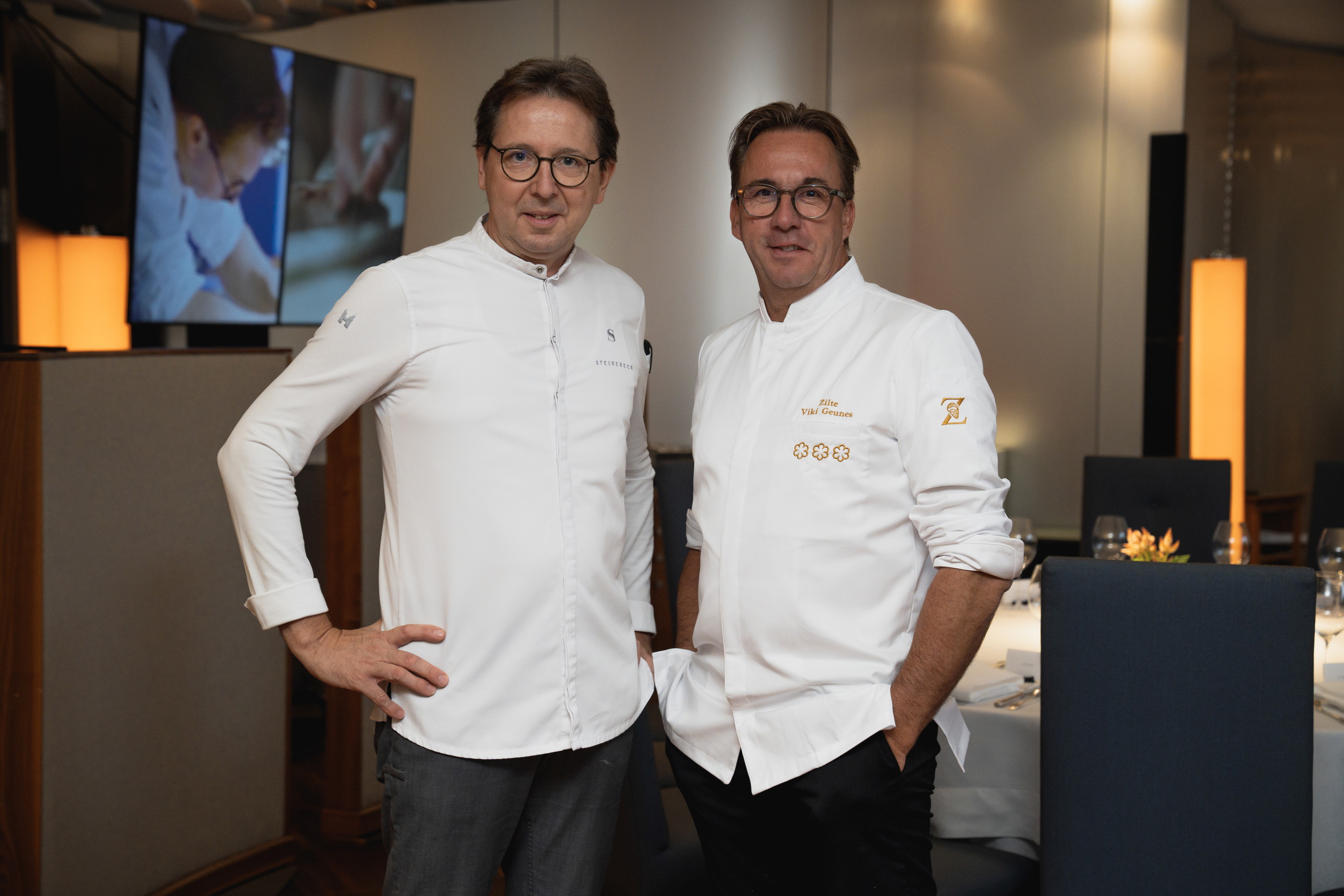
A self-taught chef who has set new standards in high-end gastronomy, Viki Geunes is a vanguard of Belgian Michelin-starred cuisine, pushing the boundaries of culinary sophistication at his Restaurant Zilte in Antwerp. His path to success was an unusual one: Geunes studied engineering before following his passion for cooking. Without any formal training, he taught himself, applying his analytical skills to the creation of dishes. In 1996, he opened Restaurant Zilte in Mol with his wife Viviane Plaquet, receiving his first Michelin star in 2004, and a second one in 2008. In 2011, Geunes moved to Antwerp's Museum aan de Stroom, where he continues to promote his philosophy – a puristic application use of high-quality ingredients. In 2019, he finally received his third Michelin star, cementing his status as an exceptional chef.
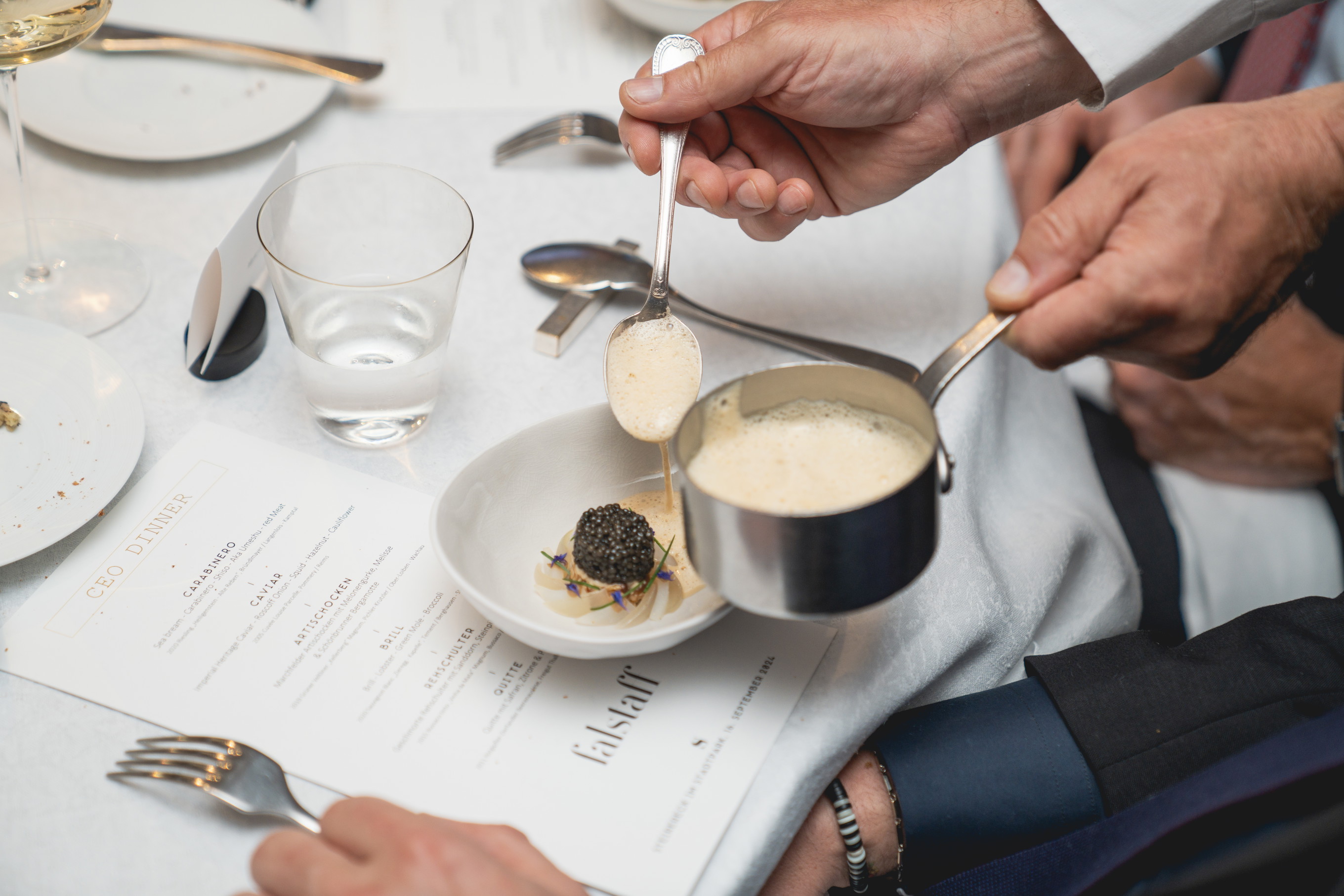
Falstaff interviewed Viki Geunes at Vienna's during our Charity Dinner. Donations were collected for the Oberwasser fish farm, which was badly affected by the floods last September.
A Culinary vision
For Geunes, cooking is first and foremost mental work, before he and his kitchen team begin working on the precise implementation of his vision. While he always strives for perfection, Geunes also sees himself as a host who is fully committed to the well-being of his guests. "Cooking comes from the heart and the stomach" is his motto.
Falstaff: Mr. Geunes, you started out as an engineering student before embarking on a career as a chef. What triggered this radical change?
Viki Geunes: I've always loved being together at the table. It was a special moment for me during the week, especially on Sundays with the family. It's not just about cooking, but about creating these moments – a pleasant atmosphere, good food, fine wine. I wanted to be a creator, and as an engineer it was all about math for me. In the kitchen, on the other hand, you start from scratch and see the creation process. That's what attracted me. I strive for perfection – not 90 percent, but 100, maybe even 200 percent. Becoming a good chef means not only creating food, but also leading a team well. Cooking comes from the heart and the stomach. That's why the decision to become a chef was clear to me.
You are self-taught. What challenges have you had to overcome to get to where you are today?
"Never give up"; that is my philosophy. The biggest challenge was to discover techniques without prior knowledge. I analyzed everything myself and thought about how I could achieve the desired result. That was the most difficult part. It was about finding the right way – not just once, but for every dish you prepare. An amateur chef might have three days to prepare a menu, but we do it twice a day. You also have to run a business. Finding this balance between cooking as an art form and the business aspect was one of the biggest obstacles.
You value order and structure. How do you implement these principles in your kitchen?
It's about training the team to do what I want them to do. You need to understand the DNA of the restaurant. Once they have internalized this, the work becomes easier. For me, it's important that everything is in balance – from the kitchen to the service. It's also a psychological task: you have to use both your mind and your heart to lead the team and inspire your guests.