

Brunost: Norway's caramel cheese
The dramatic landscapes of Norway have been used for dairy production for millennia. Made from...
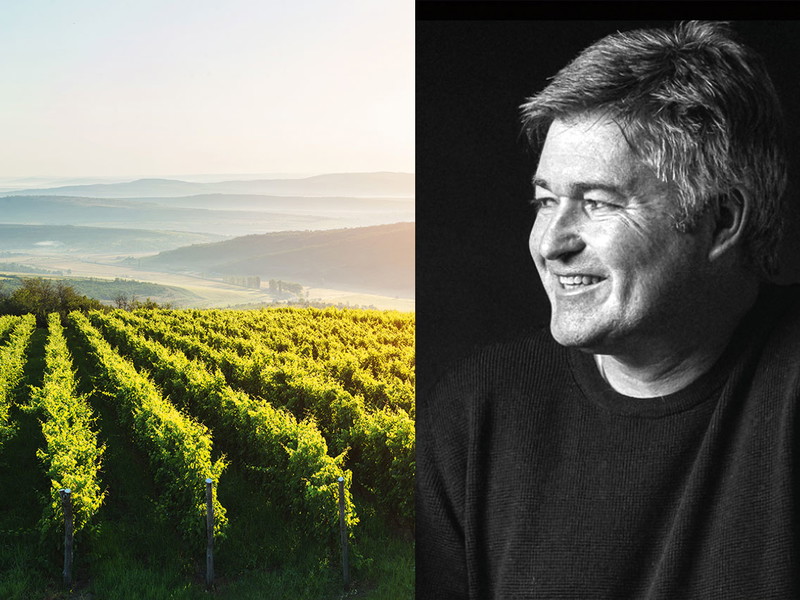
Founded in 1789, this Rheinhessen family estate has long been celebrated for its full-bodied Rieslings. Under the leadership of Klaus Peter Keller and his wife Julia, the winery has achieved cult status – commanding four-digit prices for its famed G-Max. In recent years, the family has expanded to the Moselle and supported projects in Norway and on Sylt.
Falstaff: How does a top German winemaker come to plant a vineyard in Norway?
Klaus Peter Keller: In 2008, we had an exceptionally dedicated intern from Norway. To make her farewell a little sweeter, we promised to plant a vineyard together in her homeland. Her family owned a perfectly south-facing plot on granite soil – ideal conditions for vines.
Why Riesling, and not one of the easier-to-grow, fungus-resistant, early-ripening varieties?
Because we always strive for the very best. Riesling reflects climate and soil in a way that no fungus-resistant variety can – at least not yet. In addition, Professor Hans Reiner Schultz of Geisenheim, who is researching the effects of climate change on viticulture and supports our project, predicts that from 2050 onwards it will be possible to regularly harvest Riesling grapes there. The idea of owning the oldest Riesling vineyard in Norway fascinated us. As winegrowers, we think in generations.
There is already a first Riesling Kabinett from Norway under your name...
So far, we’ve managed to harvest ripe grapes only twice in 15 years. In 2015, they reached Kabinett level for the first time – only for seagulls to eat the entire crop four days before harvest. After that, we borrowed nets from a fisherman in Kristiansand harbor to protect the vines from birds. But most years, the grapes are not fully ripe, so we make verjus for a nearby restaurant. 2018, however, was different. When our former intern Anne told us the grapes had reached 80° Oechsle, we jumped in our bus with glass balloons, buckets, and a small basket press to bring in the harvest.
Do you think we’ll soon be discussing Nordic Wine in the same way we talk about Nordic Cuisine?
The potential is certainly there. The 2018 Kabinett, for instance, shows a crisp acidity and apple-like fruit – just like German Rieslings tasted 50 years ago!
READ MORE ABOUT WEINGUT KELLER