Skip to content
Shutterstock

Lupin: The Most Underrated Superfood of 2026

Superfood
Healthy Eating
Sustainability

A fresh award by the foundation Biovision crowns lupins as the inaugural winners. This under-the-radar legume shines as an all-rounder—packing more protein than its kin, reviving worn-out soils, and nourishing bees through midsummer.

The foundation Biovision has announced its first "Superfood of the Year:" the lupin, a legume little known today. By means of this new award, the foundation seeks to highlight foods poised to transform future nutrition and agriculture.

A Perfect Plant?

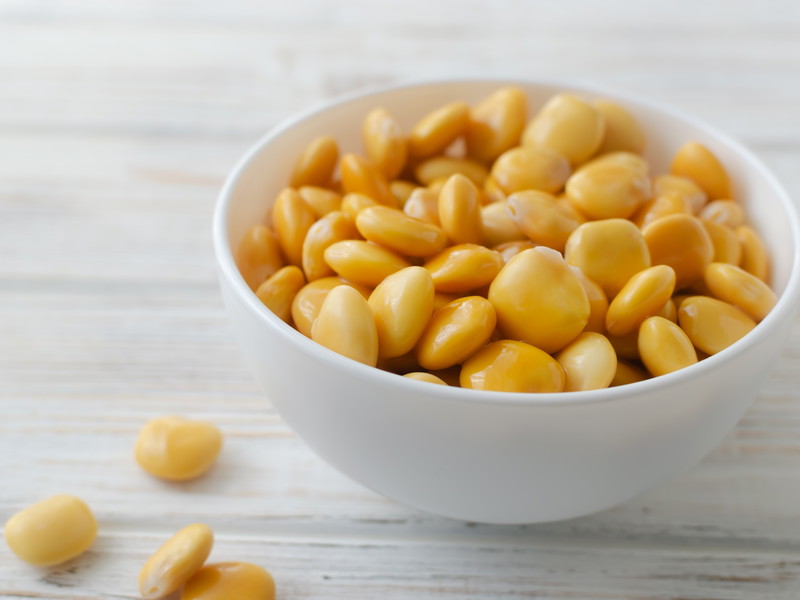
The lupin stands out as a true all-rounder. Few legumes match its lofty protein levels. Clocking in at around 40 percent—with all nine essential amino acids—it rivals soy and meat as a potent protein source. With 5 to 10 percent oil content rich in healthy unsaturated fats, ample fiber, and minimal carbs. Its nutty flavor is accentuated in vibrant salads, constitutes a smart snack, and is suitable for plant-based bowls, stir-fries, or oven-baked dishe

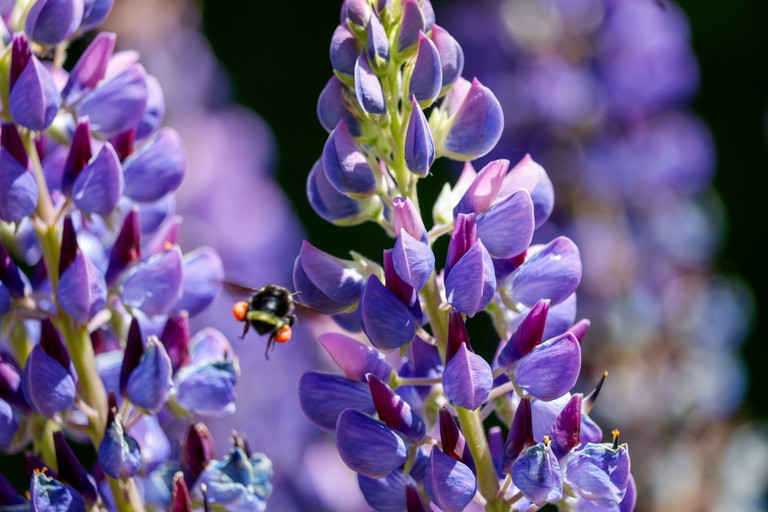
But lupins' strengths extend far beyond the plate. Their blue and white flowers bloom in summer, when forage for pollinators like bees runs scarce. This delivers vital nectar for wild bees and bumblebees, boosting biodiversity. Underground, deep taproots break up compacted soils, enhance water retention in downpours, and sustain crops through dry spells. In tandem with rhizobacteria, they fix nitrogen from the air—enriching soil naturally and curbing reliance on synthetic fertilizers.

Newly Rediscovered

North of the Alps, lupins thrived in the 1920s. Soybean imports and 1980s anthracnose outbreaks nearly erased them from fields. Dedicated breeders and resistant varieties now fuel a steady comeback.

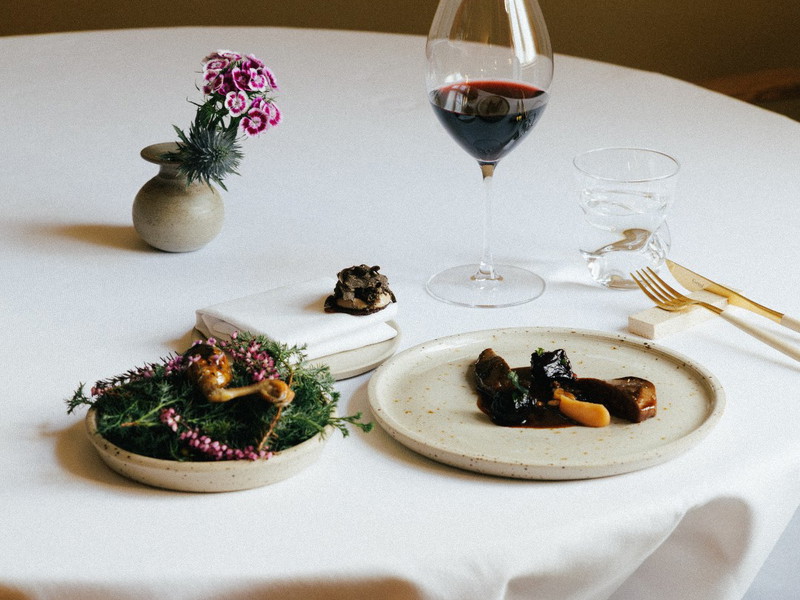
Take Miriam Kamp at Peter Kunz grain breeding. She's spent years reviving the crop and spots huge promise, especially in gastronomy. "Home cooks lack time to soak and boil lupins. Restaurants and canteens can prep them right—unlocking more plant protein on plates," she tells the foundation.

Support lupin's renaissance: order a free poster from the Biovision Foundation and champion sustainable eating.

.

Im heissen Sommer dienen die Blüten der Lupinen Wildbienen als Nahrung.
© Shutterstock
Im heissen Sommer dienen die Blüten der Lupinen Wildbienen als Nahrung.

But that's not all. Lupins' blue and white flowers bloom in summer, when the food supply for pollinators such as bees is often scarcer than expected. This provides wild bees and bumblebees with a valuable source of food and thus promotes biodiversity. It also demonstrates its capabilities underground. With its deep-growing taproots, it loosens heavy soils, improves water absorption during heavy rainfall and thus ensures that plants can survive even in dry periods. In symbiosis with rhizobacteria, it binds nitrogen from the air and thus enriches the soil in a natural way. This promotes soil health and reduces the need for environmentally harmful artificial fertilizers.

Newly discovered

In the 1920s, lupins were still widespread north of the Alps. However, with the increasing import of soybeans and the outbreak of the fungal disease anthracnose in the 1980s, it almost completely disappeared from the fields. Only in recent years has it experienced a sustainable comeback thanks to dedicated breeders and resistant varieties.

One example of this is Miriam Kamp, a breeder at the public-benefit-oriented organization gzpk. She has been working for years to rediscover the plant and sees great potential, particularly in the gastronomy sector. "Many people don't have time to soak and cook lupins themselves. In restaurants and canteens, on the other hand, the preparation could be done professionally. That would be a real opportunity to get more plant-based protein on the plate," she tells the foundation.

Anyone wishing to support the rediscovery of the lupin can order a free lupin poster by Biosivion and thus send a visible signal for sustainable nutrition.


The Editors
Find out more
1 / 12