Skip to content
© Gina Müller / carolineseidler.com

Which color Asparagus? The many health benefits of the seasonal superfood

Asparagus
Gourmet

Asparagus is not just a delicacy – it's also rich in potassium, which helps lower blood pressure. But should you pick green, white or purple?

Whether white, green or purple: Asparagus is in season from mid-April to June 24 – St. John the Baptist's Day, the traditional end of the harvest. Or, to quote an old farmer's proverb: "Don't forget to eat asparagus for seven weeks until St. John's Day."

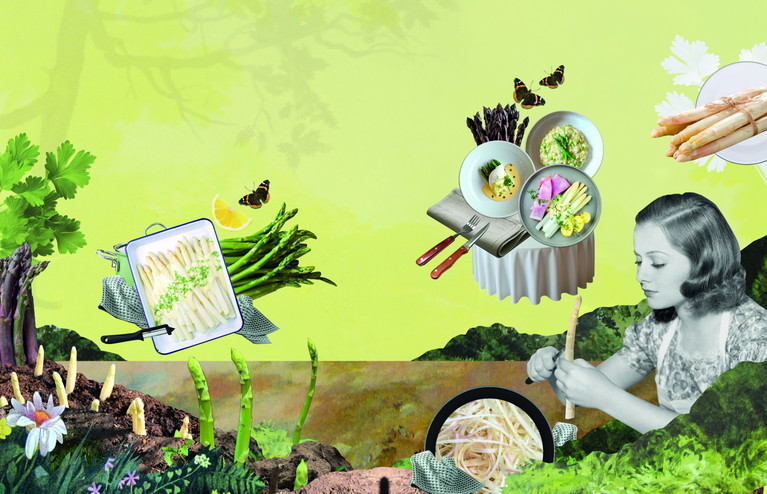
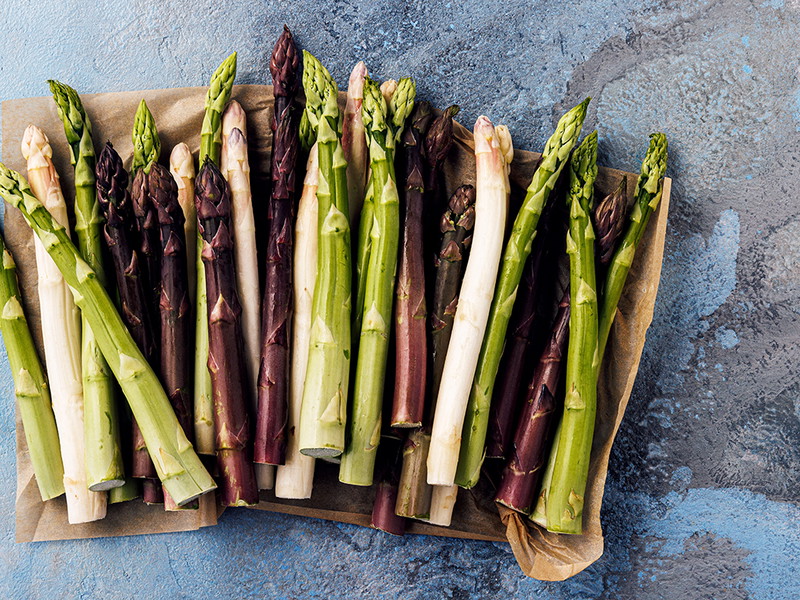
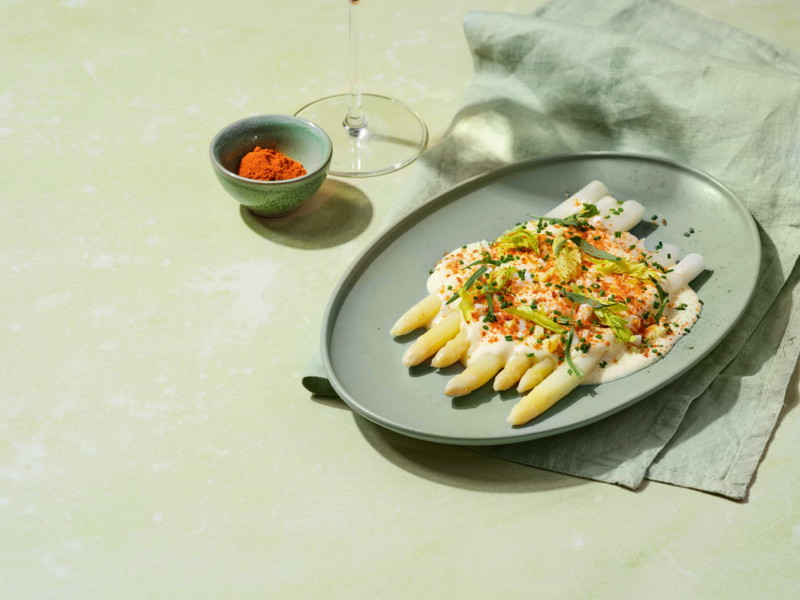
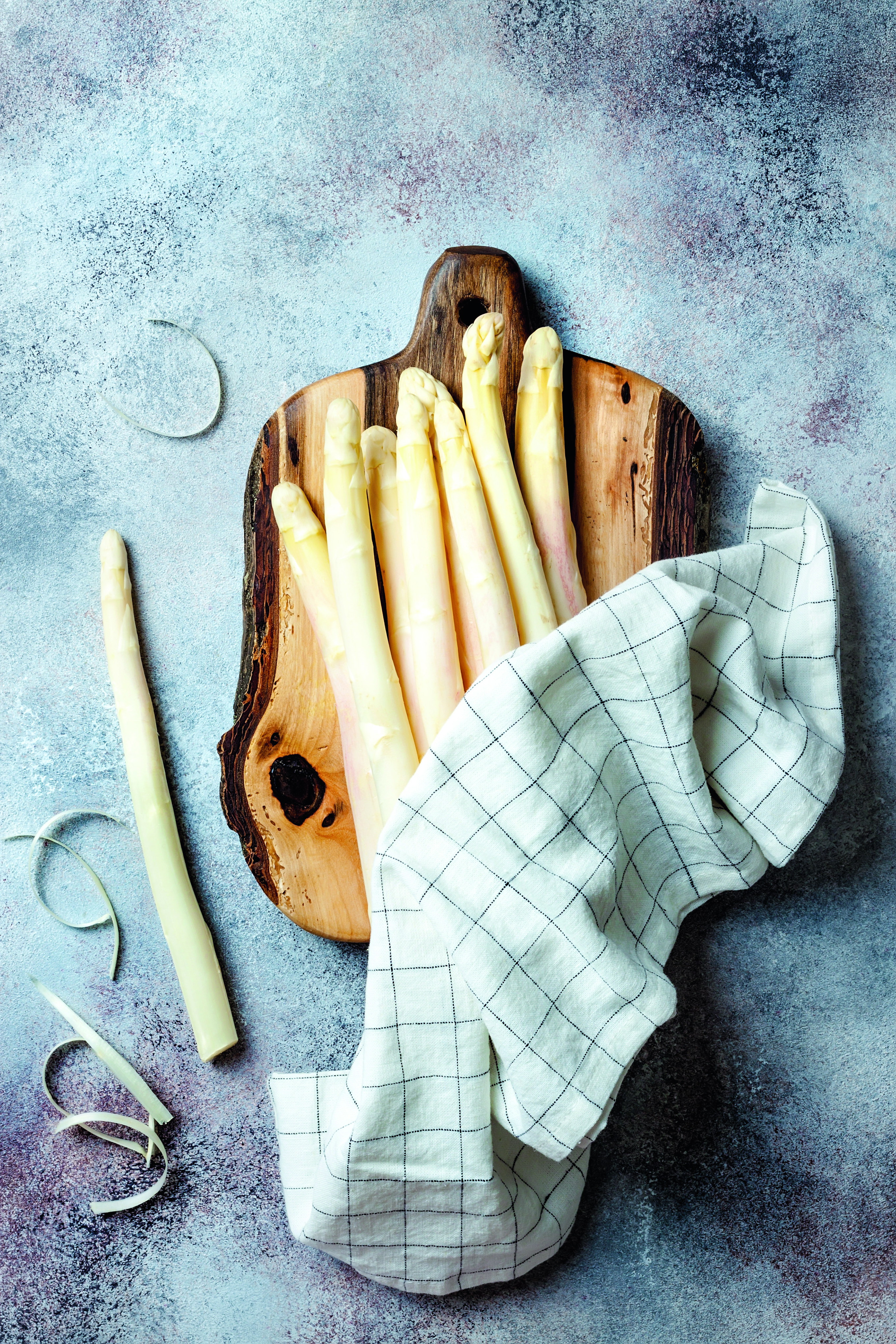
So why is it over? Asparagus is a perennial plant that needs sufficient time to regenerate after harvest. Asparagus has an underground rootstock and above-ground shoots that sprout in spring. Its color depends on how it is grown: White asparagus is covered with soil as it grows  – as it does not receive any sunlight, it cannot produce chlorophyll and remains white.

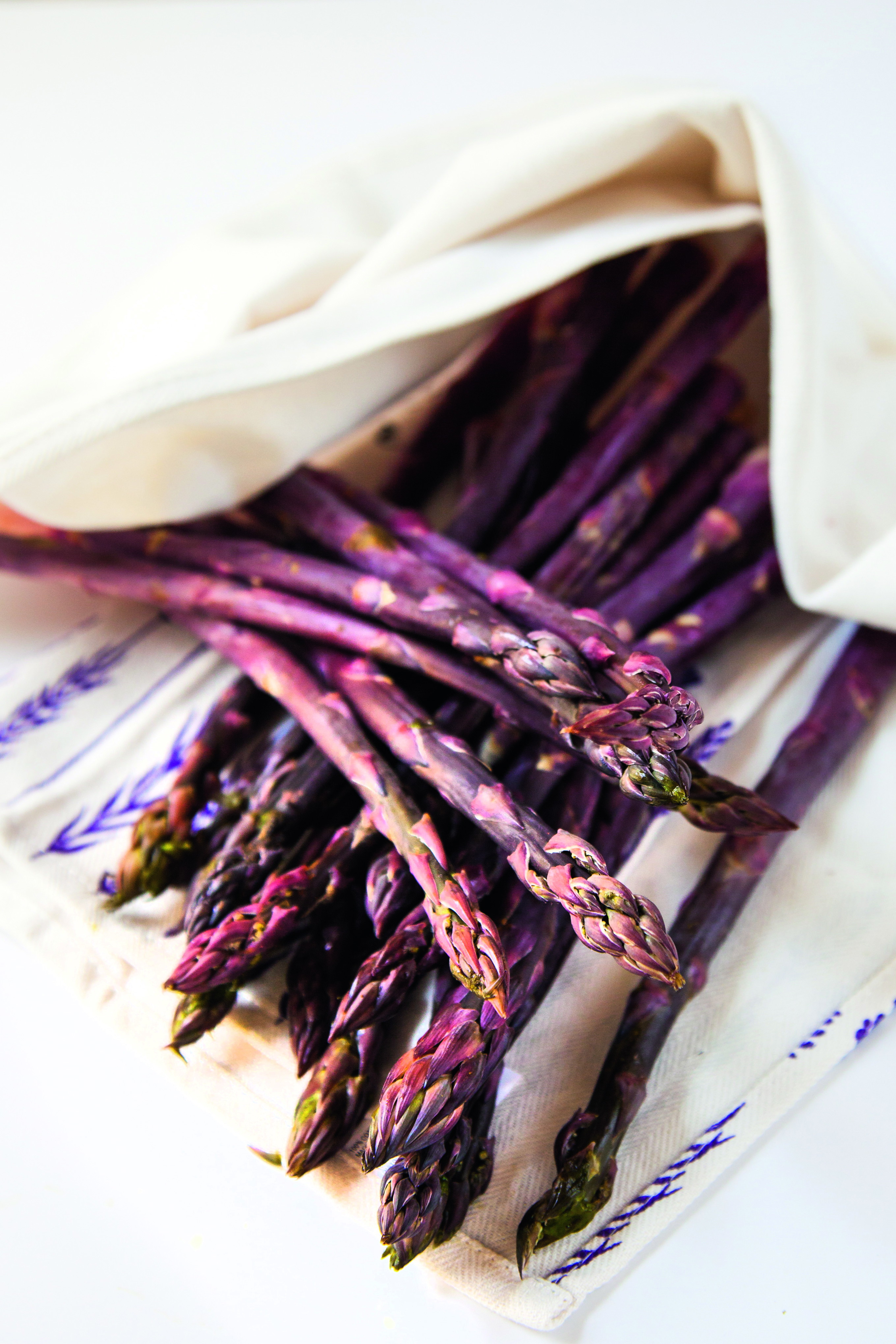
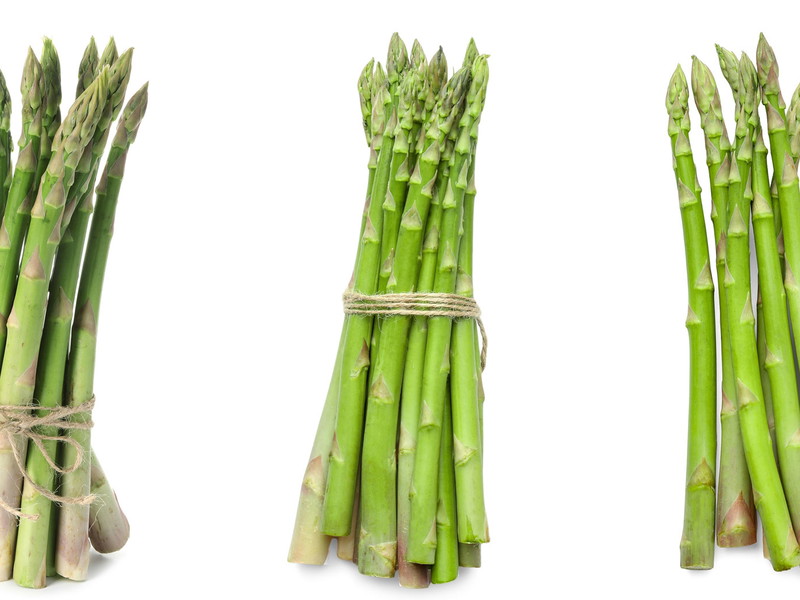
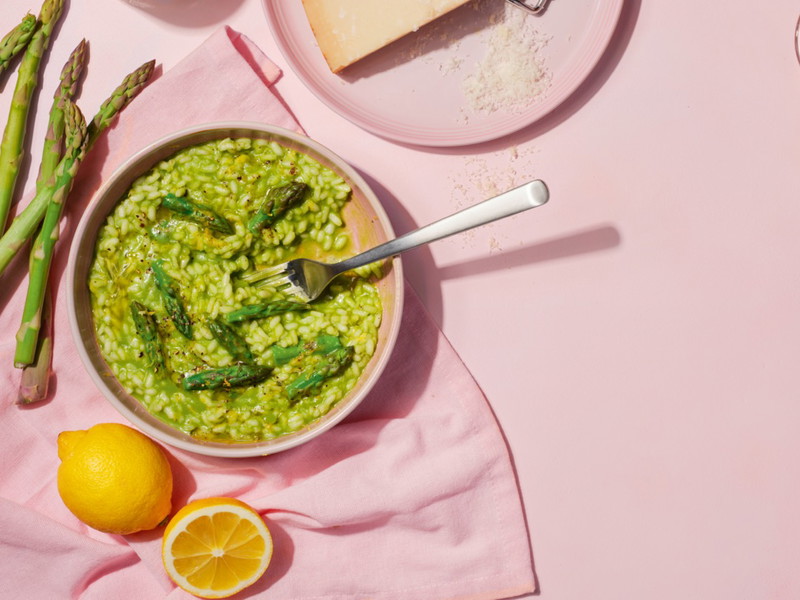
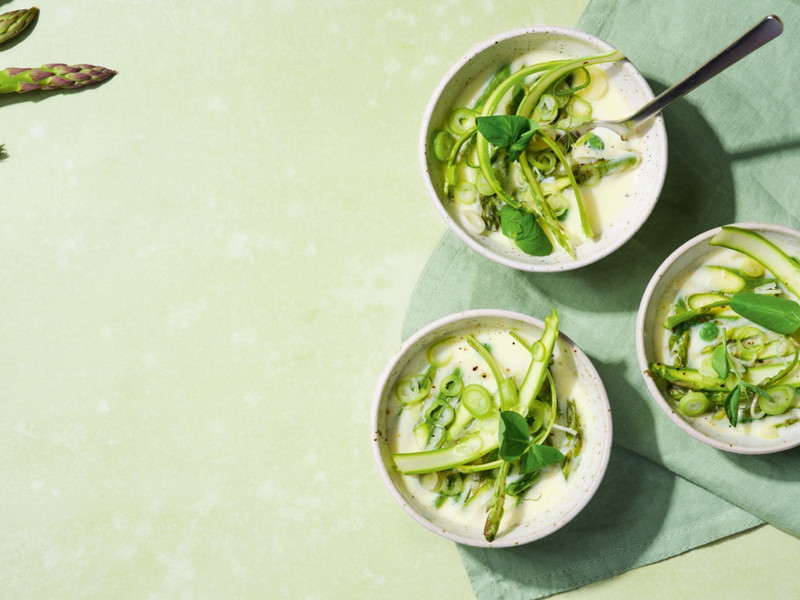
Green asparagus, on the other hand, grows above ground and is only harvested when it is 20 to 30 centimeters high. Due to the sun's influence, it forms chlorophyll and tastes very zesty and nutty compared to white asparagus. Purple asparagus, on the other hand, is a separate variety that also gets its color from sunlight and the pigment anthocyanin.

The purple variant used to be considered overripe and inferior, but today it is considered a delicacy: It has an intense, nutty and slightly bitter-sweet taste. Purple asparagus has been around for around 200 years and is particularly prevalent especially in the Italian region of Liguria, where it was cultivated as a variant of green asparagus. Incidentally, green asparagus dominates the global market, with China, Peru and Mexico being the main exporters.

"One pound per serving"

As asparagus cultivation is labor-intensive and its harvest is difficult, the seasonal vegetable has a relatively high price. In addition, growing asparagus requires a lot of water – comparable per kilo to avocados. Production can also be an energy sink – especially with early asparagus, as foil tunnels or soil heaters are often used. This increases power consumption and CO2 emissions. From an ecological point of view, you should make sure you buy seasonal produce and waste as little as possible. This is easy with asparagus, as almost all of it can be used.

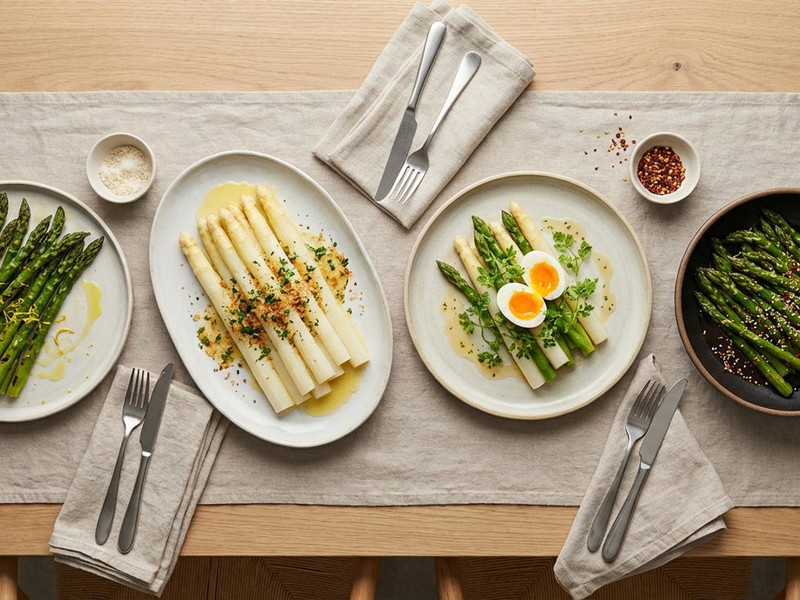
The leftovers from peeling, for example, make a tasty stock for asparagus soups of all kinds. It is also helpful to estimate portion sizes well. There is an old rule of thumb: "a pound per mouth". While slightly inaccurate, it definitely applies to white asparagus as a main course. For green asparagus, a single serving is around 375 grams. The difference is thanks to the fact that green asparagus does not need to be peeled. For side dishes, the recommended portion of white asparagus is 250 grams per serving, and around 180 grams for green asparagus.

© Gina Müller / carolineseidler.com

Asparagus consists of over 90 percent water and therefore only has around 17 kcal/100 g. However, the vegetable contains numerous minerals and vitamins, including calcium, vitamin C and B vitamins. In particular, it's a great source of potassium, which is important for muscle and heart function and regulates blood pressure it also plays a role wherever sodium and chloride (salt) are relevant – but counteracts both.

Delicate spears

We now know that obesity, lack of exercise and stress are the main factors that drive up blood pressure, alongside a diet with too much sodium. Conversely, a low-sodium diet can reduce blood pressure, as can a diet rich in potassium. If you want to combat high blood pressure, eating plenty of fruit and vegetables is ideal – and with 270 milligrams of potassium per 100 grams, asparagus offers a great health boost.

But asparagus is very sensitive: After harvesting, it loses freshness, aroma, tenderness and taste by the hour. Therefore, it's best to enjoy asparagus on the same day it was harvested. If storage is unavoidable, you can keep it wrapped in a damp cloth in the fridge for three to four days. Peeled asparagus can be stored in aluminum foil or freezer bags in your icebox for up to six months. The best way to defrost frozen asparagus is to place them directly in boiling, salted water.

To get the most out of your spears, keep your eyes open when buying: The freshness of asparagus can be recognized where it was cut, which should be smooth, light and juicy. If white asparagus is pink in color and the spears are fibrous at the bottom, it was cooled too late and insufficiently. Fresh asparagus squeaks when rubbed together and is extremely fragile.


Marlies Gruber
Author
Find out more
1 / 12