Hot or Cold?
Lithuanian smokehouses generally produce fish using two classic techniques.
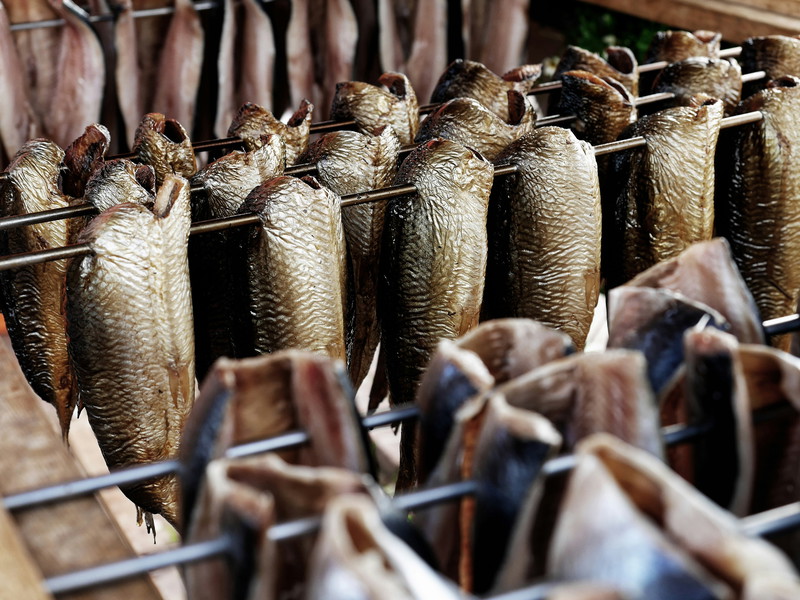
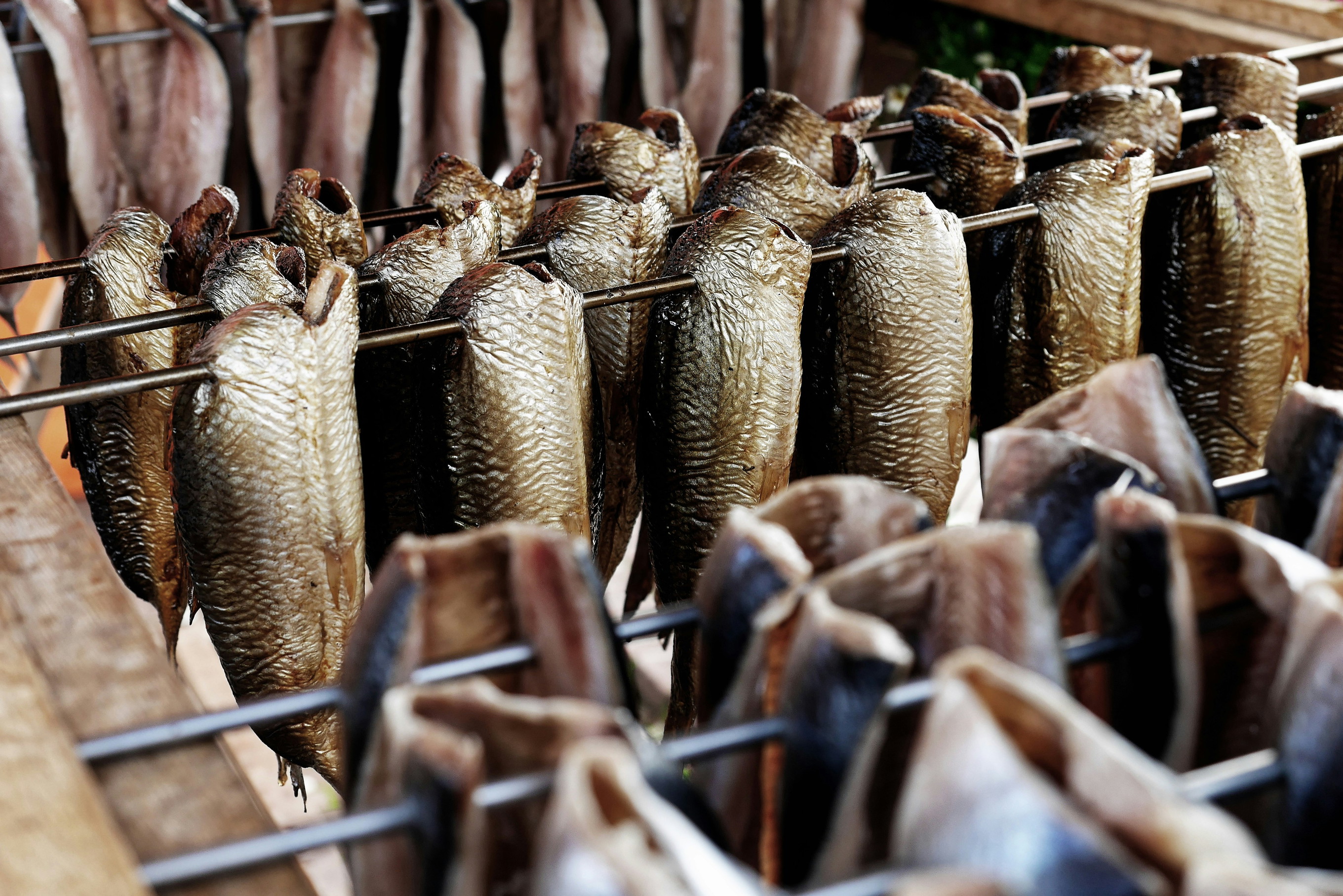
Hot smoking cooks the fish at higher temperatures, creating a tender texture and rich smoky flavour. The result is ready to eat immediately, making it the most popular choice for travellers buying lunch along the coast.
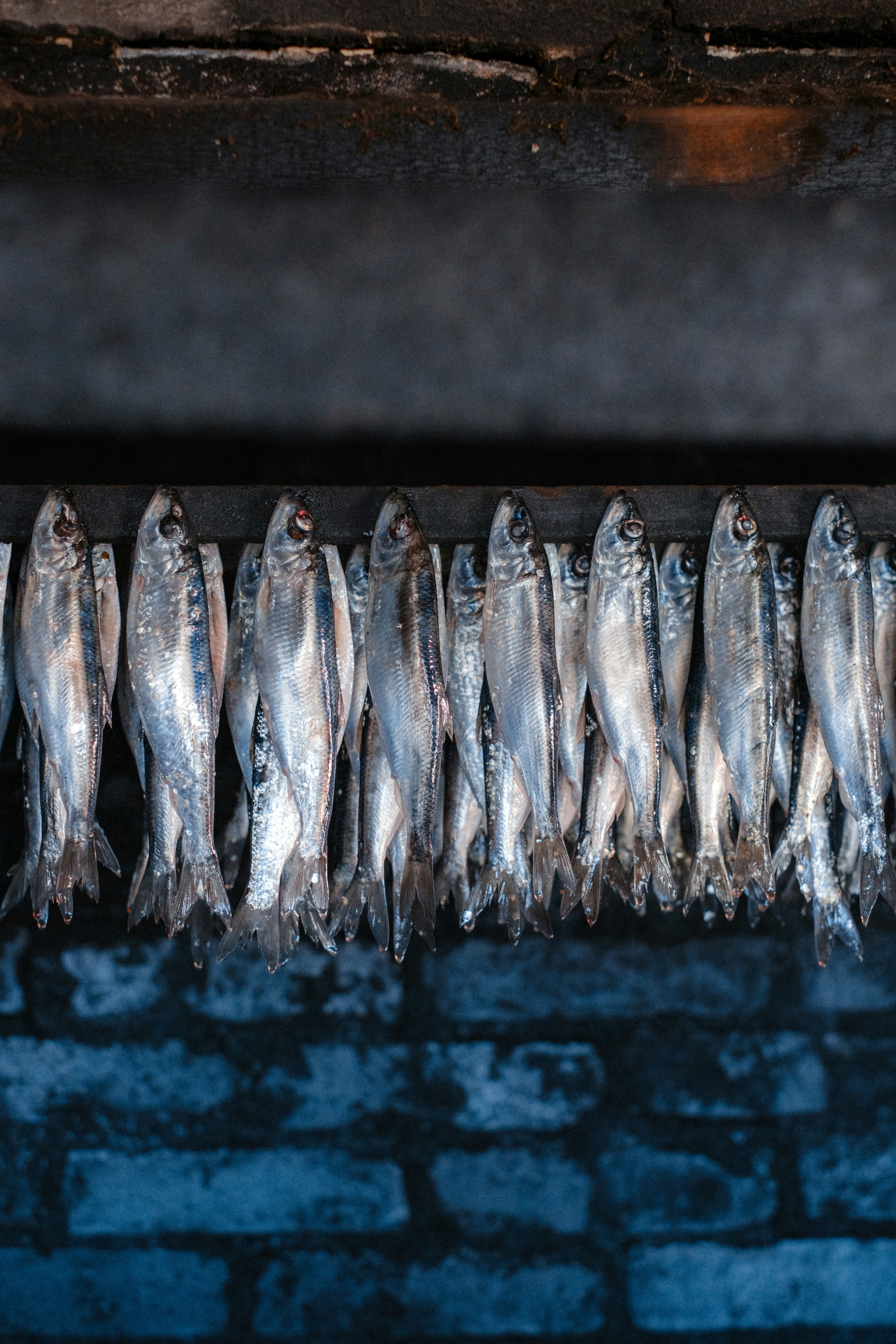
Cold smoking takes considerably longer and uses much lower temperatures. Rather than cooking the fish completely, the process slowly dries and preserves it while developing deeper, more concentrated flavours. Cold-smoked fish often has a firmer texture and can be stored much longer.
Both methods remain widely practiced, with local producers offering different varieties depending on the species and season.
From Lagoon to Smokehouse
The variety of fish available changes throughout the year, but certain species have become synonymous with Lithuania's smoking tradition.
Along the Baltic coast and Curonian Lagoon, flounder, cod and eel are among the most sought-after catches. Inland waters contribute bream, perch, roach, tench and pike, while oily fish such as mackerel have also become enduring favourites because they absorb smoke particularly well.
Many smokehouses also experiment with different preparations. Some smoke whole fish, while others prepare fillets or butterfly cuts. Garlic, pepper and carefully selected herbs occasionally add another layer of flavour, although the best producers rarely overpower the natural taste of the fish itself.
Simplicity Is Part of the Pleasure
Perhaps the greatest beauty of Lithuanian smoked fish lies in how it is enjoyed.
There is little need for elaborate presentation. A piece of still-warm fish, thick slices of dark rye bread, fresh butter, onions and perhaps a glass of locally brewed beer or refreshing kvass are often all that is required.
This uncomplicated way of eating reflects Lithuania's broader culinary philosophy, where quality ingredients are allowed to speak for themselves. Freshness matters more than complexity.
Smoked fish also appears in pâtés, salads and sandwiches, but many locals insist that nothing surpasses eating it straight from the paper wrapping while sitting by the sea.
More Than Flavour
Besides its culinary appeal, fish remains one of the healthiest foods in the Baltic diet.
Fatty fish naturally provide valuable omega-3 fatty acids, known for supporting cardiovascular health and brain function. They also contain vitamins D and B, selenium, calcium and iron, making them an important part of a balanced diet.
Smoking does reduce some nutritional value compared with fresh fish, and because smoked fish is often relatively salty, it is generally enjoyed as an occasional delicacy rather than an everyday meal. Nevertheless, compared with many heavily processed foods, traditionally smoked fish remains a remarkably natural product, prepared with little more than salt, wood smoke and time.
A Taste That Defines Summer
For many travellers, Lithuania's smoked fish is not simply another regional speciality but one of the country's defining food experiences.
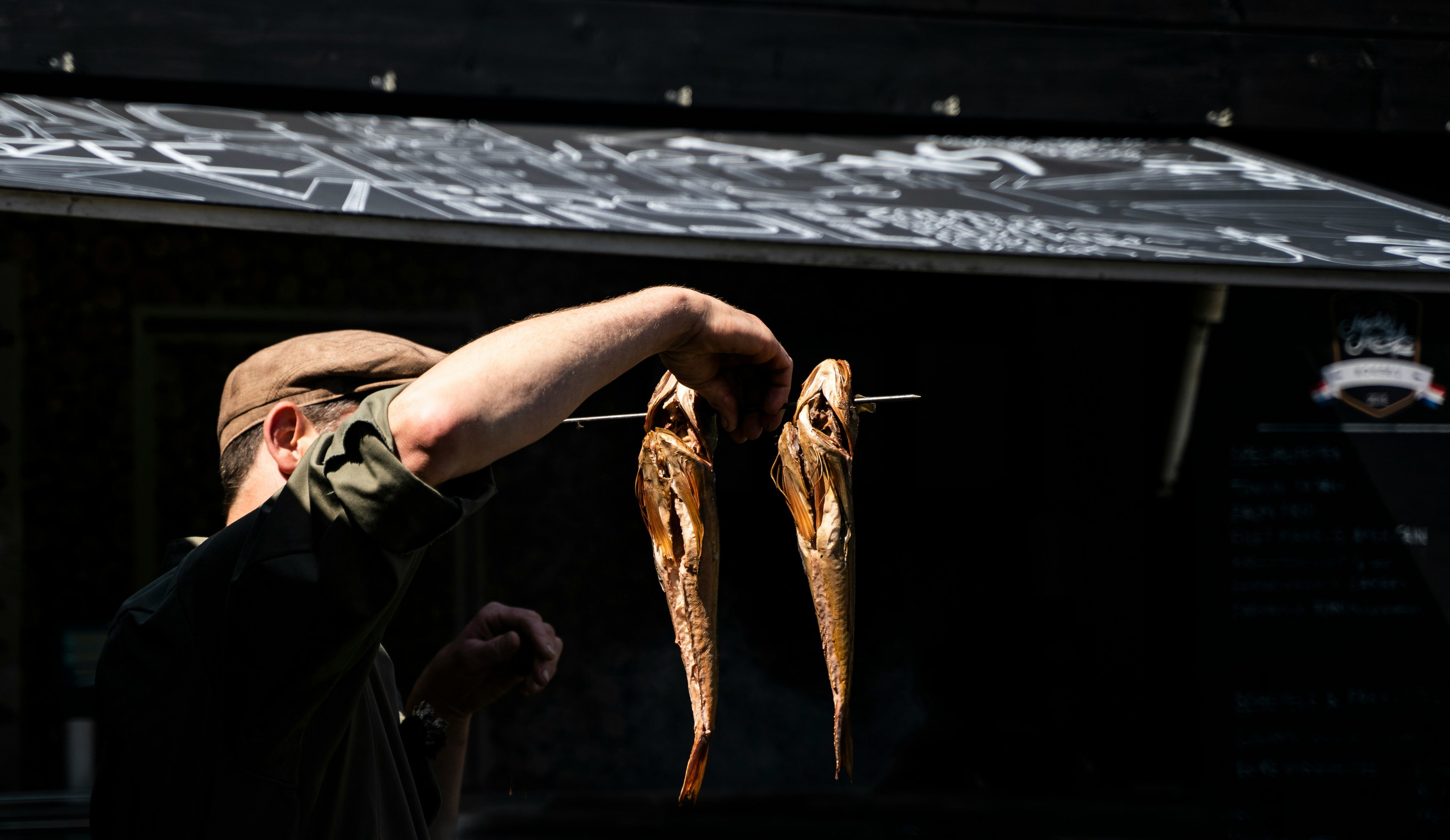
Stopping at a roadside smokehouse, watching fish emerge from wooden ovens, chatting with producers who have perfected their methods over decades, and enjoying lunch overlooking the Baltic Sea offers something increasingly difficult to find elsewhere: authenticity.
Smoked fish continues to tell the story of Lithuania's coastline through flavour. It speaks of fishermen heading onto the lagoon before sunrise, of alder wood slowly smouldering through the afternoon, of family recipes carefully protected, and of a culinary tradition that has survived not because it became fashionable, but because it has always belonged here.