The Princess Cake: Swedish Bakers Weigh in on the Global Craze
Beloved in Sweden for nearly a century, the pastel-hued princess cake has found a global audience, thanks to viral videos, bold bakers and a world hungry for nostalgic comfort. But how do Sweden’s pastry chefs feel about the classic cake’s sudden international stardom—and the creative new takes on it?
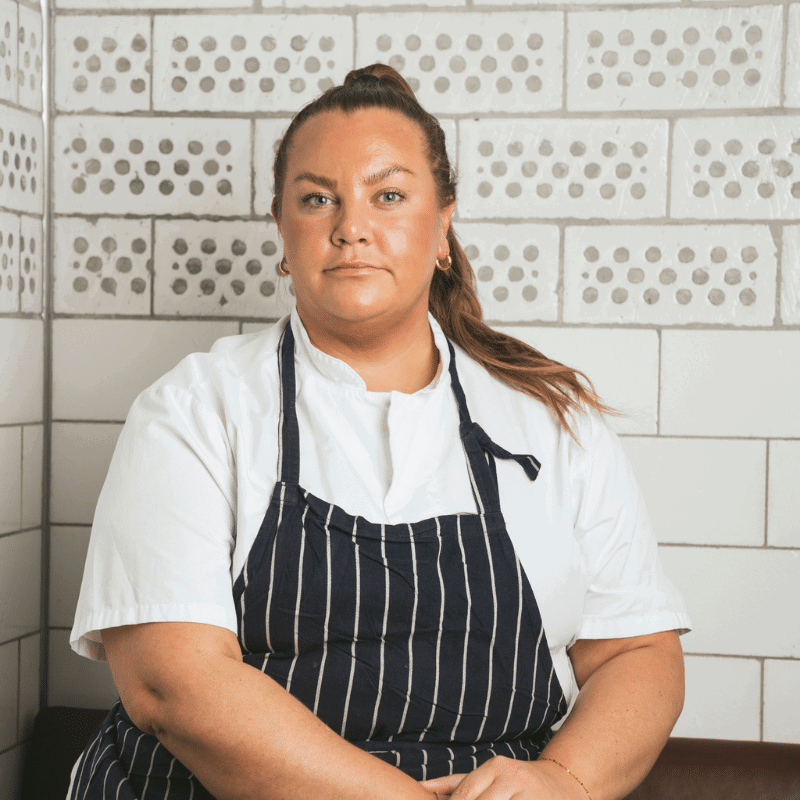
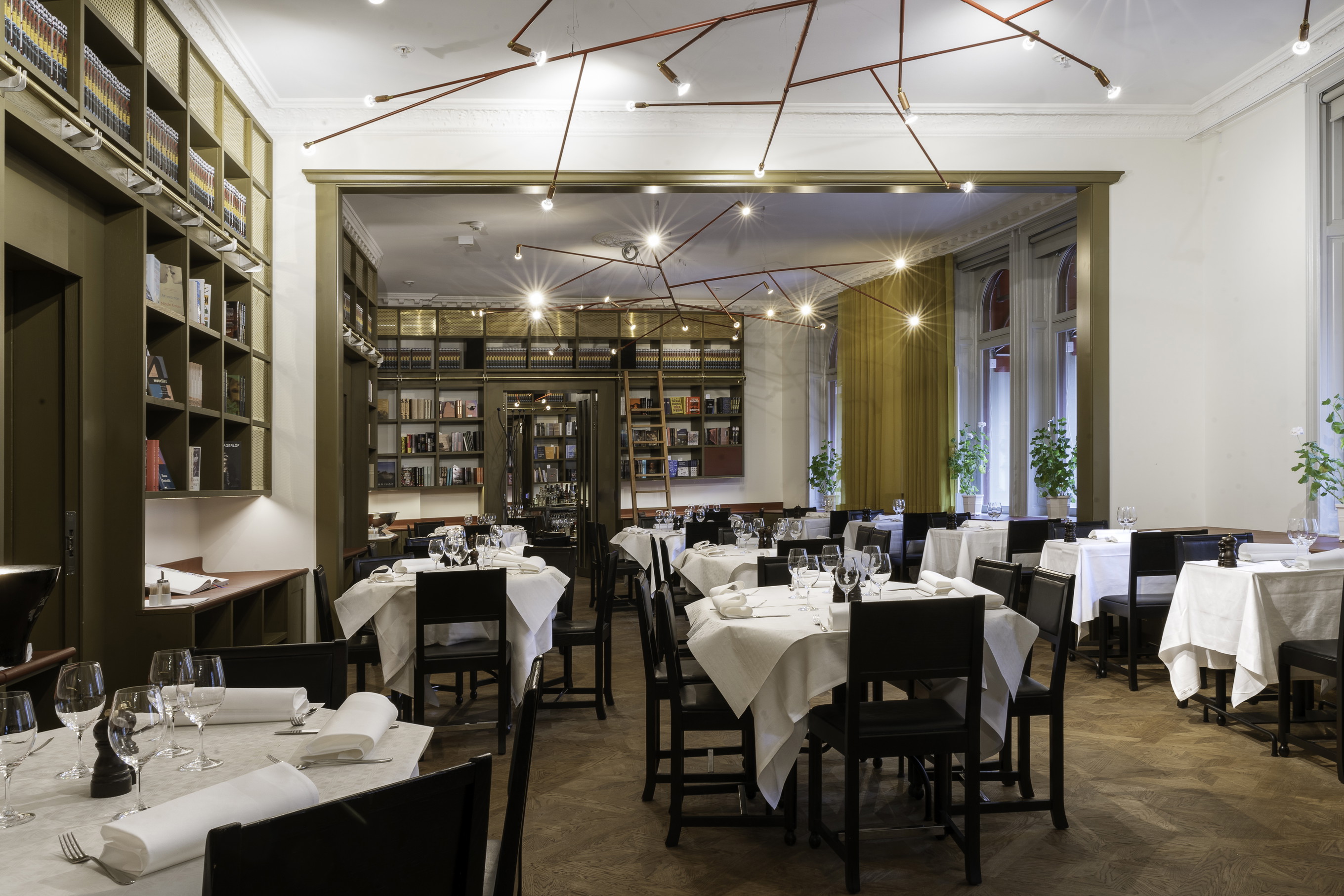
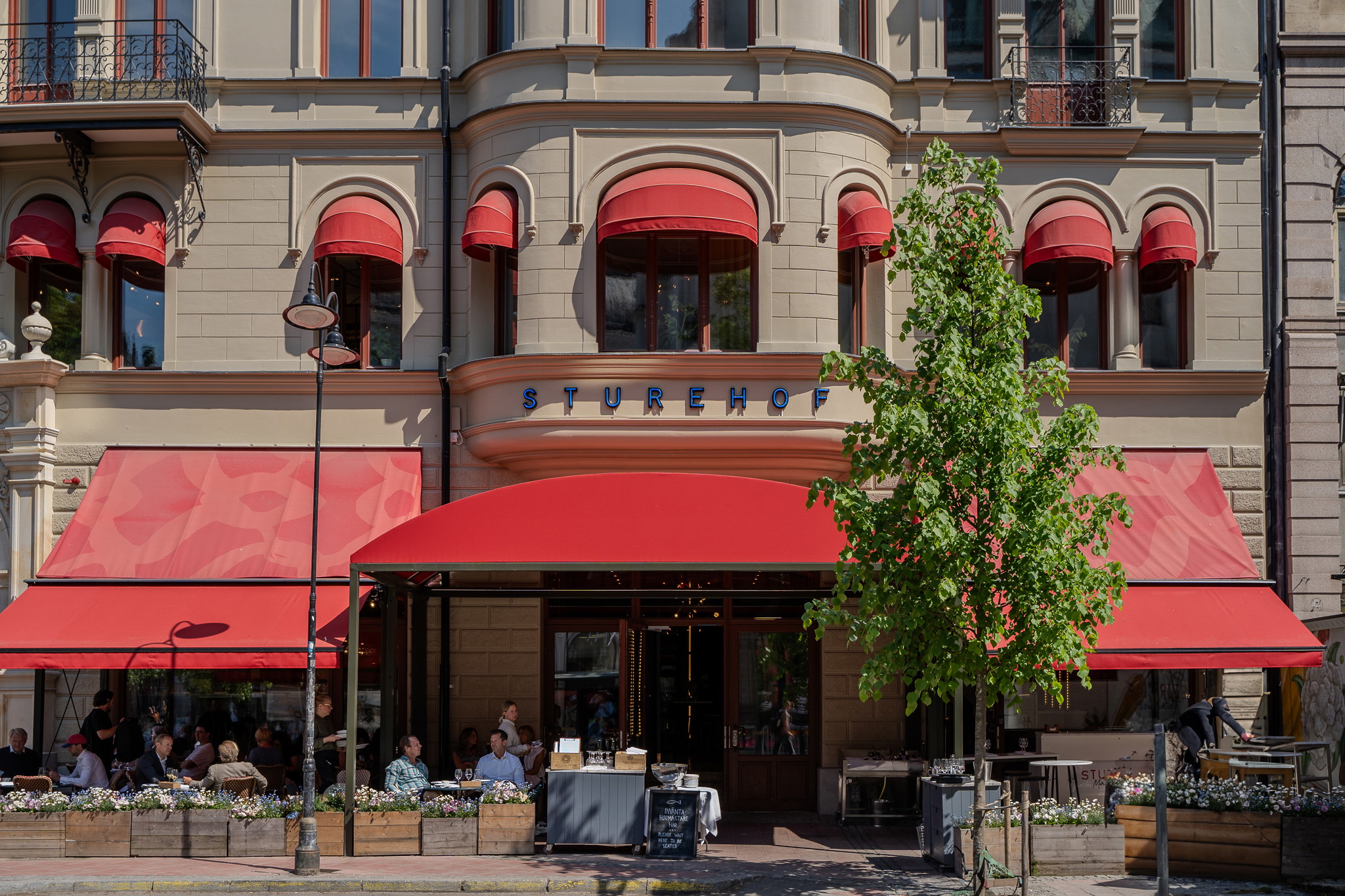
When Sturehof’s Head Garde-Manger, Yohanna Blomgren, one evening in autumn 2024 shaped a miniature princess cake, it was more than just a “new” variety of the iconic Swedish bake. It was a personal declaration of love. “Princess cake is my absolute favourite pastry. It’s unbeatable,” she explains.
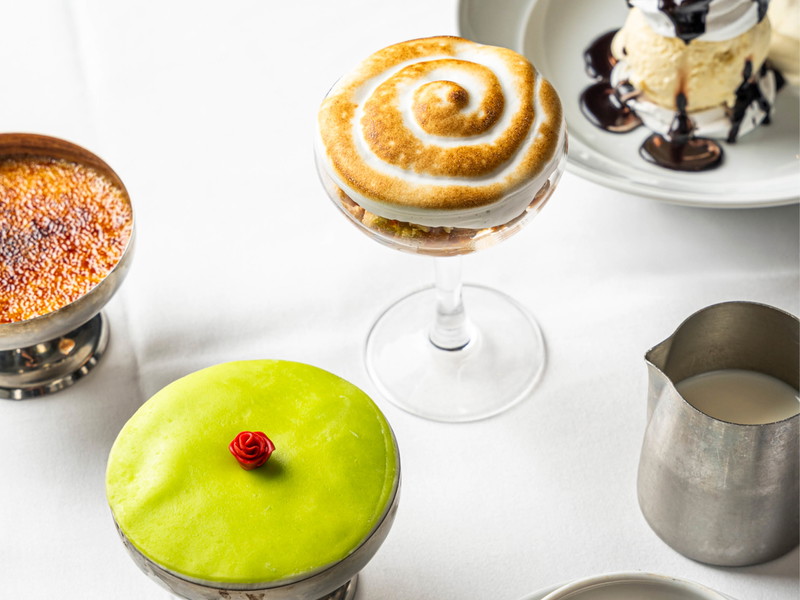
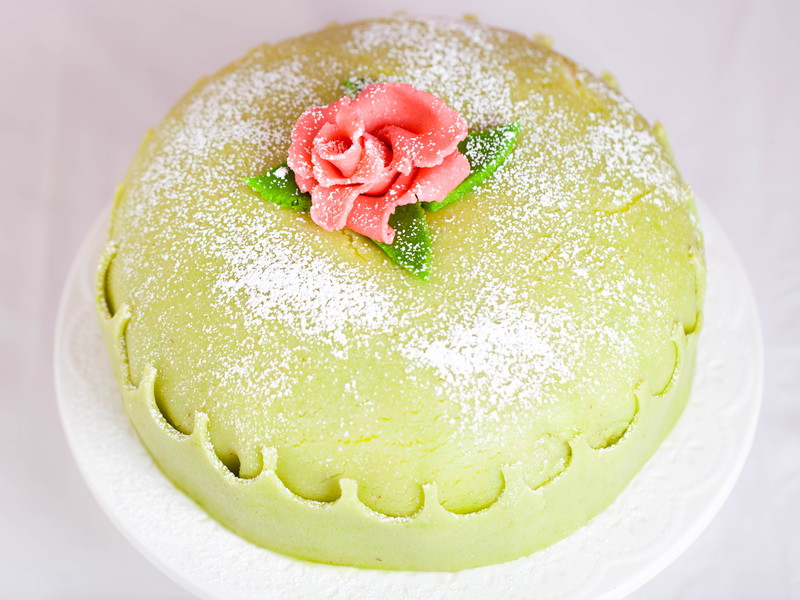
That was the feeling she wanted to capture when she created the tiny version. It’s served in a coupe glass, with airy sponge cake, homemade raspberry jam, smooth vanilla custard, freshly whipped cream, a thin layer of green marzipan—and finished with a classic marzipan rose on top. “I wanted to create an interpretation that’s like an elegant dessert. From the very start, it felt absolutely right.” Guests at the renowned brasserie in central Stockholm agreed. Soon, Sturehof was selling nearly a thousand mini princess cakes a week. “It’s fun to see how much people appreciate it. I’m genuinely happy every time I see photos and praise on social media.”
The princess cake—an invention often credited to famed Swedish home economics teacher Jenny Åkerström, whose recipe for a marzipan-covered gröntårta (green cake) appears in later editions of her cookbook Prinsessornas Kokbok—is a fixture at Swedish festivities. Sofie Zettergren Bonnevier, founder of food trend consultancy Popfoodie Media, points out that an ongoing macrotrend is that of nostalgia—and for Swedes, the princess cake is loaded with childhood memories. “Many of us recall it from our upbringing and various celebrations. As a child, there was always a fight over who got the marzipan rose,” remembers Zettergren Bonnevier. “And when you finally got it, it wasn't even taste that good!”
Recently, the princess cake has seen an unexpected resurgence, far beyond Sweden’s borders. The start of this can be traced to about a year before Blomgren’s miniscule creation became popular at Sturehof. When American magazine Bon Appétit published a tribute to the princess cake served at Quarter Sheets in Los Angeles in early 2024, something started stirring—or rather, exploded. International media was all over it. Eater announced that “the princess cake gets its princess moment.” “It’s everywhere!” The Guardian declared. In The New York Times, American bakers talked about experimenting with marzipan in other colors and olive oil-based sponge cakes, and the princess cake suddenly ranked among the site’s most searched-for recipes ahead of the holidays.
In this new wave of curiosity, the princess cake has been called both exotic—and sexy. The cake’s traction on TikTok is more than just a passing trend. Bakers have seen videos re-shared and reacted to by followers from around the world, many of whom attempt their own versions. One notable example is American-born, Stockholm-based pastry chef and content creator Cecilia Tolone, whose videos of intricately decorated princess cakes have gone viral on both Instagram and TikTok—one clip alone surpassing a million views within days. For many outside Sweden, it’s the first time they’ve seen a cake with this kind of elaborate, pastel, and nostalgic look.
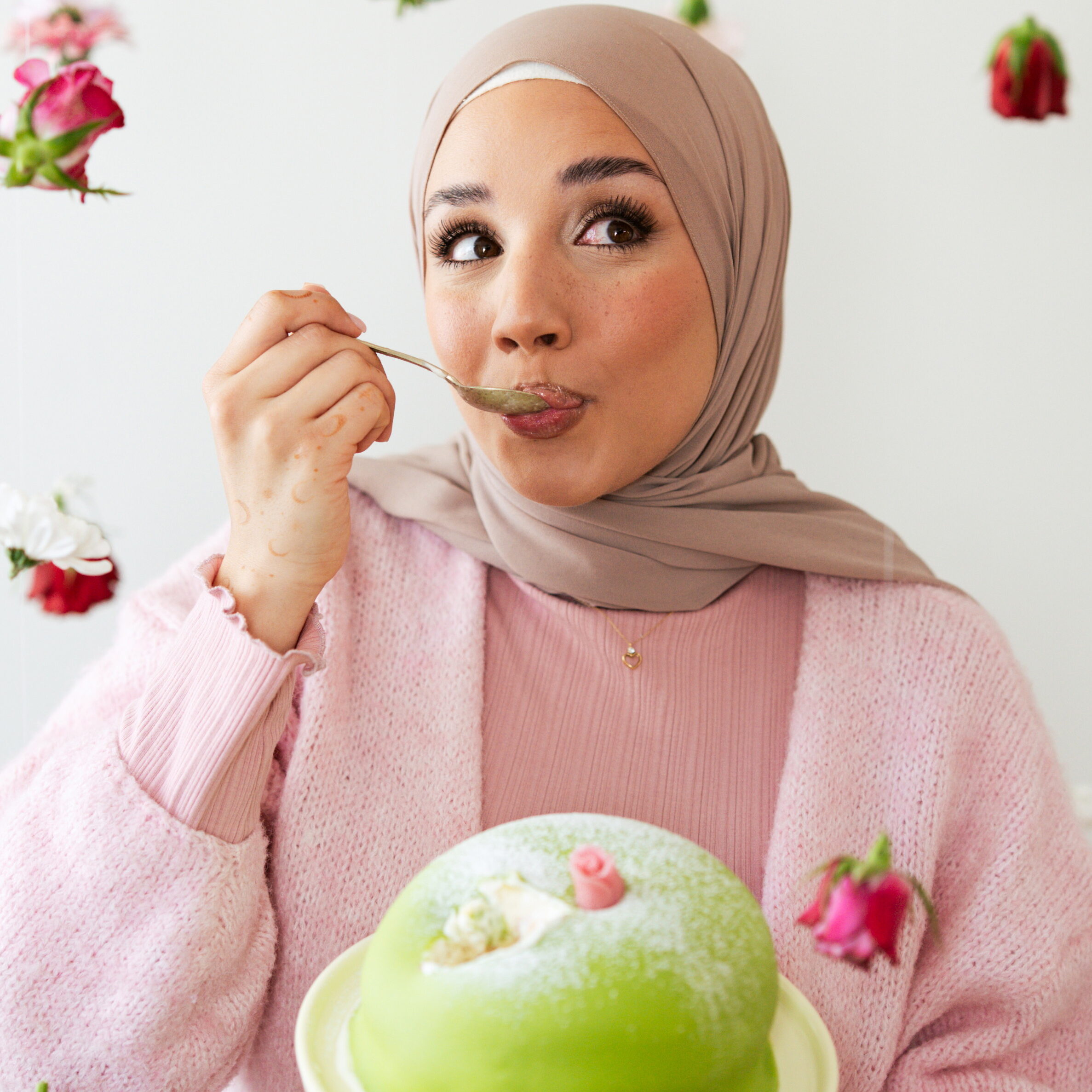
“I love that the princess cake is finally getting the attention it deserves!” says Camilla Hamid, one of Sweden’s most influential baking personalities and bestselling cookbook authors. “I bake one for myself every year on my birthday.” Hamid believes there’s a fairly simple explanation as to why the princess cake continues to endure over time, and at the same time seems so adaptable: “It’s just so pretty! The flavors are delicious yet simple.” Like Blomgren, Hamid has made her own version: a princess cake cookie with almond, raspberry jam, mascarpone cream, and marzipan. It’s a bestseller at her Stockholm café, Sweets by Camilla.
Renowned pastry chef and former creator of the Nobel Prize banquet dessert, Magnus Johansson, is also positive about how global attention has led to innovation. “It’s fun and inspiring to see all the international versions of princess cake with different fillings, colors, and shapes. That’s the great thing about traveling and encountering other cultures—letting them mix!” For example, at his Stockholm bakery and patisserie, Magnus Johansson Bageri & Konditori, Johansson has chosen to replace raspberry jam with raspberry compote, with no added sugar, to balance the sweetness. The pure whipped cream has been swapped for vanilla mousse, and the sponge cake is baked with spelt flour. “Back when I ran dessert bistro Xoko, we opened up the marzipan in the centre of the cake, shaped it into a crown, and decorated it with fresh raspberries instead of a rose,” says Johansson. “It was fresher, more beautiful, and more delicious. It’s about evolving without losing recognizability.”
Speaking of recognizability: Is it the visual appearance of the princess cake that’s made it go viral? “Absolutely! It’s festive and lively, almost childlike, with its bright green and pink colors and that little rose,” says Zettergren Bonnevier. What’s more, she points out, it’s quite unlike American and British cakes. “They’re usually extravagant on the outside, but inside, it’s mainly just sponge under the fondant. When you cut into a princess cake, though, something happens with all those layers of cream, jam and sponge. It looks spectacular, which works perfectly on social media.” Zettergren Bonnevier also sees the princess cake’s appeal as part of a wider cultural movement. “There’s a big ‘kid out’ trend right now. Adults are allowing themselves more playful, colorful expressions, from plush mascots in fashion to rainbow desserts on menus. The princess cake is perfectly in tune with that spirit.”
Another movement it fits well with, is the rebellion against the super-healthy. When visiting major food fairs like Expo West in California, Zettergren Bonnevier has seen how, in just a year, the trend has shifted from sugar-free and sweeteners to what’s simply called natural sugar. “Sugar isn’t as demonized anymore,” says Zettergren Bonnevier. But with every craze comes the risk of dilution. “Each trend eventually gets maxed out. The more bakeries that jump on the bandwagon with wild takes on the princess cake, the more likely the trend is to lose its punch. Still, the classic green version remains a staple in Sweden’s pastry scene and shows no sign of fading at home.”
That’s where trendspotting and craftsmanship meet. Because sure, the princess cake can be interpreted in all sorts of ways—but all the Swedish bakers that Falstaff Nordics has spoken to emphasize that taste must always take the lead, whether it’s served classically, as a cookie, or in a coupe. “Covering a princess cake in buttercream, for example, doesn’t sound like something I’d love, but I have a very relaxed approach. As long as it’s tasty and made with love, I couldn’t care less about rules,” Hamid laughs. Taste, in turn, is directly connected to the nostalgia trend Zettergren Bonnevier highlights. “Food is becoming more and more emotional. We want it to evoke feelings, and to a large extent that’s what our sense of taste does. When the world is awful and we don’t know what will happen tomorrow, the longing for what’s kind and comforting becomes extra strong.”
So, it’s no wonder that over the past two years, the Swedish princess cake has become increasingly beloved, both in its home country and abroad. Behind its blanket of marzipan, something wonderfully reassuring awaits: a creamy and fruity delight, with hints of vanilla.