Skip to content

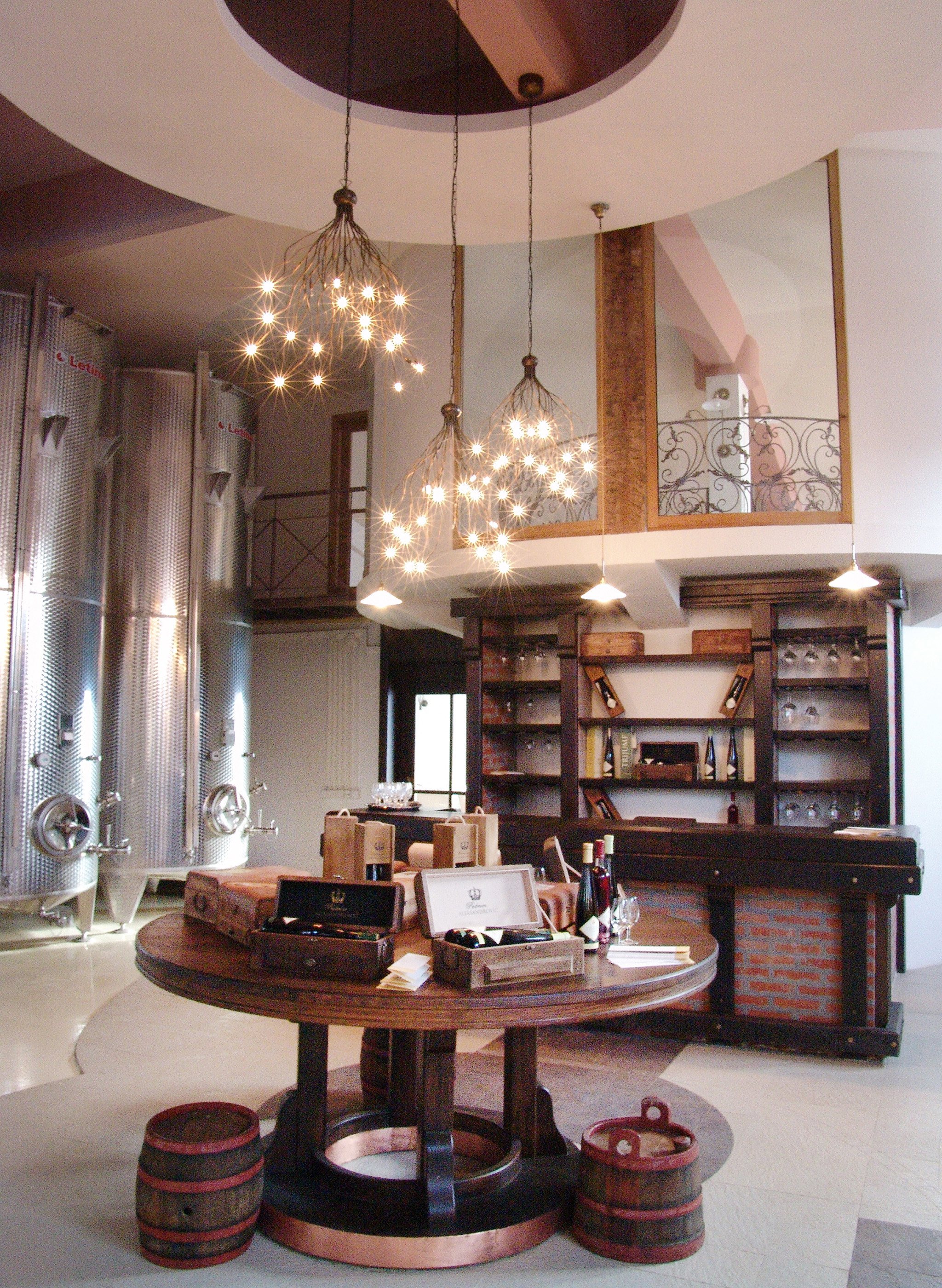
A monumental sandstone sculpture of Bacchus watches over the vinotheque treasures at the Aleksandrovic Winery.

A monumental sandstone sculpture of Bacchus watches over the vinotheque treasures at the Aleksandrovic Winery.
© Claudia Schindlmaisser

Wine Mecca Serbia: the Balkan state is becoming a hotspot for wine fans

With great commitment and at a rapid pace, the Balkan state is developing into a new hotspot for wine connoisseurs. In addition to international varieties, it is mainly local varieties such as Prokupac and Grašac that are becoming the centre of attention.

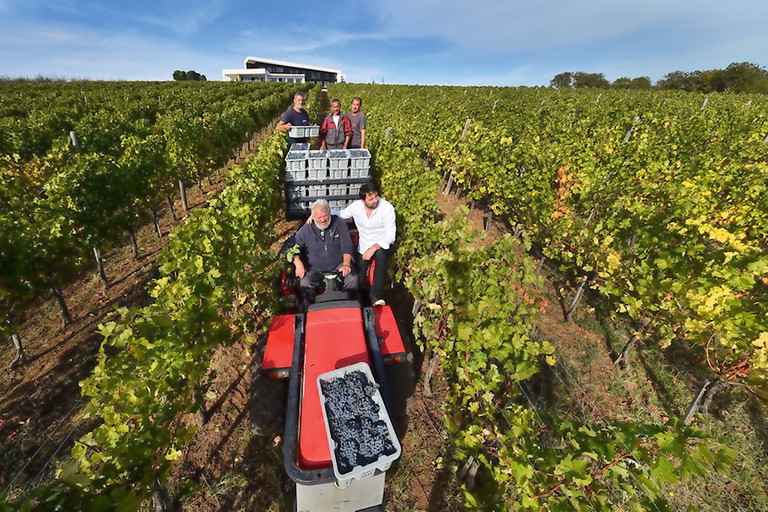
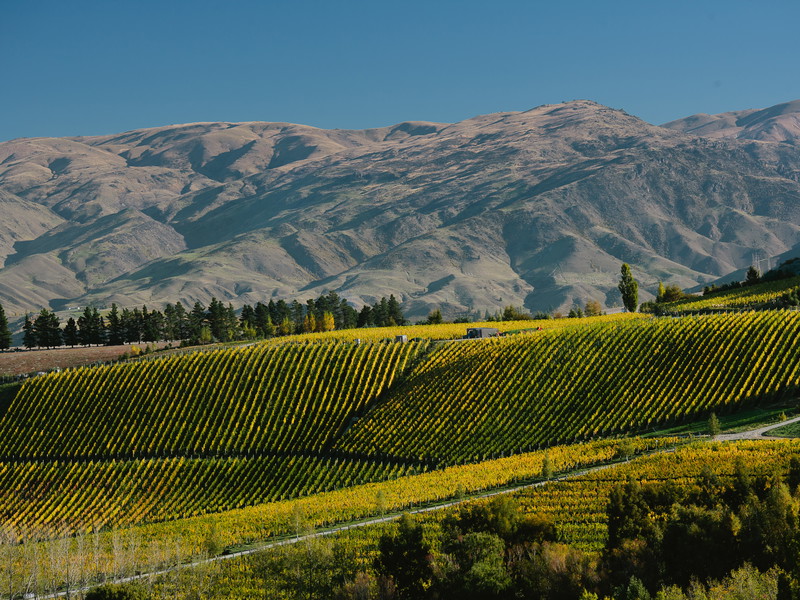
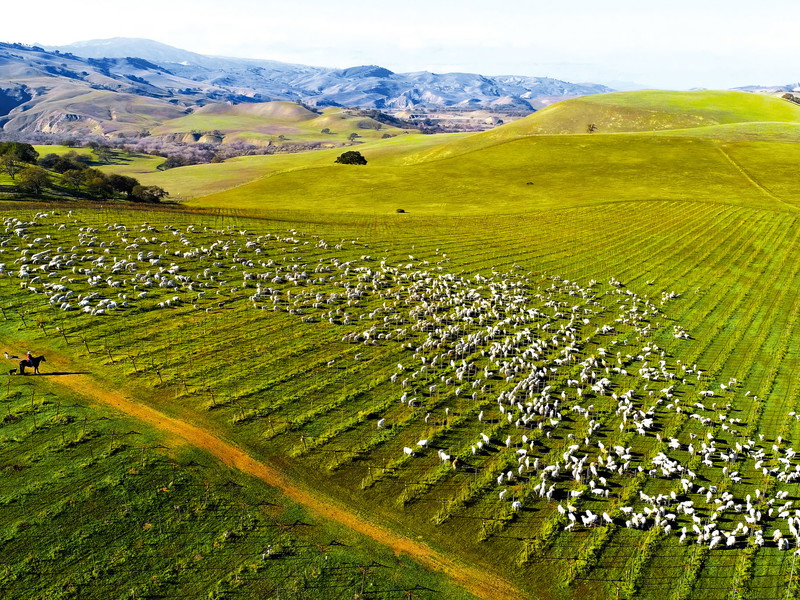
There is a fresh breeze blowing through Serbia's wine landscape, which is spread over three wine-growing regions with a total of 22 growing areas of varying size and importance, from the Hungarian border to the south and east of the country. About 22,000 hectares are now replanted with a great variety of international vines, but also very exciting local ones. There is noticeable investment in the sector. Last fall, visitors to the highly successful premiere of the "Wine Vision by Open Balkan" wine fair in Belgrade were able to see for themselves the great progress that has been made.

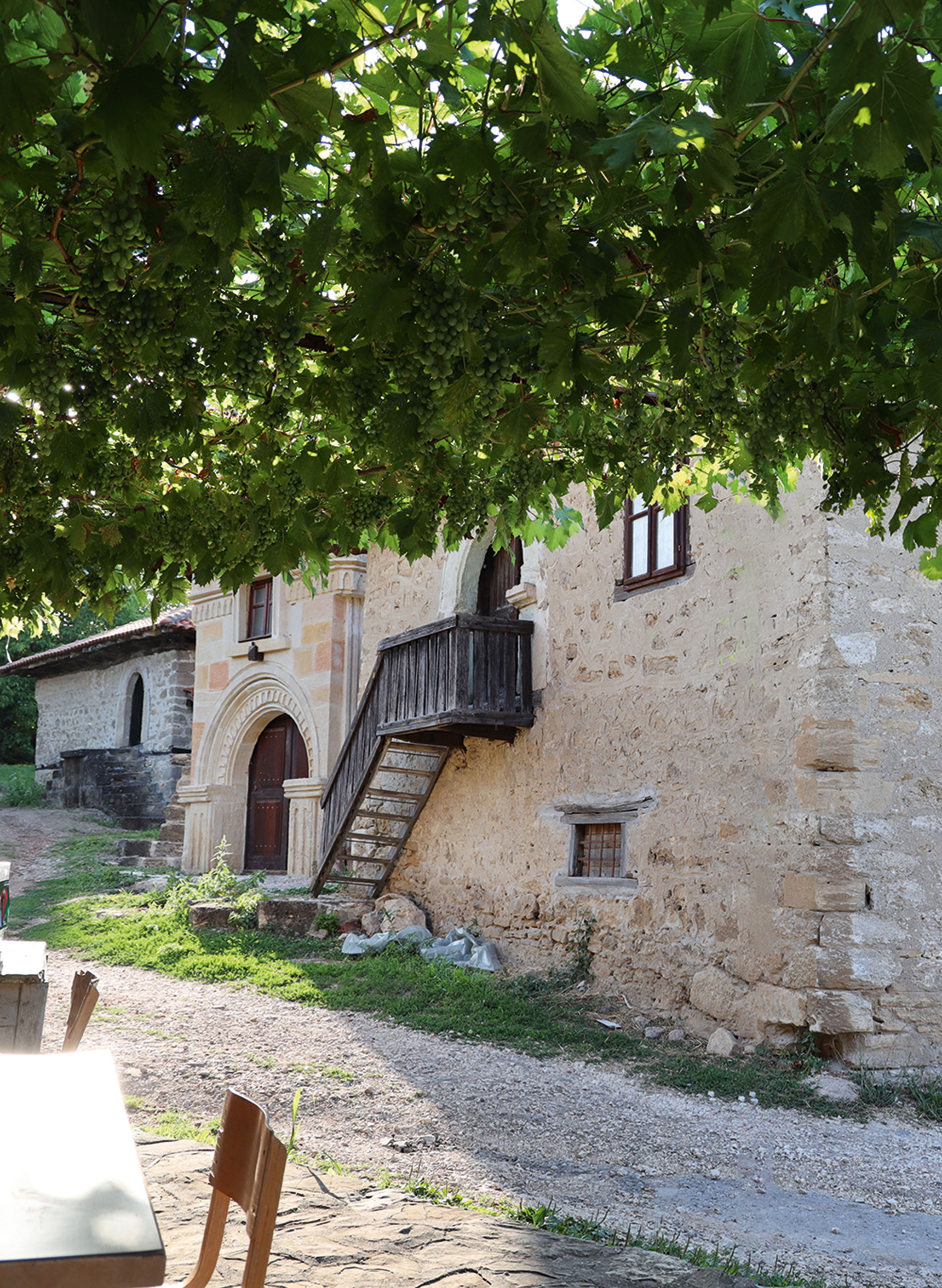
The wine culture of Serbia is deeply rooted in the history of the region. In addition to the influences of the Thracians and Greeks, it was mainly the Romans who took advantage of the good climate and fertile soils for viticulture. After a long period during which it was forbidden to produce wine outside the Roman heartland, it began again on Serbian soil in the third century AD, first in the region of Fruška Gora in today's Vojvodina, which was then called Syrmia.

TASTNG

The decisive factor was the Roman emperor Probus, born in Sirmium, which is now called Sremska Mitrovica, who is still revered by wine lovers and winemakers in many parts of Europe for having abolished the Roman wine monopoly. Emperor Constantine the Great also appreciated, besides the scenic beauty, the grape juice from Naissus, today's Niš, where he moved his summer residence. From late antiquity to the Middle Ages viticulture spread steadily over the territory of present-day Serbia. The nobility and especially the numerous monasteries were endowed with vineyards. Tsar Stefan Dušan strongly promoted viticulture in the 14th century. Until the Ottoman conquest, wine culture experienced its first flowering. And even though production was officially forbidden under the Ottomans, the Serbs did not give up a good glass of wine in the aftermath, but continued to cultivate their vineyards.

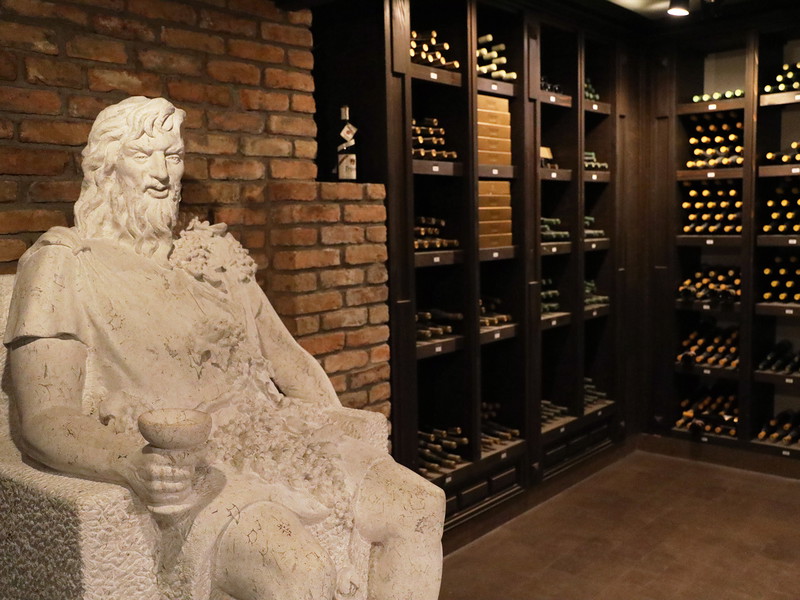
Foto beigestellt

Long winemaking tradition

At that time, when Yugoslavia still existed, Serbia had the largest area of vines within the community of countries. But the time of socialism had its own rules. Without a private wine industry, quality-oriented production in this sector was very difficult, quantity clearly took precedence over quality, and despite the best natural conditions, Serbian wine could not achieve international renown. But the tide has long since turned; in the last decade in particular Serbia's wine culture has really taken off.

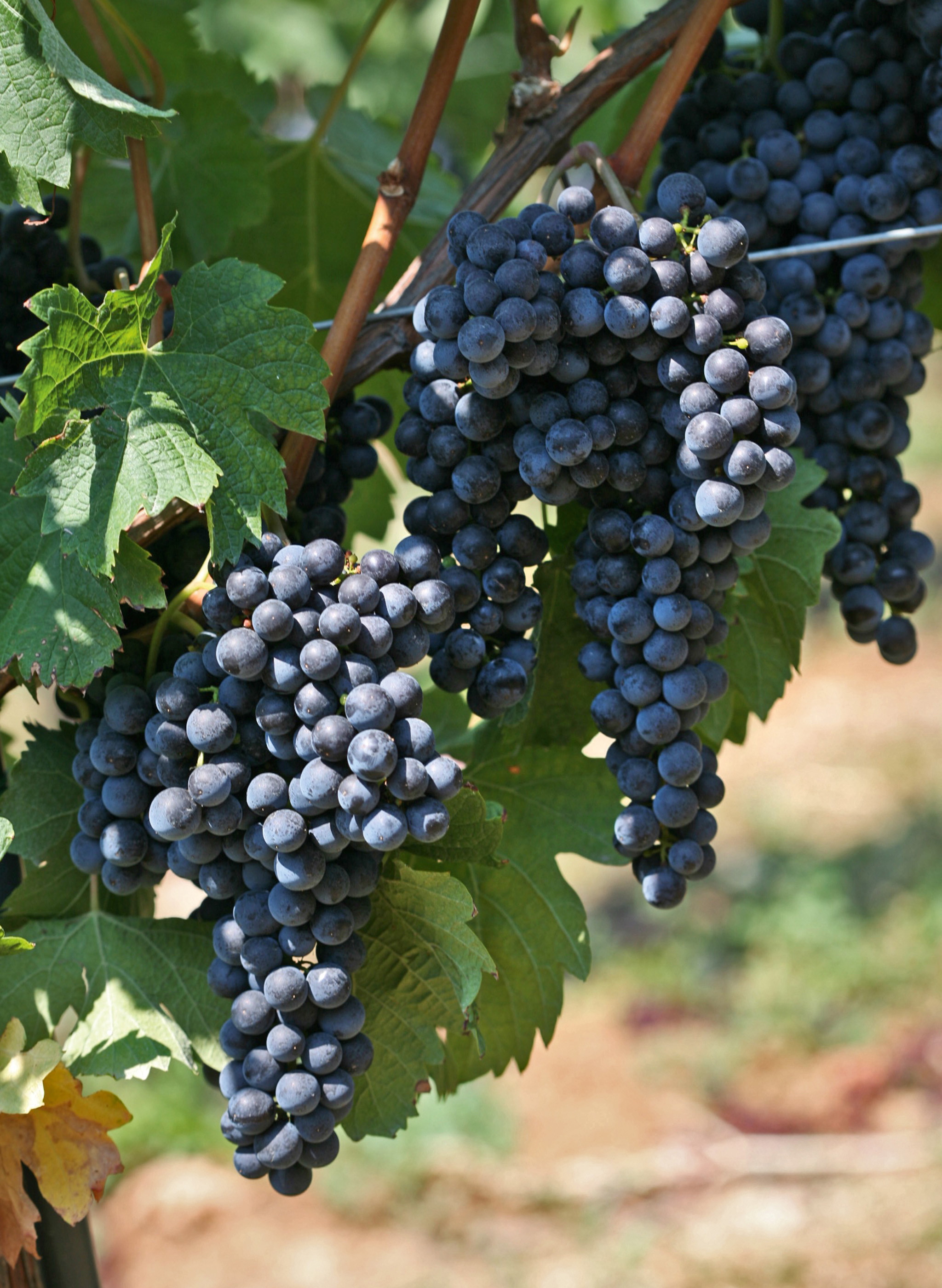
The country has very diverse terroirs and climates, thus a great selection of varieties and styles can be nurtured here towards wines of amazing quality. There are elegant dry white wines, from Grašac (or Welschriesling) as in Fruška Gora, located between the Danube and Sava rivers, to juicy Sauvignon Blanc in the Šumadija or elegant Chardonnay - above all the nutmeg-scented Tamjanika or the white wines from Smederevka. In addition, there are storable, spicy red wines from distinctive autochthonous grape varieties such as Vranac and original crosses. The red flagship variety, however, is clearly Prokupac, which in its spiciness is located between Blaufränkisch, Pinot Noir and Shiraz and is increasingly becoming the true flagship of the renaissance of Serbian wine. Complex red cuvées of international character, such as from Cabernet and Merlot, come from the regions of Šumadija or Negotin, which lie on the latitude of Bordeaux.

Amazing variety

Today, Serbia has modernly equipped wineries in all growing regions, producing a wide range of quality wines. In addition to the native grape varieties, the demand for top international grape varieties is increasingly being taken into account. The Bordeaux varieties Cabernet Sauvignon and Merlot are rooted in nine percent each in Serbian vineyards. This puts them in first place among the red varieties. Chardonnay (eight percent) and Sauvignon Blanc (five percent) are also on the rise. The number one white wine at the moment is still the finely spicy and fresh Grašac (pronounced Graschatz) with 14 percent. The local red Prokupac (pronounced Prokupatz) is also sure to cause an international sensation when it is introduced to a wider audience. The latter variety has similarities with Pinot Noir on the one hand and Blaufränkisch on the other.

There are also exciting developments thanks to the rediscovery and promotion of some grape varieties that were already threatening to disappear, such as the white Bagrina in Negotin, Seduša in Fruška Gora or Morava and Smederevka in Smederevo.

The growing number of garage winemakers and orange or natural wines, which are especially appreciated by the younger generation, testifies to how innovative and lively the Serbian wine scene is today. Often these wines are easier to find in the Western export markets than on the wine lists in Belgrade.

Future-oriented

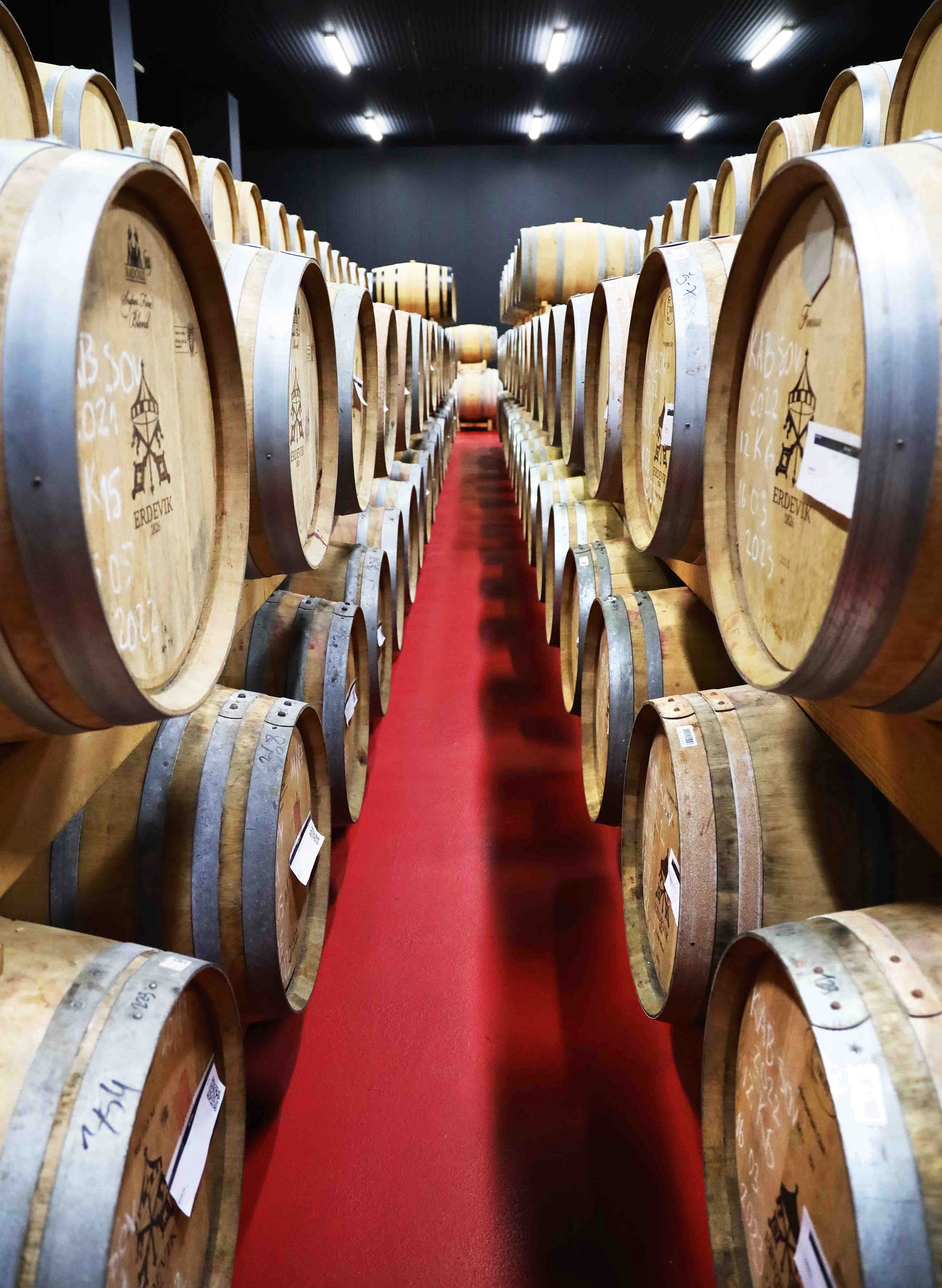
Currently about 430 producers are registered for the production of wines. The number of grape producers is many times greater. In total, Serbia produces about 30 million litres of wine on average per year. The possible future capacity of wine production in Serbia is estimated at potential 70 million litres of wine. In exports, wines worth 16.8 million euros were recently sold. However, this compares with around 34 million euros for imported wines. In terms of volume, more than half of the total wine production was exported: 5.5 million litres were delivered to Russia, which corresponds to one third of all exports. 17 percent of wine exports were destined for the EU region. Other larger shares were exported to Montenegro and Bosnia-Herzegovina.

The size of the wine producers currently breaks down roughly as follows: two large companies have more than 1000 hectares, six companies cultivate more than 100 hectares and about 60 wineries have between 10 and 100 hectares each.

Great commitment

There is also an unmistakable political will to support the new trend towards the production of quality wines and the accompanying burgeoning wine tourism, as a motor and calling card for living hospitality. Not only are new wineries being built, but restaurants and hotel projects are also going hand in hand with this trend.

The growing number of awards has drawn the attention of the international wine world to the wines from Serbia and their great qualities. In August Falstaff took a trip through the country's diverse wine landscape to get an idea of the state of development, visiting numerous winemakers and tasting around 200 wines. We were thrilled with the quality. And at new wine fairs such as the "Open Balkan Wine Fair" in Belgrade, guests and wine lovers from home and abroad can get a good overview of the state of development of Serbian wine and talk directly with winemakers.

Trade fair tip

The "Wine Vision by Open Balkan" invites again to Belgrade in November.


Visiting neighbours

The patronage of the event is, as last year, the governments of Serbia, Northern Macedonia and Albania. The "Open Balkans" initiative is also involved. The second edition of the wine fair will again take place in Belgrade. For three days, from November 16 to 19, more than 350 exhibitors will again be available for talks, tastings and networking. "This year we have put together an even richer programme," the organiser promises on its website.

fair.openbalkan.com


Peter Moser
Peter Moser
Chefredakteur Wein
Find out more
1 / 12