Korean kinship on the plate
At Bach & Nurup in Northern Jutland, chef-owner Christian Nurup welcomed guest chef and television...
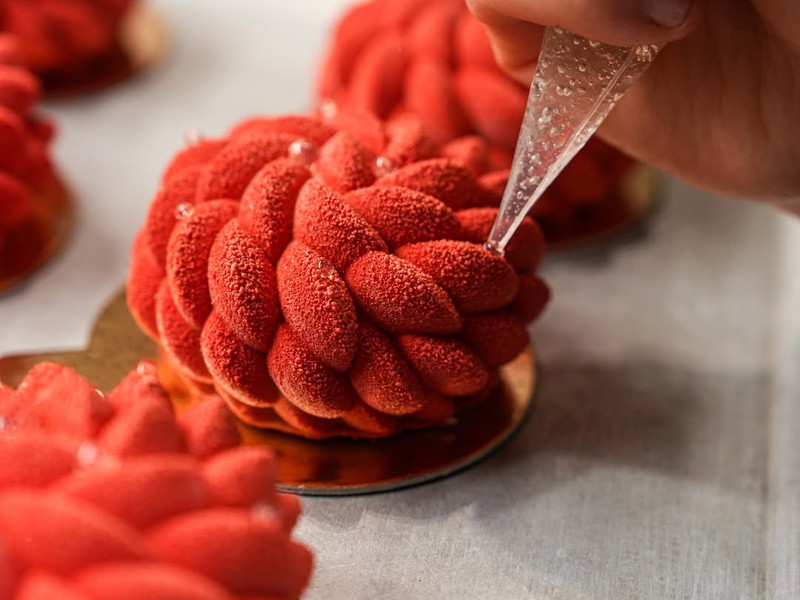
At Kong Hans Kælder, Mark Lundgaard has spent years refining one of Denmark’s most celebrated fine dining experiences. Now, just across the lakes in Copenhagen, he’s channeling that same mindset into something far more everyday: Kong Hans Bakery.
by Caroline Sølver
But translating Michelin-level thinking into croissants and rye bread turns out to be anything but simple. In a conversation with Mark Lundgaard, he shares the trials and tribulations of taking the experience and dedication from Kong Hans Kælder to Kong Hans Bakery, dealing with the unpredictable matter of dough. He also shares news that bread fans of Copenhagen will enjoy the sound of.
What is Kong Hans’ take on a bakery? What were you trying to create?
“I think it started with a feeling that something was missing, even if we have a highly developed bakery scene in Copenhagen. I missed what I would call a proper, old-school bakery. The kind where you could get everything. Bread, pastries, cream cakes. That used to be the standard, but now many places have become very specialized.
We didn’t want to limit ourselves in that way. The idea was to bring back that broader offering, but do it with the same level of care we apply at the restaurant. So it’s not about reinventing everything, but taking classics seriously and seeing how far you can push them in terms of quality.
At the same time, the bakery also had a practical purpose. We needed more space. At the restaurant, the ovens were constantly occupied, and certain products, like brioche, simply didn’t fit into that rhythm. So the bakery became both a solution to help with the bread baking for the restaurant and a creative outlet. We are always developing, and this seemed like a great step.”
What does “Michelin-level” mean in a bakery context?
“It’s not about making something luxurious for the sake of it. It’s about mentality. The way you think about ingredients, the way you approach craftsmanship, and how critical you are of what you produce.
We taste everything we bake - every day. There’s a daily line test, just like in a fine dining kitchen. If something isn’t right, it doesn’t get served. That’s a non-negotiable.
And then there’s the development process. Nothing goes on sale without being tested extensively. There’s at least a month of work behind a product before it reaches the counter. That’s something we’ve taken directly from the restaurant, this idea that nothing is ever finished the first time.
But beyond that, it’s also about creating a culture where feedback is constant and not personal. Everyone can say if something isn’t good enough, even to me. That’s essential if you want to maintain a high level.”
What has been the hardest thing to translate from fine dining into a bakery?
“The scale and the exposure. In a restaurant, you have a controlled environment. You know your guests, you know how many are coming, and you serve them one table at a time.
Here, it’s completely different. You can have hundreds of transactions in a day. People come in, they buy something, and they judge it immediately.
Also, I had to realize that some of my ideas were more romantic than realistic. I thought certain things would work because they made sense from a craftsmanship perspective, but in reality, they didn’t fit how people actually use a bakery.”
Can you give an example of that?
“I wanted to make sandwiches to order, so people could see that everything was fresh and made specifically for them. It’s a nice idea, you create a moment, a bit of interaction.
But in practice, it didn’t work. People don’t have time to wait. If they’re on their way somewhere, they need something quick.
So we changed it. Now we prepare a certain amount in advance, so people can just come in and take what they need.
That was a learning curve for me. Accepting that what I think is ideal isn’t always what works best. And being okay with adjusting without feeling like you’re compromising.”
Copenhagen already has a very strong bakery scene. How do you position yourselves within that?
“There’s an incredibly high level here, no doubt about that. But many places are quite focused, often on sourdough and a Nordic style.
We wanted to offer something different with more variation, more techniques, more categories.
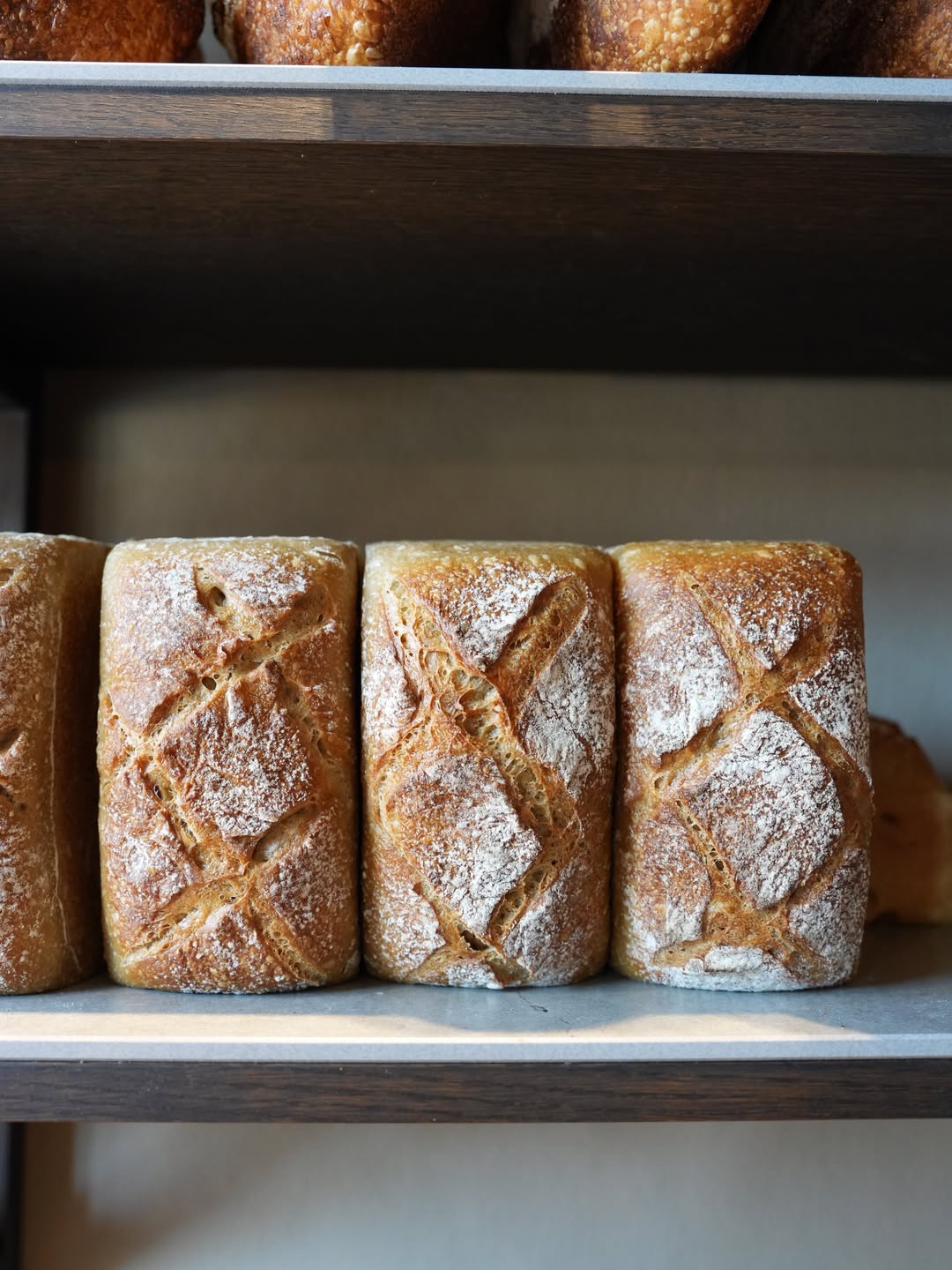
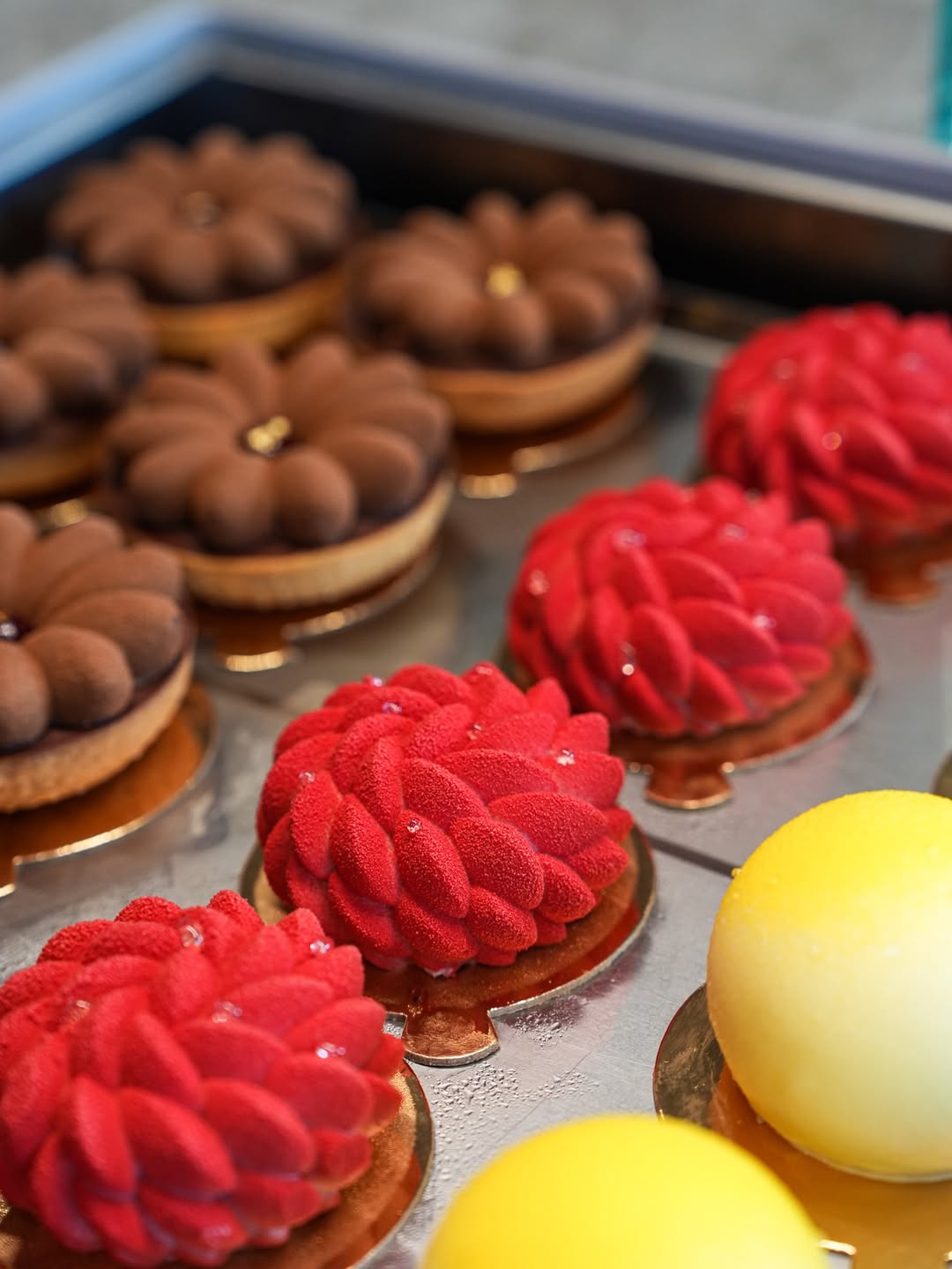
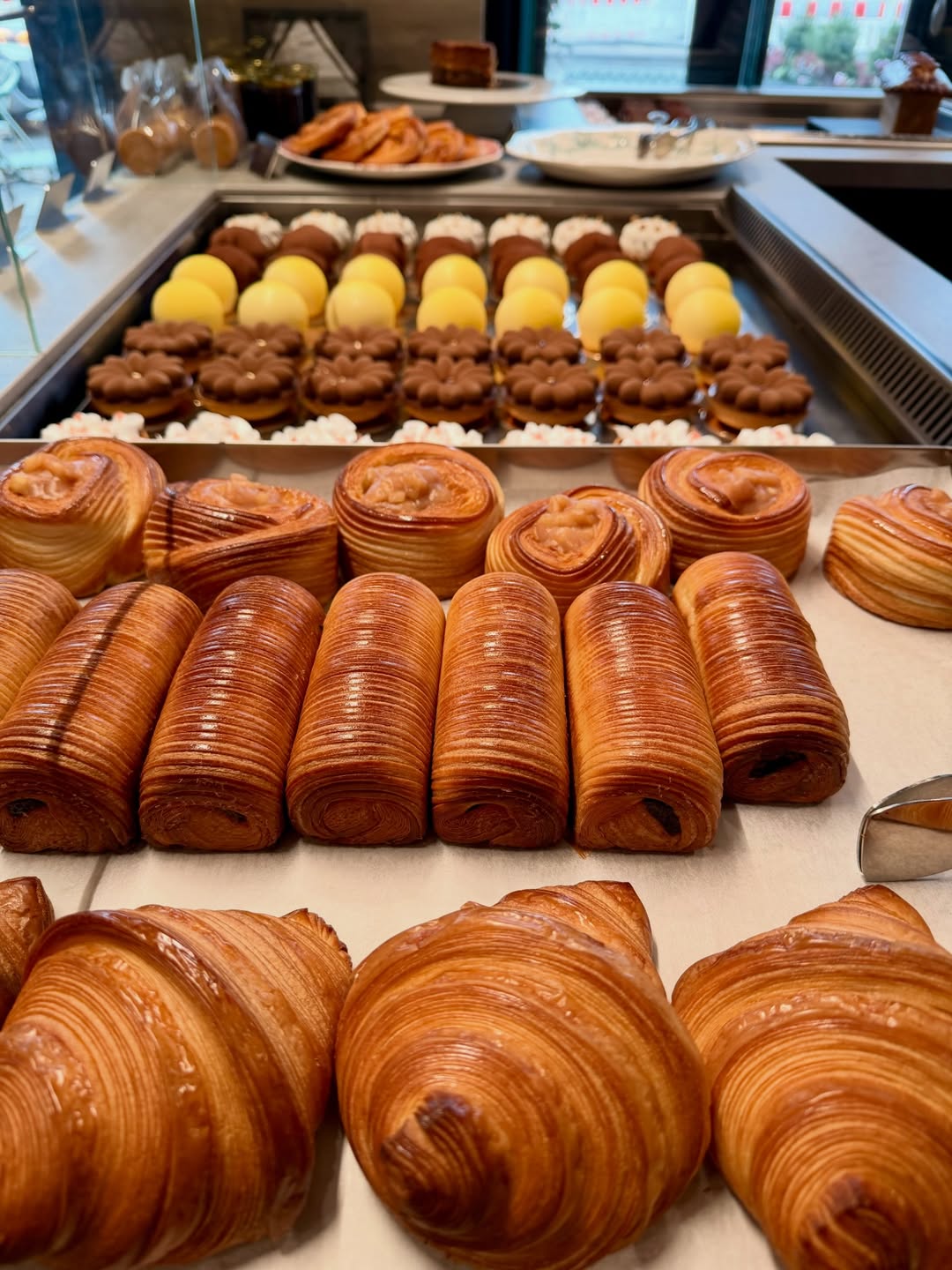
Most bakeries work with two doughs, sourdough and rye. We added brioche, baguette, laminated doughs, and a broader pastry selection.
And personally, I felt there was room for that. I had reached a point where everything was starting to taste a bit too similar. Very sour, very rustic. I wanted something else as well, something more classical.”
How do you balance Danish tradition and French technique?
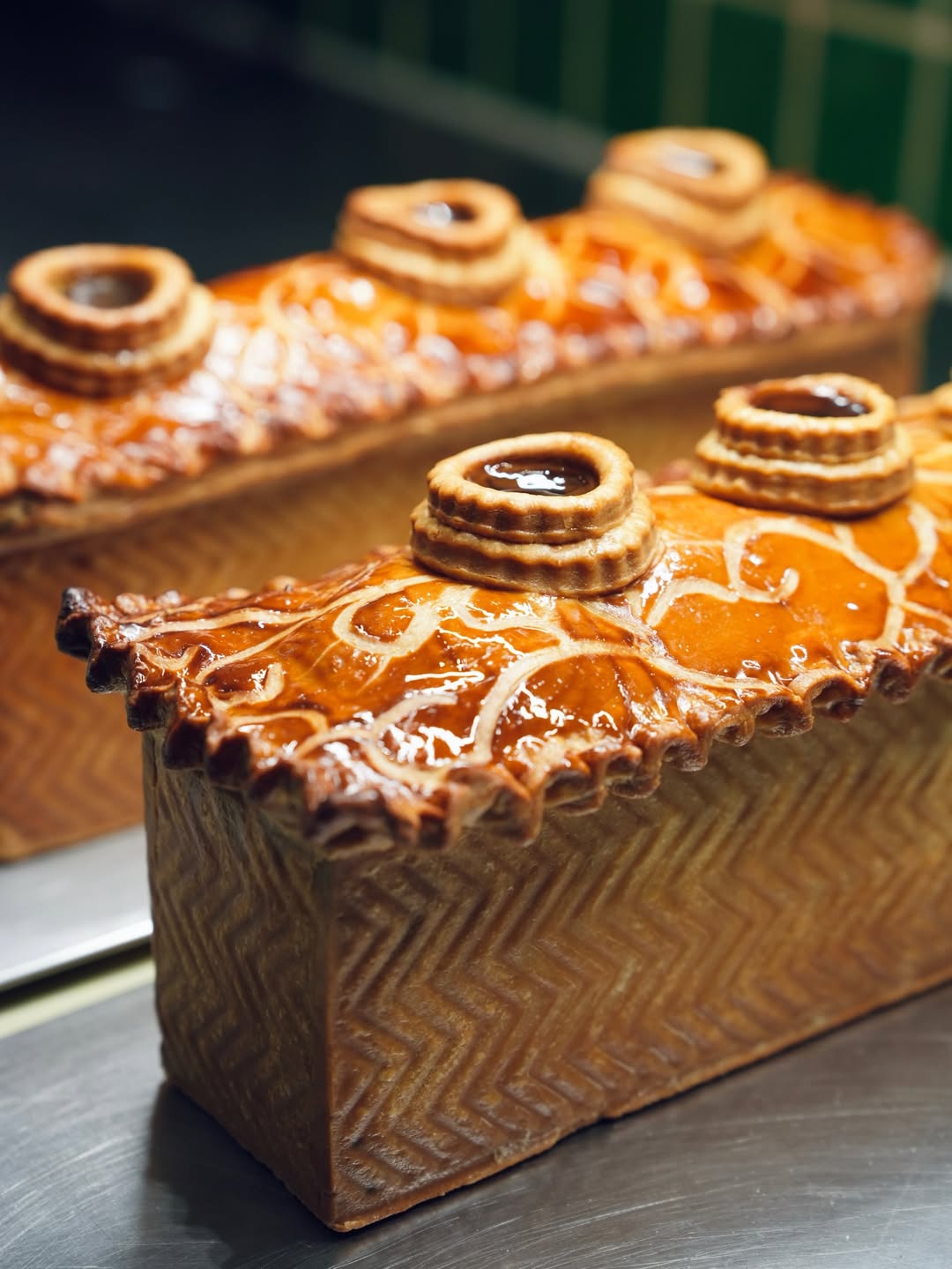
“The French part is where I feel most confident. I know exactly what the reference point is — how it should taste, how it should look.
The Danish classics are more complicated. Everyone has an opinion about them. They’re tied to memory, to childhood. So when you make something like a potato cake (Danish kartoffelkage) or a dream cake (Danish drømmekage), you’re stepping into something very personal for people.
That also means you’re more exposed to criticism. It’s been funny to experience how opinionated people are when it comes to their favorite Danish cake.
But that’s part of the idea. We take those classics and try to elevate them — not change them completely, but refine them. Better ingredients, more attention to detail, maybe small adjustments that make a difference without losing the identity.”
What has been the hardest thing to translate from fine dining into a bakery?
“The scale and the exposure. In a restaurant, you have a controlled environment. You know your guests, you know how many are coming, and you serve them one table at a time.
Here, it’s completely different. You can have hundreds of transactions in a day. People come in, they buy something, and they judge it immediately.
Also, I had to realize that some of my ideas were more romantic than realistic. I thought certain things would work because they made sense from a craftsmanship perspective, but in reality, they didn’t fit how people actually use a bakery.”
Can you give an example of that?
“I wanted to make sandwiches to order, so people could see that everything was fresh and made specifically for them. It’s a nice idea, you create a moment, a bit of interaction.
But in practice, it didn’t work. People don’t have time to wait. If they’re on their way somewhere, they need something quick.
So we changed it. Now we prepare a certain amount in advance, so people can just come in and take what they need.
That was a learning curve for me. Accepting that what I think is ideal isn’t always what works best. And being okay with adjusting without feeling like you’re compromising.”
Copenhagen already has a very strong bakery scene. How do you position yourselves within that?
“There’s an incredibly high level here, no doubt about that. But many places are quite focused, often on sourdough and a Nordic style.
We wanted to offer something different with more variation, more techniques, more categories.
Most bakeries work with two doughs, sourdough and rye. We added brioche, baguette, laminated doughs, and a broader pastry selection.
And personally, I felt there was room for that. I had reached a point where everything was starting to taste a bit too similar. Very sour, very rustic. I wanted something else as well, something more classical.”
How do you balance Danish tradition and French technique?
“The French part is where I feel most confident. I know exactly what the reference point is — how it should taste, how it should look.
The Danish classics are more complicated. Everyone has an opinion about them. They’re tied to memory, to childhood. So when you make something like a potato cake (Danish kartoffelkage) or a dream cake (Danish drømmekage), you’re stepping into something very personal for people.
That also means you’re more exposed to criticism. It’s been funny to experience how opinionated people are when it comes to their favorite Danish cake.
But that’s part of the idea. We take those classics and try to elevate them — not change them completely, but refine them. Better ingredients, more attention to detail, maybe small adjustments that make a difference without losing the identity.”
You’ve spoken about ingredients. How important are they here?
“They’re everything. It sounds simple, but it’s true.
We use extremely high-quality butter with higher fat content than what most places use, because you can taste it. And once you start focusing on that level of detail, it affects everything.
We actually did blind tastings before opening, comparing bakeries across Copenhagen. And you could clearly taste where the ingredients were different, especially the butter.
That’s something we’ve carried over from the restaurant: the idea that the guest should be able to taste the quality of the raw materials.”
How difficult is it to maintain consistency in baking?
“It’s incredibly difficult. Much more than I expected.
You’re working with fermentation, with time, with temperature. You leave something overnight, and the next morning you don’t know exactly how it will behave.
We’ve had days where we simply couldn’t sell the sourdough. It was overproofed or collapsed. And then you have to make the decision not to sell it. That’s not something you can fix last minute. If it’s wrong, it’s wrong.
So consistency comes from having skilled people who understand the process deeply, and from accepting that there will always be a level of unpredictability.”
Has this changed your perspective as a chef?
“Definitely. I have a much greater respect for bakers now.
In cooking, you have more control. You can adjust, you can correct. In baking, you commit much earlier in the process. And once you’ve committed, there’s no way back.
It’s a different kind of discipline. And I think it’s made me more aware of how important timing and precision really are.”
The bakery seems to be constantly evolving. Is that intentional?
“Yes, very much. I’m not very good at just maintaining something. I need development, change, new ideas.
So we test a lot. We change the assortment, introduce seasonal products, remove things that don’t work. Some items are only available on certain days.
I think that’s important. Not everything needs to be available all the time. Sometimes it’s better to create a bit of anticipation.”
If you had to point to one product that defines Kong Hans Bakery, what would it be?
“The spandauer. It’s a classic, but we’ve worked a lot on it. The lamination is different, and we fill it after baking with fresh compote. That adds another layer, both in flavor and texture.
It represents what we’re trying to do: take something familiar and elevate it without losing its identity.”
You’re constantly developing the concept. What’s next?
“We’re always looking at how the bakery and the restaurant can support each other better. One of the next steps is that we’ll start selling bread directly from Kong Hans Kælder as well, through a little basement window.
It’s a natural extension of what we’re already doing, but also part of that ongoing development, and we are thrilled about this idea, being able to serve bread to more people.”
What does success look like for you here?
“It’s very simple. If people come back. That’s the strongest signal you can get. They don’t need to say anything. If they return, you know you’ve done something right.”