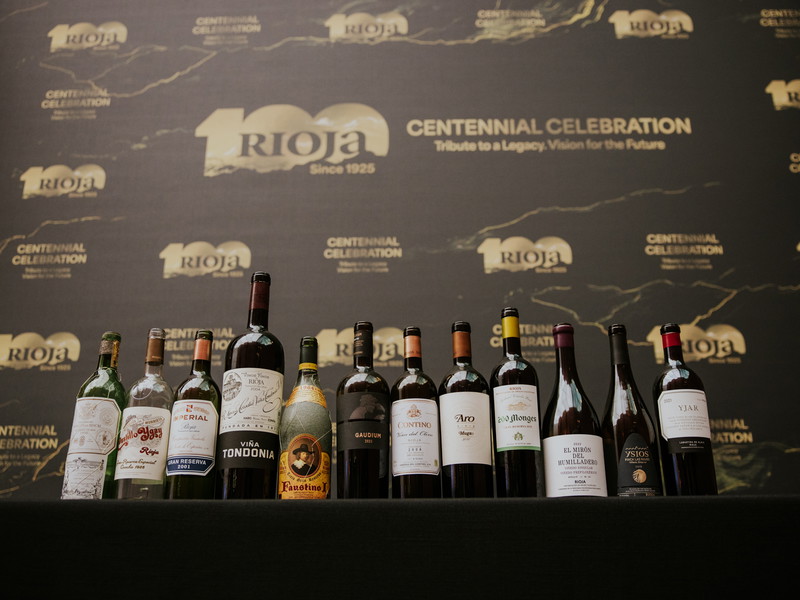
Something similar is already permitted in Champagne and Rioja: In good years, unprocessed grape juice should be retained in tanks and added to the wine in the following year, which may turn out to be lean. Grape juice up to three years old can still be processed in this way – in order to further increase the quantity, the maximum permitted yield has been raised from 12 to 15 tons per hectare.
Viticulture under threat?
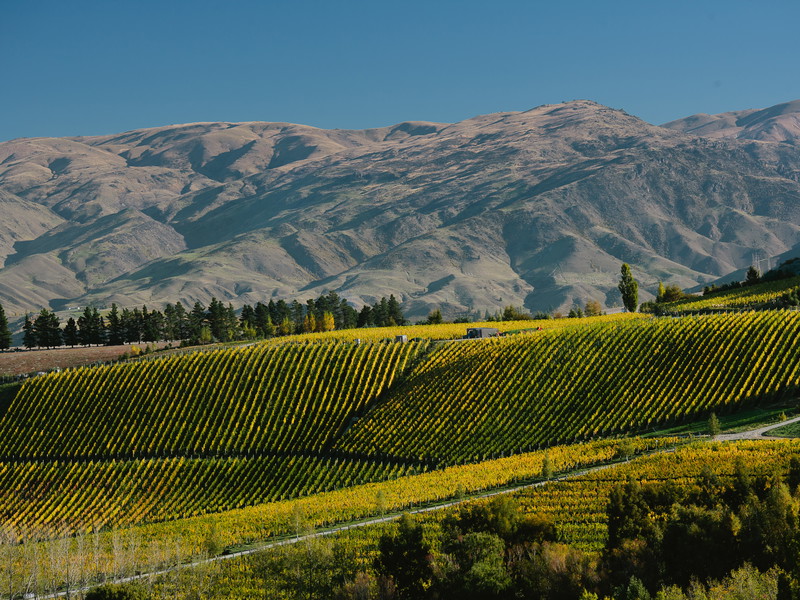
This is probably just the beginning. According to a study published by Spanish and Canadian scientists a few years ago, at least half of all wine-growing regions are threatened by climate change. If temperatures rise by two degrees in the future, the zones suitable for viticulture would be reduced by 56 percent, and by as much as 85 percent at four degrees. Wine-growing areas in cooler regions such as New Zealand, the Pacific Northwest of the USA, Germany, Switzerland and Austria would survive the two-degree increase in average temperature relatively unscathed.
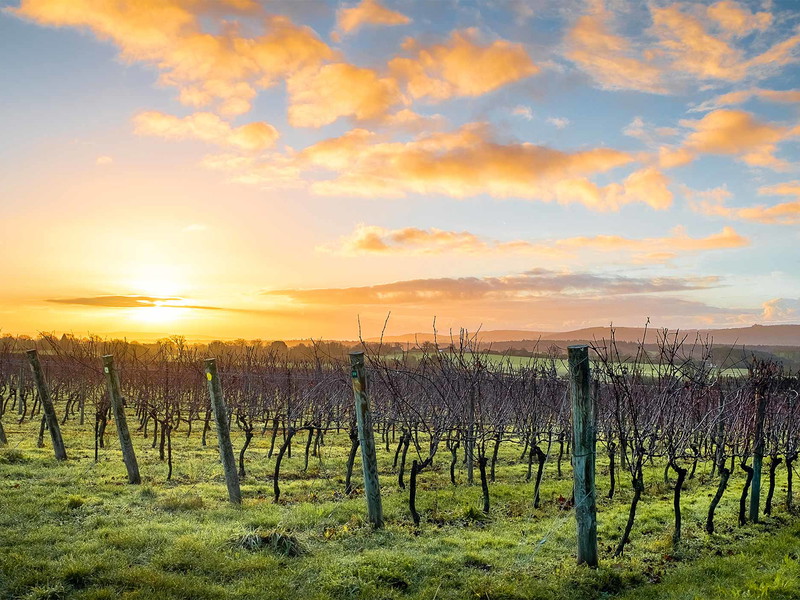
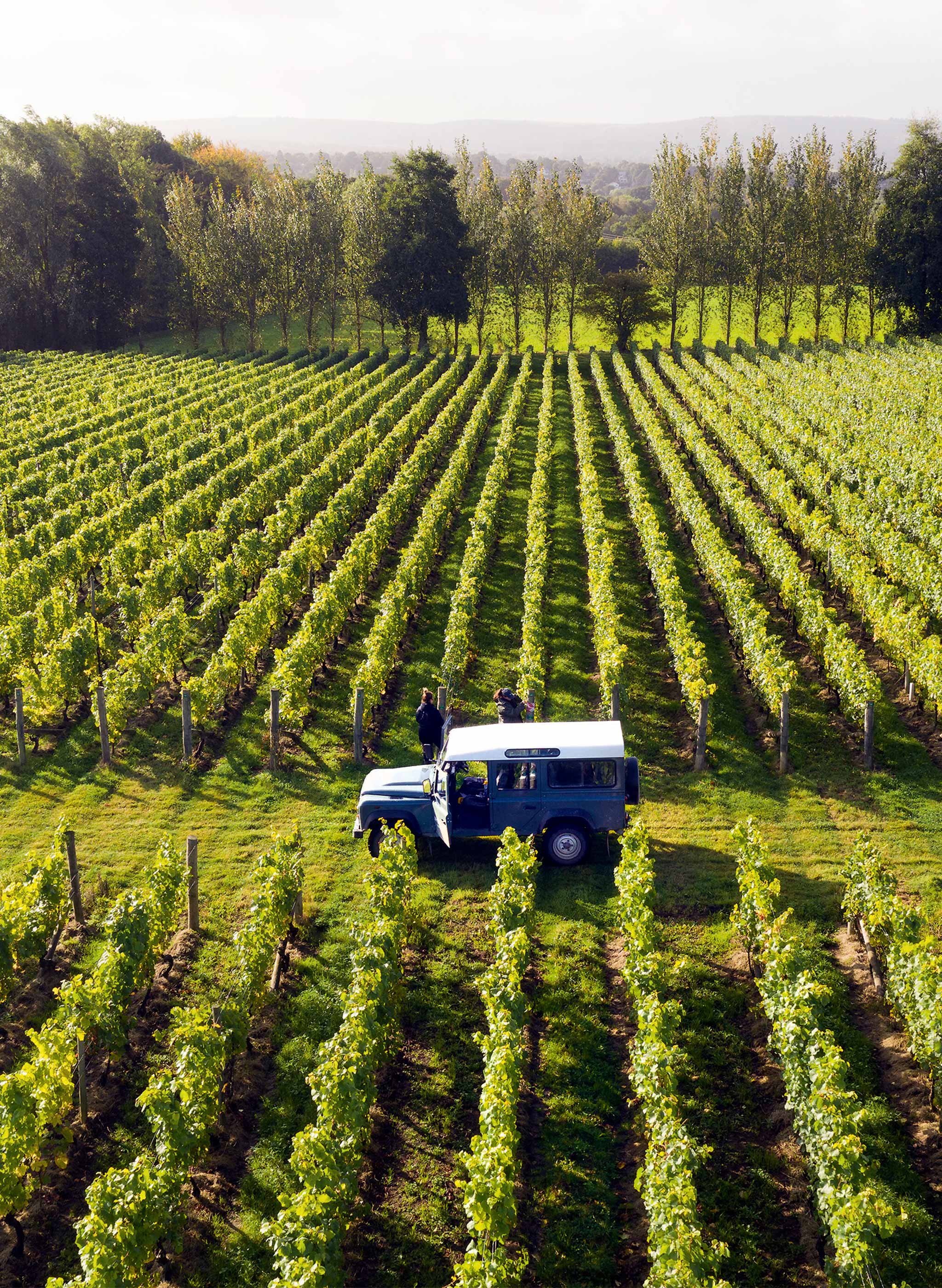
Others could even benefit significantly. England, for example, where – as no one would have guessed – a flourishing sparkling wine industry has developed in recent decades. And this despite the fact that England lies above the 50th parallel, which was long considered the limit for quality viticulture. Even champagne houses have been investing in the future here for some years now, as they are increasingly feeling the effects of climate change on their own doorstep and the conditions on the island are promising.
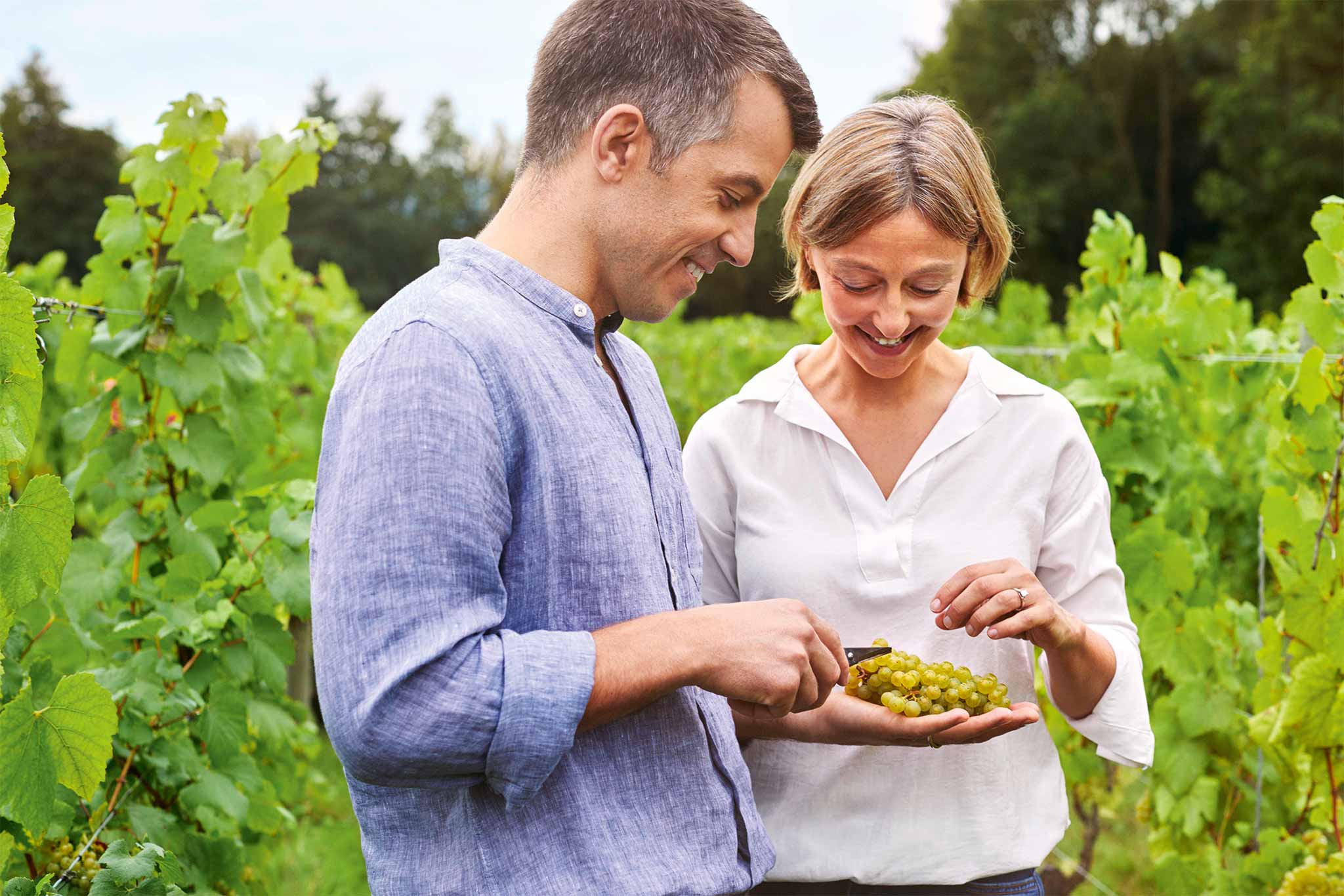
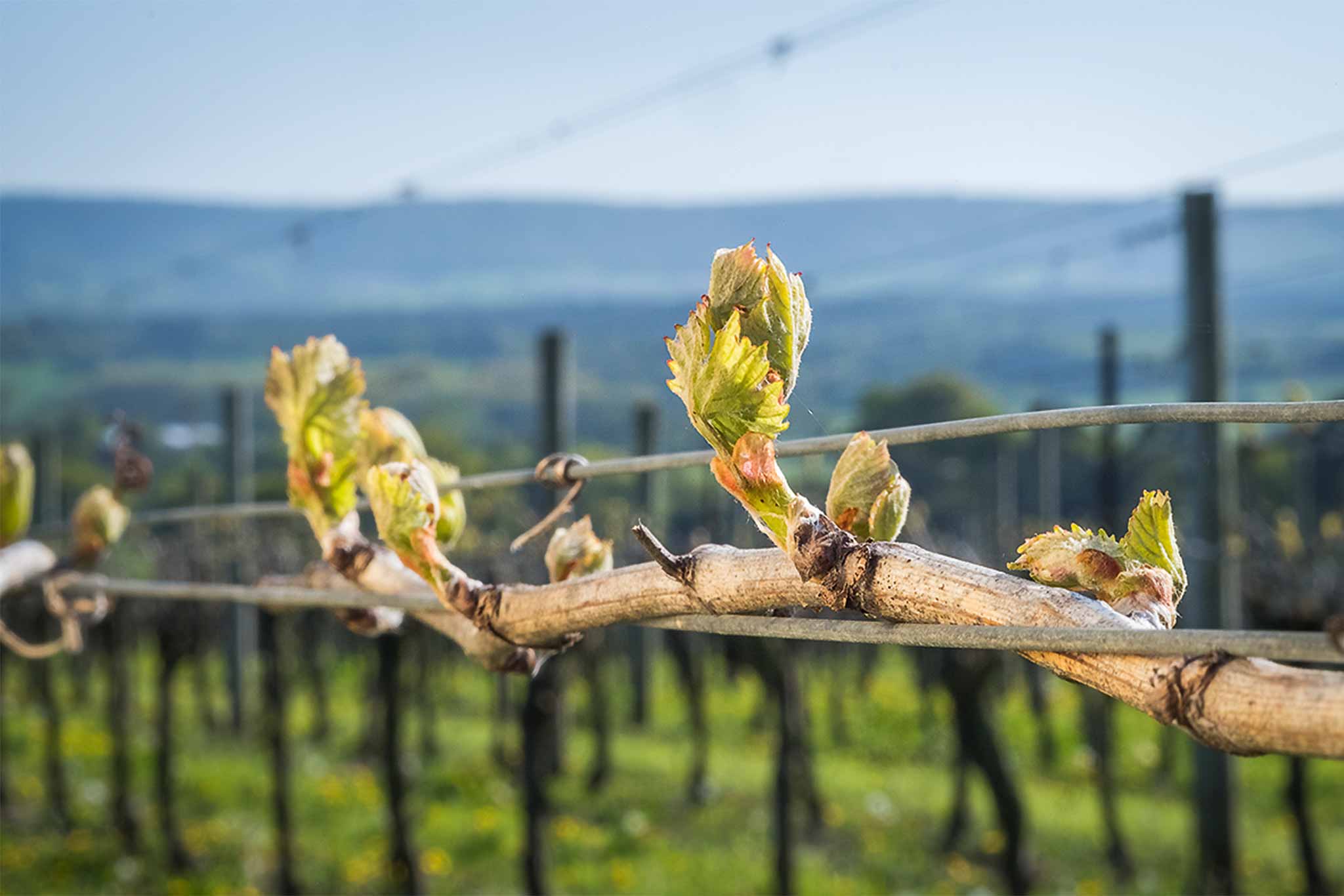
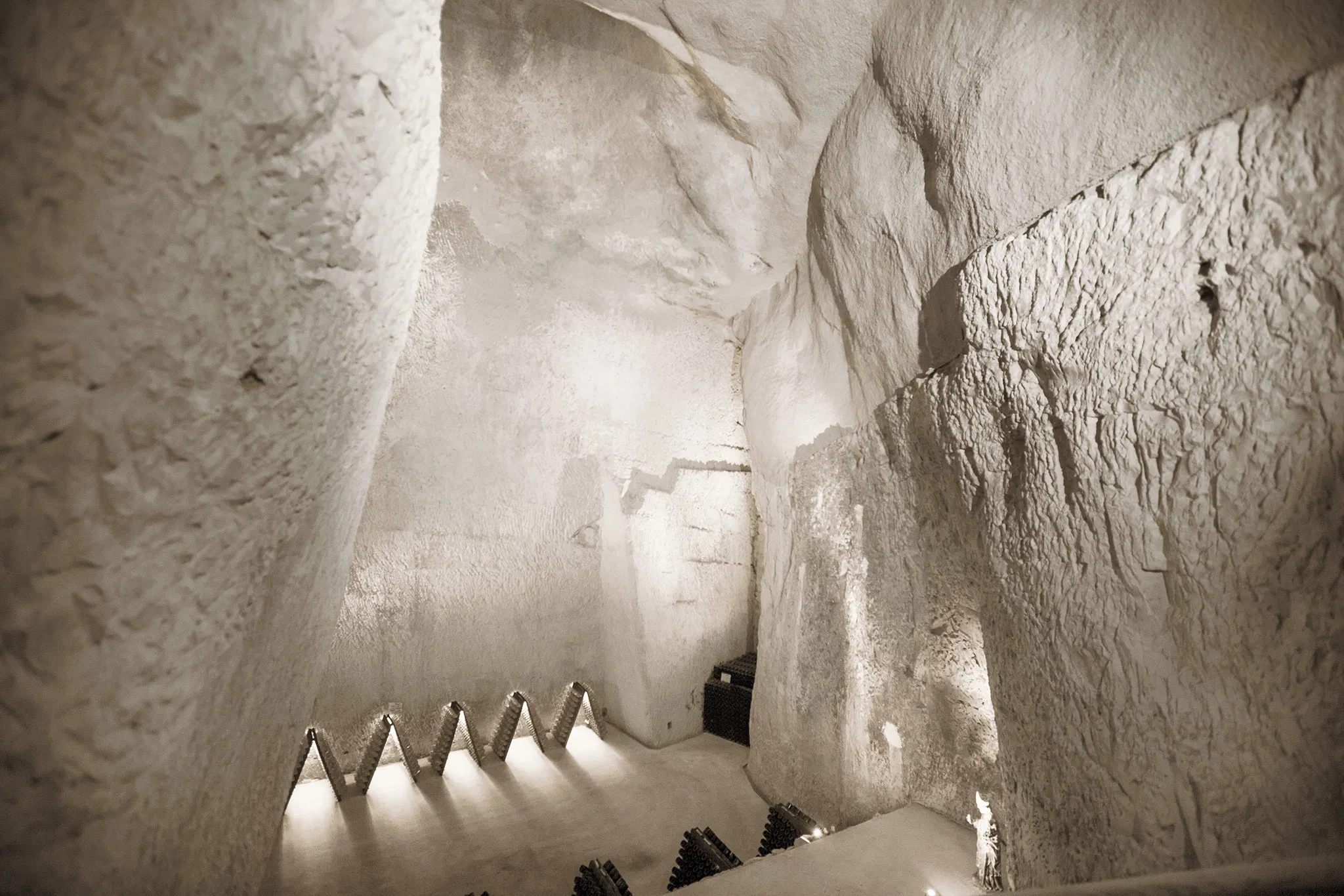
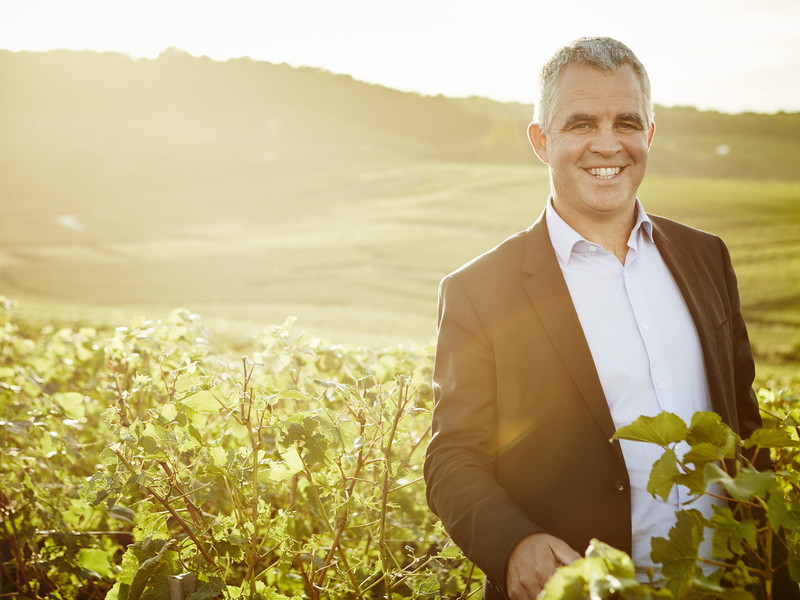
In England, there are chalky soils like in Champagne and local producers don't have to worry about acidity – the framework of every sparkling wine – or excessive alcohol levels. Quite the opposite. Here and there you have to help the grapes to ripen properly. "The challenges here are definitely different to those in Central Europe," reports Brad Greatrix. He and his wife Cherie Spriggs came from Australia to the south of England in 2007 to join Nyetimber, now the country's largest sparkling wine producer.
The foundation stone for the production of high-quality sparkling wines was laid in 1988 when the first vineyards were planted. Against all advice, the then owners Sandy and Stuart Moss opted for the classic Champagne grape varieties: Chardonnay, Pinot Meunier and Pinot Noir. A risk in the cool, damp English climate, but one that was rewarded a good ten years later with awards at international competitions.
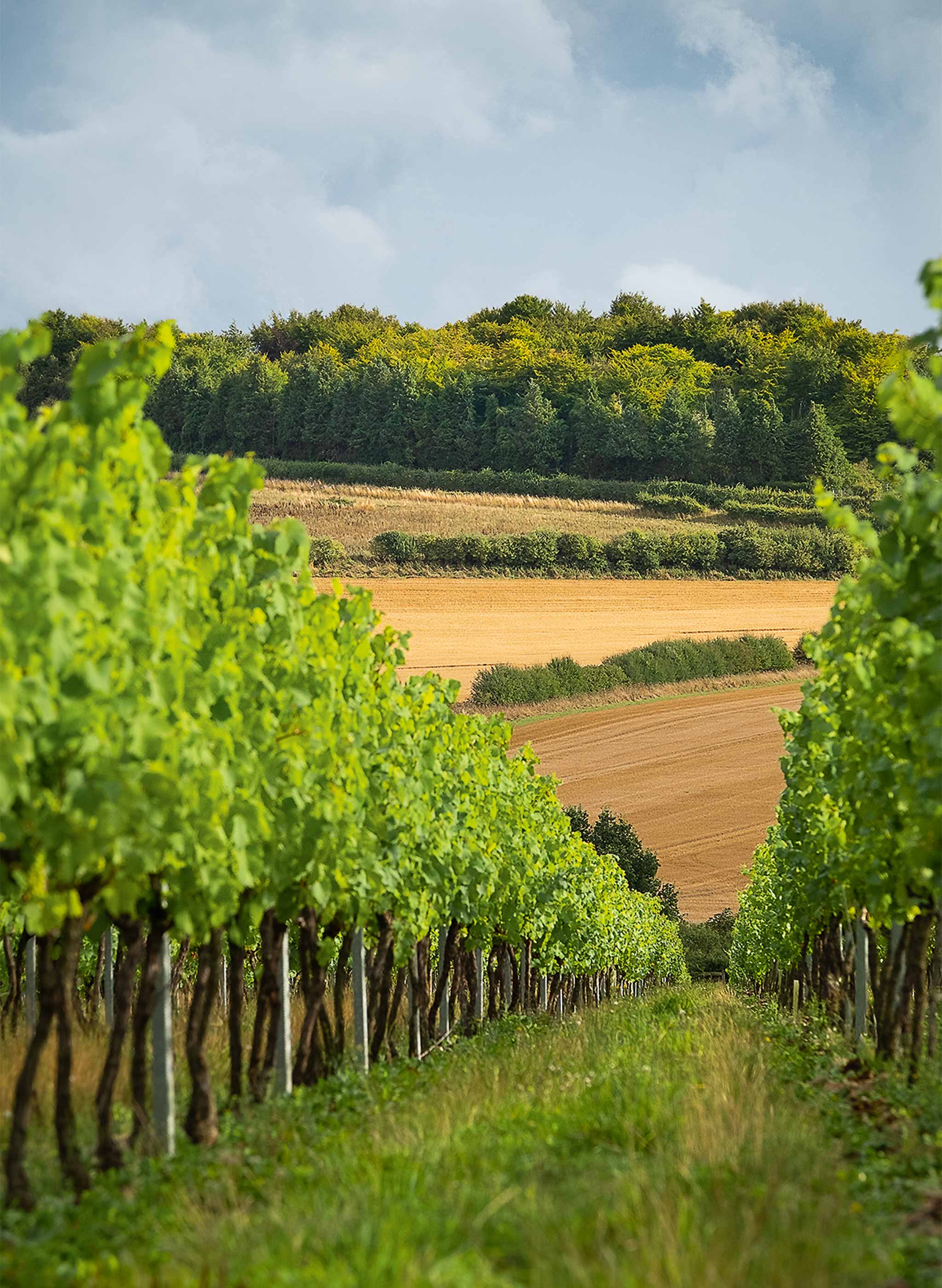
"It has now become difficult to find new cultivation areas because the competition has increased significantly," says Greatrix. Also because the requirements for the surfaces at Nyetimber are clearly defined. The sites must be south-facing and the soil must be chalk or green sand. Greensand is a greenish sandstone with a high magnesium content.
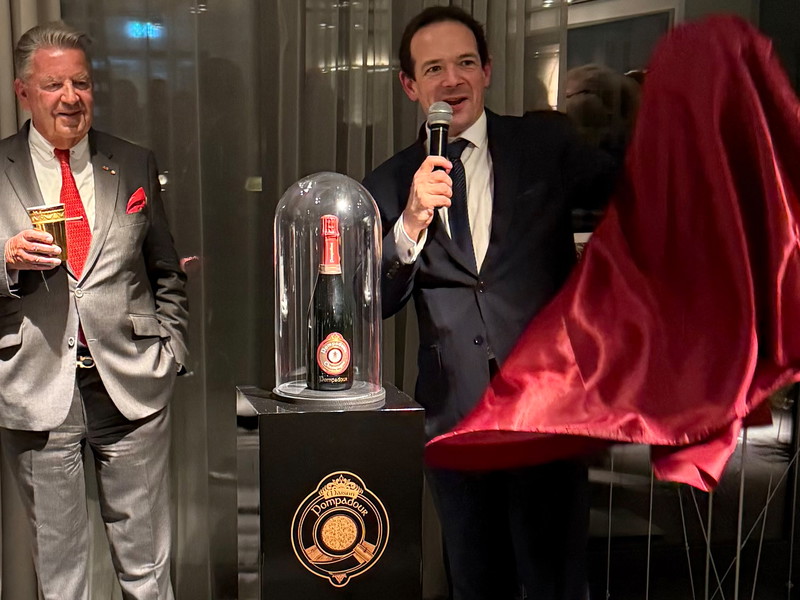
After all, around 350 hectares in southern England have been found that meet the requirements and are all cultivated by the company itself – no grapes are bought in. The flagship of the house is without doubt the Tillington Single Vineyard, a balanced, complex sparkling wine that even 18 years ago, when Eric Heerema acquired the winery, would never have been thought possible in England. The times they are changing.
Don't miss out!
Sign up now for our .