Fermentation Nation: The Taste of the Nordics
Rooted in necessity and shaped by climate, fermentation has long been part of Nordic food culture. Today, it is redefining flavour far beyond the region.
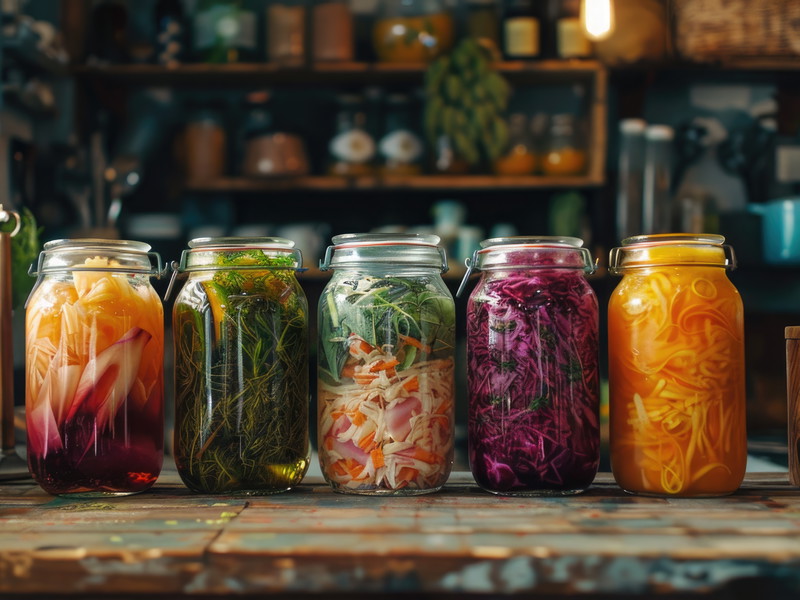
In the Nordic countries, fermentation is not a trend — it is a foundation. Long before refrigeration, preserving food was a necessity shaped by climate. Long winters, short growing seasons and limited access to fresh produce required methods that could extend the life of ingredients while maintaining their nutritional value.
Fermentation emerged as one of the most effective solutions. By harnessing naturally occurring bacteria — most commonly lactic acid bacteria — Nordic communities were able to transform fish, vegetables and dairy into products that could last for months. What began as a method of survival has since evolved into one of the defining elements of the region’s
A Tradition of Preservation
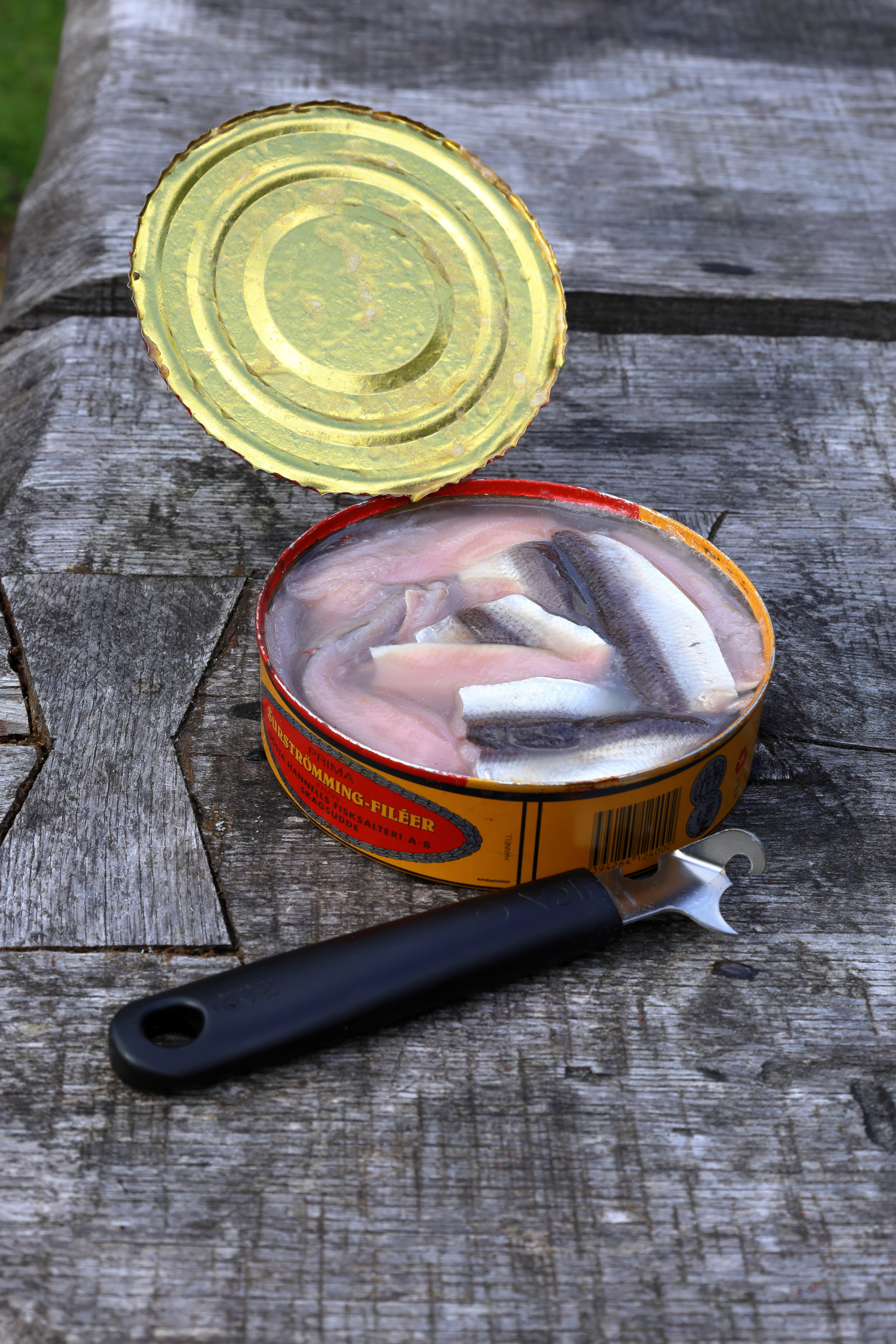
Across Scandinavia, a number of fermented foods have been part of everyday life for generations. In Sweden, surströmming — fermented Baltic herring — remains one of the most well-known examples. The fish is lightly salted in spring and left to ferment for several months, developing its characteristic strong aroma and complex flavour.
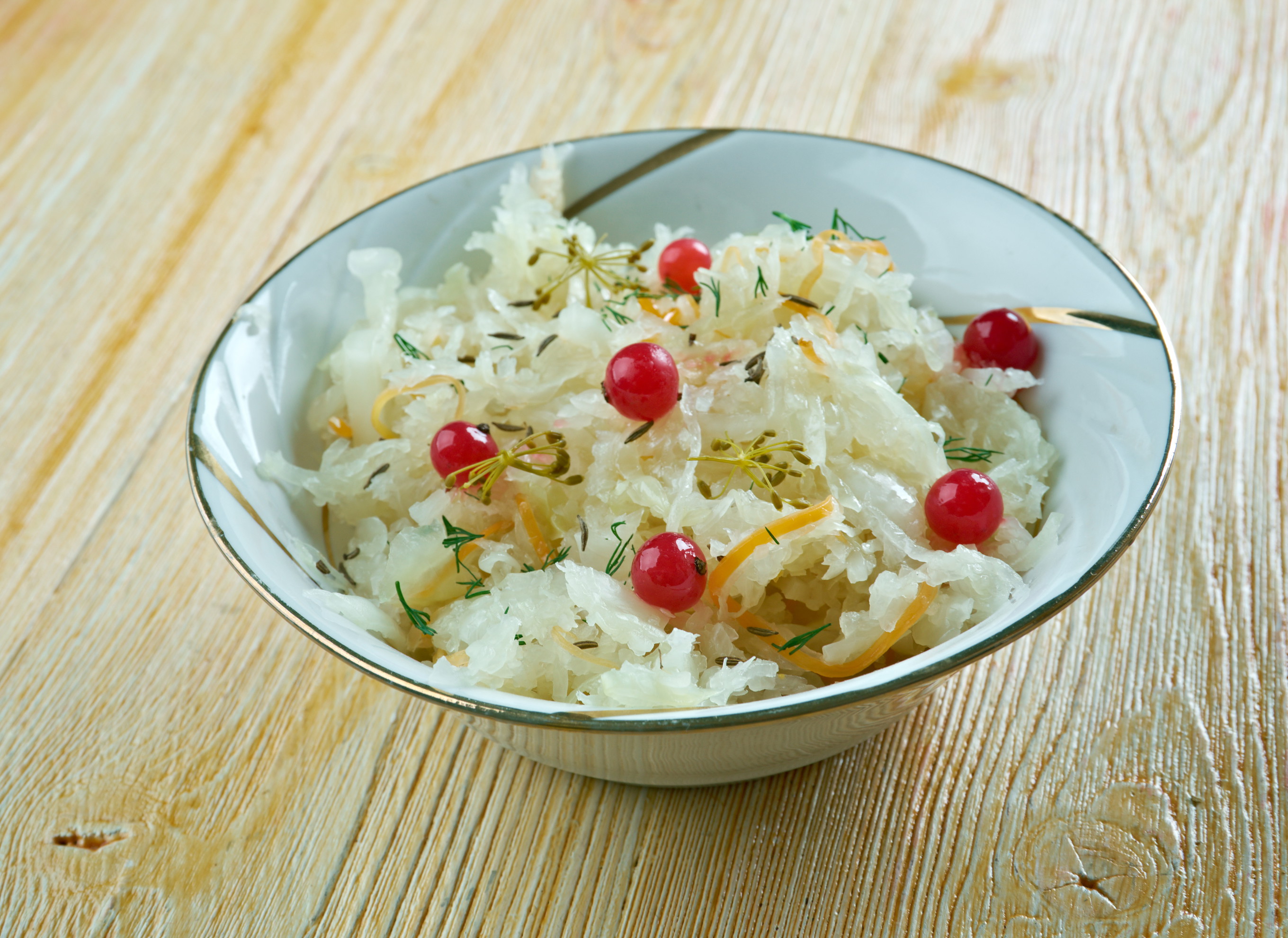
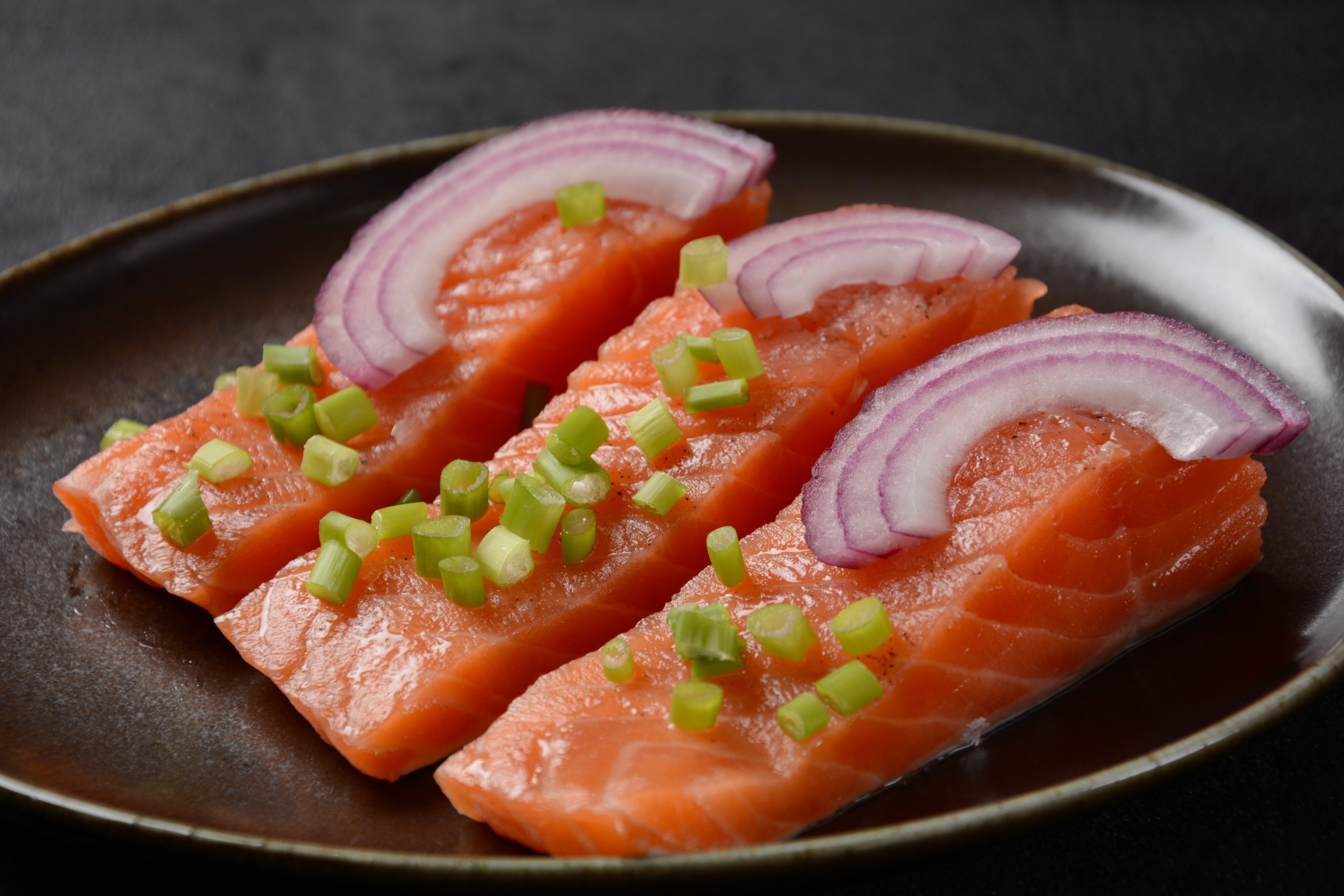
Norway offers its own traditions. Rakfisk, made from fermented trout, is typically aged for several months and often enjoyed during the winter season. Sauerkål, a form of fermented cabbage closely related to sauerkraut, has long served as a staple winter preserve in Norway. Traditionally, white cabbage was shredded, salted and left to ferment slowly in wooden barrels or clay vessels, developing both flavour and longevity at a time when fresh produce was limited.
What Fermentation Does
At its core, fermentation is a natural process in which microorganisms break down sugars and other compounds, creating acids, gases and alcohol. In Nordic cuisine, lactic acid fermentation plays a particularly important role, giving rise to the clean acidity found in many traditional preparations.
Beyond extending shelf life, fermentation enhances flavour. It introduces depth, complexity and what is often described as umami — a savoury intensity that makes even simple ingredients more expressive. At the same time, it can improve digestibility and preserve nutrients, making it both a practical and culinary technique.
Fermented foods are also associated with supporting gut health, as the microorganisms involved can make ingredients easier to digest and contribute to overall digestive balance.
From Preservation to Innovation
What was once a necessity has evolved into a defining creative tool. In Nordic kitchens, fermentation is no longer limited to preserving ingredients, but is used to shape flavour with precision and intent.
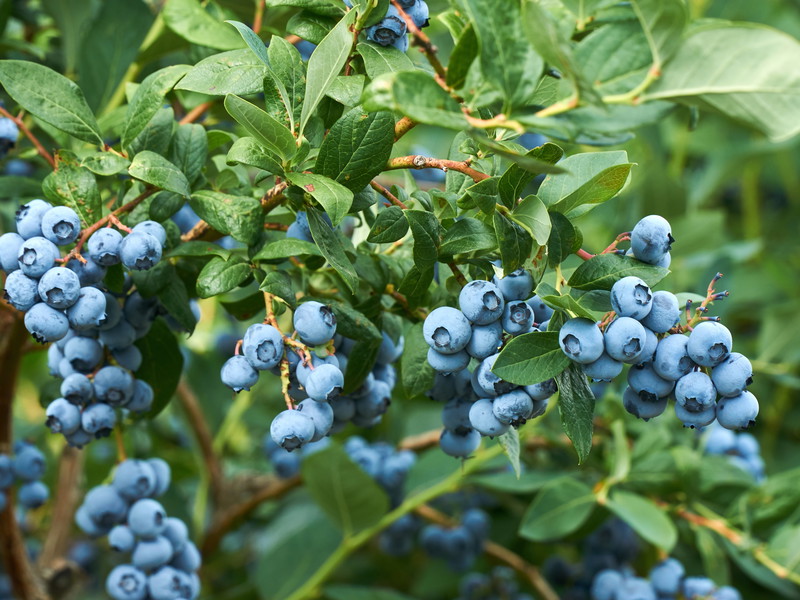
Chefs work with fermentation as an extension of seasonality — capturing fleeting ingredients and transforming them over time. Berries, herbs, grains and seafood are not only preserved, but reinterpreted, developing new layers of acidity, depth and complexity.
While global techniques have influenced this development, the focus remains distinctly local. Fermentation is applied to Nordic ingredients, reflecting the landscape and reinforcing a cuisine that is both rooted and forward-looking.