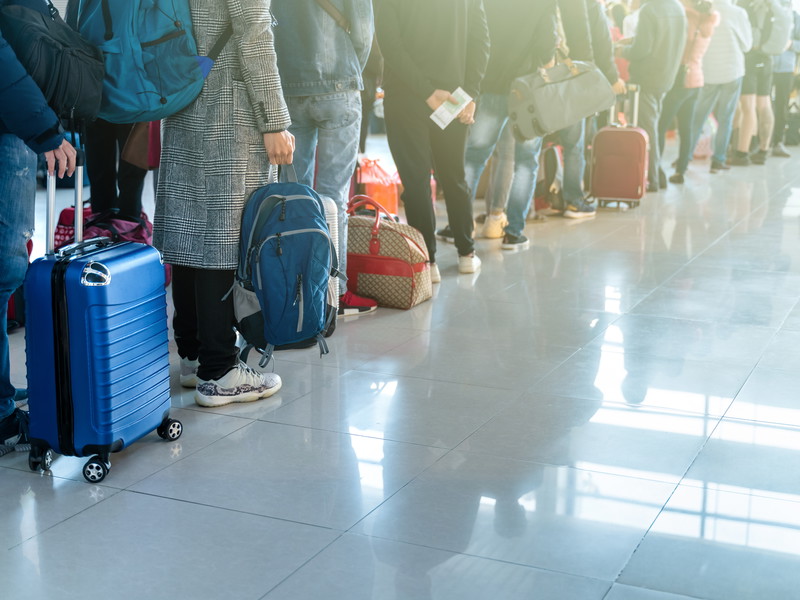
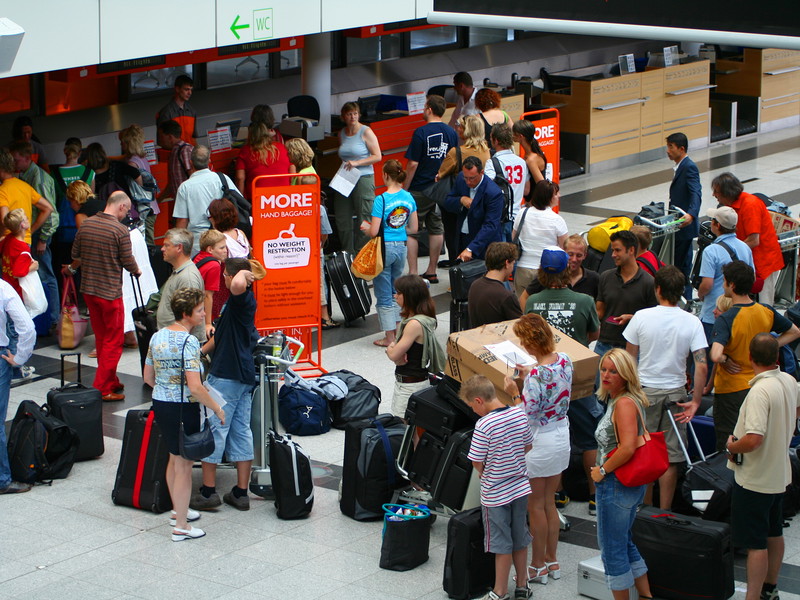
The rollout of the European Union's new digital border control system is increasing processing times at several airports, particularly during the peak holiday season. Airport operators warn that longer queues, crowded terminals and missed connections are becoming more common as passenger numbers continue to rise.
A new digital border system
The EU's Entry/Exit System (EES) is replacing the traditional passport stamping process for travellers arriving from countries outside the Schengen Area. Instead of receiving a stamp, passengers must now have their passport details recorded electronically, together with biometric information such as fingerprints and a facial image.
The system was introduced to strengthen border security, improve the monitoring of short-term stays and help authorities detect individuals who overstay their visas or attempt to enter the Schengen Area illegally.
Why are delays increasing?
The biggest challenge is the additional time required for first-time registration. Before reaching passport control, eligible travellers must complete a biometric registration, usually at dedicated self-service kiosks located inside the airport terminal. While the process is straightforward, it takes considerably longer than the previous passport stamping procedure, especially when large numbers of passengers arrive simultaneously.
Airport organisations across Europe say that the infrastructure needed to support the new system has not yet been implemented uniformly. Some airports have adapted quickly, while others continue to face operational challenges, resulting in longer queues at border checkpoints.
Although the European Union has developed a mobile application that allows passengers to submit some of their information before travelling, the solution has so far been adopted only by Sweden and Portugal. In most other countries, travellers still need to complete the registration after arriving at the airport.
Who is affected?
The new checks apply only to travellers from countries outside the Schengen Area. Citizens of Schengen member states continue to cross internal borders under the existing procedures and are not required to register under the EES.
At airports such as Frankfurt, automated border control systems like EasyPASS remain available for eligible travellers, allowing passport verification and facial recognition to be completed electronically with minimal intervention from border officers.
What travellers should expect
Airport authorities recommend arriving earlier than usual for international departures, particularly on routes involving external Schengen borders. While the new system is expected to become faster as travellers complete their initial registration and airports gain more experience operating it, longer waiting times are likely to remain a feature of the 2026 summer travel season.