Barcelona’s Best Vermouth Bars: A Revival in Every Glass
In Spain, hacer el vermut – to go for a vermouth – is more than a drink; it’s a cherished ritual. A leisurely midday pause shared among friends or family, gathered around a bar counter or at a sun-drenched table. And in Barcelona, this age-old custom is enjoying a stylish resurgence. Here’s our selection of the city’s finest spots to experience vermouth at its most authentic.
THE BEST VERMOUTH BARS IN BARCELONA
As the word “revival” suggests, vermouth is no passing trend. Its earliest ancestors – aromatised wines – can be traced back to Ancient Egypt, Persia, and Greece. One of the first documented versions was Hippocratic wine, named after the father of medicine himself, infused with wormwood and dittany and praised for its therapeutic properties.
The vermouth we recognise today began to take shape in 17th- and 18th-century Italy, though some insist on Bavarian origins. The German word Wermutkraut (wormwood) is where the drink takes its name, a botanical wine long believed to support digestion and wellbeing.
Vermouth in Spain
In Spain, the city of Reus in Tarragona became a focal point for vermouth production. The now-iconic Vermut de Reusbrand was founded in 1892 and continues to thrive. Today, Reus even boasts a vermouth museum, established by Joan Tàpies and awarded for its contribution to preserving this part of Catalan heritage.
How Vermouth Is Made
The recipes may be closely guarded, but EU regulations stipulate that vermouth must contain at least 75% wine. It is then blended with alcohol, water, and a distinctive mix of herbs, roots, and botanicals. While maceration remains the traditional method, modern techniques have emerged. The goal is balance: a harmonious interplay of bitterness, sweetness, and acidity, drawn from both fresh and dried ingredients.
Some producers - like the esteemed Yzaguirre - use as many as 80 botanicals in their blend. The wine base is typically made from white varietals such as Parellada, Macabeo, Viura, or Airén. Caramelised sugar is often added for richness and colour. The two main styles are red (sweeter, typically Italian in inspiration) and white (drier, in the French tradition). In Spain, red vermouth remains the popular choice.
Catalonia’s Vermouth Icons
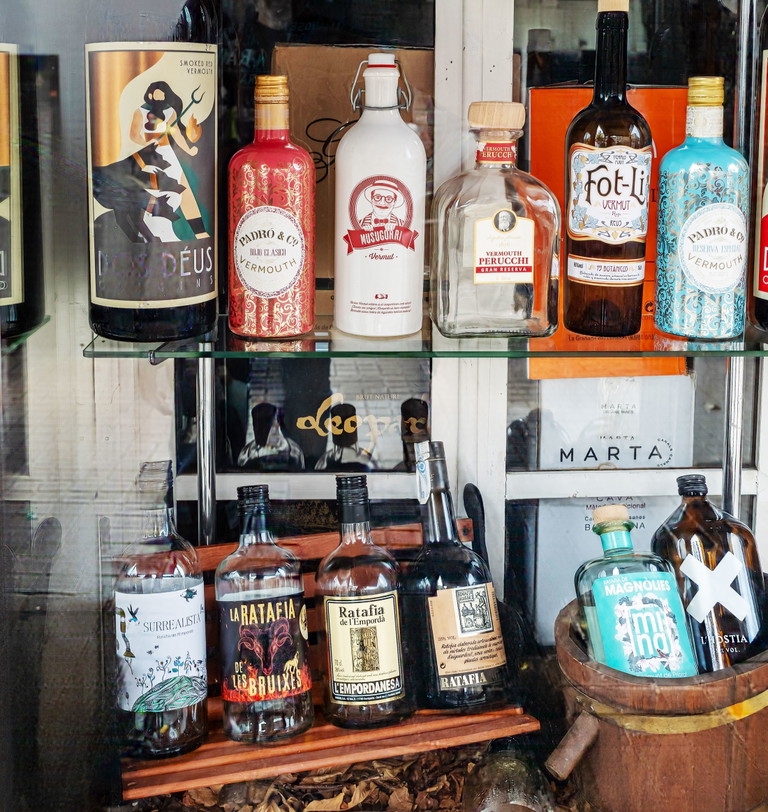
Catalonia is home to some of vermouth’s most respected names. From longstanding producers like Vermouth Cisa, Cooperativa Falset Marçà, Vermuts Miró, Yzaguirre, and Perucchi, to newer labels such as Oratvin, Creaciones Chappó, Barbarosso, and Martí Serdà. Other notable houses include Mascaró, Bodegas Bellod, and Celler Manyer Fortuny. A delightful detail: Perucchi has served the Spanish royal household since the reign of Alfonso XIII.

Where to Sip Vermouth in Barcelona
Barcelona’s vermouth renaissance has prompted bars across the city to expand their offerings or craft signature blends. Vermouth now enjoys pride of place alongside wine, beer, and an ever-evolving selection of tapas, from crisps and olives to more inventive small plates. Some venues bring a modern touch to the traditional tavern, while others have launched entirely new spaces dedicated to this timeless aperitif.
Wherever you go, one thing is certain: in Barcelona, vermouth is more than a drink - it’s a celebration of taste, tradition, and time well spent.
THE BEST VERMOUTH BARS IN BARCELONA