
Restaurant & Bistro Guide Nordics 2026: The Best Restaurants in Norway
Chef Esben Holmboe Bang earned Norway’s first three Michelin stars in 2016 and regained them after relocating in 2021. The name honors “mother earth” with edible artworks from organic and wild ingredients.
Sven Erik Renaa’s kitchen sits at the center of this 22-seat dining room, erasing the divide between guests and cooks. Founded in 2009, the restaurant earned its third star in 2024. Seafood-oriented tasting menu.
Chef Mikael Svensson creates a dining experience around organic and wild Norwegian produce. Fermentation and bright acidity are featured on the seasonal tasting menu. Two Michelin stars since 2024.
Danish chef Ulrik Jepsen has led the kitchen since 2017, earning a Michelin star in 2023. White tablecloths, wall-to-wall carpeting, and a Champagne trolley define the formal dining room.
Bocuse d’Or winner Ørjan Johannessen opened this destination restaurant in his island hometown in 2023. The tasting menu follows his “Island Gastronomy” philosophy, served around an open kitchen.
Two sommeliers own this one-star restaurant in a former canning laboratory, while chef Stuart Barber leads the kitchen. The seasonal tasting menus consist of six or twelve servings, backed by a 400-reference wine list.
Large mirrors, chandeliers, and murals lend the dining room at Britannia Hotel its grandeur. Head chef Håkon Solbakk presents intricate tasting menus featuring the finest Norwegian ingredients. There is also a caviar bar.
The name still reflects the location’s past as an erotic shop, even though today’s subtle interior gives no hint of it. In a five-course tasting menu, chef Jo Bøe Klakegg shows his Noma training through focused cooking.
In a building from 1640, Bent Stiansen—winner of Bocuse d'Or—has held a Michelin Guide star since 1998. Three dining rooms with stucco ceilings frame the classical cooking. The cellar holds 8,000 bottles.
Chef Heidi Bjerkan reopened her Trondheim restaurant at the National Library in 2025. The menu reflects Norwegian food culture, from lompe with XO herring to bread baked on site with Nordic grains.
Nordic Sushi Cup champion Sergey Pak opened this ten-seat counter in 2024. The 14- and 20-course omakase menus pair Norwegian ingredients with Japanese technique—expect reindeer sashimi!
After training under Roger A. Joya, chef Airis Zapašnikas now leads this ten-seat counter through a three-hour omakase experience. Nordic seafood meets Edomae technique, as well as sake and wine pairings.
Chef Christopher Haatuft opened this modern Norwegian restaurant at KODE 4 in 2013. Ten-course menus feature scallops from a local supplier and vegetables grown on city rooftops through MatTak.
Sebastian Myhre runs this 20-seat restaurant inside a former stable—hence the name. The tasting menu evolves daily, making use of vegetables, herbs, flowers, and fruits from their own garden.
Klepp plus Kress equals K2: Chef Ola Klepp—former RE-NAA—and partner Elisabeth Kress run this one-star restaurant where ingredients are sourced within Rogaland. Their garden supplies herbs and berries.
Awarded a star in 2019, Fagn remains Trondheim’s longest-standing Michelin restaurant. Head chef Ådne Børseth Helgetun presents ten- and twenty-course menus built around regional ingredients.
After securing Bergen’s first Michelin star at Bare, the founders opened their own place in 2024. The tasting menu highlights ingredients from local fishermen and farmers, prepared over charcoal.
Named after a 1958 comedy, this restaurant treats French cuisine with seriousness. Chefs in toques prepare classics like duck à l’orange and traditional sauces recalling France’s culinary roots.

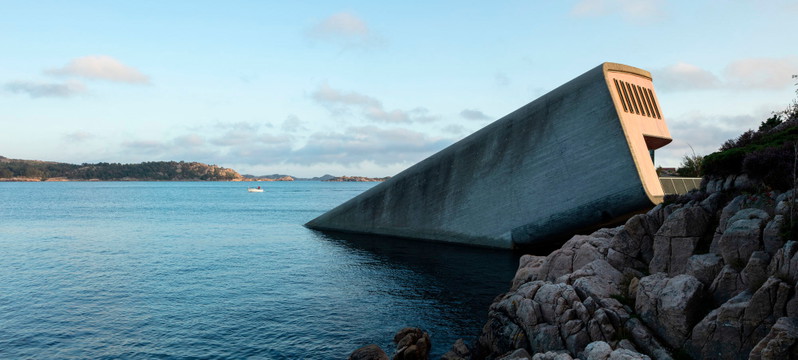
Five meters below sea level, a panoramic window frames marine life inside this striking concrete structure by Snøhetta. Chef Bernt Sætre serves a seasonal tasting menu of up to 12 courses from Southern Norway.
Self-sufficiency defines this restaurant: Chef Halvar Ellingsen grows all vegetables and raises sheep, pigs, and quail on the family farm, which dates back to the 1800s. The tasting menu features around 18 courses.
Arne Brimi has long championed cooking with natural, local ingredients and opened this mountain restaurant in 1998. Guests walk about 500 meters to the dining room, where an extensive menu awaits.
Edomae sushi, the Tokyo style created about 200 years ago, meets Nordic seafood at this ten-seat counter. Chef Roger Asakil Joya trained in Japan and opened his place in 2015, taking guests on an 18-course journey.
The former US Embassy’s visa section is now a wine bar named for Frances E. Willis, ambassador to Norway 1957–1961. It serves Middle Eastern and Mediterranean sharing plates, and its wine list includes over 1,000 bottles.
Roman roots, international experience, and training at Maaemo: Chef Andrea Selvaggini reflects on a journey that shaped this creative menu. Via some 20 courses, diners travel from the Norwegian coast to the inland.
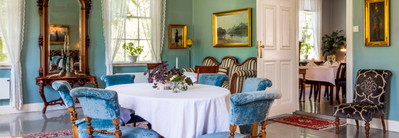
Chef Tomasz Rochon leads this farm restaurant, where around 80 percent of produce is grown on-site. A 13-course historical menu recalls King Oscar II's visit in 1891 and can still be ordered on request.
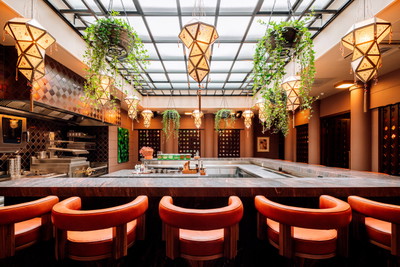
With Plah, chef Terje Ommundsen opened Scandinavia’s first modern Thai restaurant in 2004, fusing traditional flavors with Norwegian seafood. The tasting menu takes guests on an exotic culinary journey.
Elisabeth and Bjørn Buer have rebuilt their farm barn into a high-end restaurant with a spectacular view towards the Buerbreen glacier. Erlend Stueland runs the kitchen with locally sourced ingredients.
Part of Fløirestauranten on Mount Fløyen, this fine dining room was designed in the 1920s by architect Einar Oscar Schou. Chef René Leo Blume serves a local ten-course menu with an oolong tea interlude.
With 18 seats and an open kitchen, this husband-and-wife restaurant is among Tromsø's most personal addresses. Chef Espen Ramnestedt cooks Northern Norwegian flavors, while Eva-Linda leads service and wine.
Plant-based tasting menus in a former factory: An Italian chef enriches Nordic techniques with Asian accents, paired with wine from the natural-oriented list. Nine courses for dinner or six for lunch on Saturdays.
Since 1994, this 23-seat institution has served a daily-changing ten-course menu shaped by what is available at the market. The tiny kitchen has helped shape some of Norway's—and Oslo's—best chefs.
Meaning “goods reception,” guests enter through the butcher shop’s delivery door. In a narrow room, chefs Peder Støylen and Halaigh Whelan-McManus present a tasting menu focused on charcoal grilling.
The Idsøe family has run a butcher shop here since 1828, adding an 80-seat grill restaurant next door in 2023. Guests watch the open kitchen at work while choosing from a wine list of around 600 labels.
After a 25-minute boat trip from Bryggen Wharf, diners arrive at this island restaurant on Holmen with views of the fjord. A wine cellar carved into the rock holds 7,000 bottles to match the seafood menu.
Eight original Edvard Munch works elevate this 1767 manor house restaurant. The kitchen highlights Østfold’s local produce in seasonal menus, refined with French technique. 7,000 bottles in the wine cellar.
Leather swivel chairs and Pushwagner art define this 30-seat room, first opened in 2004 by TV chef Kjartan Skjelde. It serves a seven-course menu, with flowers and plants.
Founded in 1924 as a summer boarding house, this restaurant now sources produce from its garden and lamb from the estate. Guests dine in a former barn’s hayloft beneath timber beams from 1905.
Lars Erik Underthun has run this Frogner institution for over 30 years. The French-influenced kitchen features seasonal produce in à la carte and set menus, supported by one of the city’s best wine cellars.
The room is intimate: one chef, one table, one story told through langoustine and scallops. Roy Magne Berglund prepares and serves each dish himself, blending local ingredients with global technique.
Where flamingo ornaments and a drink-filled bathtub set the scene, Renée Fagerhøi follows her childhood cravings. Hot dogs, melted cheese, and crispy pig’s ear are part of the menus that blend fast food and fine dining.
Rooftop views meet creative pairings at this 2025 sky bar from chef Håvard Klempe—formerly at Credo—and award-winning bartender Jørgen Dons. Tasting menus pair dishes with cocktails tailored to them.
Maciek Sulek and head chef Anders Erlandsson—formerly at Alchemist—serve pan-Asian-inspired dishes as set menus and à la carte. Bottles and vinyl records line the walls; DJs play on weekends.
Marius Martinsen and his wife Elise established this outstanding food destination in 2015 with a “pasture-to-table” concept. The 12-course menu contains seafood and meat from Elise’s sister’s farm.
Founded in 2011, this tasting-menu restaurant showcases seasonal ingredients. Some produce comes from staff families, berries are foraged nearby, and an open kitchen lets guests watch the cooking up close.
Once a waffle bakery, this cellar has welcomed diners since 1989. Brick walls and flickering candles create a rustic backdrop for set menus with French-Nordic influences and a wine list of around 500 labels.
Ola Kinserdal (ex-Frantzén) and Henrik Falkensten (from Speilsalen) bring fine dining to the coast with their “everyday gourmet” concept. The kitchen blends French and Asian influences, supported by an extensive wine list.
Chef Sebastian Engh leads this 46-seat restaurant inside 17th-century Fredriksten Fortress. Set menus favor ingredients from Østfold, paired with wines carefully selected from the cellar.
Founder Anne Brit Andreassen named her 1998 restaurant after an imaginary kitchen companion from her childhood. Menus may change weekly based on the availability of ingredients from local suppliers.
After years in London, chef Kim Tore Sjøbakk opened this restaurant in a former barn in 2017. A 16-course tasting menu highlights Trøndelag ingredients, paired with wine or nonalcoholic drinks.
This restaurant on the seventh floor of the Wood Hotel boasts scenic views of the Lofoten Wall mountain range. Its kitchen brings Northern Norwegian traditions and culinary heritage into the present.