Nordic Spring: The First Ingredients of the Season
After months of winter, the Nordic kitchen begins to shift. The first ingredients of the season bring freshness, restraint and a renewed connection to the landscape.
In the Nordics, spring does not arrive all at once. It emerges slowly, almost cautiously, after months defined by cold, darkness and preservation. This transition period is often referred to as the “hungry gap” — a time when winter stores begin to fade, but the new season has only just begun to offer fresh ingredients.
What appears first is not abundance, but precision. A handful of ingredients define the early Nordic spring, each carrying a sense of anticipation and renewal.
Ramson and Wild Greens
Among the most distinctive signs of the season is ramson, or wild garlic. Growing in forests across the region, it is one of the first fresh plants to emerge and is widely foraged. Its bright, slightly pungent flavour brings a welcome contrast to the heavier tastes of winter.
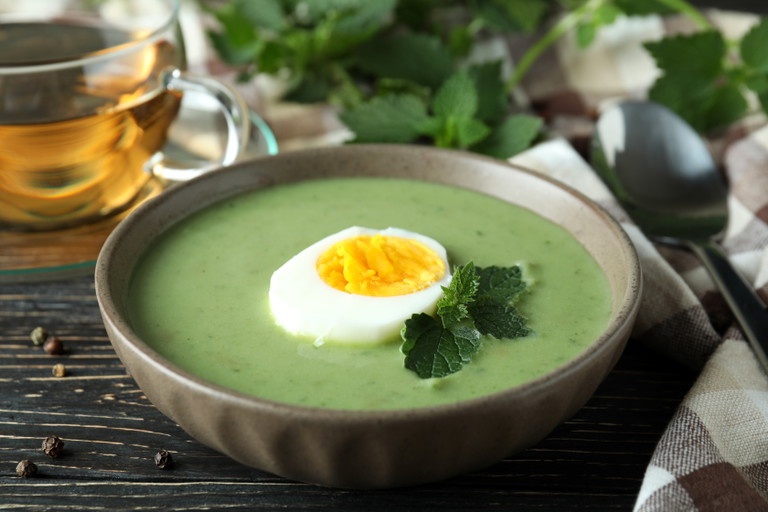
Alongside ramson come other wild greens: sorrel, nettles and a variety of young herbs. In Sweden, young nettles are traditionally used for nässelsoppa, a vibrant green soup often served with boiled eggs and a touch of crème fraîche. Foraging remains an important part of Nordic food culture — not as a passing trend, but as a continuation of long-standing practices. These ingredients often move directly from forest to kitchen, where they are used with minimal intervention.

Early Vegetables
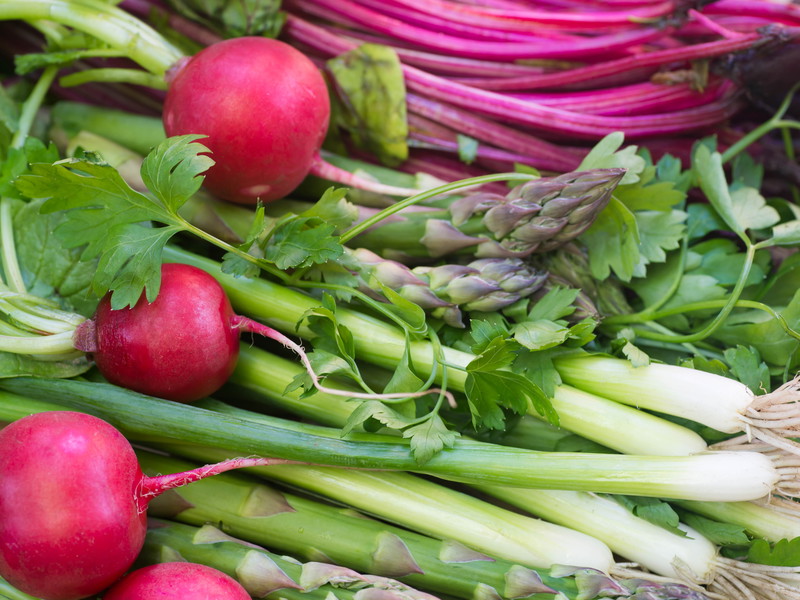
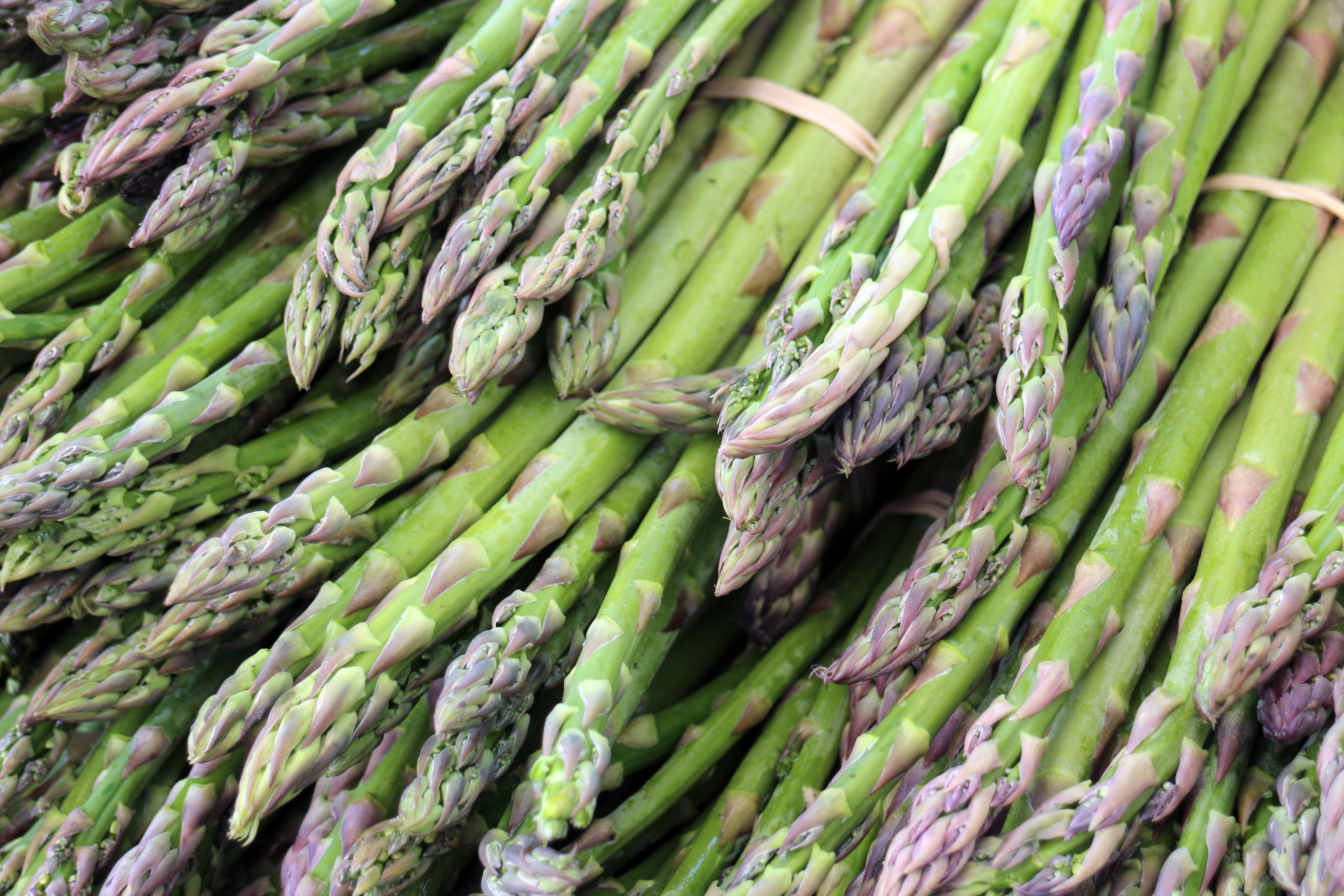
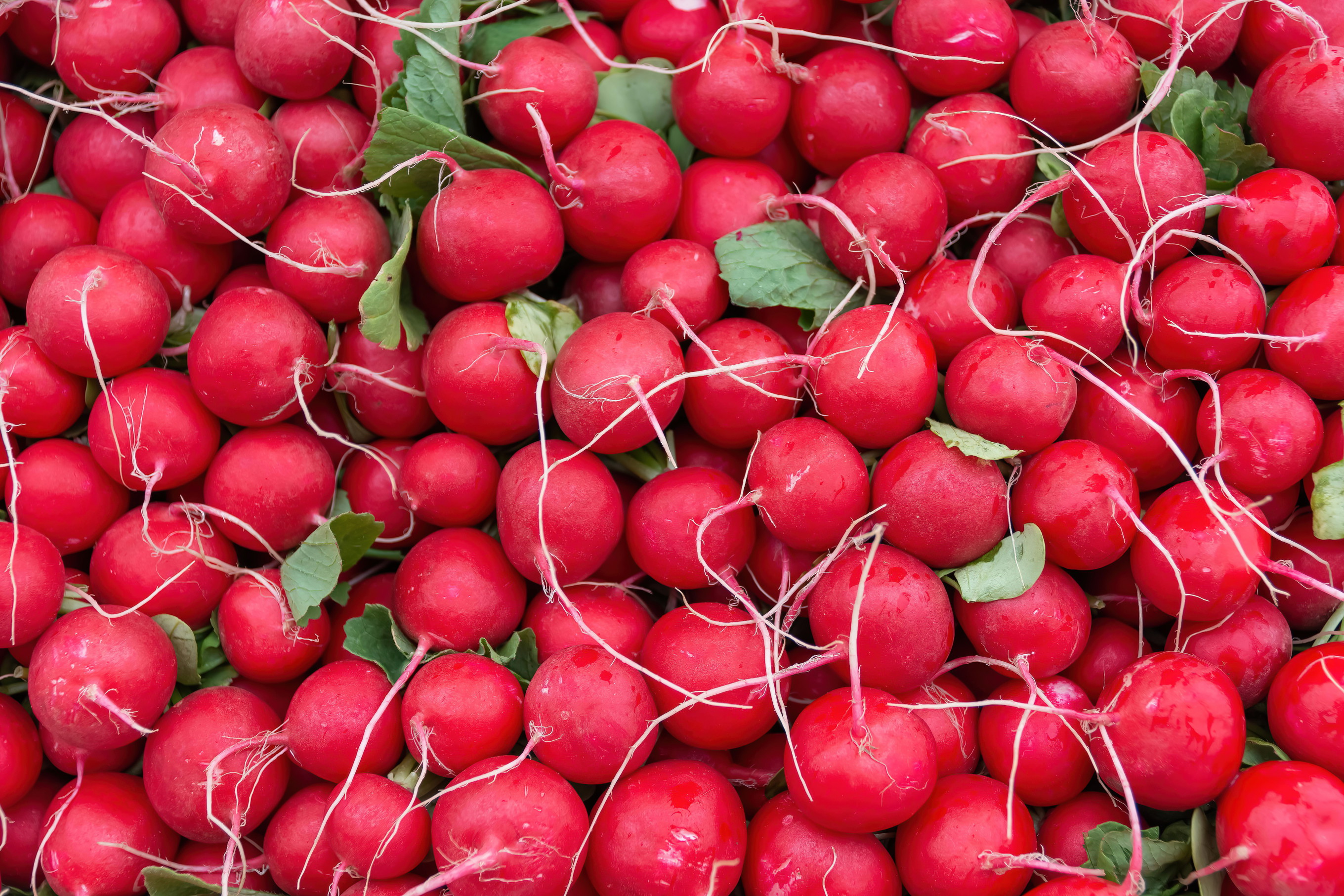
The first cultivated vegetables of the season are equally restrained. Radishes, with their crisp texture and mild sharpness, are among the earliest arrivals. Asparagus follows shortly after, particularly in milder regions such as Denmark and southern Sweden, where the climate allows for early harvests.
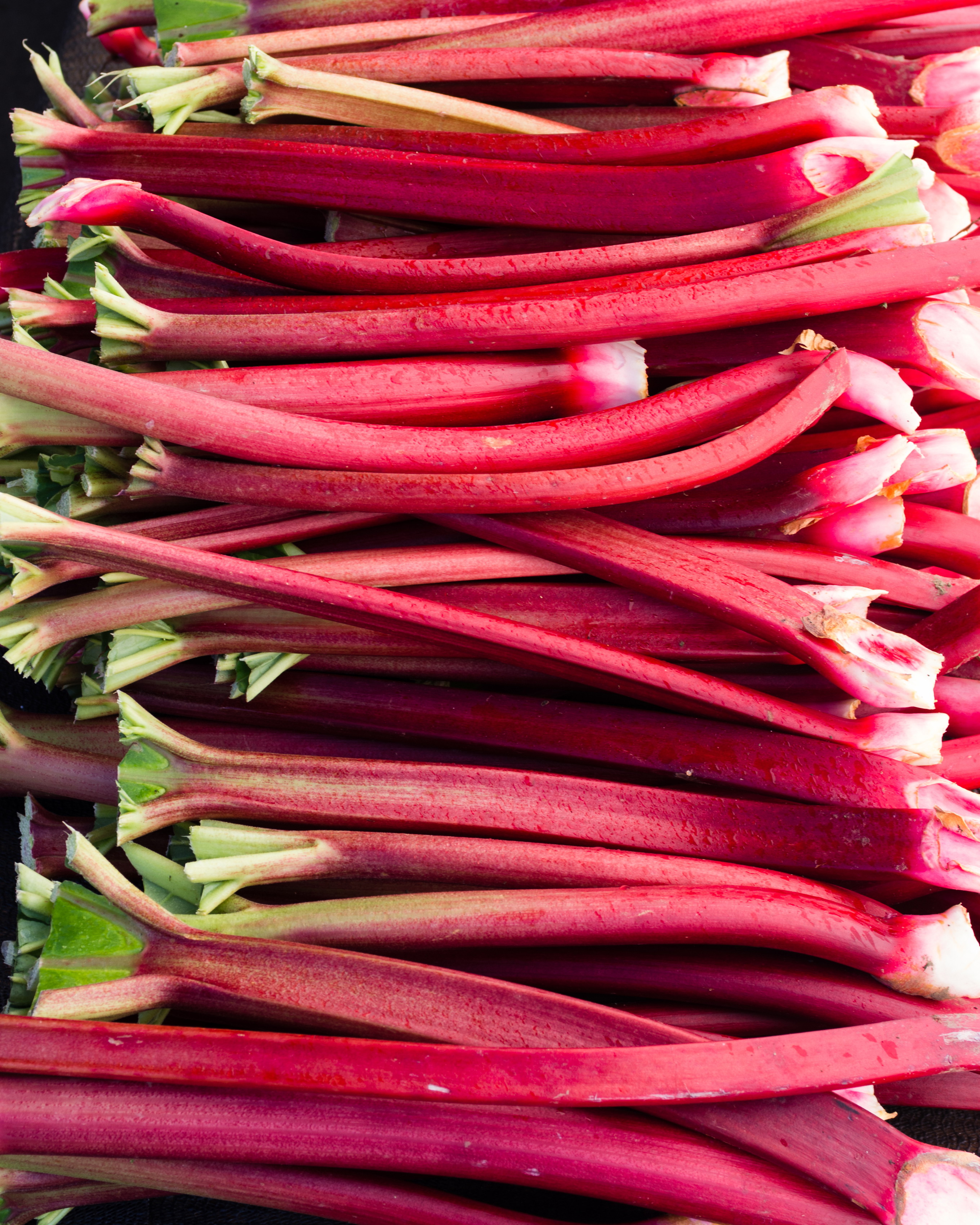
Rhubarb, with its distinctive tartness, is another defining ingredient of early spring. Widely used across the region, it appears in both sweet and savoury dishes, often paired with fish, herbs or lightly fermented elements.
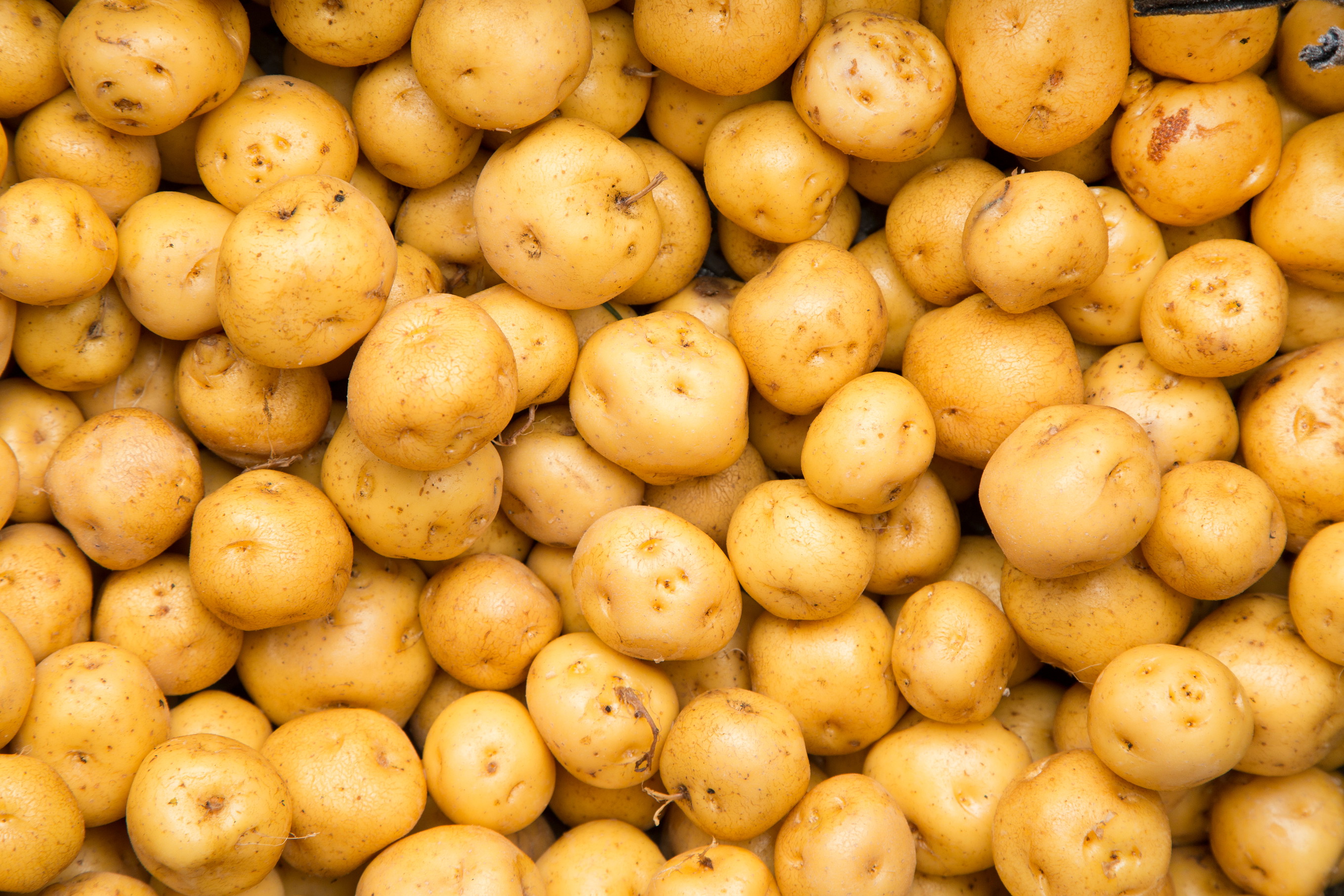
New potatoes, harvested young and small, are another defining ingredient. Their delicate texture and natural sweetness make them a staple of spring menus, often served simply with butter, herbs or lightly cured fish.
Fish and Coastal Traditions
Spring also marks a shift in the Nordic waters. Herring returns as a central ingredient, prepared in a variety of ways — pickled, marinated or lightly cured. Salmon remains a constant presence, whether served fresh or preserved using traditional curing techniques. These preparations reflect the region’s long-standing relationship with preservation, even as fresh ingredients begin to reappear.
Between Seasons
What defines Nordic spring is the balance between old and new. Fresh herbs and vegetables are often paired with elements developed over winter — fermented, cured or dried. This creates a cuisine that bridges seasons rather than replacing one with another. This interplay between preservation and freshness has become one of the defining characteristics of contemporary Nordic cooking.
The result is a style of cooking that is both restrained and expressive. Dishes are lighter, greener and more focused, yet still grounded in the techniques that have shaped Nordic food culture for generations.
Rather than abundance, it is this moment of transition that defines the season — a brief period where the first signs of life are enough to shape an entire cuisine, and where restraint becomes a defining expression.